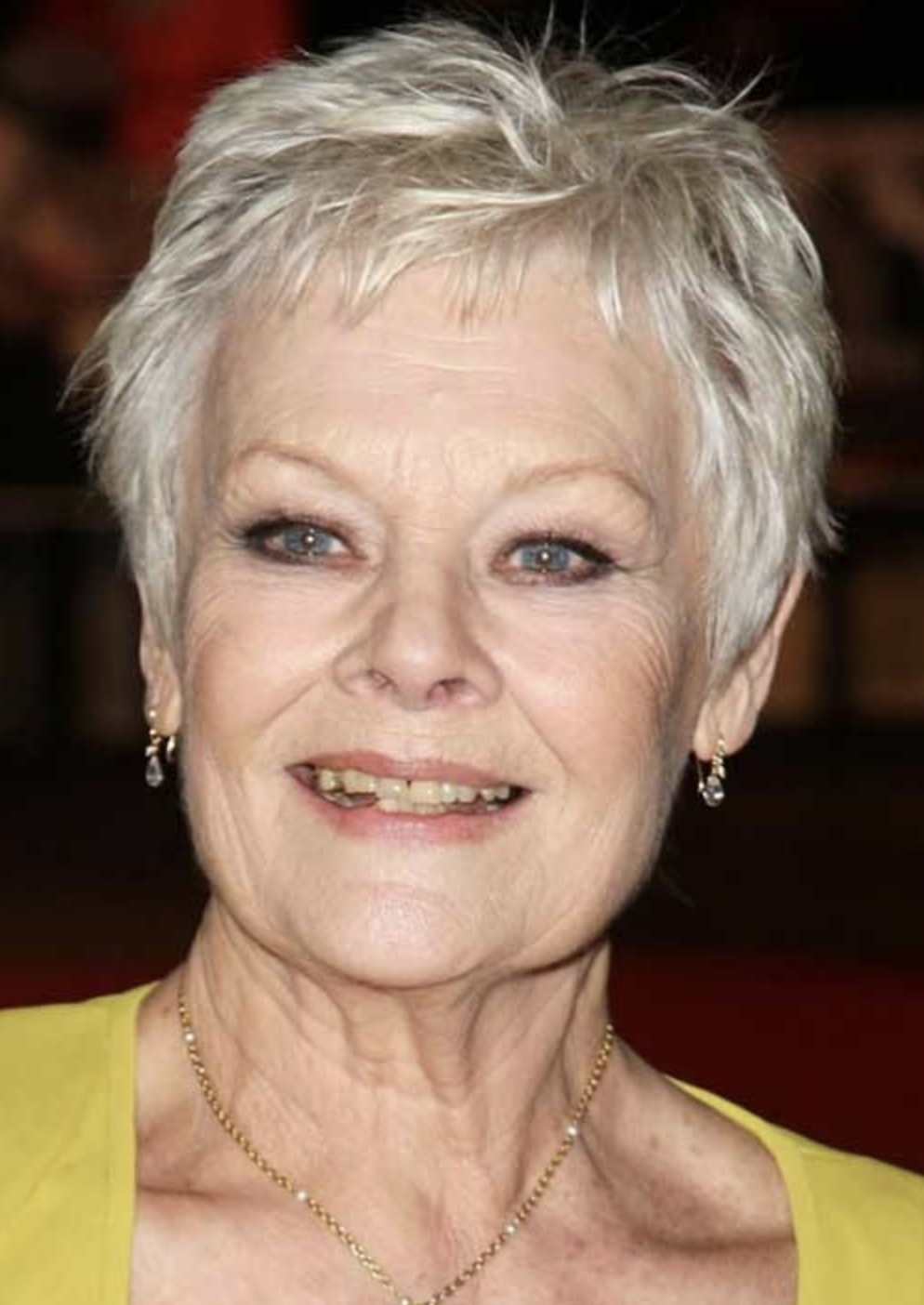
This style involves shaving or trimming the hair on the back or sides of the head, leaving the top section longer. This creates a contrast in hair length, adding a dimension of boldness and individuality. One popular variation involves shaving a section beneath longer hair at the nape of the neck, while another might involve closely cropped sides with a swept-over top section.
Such styles offer versatility, allowing for personal expression through various lengths, colors, and textures. They can be edgy and rebellious, or soft and feminine, depending on styling choices. Historically, these cuts have signified nonconformity and empowerment, pushing against traditional gender norms. The contemporary appeal lies in their ability to add a modern, chic touch to any look, while also offering practical benefits like managing thick hair and keeping cool.
The following sections will explore variations suitable for different face shapes, hair textures, and lifestyle preferences. Guidance on styling and maintenance will also be provided to ensure a polished and impactful appearance.
1. Hair Textures
Hair texture plays a crucial role in the final appearance and manageability of an undercut. Straight hair tends to showcase the sharp lines and angles of the cut, creating a sleek, polished aesthetic. This texture lends itself well to intricate designs etched into the undercut and holds styling products effectively, allowing for sculpted looks. Conversely, curly or wavy hair adds volume and texture to the longer top section, softening the overall effect and creating a more dynamic, playful style. The curl pattern can be accentuated or tamed depending on the desired outcome, providing versatility.
For those with thick hair, an undercut can remove bulk and weight, making it easier to manage and style. Thinning out the lower layers creates a more balanced silhouette and prevents the style from appearing overly heavy. Those with fine hair might opt for a less dramatic undercut to maintain volume on top. A skilled stylist can tailor the depth and placement of the undercut to suit individual hair density, ensuring a harmonious balance between the shaved and longer sections.
Understanding the interplay between hair texture and the undercut allows for informed styling choices. Product selection, cutting techniques, and maintenance routines should be adapted to complement individual hair characteristics. Ultimately, recognizing the impact of texture ensures a successful and flattering outcome, maximizing the style’s potential for personalization and aesthetic impact.
2. Face Shapes
Harmonizing an undercut with an individual’s face shape is crucial for a flattering outcome. Careful consideration of facial features ensures the style enhances, rather than detracts from, overall appearance. A well-executed undercut can create the illusion of balanced proportions and accentuate desirable features.
-
Oval Faces
Oval faces are considered versatile, as their balanced proportions generally suit a wide range of styles. Undercuts can further emphasize this symmetry, allowing for experimentation with various lengths and placements. A disconnected undercut, where the sides are shaved significantly shorter than the top, can create a striking, high-fashion look. Subtle undercuts at the nape of the neck can add a touch of edginess without dramatically altering the overall silhouette. Celebrities like Scarlett Johansson have showcased the adaptability of undercuts for oval faces.
-
Round Faces
For round faces, the goal is often to create the illusion of length and definition. An undercut with longer hair on top, styled with height and volume, can achieve this. Keeping the sides short and tapered helps to slim the face. Avoiding heavy, blunt cuts that emphasize roundness is key. Michelle Williams has demonstrated how an undercut can complement a round face shape.
-
Square Faces
Softening the angles of a square face can be achieved with an undercut that incorporates textured layers and soft edges. A side-swept fringe can further enhance this effect, minimizing the prominence of the jawline. Undercuts that are too severe or angular can exaggerate square features. Keira Knightley has successfully incorporated softer undercuts to complement her square face shape.
-
Heart-Shaped Faces
Heart-shaped faces, characterized by a wider forehead and a pointed chin, benefit from undercuts that add fullness and width to the lower portion of the face. A layered, textured undercut with volume at the sides can help balance the proportions. Ruby Rose provides a prime example of how an undercut can enhance a heart-shaped face.
Ultimately, selecting an undercut that complements one’s face shape requires careful consideration of individual features and desired aesthetic. Consulting with a skilled stylist can provide personalized recommendations and ensure a harmonious balance between face shape and hairstyle. Such consultation facilitates informed decision-making, maximizing the potential for a flattering and stylish result.
3. Styling Options
Styling options significantly influence the versatility and overall impact of women’s undercuts. The interplay between cut, length, and texture allows for a spectrum of looks ranging from edgy and rebellious to soft and sophisticated. The length of the top section dictates the range of styling possibilities. Shorter lengths offer a more androgynous aesthetic, lending themselves to slicked-back styles or textured, tousled looks. Longer lengths provide opportunities for braids, updos, and other intricate styles, offering a greater degree of femininity and versatility. The shaved sections can be styled with intricate designs or left bare for a minimalist approach.
Product selection plays a crucial role in achieving desired styling results. Texturizing sprays and waxes enhance volume and create definition, particularly effective for piecey, textured looks. Pomades and gels offer sleekness and control, ideal for slicked-back styles. Mousse adds volume and lift, particularly beneficial for fine hair. Heat styling tools, such as flat irons and curling wands, can further manipulate the longer sections, creating waves, curls, or straightening for a polished finish. The choice of styling products and tools depends on hair texture, desired look, and the specific cut of the undercut.
Understanding the interplay between styling techniques and the inherent characteristics of the undercut empowers individuals to personalize their look. Adapting styling choices to complement face shape, hair texture, and lifestyle preferences ensures a harmonious and flattering outcome. Ultimately, mastering styling techniques maximizes the transformative potential of the undercut, allowing for seamless transitions between various looks and reflecting individual style preferences.
4. Maintenance Requirements
Maintaining the distinct aesthetic of an undercut hairstyle requires consistent upkeep. The frequency and type of maintenance depend on factors such as hair growth rate, desired style, and individual preferences. Neglecting maintenance can lead to a less defined and potentially unkempt appearance, diminishing the intended impact of the style. Therefore, understanding the necessary upkeep is crucial for long-term satisfaction.
-
Trimming Frequency
Regular trims are essential to maintain the sharp contrast between the shaved and longer sections of hair. Faster hair growth necessitates more frequent trims, typically every 2-4 weeks, to preserve the desired look. Slower growth may allow for trims every 4-6 weeks. Consistent trimming prevents the undercut from growing out and losing its defined shape.
-
Product Selection
Appropriate hair products are vital for styling and maintaining the health of the hair. Specific products cater to different hair textures and desired styles. Using products that provide hold and texture can enhance the definition of the undercut. Regular conditioning treatments help maintain hair health, particularly for chemically treated or frequently styled hair.
-
Styling Techniques
Developing proficiency in styling techniques specific to undercuts ensures the desired look is consistently achievable. Techniques vary depending on hair length, texture, and the overall style of the undercut. Learning to use styling tools and products effectively helps maintain a polished appearance.
-
Scalp Care
With exposed scalp areas, proper scalp care becomes increasingly important. Regular cleansing and moisturizing prevent dryness and irritation. Protecting the exposed scalp from sun exposure with sunscreen or hats is also crucial for maintaining scalp health.
Ultimately, successful maintenance of an undercut hairstyle involves a combination of regular professional trims, appropriate product usage, skillful styling, and diligent scalp care. These factors contribute to a polished, well-maintained look that preserves the intended aesthetic impact of the undercut. Consistent attention to these maintenance requirements ensures long-term satisfaction and maximizes the style’s visual appeal.
Undercut Hairstyles for Women
This exploration of undercut hairstyles for women has highlighted the multifaceted nature of this bold and versatile style. From the interplay of hair texture and face shape to the spectrum of styling options and essential maintenance requirements, various factors contribute to a successful and personalized outcome. Careful consideration of these elements empowers individuals to select an undercut that not only complements their features but also reflects their unique personality and style preferences. Understanding the nuances of styling and maintenance ensures long-term satisfaction and allows for adaptability in creating diverse looks.
Ultimately, the enduring appeal of undercut hairstyles lies in their ability to empower individuals through self-expression. Whether embracing a rebellious, edgy aesthetic or a softer, more sophisticated look, the undercut offers a transformative platform for showcasing individuality. As stylistic boundaries continue to evolve, the undercut remains a dynamic and impactful choice for those seeking a hairstyle that embodies confidence and personal flair.