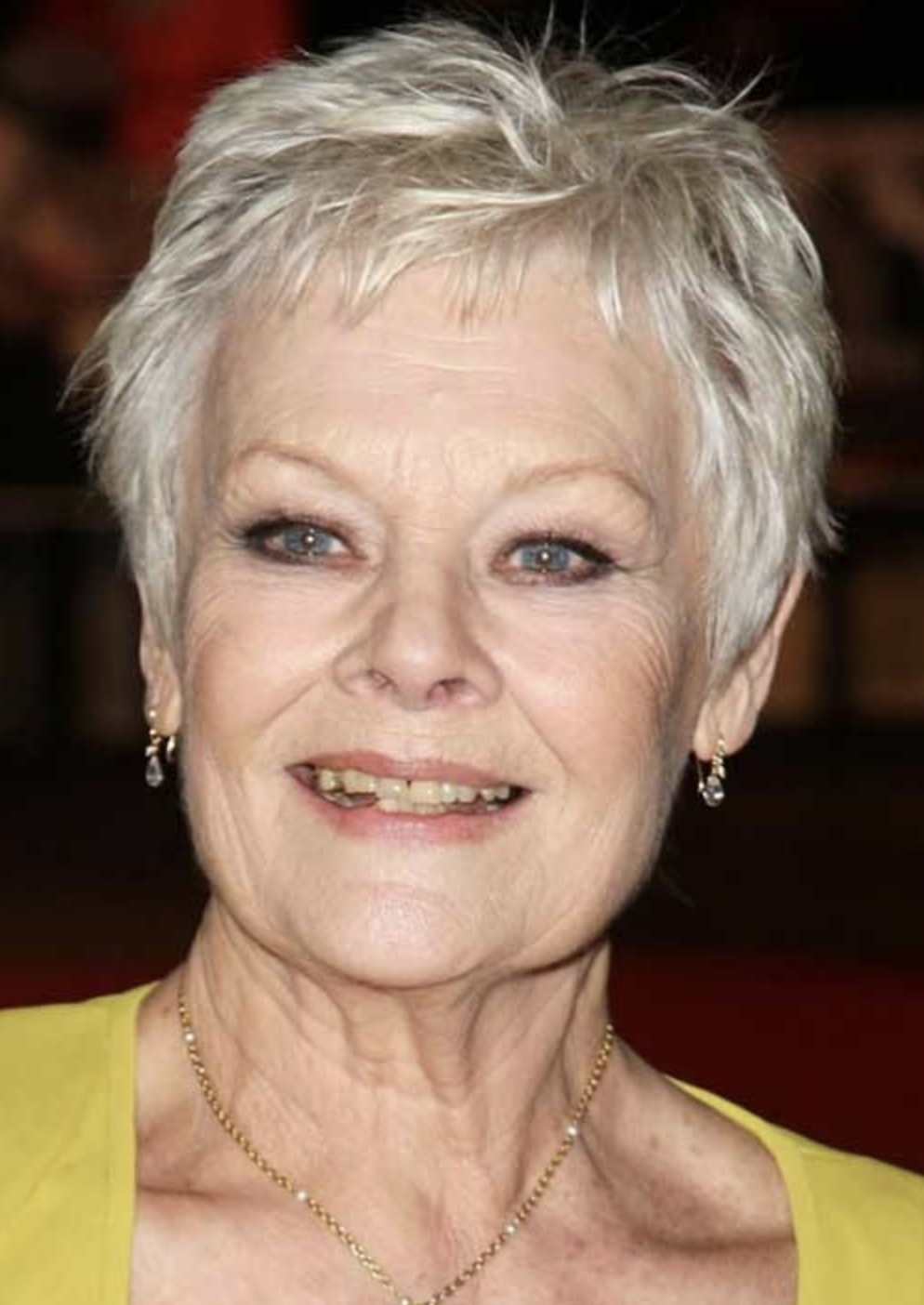
Styles for shorter hair, specifically designed to complement fuller face shapes, offer numerous options. These cuts often incorporate volume at the crown or textured layers to create an illusion of length and balance facial proportions. Examples include pixie cuts with long, side-swept bangs, asymmetrical bobs, and layered lobs that fall just below the chin.
Choosing a flattering cut can significantly enhance one’s appearance and boost confidence. A well-chosen style can soften facial features, create a more defined jawline, and draw attention to the eyes. Historically, shorter styles for women were often associated with practicality and rebellion, but today they are recognized as stylish and versatile options for individuals of all ages and backgrounds.
This article will further explore various styles suited for rounder faces, offering guidance on selecting the ideal cut based on hair type, texture, and lifestyle. Factors such as maintenance, styling techniques, and product recommendations will also be discussed.
1. Face-Framing Layers
Face-framing layers play a crucial role in balancing and enhancing round face shapes when incorporated into shorter hairstyles. They strategically direct attention towards desirable features while minimizing the perception of fullness. The careful placement and execution of these layers contribute significantly to the overall effectiveness of the haircut.
-
Creating Definition and Contour:
Layers cut to frame the face disrupt the circular symmetry, adding angles and structure. These layers can be tailored to accentuate specific features like cheekbones or jawlines. For instance, layers that start below the chin can create a subtle, slimming V-shape, while shorter layers around the cheekbones can add definition and lift.
-
Softening Facial Features:
Strategically placed layers, especially around the forehead and temples, can soften the appearance of a wider forehead or fuller cheeks. Soft, wispy layers can create a delicate, feathered effect that minimizes harsh lines and adds a touch of femininity. This technique works particularly well with pixie cuts and shorter bobs.
-
Adding Volume and Movement:
Face-framing layers introduce texture and movement, preventing the hair from appearing flat and lifeless, which can further accentuate roundness. Layered cuts encourage natural volume and bounce, especially when combined with styling techniques that lift the roots. This added dimension creates a more dynamic and visually appealing silhouette.
-
Versatility and Adaptability:
Face-framing layers can be adapted to suit various hair types and textures. Whether the hair is fine and straight or thick and curly, layers can be adjusted to enhance natural features and create a personalized look. The length and density of the layers can be modified to achieve the desired level of volume and movement.
Through the strategic use of face-framing layers, short hairstyles can be tailored to flatter round faces, creating a balanced and harmonious appearance. The skillful integration of these layers not only enhances facial features but also adds a touch of sophistication and style to the overall look. Considering factors such as hair type and desired outcome is essential for optimizing the impact of face-framing layers within a shorter hairstyle.
2. Volume at the Crown
Volume at the crown is a critical element in short hairstyles for round faces, serving to elongate the face and create a more balanced silhouette. This effect counteracts the inherent roundness, giving the illusion of a more oval or oblong shape. Without this lift, shorter styles can sometimes emphasize the width of the face, rather than minimizing it. The height created draws the eye upward, shifting focus away from the widest points of the face. Consider, for example, a classic pixie cut. When styled with volume at the crown, it lifts the face and adds a touch of sophistication. Conversely, a flat pixie can accentuate roundness, making the face appear wider.
The practical application of this principle involves specific styling techniques. Backcombing or teasing the hair at the crown, using volumizing products like mousses or sprays, and employing tools such as round brushes during blow-drying all contribute to achieving the desired lift. Even subtle volume can make a noticeable difference. For individuals with fine or thin hair, lightweight volumizing products are crucial for preventing the hair from falling flat. Those with thicker hair may require more targeted techniques like strategic layering to avoid excessive volume that can overwhelm the face.
Ultimately, understanding the impact of volume at the crown empowers individuals with round faces to choose and style short haircuts that best complement their features. This element is not merely a stylistic choice, but a strategic tool for creating a more harmonious and flattering overall look. Achieving balanced volume requires careful consideration of hair type, texture, and the specific cut. It is a crucial factor for successfully adapting short hairstyles to round face shapes.
3. Asymmetrical Cuts
Asymmetrical cuts offer distinct advantages for round faces, disrupting the balance and creating a more angular, sculpted appearance. Unlike symmetrical styles that can emphasize roundness, asymmetry introduces diagonal lines and uneven lengths, which visually lengthen and slim the face. This strategic imbalance shifts focus away from the width of the face, drawing attention instead to the haircut’s dynamic shape and individual features.
-
Disrupting Symmetry:
The inherent imbalance of an asymmetrical cut breaks the predictable pattern of a round face, adding visual interest and diverting attention from the width. This can be achieved through varying lengths, such as a longer side sweep in a pixie cut or an angled bob with one side shorter than the other. This disruption of symmetry creates a more dynamic and less uniform silhouette.
-
Creating Angles and Definition:
Asymmetrical lines introduce angles that counteract the softness of a round face. A sharply angled bob, for instance, can create a more defined jawline and cheekbone structure. The contrasting angles add a sense of structure and sophistication, enhancing the overall look and creating a more sculpted appearance.
-
Elongating the Face:
Asymmetrical cuts, particularly those with longer sections at the front, can create the illusion of length, effectively minimizing the perception of roundness. A side-swept fringe or longer pieces framing one side of the face draw the eye downwards, contributing to a more elongated facial appearance.
-
Adding Movement and Dimension:
The varying lengths in an asymmetrical cut naturally introduce movement and texture. This prevents the hair from appearing flat and one-dimensional, which can sometimes accentuate roundness. The interplay of different lengths adds depth and visual intrigue, making the style more dynamic and less predictable.
By strategically incorporating asymmetry, short hairstyles can be tailored to flatter round faces, creating a more harmonious balance between features and overall shape. These cuts offer versatile options, from subtly uneven lengths to more dramatic contrasts, allowing for personalized styles that enhance individual features while minimizing the perception of roundness. Choosing the right degree of asymmetry depends on individual preferences and the specific features one wishes to highlight or downplay. Ultimately, asymmetrical cuts provide a powerful tool for achieving a stylish and flattering look for those with round faces.
Short Hairstyles for Round Faces
Careful consideration of face shape is paramount when selecting a short hairstyle. This article has explored key elements for those with round faces, emphasizing the importance of creating balance and visual elongation. Face-framing layers, volume at the crown, and asymmetrical cuts serve as fundamental tools for achieving a flattering and harmonious look. These techniques work in concert to disrupt the symmetry of a round face, adding angles, height, and definition. Understanding the impact of these elements allows for informed decisions regarding cut and styling, maximizing the potential for a truly personalized and enhancing hairstyle.
Ultimately, the most successful short hairstyles for round faces are those tailored to individual features, hair texture, and personal style. While general guidelines provide a valuable starting point, consultation with a skilled stylist is recommended to determine the most suitable and flattering approach. Through careful planning and execution, a short hairstyle can become a powerful asset, enhancing confidence and showcasing individual beauty.