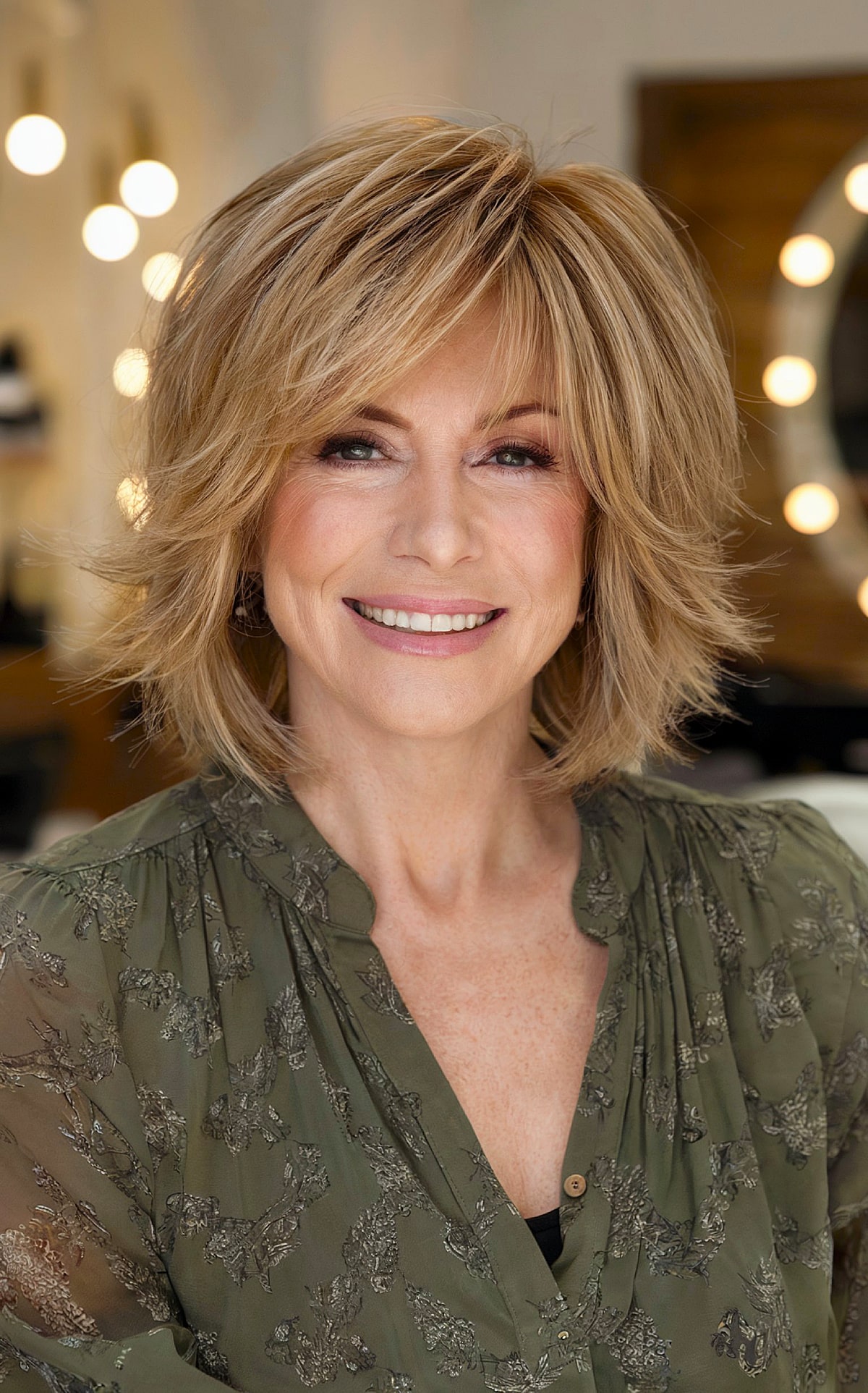
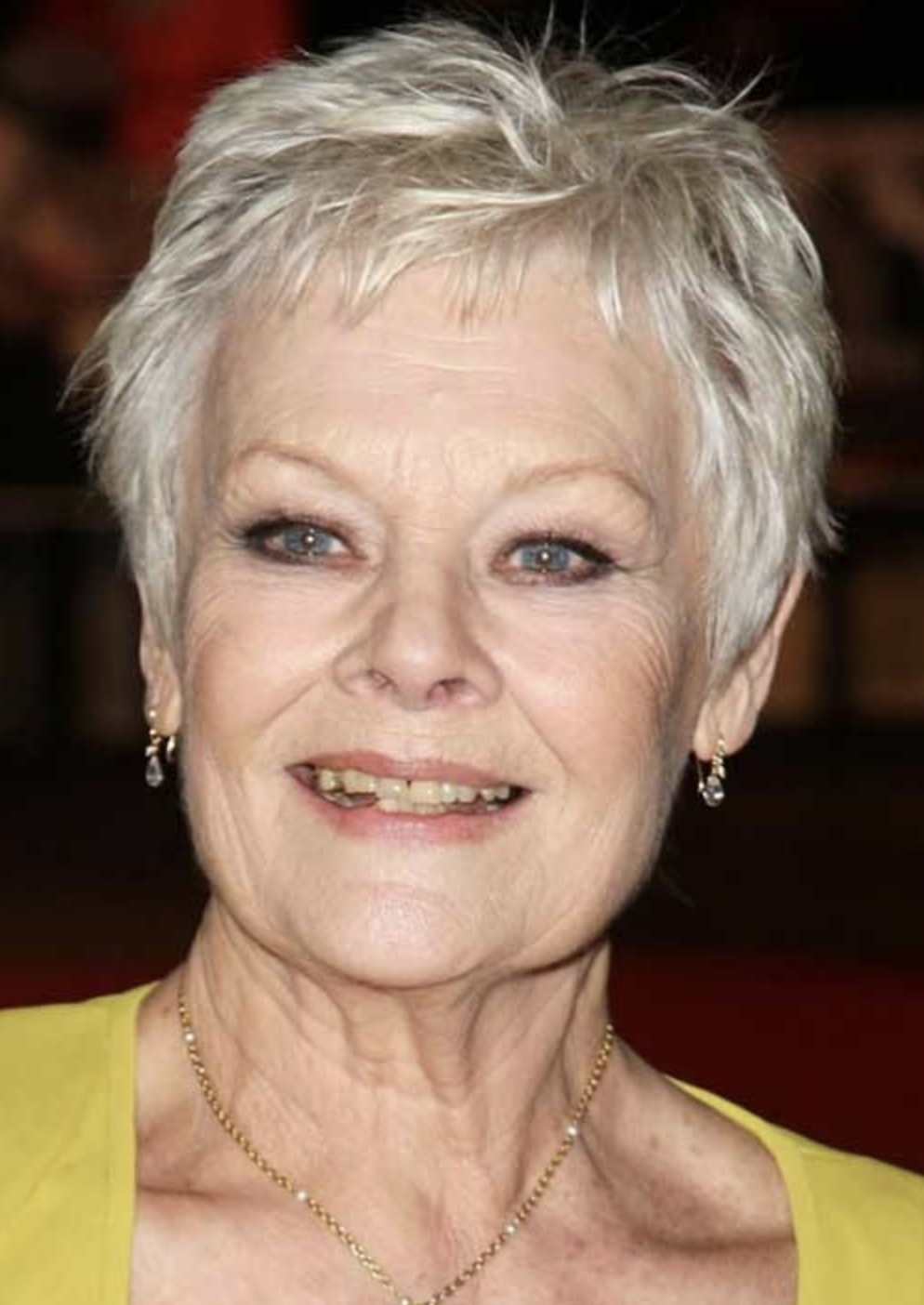
Styling fringe hair offers a versatile way to frame the face and enhance various hairstyles. Different fringe styles, such as blunt, wispy, or curtain bangs, can complement diverse face shapes and hair textures. For instance, side-swept bangs can soften angular features, while a full, straight fringe can create a bold, modern look.
Choosing a complementary fringe style can significantly impact one’s overall appearance. It can accentuate desirable features, balance proportions, and even create the illusion of a different face shape. Historically, fringe hairstyles have cycled through fashion trends, reflecting cultural and aesthetic shifts across different eras. Their enduring popularity stems from their ability to refresh a look without drastic changes to hair length.
This exploration will delve into various fringe styles, considering factors such as face shape, hair type, and maintenance requirements. It will also provide guidance on styling techniques and product recommendations to help individuals achieve their desired fringe look.
1. Face Shape
Selecting a fringe style that complements one’s face shape is paramount for a harmonious and flattering look. A well-chosen fringe can soften harsh angles, balance proportions, and enhance overall facial features. Careful consideration of face shape ensures the fringe contributes positively to the individual’s appearance.
-
Oval Faces
Oval faces are considered the most versatile, accommodating a wide array of fringe styles. From blunt, full fringes to wispy, side-swept bangs, most options tend to complement this shape. Examples include long, layered bangs that frame the cheekbones or a shorter, textured fringe for a more contemporary look.
-
Round Faces
For round faces, the goal is often to create the illusion of length and definition. Longer, side-swept bangs or curtain bangs that frame the face vertically can achieve this. Blunt, straight-across fringes are generally less suitable, as they can accentuate roundness. A textured, angled fringe can also add dimension and contour.
-
Square Faces
Softening the angles of a square face is often achieved through a fringe that rounds the forehead. Side-swept bangs, layered fringes, or arched bangs can help create a softer, more balanced appearance. Avoiding heavy, blunt fringes is generally recommended, as they can emphasize the jawline.
-
Heart-Shaped Faces
Heart-shaped faces typically feature a wider forehead and a narrower chin. A fringe that balances these proportions is ideal. Side-swept bangs, textured fringes, or curtain bangs that draw attention to the eyes can be flattering choices. Very short, blunt fringes may exaggerate the forehead’s width.
By understanding the interplay between face shape and fringe style, individuals can select a cut that enhances their features and creates a balanced, aesthetically pleasing look. Consulting with a stylist can provide personalized recommendations and ensure the chosen fringe complements the individual’s overall hairstyle and hair texture.
2. Hair Texture
Hair texture plays a crucial role in determining suitable fringe styles and achieving desired outcomes. The inherent characteristics of the hair, whether fine, medium, or thick, significantly influence how the fringe lies, its volume, and the styling techniques required. Understanding the interplay between hair texture and fringe style is essential for creating a look that is both flattering and manageable.
Fine hair often lacks volume, making it challenging to achieve full, bouncy fringes. Opting for lighter, wispy bangs or textured fringes can create the illusion of fullness without weighing the hair down. Blunt, heavy fringes may appear thin and stringy on fine hair. Conversely, thick hair can be prone to appearing bulky with a fringe. Thinning the hair at the ends of the fringe can reduce weight and prevent it from overwhelming the face. Layered or textured fringes can also work well with thick hair, adding movement and preventing a blocky appearance. Medium-textured hair offers more versatility, accommodating a wider range of fringe styles. However, considering the density and natural wave or curl pattern remains important. For example, individuals with naturally wavy or curly hair need to consider how the fringe will interact with their existing texture and whether they are prepared to straighten it regularly.
Successfully integrating a fringe into a hairstyle requires careful consideration of hair texture. This awareness ensures the chosen style is both aesthetically pleasing and practically manageable. Working with a stylist who understands the nuances of different hair textures can provide valuable guidance and ensure the final result complements the individual’s overall look. Ignoring the impact of hair texture can lead to a fringe that is difficult to style, requiring excessive product or heat styling, and ultimately detracting from the desired aesthetic.
3. Bangs Style
Bangs style is a pivotal element in achieving a cute haircut. The shape, length, and texture of the fringe significantly influence the overall aesthetic, framing the face and complementing the chosen haircut. Different bangs styles create distinct looks, ranging from soft and romantic to edgy and modern. Understanding the nuances of various bangs styles is essential for achieving the desired outcome and ensuring the fringe harmonizes with the individual’s features and hair type. For instance, blunt, heavy bangs can create a bold, dramatic statement, while wispy, textured bangs offer a softer, more ethereal feel. Similarly, curtain bangs, parted in the middle and framing the face on either side, evoke a 70s-inspired, bohemian vibe. The choice of bangs style directly impacts the overall impression of the haircut, making it a crucial consideration in achieving a cute and flattering look.
Several factors influence the suitability of different bangs styles. Face shape plays a significant role; longer, side-swept bangs often complement round faces, while blunt bangs can accentuate the angles of a square face. Hair texture also impacts how the fringe lies and the styling required; fine hair may benefit from wispy bangs to create the illusion of fullness, while thick hair may require thinning to prevent a bulky appearance. The overall haircut length and style further influence the choice of bangs style; a short, pixie cut may pair well with a textured, choppy fringe, while long, flowing hair might suit long, layered bangs. Considering these factors ensures the chosen bangs style enhances the overall haircut and creates a cohesive, stylish look. For example, pairing curtain bangs with long, layered hair can create a soft, romantic aesthetic, while combining blunt bangs with a bob can achieve a chic, modern look.
Selecting the right bangs style is crucial for achieving a cute and flattering haircut. By considering factors such as face shape, hair texture, and overall haircut style, individuals can choose a fringe that complements their features and enhances their desired aesthetic. Understanding the impact of different bangs styles empowers individuals to make informed decisions and collaborate effectively with stylists to achieve their desired look. A well-chosen fringe can transform a haircut from ordinary to extraordinary, adding personality, style, and a touch of cuteness. However, an ill-suited fringe can detract from the overall appearance, highlighting undesirable features or creating an unbalanced look. Therefore, careful consideration of bangs style is paramount in achieving a truly cute and flattering haircut.
4. Hair Length
Hair length significantly influences the overall aesthetic of haircuts incorporating bangs, impacting the balance, proportions, and overall style. The interplay between fringe length and overall hair length is crucial for achieving a harmonious and flattering look. A well-considered balance between these lengths can enhance facial features, create desired silhouettes, and complement individual style preferences. Understanding the relationship between hair length and fringe choice is essential for achieving a cohesive and aesthetically pleasing result.
-
Short Hair with Bangs
Short haircuts, such as pixie cuts or bobs, offer a dynamic canvas for various fringe styles. Short, textured bangs can add a playful, edgy element to a pixie cut, while a longer, side-swept fringe can soften the lines of a bob. The key is to ensure the fringe length complements the overall cut, creating a balanced and proportionate look. For example, a micro-fringe can create a bold statement with a pixie, while a brow-grazing fringe can add a touch of classic charm to a bob. Careful consideration of face shape and hair texture is essential when pairing bangs with short hair.
-
Medium-Length Hair with Bangs
Medium-length hair provides versatility in fringe choices. From curtain bangs that frame the face to choppy, textured fringes that add movement, the options are diverse. The length of the fringe can be adjusted to complement the layers and overall shape of the haircut. For instance, longer, blended bangs can create a seamless transition with layered shoulder-length hair, while a shorter, blunt fringe can add a modern edge to a one-length lob. The choice depends on the desired aesthetic and the individual’s features.
-
Long Hair with Bangs
Long hair offers a classic backdrop for various fringe styles. Long, layered bangs can blend seamlessly with cascading locks, creating a soft, romantic look. Alternatively, a shorter, blunt fringe can provide a striking contrast, adding a modern twist to a traditional long hairstyle. The fringe length can be adjusted to suit the individual’s face shape and hair texture. For example, long, wispy bangs can soften a strong jawline, while a full, straight fringe can accentuate the eyes.
-
Matching Bangs to Layers
The interplay between layers and bangs significantly impacts the overall harmony of a haircut. Matching the length and texture of the bangs to the existing layers can create a seamless, blended look. For example, if the hair has long, flowing layers, the bangs can be similarly long and layered to blend seamlessly. Conversely, if the haircut features shorter, choppy layers, a shorter, textured fringe can complement the overall style. Disconnecting the fringe length from the layering can sometimes create a disjointed or unbalanced appearance.
Harmonizing hair length and fringe style is crucial for a successful haircut. The length of the hair provides the foundation upon which the fringe is built, and the interplay between these lengths determines the overall balance and proportion of the style. By carefully considering the relationship between hair length, fringe style, face shape, and hair texture, individuals can achieve a cute and flattering look that complements their individual features and style preferences. A well-chosen fringe can enhance a haircut, adding personality, framing the face, and creating a stylish, cohesive look.
5. Maintenance Level
Maintenance level is a crucial factor to consider when choosing a haircut with bangs. Different fringe styles require varying degrees of upkeep, impacting daily styling routines and the frequency of salon visits. This consideration directly affects the long-term practicality and suitability of a particular fringe style for an individual’s lifestyle. Shorter, blunt bangs, for example, require frequent trims every two to three weeks to maintain their crisp line and prevent them from growing into the eyes. Longer, layered bangs offer more flexibility, requiring trims every four to six weeks. Ignoring the maintenance needs of a chosen fringe style can lead to an unkempt appearance and detract from the overall aesthetic of the haircut.
Several factors influence the maintenance level of a fringe. Hair texture plays a significant role; naturally curly or wavy hair may require more frequent styling to maintain a smooth, straight fringe, involving heat styling and specialized products. Similarly, individuals with oily hair may find their fringe requires more frequent washing, potentially leading to increased styling efforts. Lifestyle factors also contribute; an active lifestyle may necessitate a fringe style that requires minimal upkeep, while individuals with more time for styling can opt for more high-maintenance fringes. The chosen styling technique also impacts maintenance; achieving a sleek, polished fringe may involve daily heat styling and product application, while embracing a more natural, textured look may require less intensive maintenance. For instance, a textured, air-dried fringe requires significantly less effort than a perfectly straightened, sleek fringe.
Understanding the maintenance requirements associated with various fringe styles is essential for making informed decisions and ensuring long-term satisfaction with a haircut. Considering factors such as hair texture, lifestyle, and desired styling techniques allows individuals to choose a fringe that aligns with their available time and resources. A well-maintained fringe contributes significantly to a polished and stylish appearance, while a neglected fringe can detract from the overall aesthetic, regardless of how well-suited the initial cut may have been. Therefore, evaluating the maintenance level of a fringe is a crucial step in achieving and maintaining a cute and flattering haircut.
Cute Haircuts for Bangs
Achieving a flattering and stylish look with bangs requires careful consideration of various interconnected factors. Face shape, hair texture, desired fringe style, overall hair length, and anticipated maintenance level all contribute significantly to the final outcome. Harmonizing these elements ensures the chosen fringe complements individual features, enhances the overall hairstyle, and aligns with practical lifestyle considerations. A thorough understanding of these elements empowers informed decision-making, enabling individuals to collaborate effectively with stylists and achieve desired aesthetic goals. From softening facial features to adding a touch of personality, a well-chosen fringe can transform a haircut. Conversely, neglecting these considerations can lead to a fringe that detracts from the overall appearance, requiring excessive styling efforts or frequent adjustments.
Ultimately, the pursuit of cute haircuts with bangs represents a delicate balance between aesthetic aspirations and practical realities. Careful consideration of individual features, lifestyle, and desired aesthetic outcomes is essential for achieving a look that is both stylish and sustainable. The transformative potential of a well-chosen fringe underscores the importance of informed decision-making and highlights the power of collaboration between individuals and skilled stylists. A thoughtful approach to incorporating bangs into a haircut can result in a look that is not only cute but also flattering, manageable, and expressive of individual style.