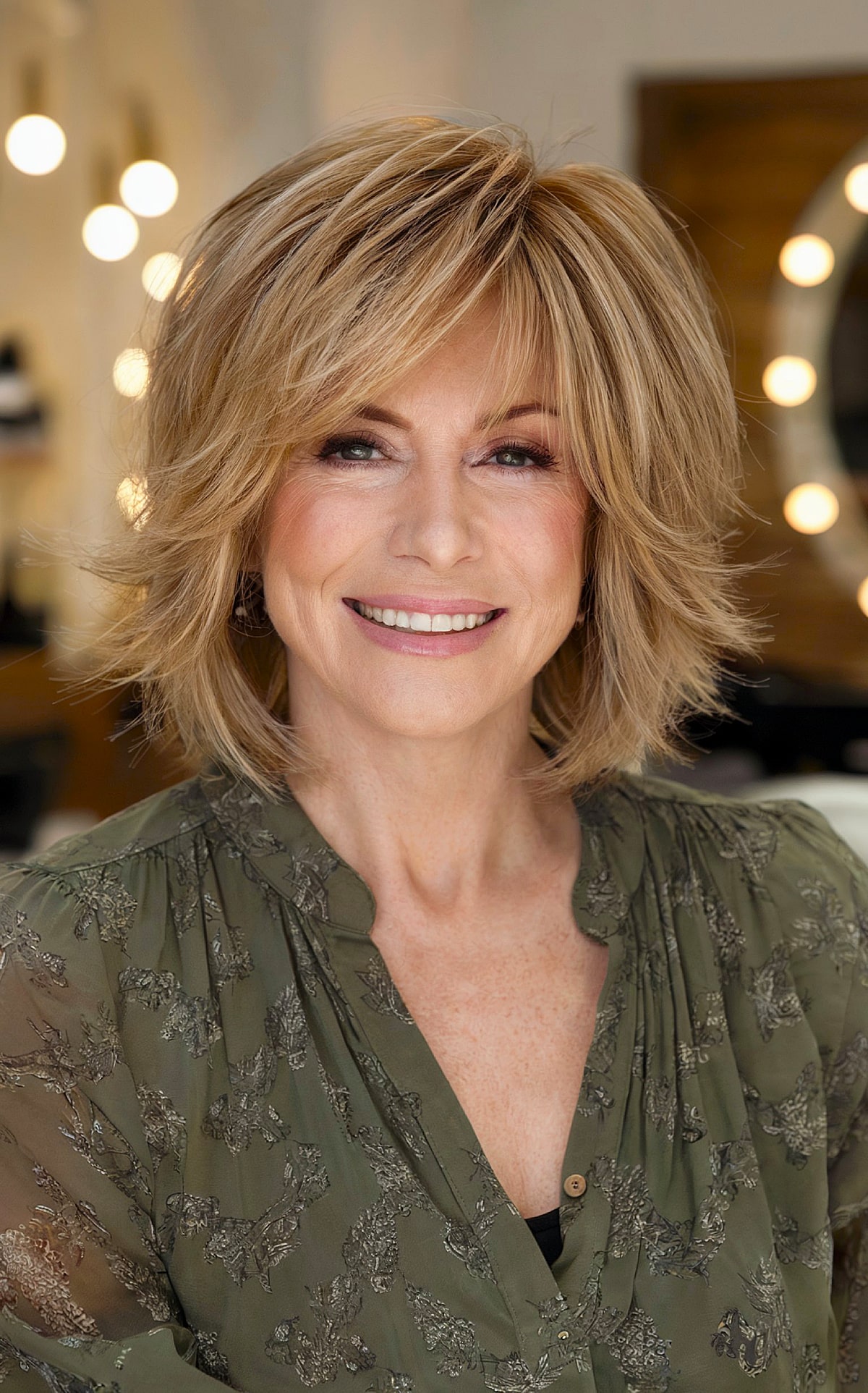
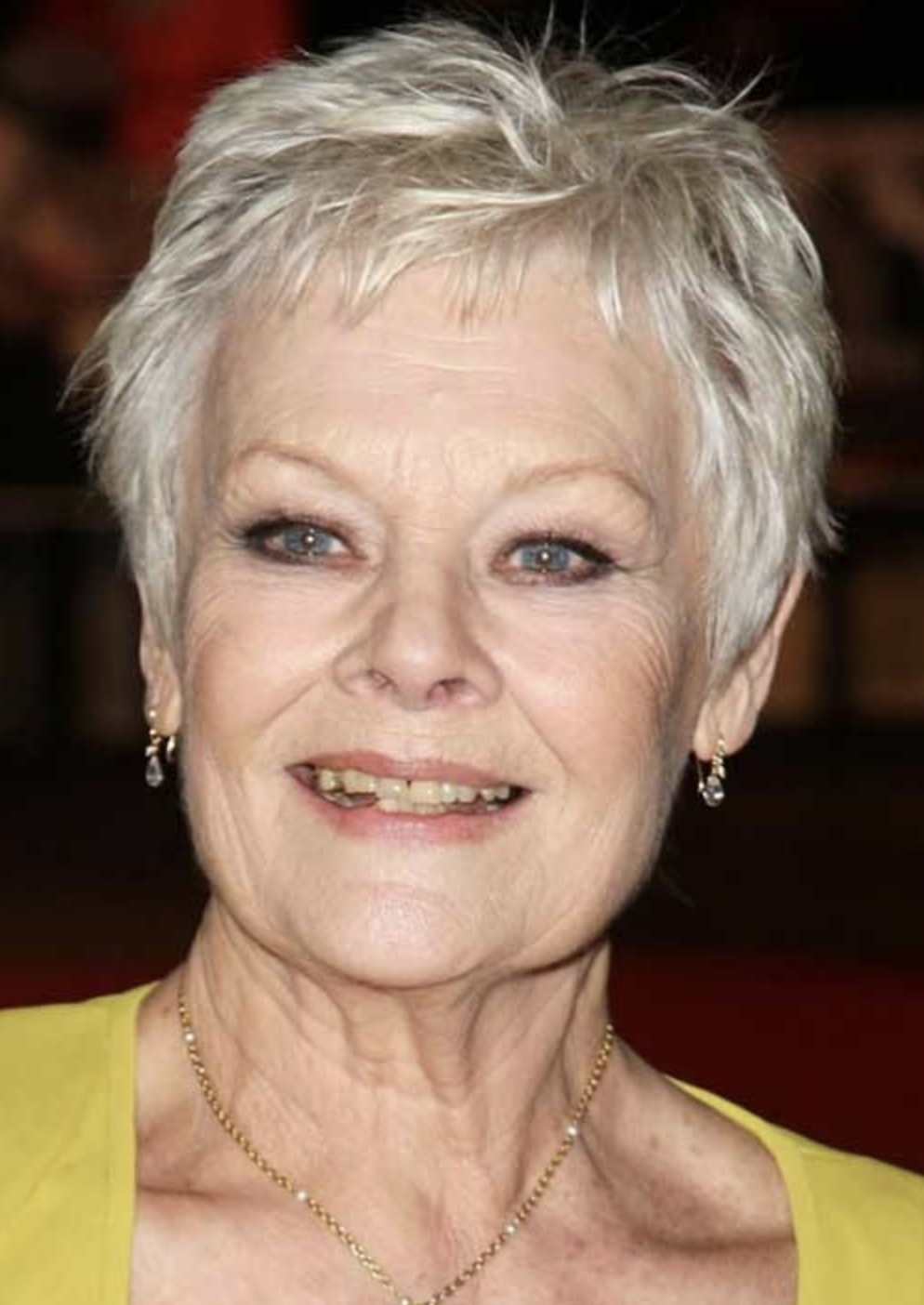
Creating flattering hairstyles for individuals with elongated facial structures involves careful consideration of proportion and balance. For example, styles that add volume at the sides, such as waves or curls, can create the illusion of width, while avoiding excessive height on top can prevent the face from appearing even longer. Layered cuts can also soften the features and add dimension.
Selecting an appropriate hairstyle is crucial for enhancing overall appearance and boosting confidence. A well-chosen cut and style can visually harmonize facial features, creating a more balanced and aesthetically pleasing look. Throughout history, hairstyles have been used to modify and enhance perceived facial shapes, reflecting evolving beauty standards and cultural influences. A balanced appearance has consistently been a desired aesthetic, and achieving it often involved strategically styling hair to complement individual facial structures.
This article will further explore various styling techniques, cuts, and considerations for those seeking the most flattering hairstyles for a long face shape. Specific recommendations and visual examples will be provided to guide readers in making informed choices.
1. Face-Framing Layers
Face-framing layers play a crucial role in balancing the proportions of a long face. These strategically cut layers, typically starting around the cheekbones or chin, create the illusion of width and softness, counteracting the vertical emphasis of an elongated face shape. The layers draw attention outwards, minimizing the appearance of length. For instance, incorporating layers that gently curve inwards towards the jawline can create a subtle roundness, softening angular features often associated with long faces. The effect is further enhanced when combined with styles that add volume at the sides, such as loose waves or curls.
The specific placement and length of face-framing layers can be tailored to individual features and desired outcomes. Shorter layers at the crown can add lift and volume, while longer layers around the jawline create a softer, more rounded silhouette. Consider the overall hair length and texture when incorporating face-framing layers. For example, in longer hairstyles, incorporating gradual layers starting below the chin can prevent the hair from appearing too heavy and further elongating the face. In shorter styles, like a bob, carefully placed layers around the face can add movement and texture without sacrificing volume.
Understanding the impact of face-framing layers provides a valuable tool for achieving a harmonious and balanced look. Careful consideration of layer placement, length, and overall hairstyle ensures that these layers effectively complement a long face shape. This approach allows for personalized styling choices that enhance individual features and create a more flattering overall appearance. Neglecting the strategic use of face-framing layers can inadvertently emphasize length, potentially resulting in a less balanced look. Therefore, incorporating this technique is essential for achieving the desired visual harmony and enhancing the overall effectiveness of hairstyles designed for long faces.
2. Width-Adding Volume
Creating the illusion of width is a central concern when styling a long face. Volume, strategically placed, plays a crucial role in achieving this balance. It counteracts the vertical emphasis of a long face, creating a more harmonious and oval appearance. Understanding the principles of width-adding volume allows for informed styling choices that enhance facial features and overall appearance.
-
Waves and Curls
Waves and curls, particularly around the cheekbones and jawline, add fullness and create a horizontal focus, effectively widening the face. Loose, flowing waves are generally more flattering than tight curls, which can sometimes appear overwhelming. The size and placement of the curls should be carefully considered; for example, larger, looser waves starting below the ears create a soft, romantic look, while smaller, tighter curls closer to the face add more texture and definition.
-
Layered Cuts
Layered haircuts contribute significantly to creating volume, especially when combined with styling techniques that enhance texture. Layers remove weight from the hair, allowing for more lift and movement. Shorter layers at the crown create volume at the top, while longer layers at the sides and bottom add fullness without creating excessive height. The combination of layers and volume creates a balanced silhouette that complements a long face.
-
Styling Techniques and Products
Specific styling techniques and products can further enhance volume. Blow-drying with a round brush, using volumizing mousses or sprays, and teasing the hair at the roots can all contribute to a fuller appearance. The choice of technique and product depends on hair type and desired style; for example, fine hair may benefit from lightweight mousses and gentle teasing, while thicker hair may require stronger hold products and more vigorous styling. Understanding these techniques and products allows for personalized styling that maximizes volume and complements individual hair characteristics.
-
Placement of Volume
The strategic placement of volume is crucial for balancing a long face. Concentrating volume at the sides of the face, rather than on top, creates width and minimizes the appearance of length. Avoid styles that add significant height at the crown, as this can further elongate the face. For instance, a voluminous side-swept bang adds width and softens the forehead, while a high, teased crown can exacerbate the length of the face. Careful consideration of volume placement ensures a balanced and flattering outcome.
By understanding and applying these principles of width-adding volume, individuals with long faces can create hairstyles that enhance their features and achieve a more balanced, harmonious overall look. Each of these elements contributes to the overall effectiveness of a hairstyle, demonstrating the interconnectedness of volume, shape, and proportion in achieving a flattering look for a long face.
3. Avoid Excessive Height
Excessive height in hairstyles accentuates the length of a long face, disrupting the desired balance and harmony. Volume concentrated on the crown creates a vertical emphasis, further elongating the face and potentially making features appear disproportionate. This effect contrasts with the goal of creating width and softening angularity, which are key considerations when styling for a long face shape. For example, a high bouffant or a tall updo adds unnecessary height, drawing the eye vertically and emphasizing length. Conversely, styles that keep the hair close to the head at the crown, such as sleek ponytails or low buns, minimize vertical emphasis and maintain a more balanced appearance. The relationship between height and facial length is crucial for achieving a flattering and harmonious look.
Understanding the impact of height allows for strategic styling choices that complement, rather than detract from, a long face. Opting for hairstyles that minimize height at the crown while adding volume at the sides creates the illusion of width, counteracting the vertical emphasis of the face shape. Consider, for example, a sleek, side-parted bob or a low, loose bun with face-framing tendrils. These styles maintain a balanced silhouette without adding unnecessary height. Conversely, styles that feature significant volume at the crown, such as teased updos or high ponytails, can exacerbate the length of the face, creating a less harmonious overall appearance. The practical application of this understanding empowers individuals to make informed styling choices that enhance their features.
Managing height is a fundamental element in creating flattering hairstyles for long faces. The interplay between vertical and horizontal emphasis significantly impacts overall balance and proportion. By avoiding excessive height and strategically incorporating volume at the sides, individuals can achieve a more harmonious and aesthetically pleasing look. This principle underscores the importance of considering facial shape when selecting a hairstyle and highlights the significant impact of seemingly subtle styling choices on overall appearance.
4. Textured Styles
Textured styles offer significant benefits for individuals with long face shapes. Texture disrupts the vertical line of a long face, creating the illusion of width and adding dimension. This disruption minimizes the appearance of length, contributing to a more balanced and harmonious overall look. The interplay of light and shadow within textured hair further softens features and adds visual interest. Styles like choppy layers, piece-y bangs, or tousled waves introduce textural variation, effectively diverting attention from facial length. For example, a long, layered cut with textured ends adds movement and volume around the face, effectively widening its appearance. Conversely, a sleek, straight style can emphasize length, potentially creating an imbalance.
The strategic use of texturizing techniques further enhances the effectiveness of textured styles. Techniques such as point cutting, slide cutting, and razor cutting create varied lengths and movement within the hair, amplifying texture and dimension. These techniques, combined with appropriate styling products like texturizing sprays or mousses, allow for a personalized approach to creating texture that complements individual hair type and desired style. For instance, finer hair may benefit from light texturizing sprays and subtle layering, while thicker hair may require more aggressive texturizing techniques and stronger hold products. Understanding these techniques and product choices empowers individuals to maximize the benefits of textured styles. The choice of styling products significantly influences the final look and longevity of the textured style.
The incorporation of texture is a valuable tool for balancing and flattering a long face shape. Textured styles effectively disrupt the vertical emphasis of a long face, creating the illusion of width and adding visual interest. This understanding allows for informed styling choices that enhance features and contribute to a more harmonious overall appearance. The careful consideration of texturizing techniques and appropriate styling products ensures that textured styles effectively complement individual hair characteristics and desired aesthetic outcomes. Neglecting the potential of texture can result in hairstyles that inadvertently emphasize length, hindering the achievement of a balanced and flattering look.
Conclusion
Careful consideration of proportion and balance is essential when selecting hairstyles for a long face. This article explored the importance of face-framing layers, width-adding volume, avoiding excessive height, and incorporating textured styles. These elements work synergistically to create the illusion of width, soften features, and achieve a more harmonious overall appearance. Strategic styling choices, informed by an understanding of these principles, empower individuals to enhance their natural features and project confidence.
Ultimately, the most flattering hairstyle for a long face is one that complements individual features and personal style. By applying the principles discussed, individuals can confidently explore various styles and achieve a look that enhances their unique beauty. Further exploration of individual hair texture, density, and personal preferences allows for a truly personalized and empowering approach to hairstyling.