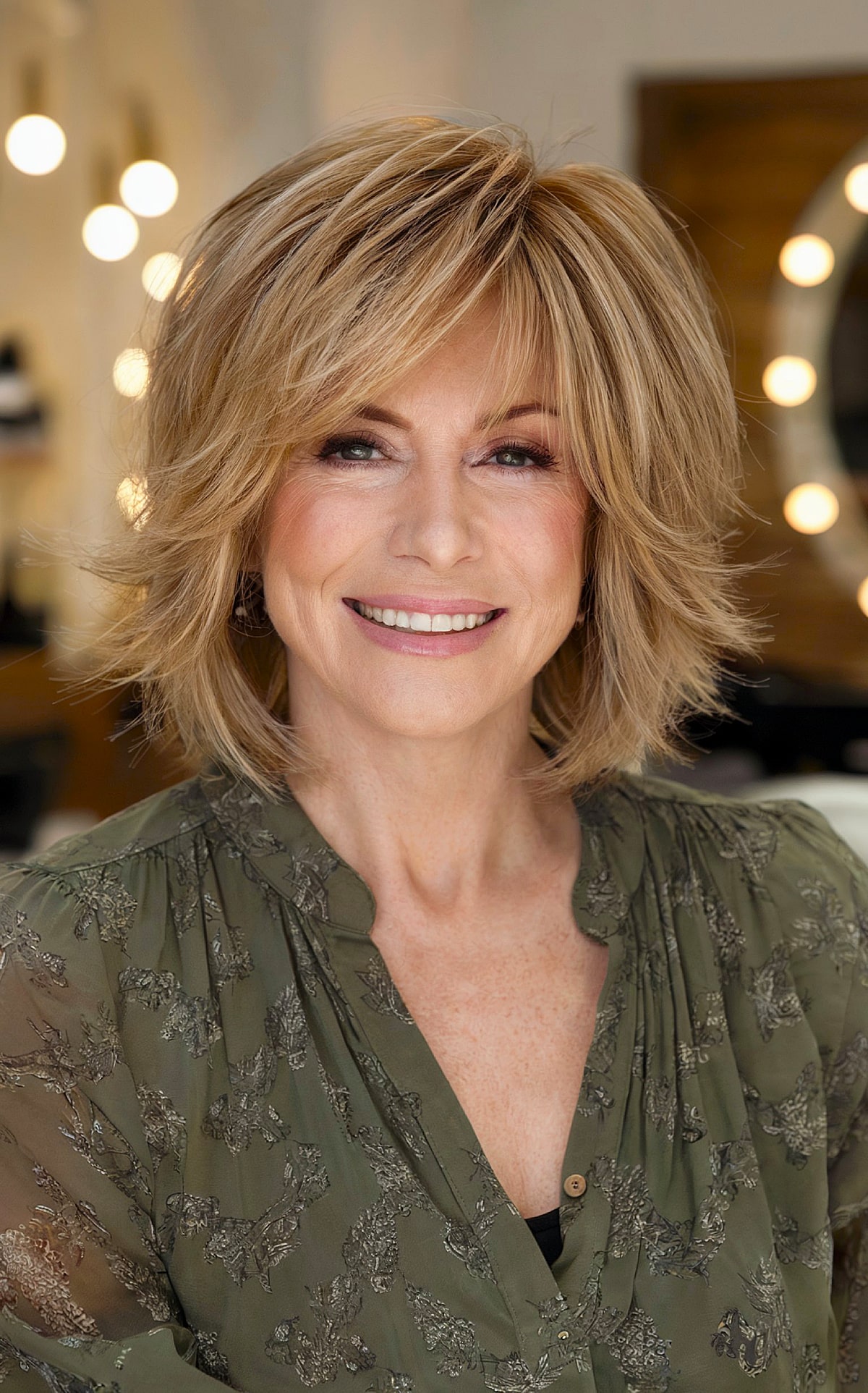
Lightening sections of dark hair creates contrast and dimension, adding depth and visual interest. This technique can range from subtle, sun-kissed streaks to bold, vibrant pops of color, utilizing various methods like balayage, foil highlights, or hair painting. An example includes adding caramel-toned streaks to naturally dark hair for a warmer, multi-dimensional look.
This process offers significant aesthetic advantages, allowing individuals to personalize their appearance and express their style. It can enhance facial features, soften harsh lines, and even create the illusion of more volume. Historically, altering hair color has signified status, group affiliation, or rites of passage across diverse cultures. For individuals with naturally dark hair, lightening strands offers a way to embrace contemporary trends while maintaining a connection to personal heritage and evolving beauty standards.
The following sections will explore the diverse techniques used to achieve this effect, discuss suitable color choices for various skin tones, and provide guidance on maintenance and aftercare.
1. Color Selection
Color selection plays a pivotal role in the final outcome when lightening sections of dark hair. The chosen hue significantly impacts the overall aesthetic, influencing how the highlights interact with natural hair color and skin tone. Harmonious color choices create a seamless blend, enhancing natural features and adding dimension. Conversely, poorly chosen colors can appear jarring and unnatural. For example, individuals with cool undertones might opt for ash browns or cool blondes, while those with warmer undertones could consider golden browns, caramels, or honey hues. Selecting colors within a similar tonal family often yields the most flattering results.
Several factors influence optimal color selection. These include the base hair color, the desired level of contrast, and the client’s complexion. A thorough consultation with a skilled colorist is essential to determine the most suitable shades. Understanding the interplay of warm and cool tones is crucial. For instance, applying warm highlights to cool-toned hair can create unwanted brassiness, while cool highlights on warm-toned hair might appear dull or ashy. Careful consideration of these nuances is critical for achieving the desired effect.
Achieving a natural-looking result requires a nuanced approach to color selection. Highlights should complement, not clash with, the existing hair color. The placement and intensity of the highlights also play a significant role. Subtle, strategically placed highlights can create a sun-kissed effect, while bolder, more dramatic highlights offer a more transformative look. Ultimately, successful color selection enhances the client’s overall appearance, creating a cohesive and flattering look that complements their unique features.
2. Technique Choice
The technique employed to lighten sections of dark hair significantly influences the final appearance. Different methods produce distinct effects, impacting the placement, intensity, and overall blend of the highlights. Selecting the appropriate technique is crucial for achieving the desired aesthetic, considering factors such as hair texture, density, and the client’s desired level of maintenance.
-
Foil Highlights
Foil highlights involve sectioning the hair and placing the selected strands onto foils. A lightening agent is then applied, and the foil is folded to contain the product and control the lightening process. This technique allows for precise placement and control over the lift, making it suitable for creating defined, uniform highlights, especially for dramatic transformations or achieving very light blonde shades on dark hair.
-
Balayage
Balayage is a freehand technique where the lightener is painted directly onto the hair’s surface. This method creates a more natural, sun-kissed effect with softer, blended highlights. Balayage offers versatility, allowing for customized placement and a gradual transition between colors, resulting in a lower-maintenance look that grows out naturally. It’s particularly suited for creating dimensional brunettes or subtle, sunkissed blondes.
-
Hair Painting
Similar to balayage, hair painting offers more control over color placement due to the use of a paddle or other flat surface. Hair is spread onto the paddle, and the lightener is applied strategically. This technique provides a balance between the precision of foils and the natural look of balayage, offering greater artistic freedom for bespoke highlight placement.
-
Frosting
Frosting involves pulling small, fine strands of hair through a perforated cap and applying the lightener. This technique creates a very subtle, all-over lightening effect, often used to add dimension and subtle shimmer to dark hair. It’s less commonly used now, often replaced by more modern techniques offering greater control and precision.
The choice between these techniques depends on the desired aesthetic, hair type, and level of maintenance. Consulting with a stylist is crucial for determining the most suitable approach. While foil highlights offer precision and control, balayage and hair painting provide softer, more natural looks. Understanding the nuances of each technique allows for informed decisions that align with individual hair goals and lifestyles.
3. Hair Health
Maintaining optimal hair health is paramount when lightening sections of dark hair. The chemical processes involved can compromise the hair’s structural integrity, leading to dryness, breakage, and decreased elasticity. Prioritizing hair health before, during, and after the highlighting process ensures long-term hair vitality and minimizes potential damage. A proactive approach to hair care safeguards against adverse effects, allowing individuals to enjoy the aesthetic benefits of highlights without compromising the overall health and integrity of their hair.
-
Pre-Treatment Conditioning
Strengthening the hair before chemical processing is essential. Regular deep conditioning treatments in the weeks leading up to the highlighting service fortify the hair shaft, improving its resilience to the chemical stressors involved. Hydrated, well-nourished hair is better equipped to withstand the lightening process, minimizing damage and breakage.
-
Protein Treatments
Protein treatments help reinforce the hair’s structure, mitigating the weakening effects of chemical processing. Incorporating protein treatments into the hair care routine, both before and after highlighting, strengthens the hair bonds, reducing breakage and promoting overall hair health. These treatments help rebuild and repair the hair, maintaining its strength and elasticity.
-
Gentle Cleansing and Conditioning
Utilizing sulfate-free shampoos and moisturizing conditioners helps preserve the hair’s natural oils and maintain hydration levels post-treatment. These gentle products minimize further stress on the hair, preventing excessive dryness and promoting long-term hair health. Choosing products specifically formulated for color-treated hair helps maintain the vibrancy and longevity of the highlights while providing essential nourishment.
-
Heat Protection
Minimizing heat styling and using heat protectant products is crucial for preserving the integrity of highlighted hair. Excessive heat can exacerbate dryness and damage, leading to breakage and dullness. Protecting the hair from heat styling tools helps maintain its strength and shine, preserving the overall health and appearance of the highlights. Examples include using lower heat settings on styling tools and applying heat protectant sprays or serums before styling.
By addressing these aspects of hair health, individuals can minimize potential damage and maintain vibrant, healthy-looking hair after highlighting. These proactive measures ensure that the pursuit of aesthetic enhancements does not compromise the long-term health and integrity of the hair. Neglecting these precautions can result in dry, brittle hair, breakage, and fading color, ultimately diminishing the desired aesthetic outcome. Prioritizing hair health is therefore an integral component of achieving and maintaining beautiful, healthy highlights.
Highlights for Black Hair
Achieving aesthetically pleasing and healthy highlights on dark hair necessitates a comprehensive approach encompassing careful color selection, appropriate technique choice, and diligent maintenance. Harmonizing chosen hues with natural undertones and complexion is paramount. Selecting the correct technique, be it balayage, foil highlights, or hair painting, influences the final look and longevity of the color. Furthermore, prioritizing hair health through pre- and post-treatment conditioning, protein treatments, and minimizing heat styling ensures the long-term vitality of the hair.
Ultimately, the transformative potential of highlights extends beyond mere aesthetics, offering individuals a powerful medium of self-expression and stylistic exploration. Embracing a holistic approach that prioritizes both artistry and hair health empowers individuals to achieve desired results while maintaining the integrity and vitality of their hair. This understanding fosters a sustainable approach to hair coloring, ensuring long-term hair health and continued enjoyment of the aesthetic benefits.