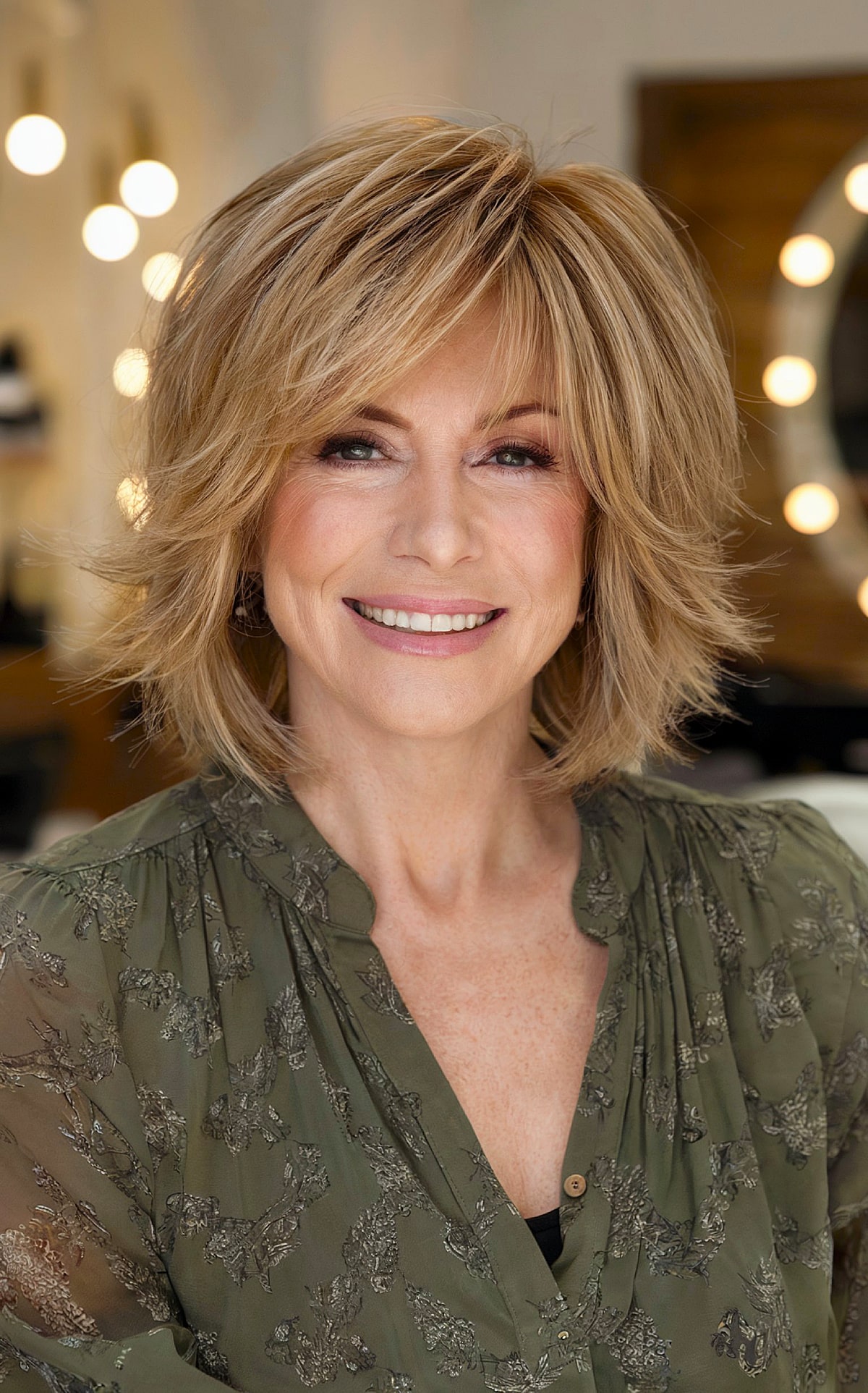
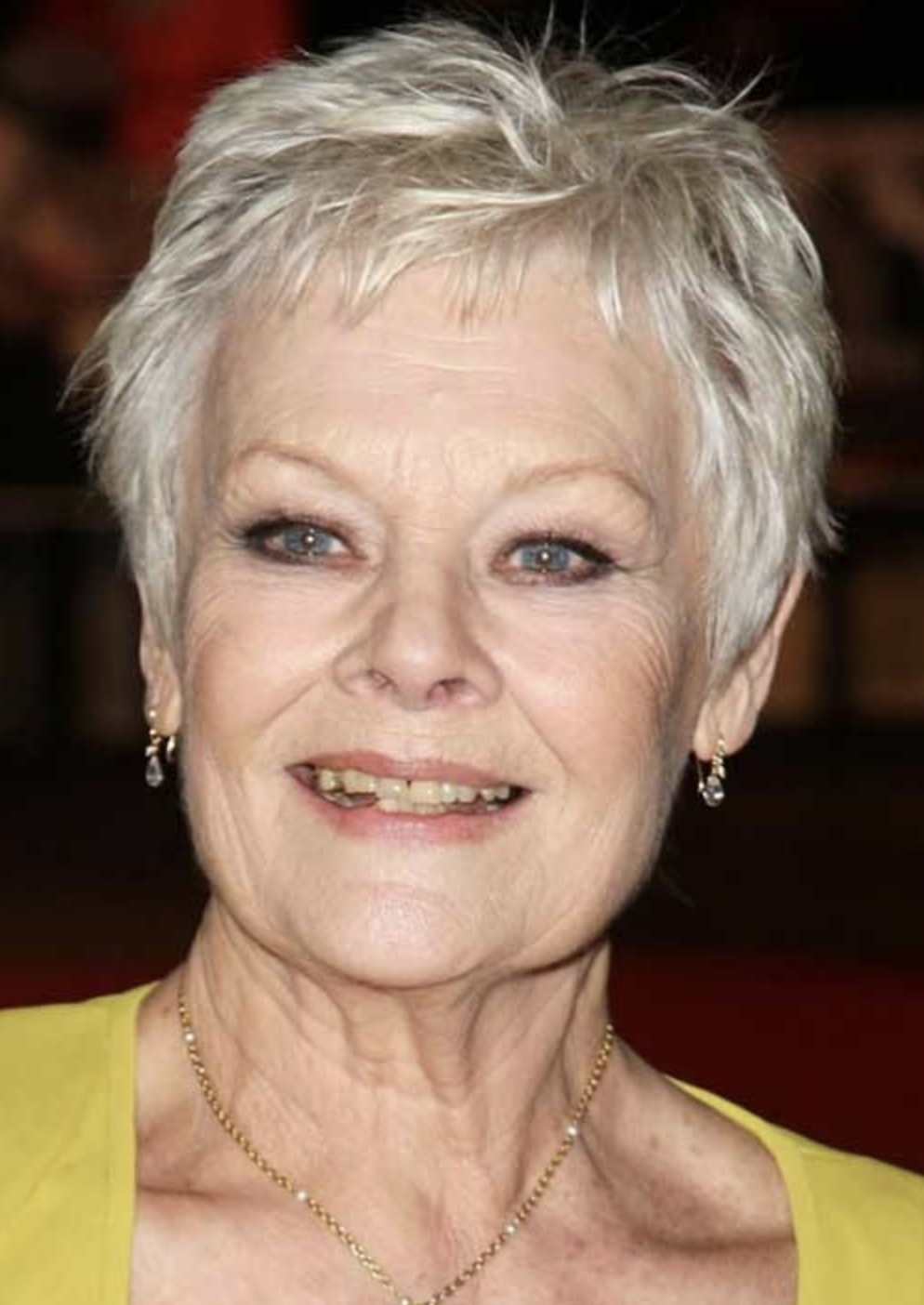
This style involves closely cropped hair at the back and sides, maintaining slightly longer lengths on top. A key characteristic is the incorporation of bangs that extend past the eyebrows, often sweeping across the forehead or styled to frame the face. This creates a dynamic contrast between the short, textured back and the longer, softer fringe. The cut offers versatility, adaptable to various hair textures and face shapes. A textured pixie with long, side-swept bangs, for instance, can add volume and soften angular features.
The enduring appeal of this hairstyle lies in its ability to blend classic femininity with a modern edge. The juxtaposition of short and long elements adds a touch of sophistication and intrigue, while the minimal length offers easy maintenance and styling. Historically, shorter hairstyles for women gained popularity in the early to mid-20th century, representing a shift towards practicality and individual expression. The pixie cut, in particular, became an iconic symbol of independence and confidence. The addition of long bangs provides a contemporary twist on this classic look, allowing for greater personalization and adaptability to current trends.
Further exploration will delve into specific styling techniques, product recommendations for various hair types, and considerations for choosing variations of this cut to best complement individual facial features and lifestyles.
1. Face Shape Suitability
Face shape plays a crucial role in determining whether a short pixie cut with long bangs will be flattering. The goal is to create balance and harmony, highlighting positive features while softening any perceived imbalances. This style can be adapted to suit a variety of face shapes through careful consideration of bang length, texture, and overall silhouette.
Oval faces generally suit most hairstyles, and the pixie with long bangs is no exception. The bangs can be styled in various ways, from a sweeping side fringe to a choppy, textured look. Round faces can benefit from longer, side-swept bangs that create the illusion of length and slim the face. The added height on top, characteristic of the pixie, further enhances this effect. Square faces can be softened by textured, layered bangs that break up the angular jawline. Heart-shaped faces are often complemented by long, wispy bangs that draw attention to the eyes and cheekbones, balancing the wider forehead. For those with longer faces, a heavier, straight-across fringe can create the illusion of a shorter face, while still maintaining the chicness of the pixie cut.
Careful consideration of face shape ensures the chosen pixie variation enhances individual features. Consulting a stylist experienced in working with short hair and different face shapes is recommended. A skilled stylist can tailor the cut and bang style to create a look that is both fashionable and flattering.
2. Hair Texture
Hair texture significantly influences the suitability and styling of short pixie hairstyles with long bangs. Understanding one’s hair texturewhether fine, medium, or thickis crucial for achieving the desired look and ensuring manageability. Texture affects how the hair holds its shape, responds to styling products, and interacts with the overall cut.
Fine hair, often lacking volume, can benefit from this style. The longer bangs add weight and create the illusion of fullness around the face. Texturizing techniques, such as layering and point-cutting, can further enhance volume and prevent the style from appearing flat. Thick hair, conversely, may require more thinning or texturizing to prevent the pixie from looking too bulky or overwhelming. Long bangs in thicker hair can be styled with a deep side part or textured to create movement and prevent a heavy, blocky appearance. Medium-textured hair offers versatility, adaptable to various bang styles and lengths. This texture typically holds styles well and requires less intensive texturizing compared to thick hair.
Choosing the right styling products and techniques is essential for managing different hair textures within this cut. Fine hair may benefit from volumizing mousses and sprays to enhance body and lift. Thick hair may require smoothing serums or creams to control frizz and add definition. Regular trims are essential for all hair textures to maintain the shape and prevent the bangs from becoming overgrown. Consultation with a stylist experienced in working with various hair textures is recommended to determine the most suitable pixie variation and styling approach.
3. Styling Techniques
Styling techniques are integral to maximizing the versatility and aesthetic potential of short pixie hairstyles with long bangs. The interplay between cut and style determines the final look, ranging from classic and sleek to edgy and textured. The length and texture of the bangs, combined with the overall shortness of the pixie, offer numerous styling options. A deep side part with sleek, straightened bangs creates a polished, sophisticated look. Conversely, tousled, textured bangs styled with a texturizing product offer a more casual, undone vibe. Adding volume at the crown through backcombing or volumizing products enhances the contrast between the short back and the longer bangs, creating a balanced and dynamic silhouette.
Consider the impact of styling choices on different face shapes. A round face benefits from height and volume on top, achieved through styling techniques like blow-drying with a round brush or using volumizing products. Longer, side-swept bangs further elongate the face. For square faces, softening the angles is key. Textured, piecey bangs styled away from the face can achieve this. Styling plays a crucial role in emphasizing desirable features and balancing proportions. The use of heat styling tools, such as flat irons or curling wands, allows for further customization, creating waves, curls, or sleek, straight looks. However, heat protection products are essential to minimize damage.
Mastering styling techniques specific to this cut empowers individuals to personalize their look and adapt the style for various occasions. Experimentation with different products, tools, and techniques is encouraged. Understanding the interplay between hair texture, face shape, and styling techniques unlocks the full potential of the short pixie with long bangs, ensuring a look that is both fashionable and individually flattering. Consultation with a stylist can provide personalized guidance on suitable styling techniques and product recommendations based on individual hair characteristics and desired aesthetic.
4. Maintenance
Maintaining a short pixie hairstyle with long bangs requires consistent effort to preserve its shape and overall appearance. Regular upkeep ensures the style remains polished and prevents it from looking overgrown or unkempt. Several key factors contribute to successful maintenance, encompassing both professional salon visits and at-home care.
-
Regular Trims
Frequent trims are crucial for maintaining the shape and preventing the bangs from becoming too long. Generally, trims are recommended every 4-6 weeks, depending on individual hair growth rates. Regular trims also help maintain the textured layers characteristic of the pixie cut, preventing the style from appearing flat or losing its definition. Consistent trimming ensures the overall silhouette remains sharp and prevents the longer bangs from overwhelming the face.
-
Styling Product Use
Appropriate styling products are essential for managing the short layers and bangs. Products such as texturizing sprays, mousses, and pomades can add volume, control frizz, and define individual pieces, enhancing the overall look. The choice of product depends on individual hair texture and desired style. Fine hair benefits from volumizing products, while thicker hair may require smoothing or texturizing products to prevent bulkiness. Proper product application techniques ensure optimal results and prevent product buildup, which can weigh down the hair and compromise the style.
-
Home Styling Techniques
Developing proficiency in at-home styling techniques contributes significantly to maintaining the desired look. Simple techniques such as blow-drying with a round brush to create volume or using a flat iron to smooth and style the bangs can make a substantial difference in the overall appearance. Understanding how to use styling tools effectively minimizes damage and maximizes control over the style. Practicing these techniques ensures consistent results and allows for effortless daily styling.
-
Scalp Health
Maintaining a healthy scalp is fundamental to overall hair health and appearance, particularly with shorter styles. Regular cleansing with a gentle shampoo and conditioner appropriate for individual hair type removes product buildup and excess oils, promoting healthy hair growth. Addressing any scalp issues promptly prevents potential problems that could impact the appearance and manageability of the pixie cut. A healthy scalp contributes to the overall vibrancy and shine of the hair, enhancing the style’s visual impact.
These maintenance practices, when implemented consistently, ensure the short pixie with long bangs remains a stylish and manageable choice. The combined approach of professional salon care and diligent at-home maintenance contributes to the longevity and aesthetic appeal of this versatile cut.
Short Pixie Hairstyles with Long Bangs
This exploration has provided a comprehensive overview of short pixie hairstyles with long bangs, encompassing considerations of face shape, hair texture, styling techniques, and maintenance. The adaptability of this style to various individual characteristics has been highlighted, emphasizing the importance of tailoring the cut and styling approach to achieve a flattering and harmonious look. Understanding the interplay between these elements allows for informed decision-making and successful execution of this versatile and dynamic hairstyle.
Ultimately, the enduring appeal of the short pixie with long bangs lies in its ability to merge classic elements with contemporary trends, offering a look that is both chic and practical. Careful consideration of the factors discussed empowers individuals to embrace this style with confidence and achieve a personalized expression of individuality. Further exploration of individual preferences and consultation with experienced stylists can refine these principles, ensuring a truly bespoke and satisfying outcome.