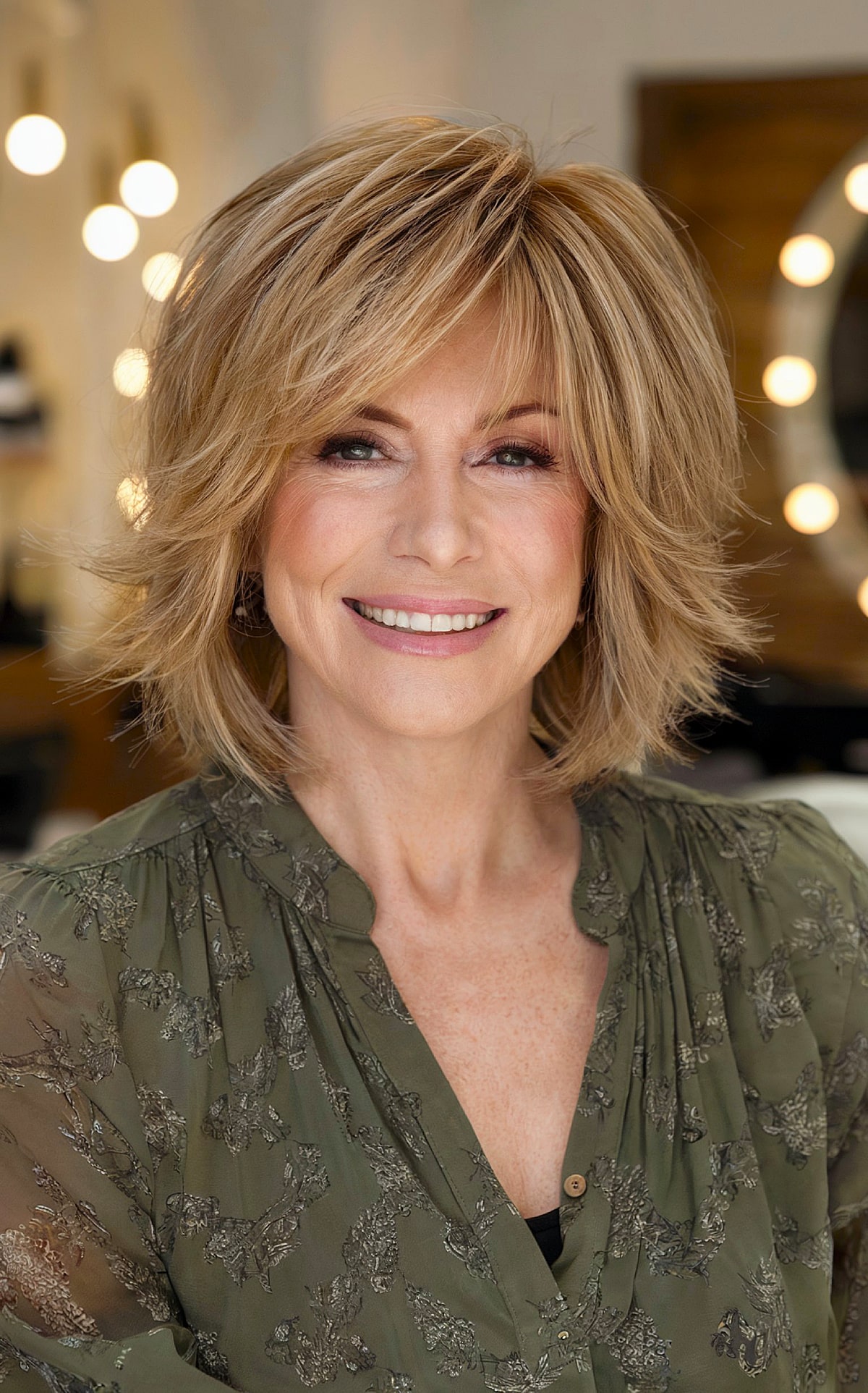
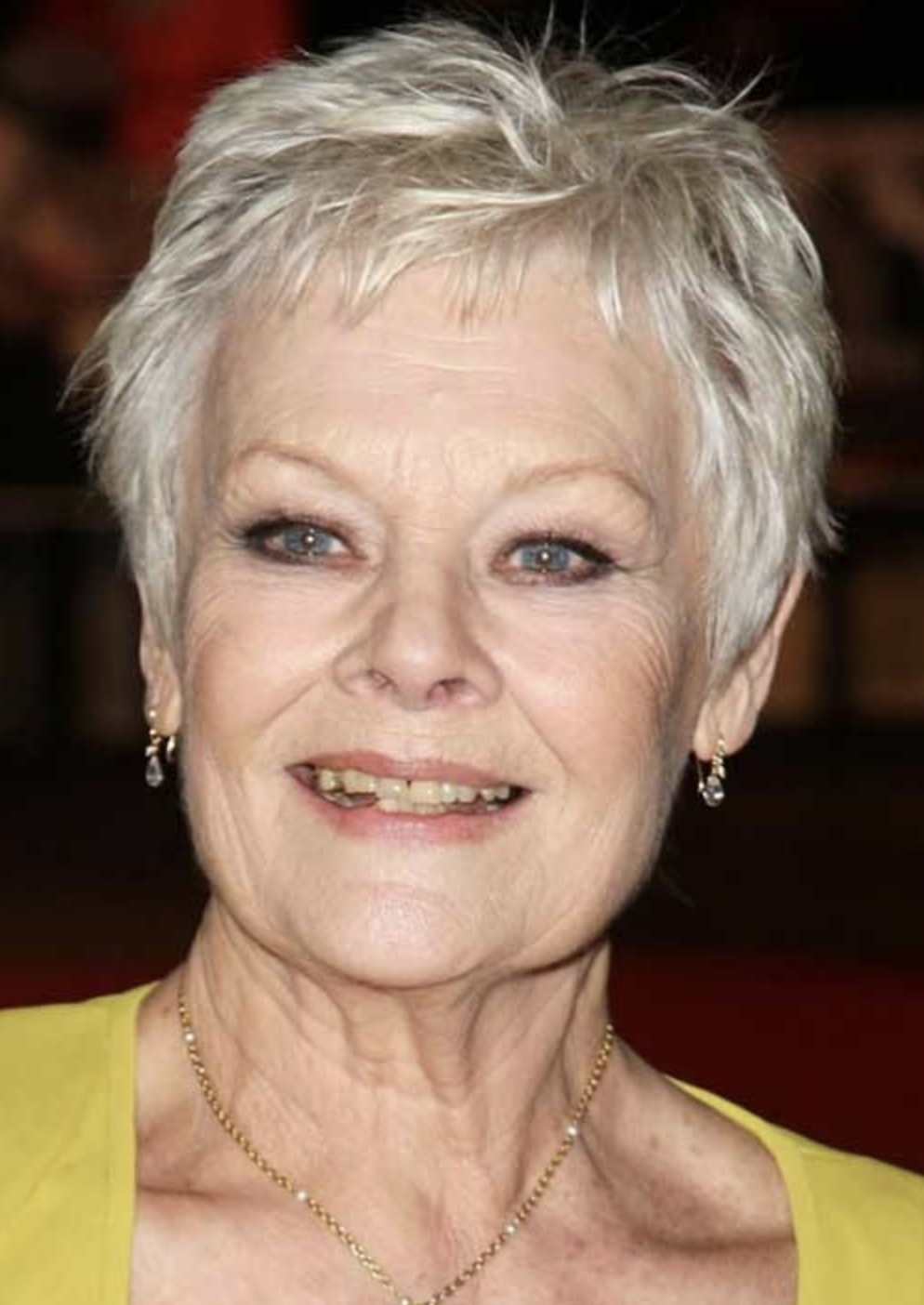
Low-maintenance hairstyles that complement existing hair texture and growth patterns are increasingly popular. These styles minimize the need for heat styling, chemical treatments, or complex styling techniques, allowing hair to appear healthy and effortless. Examples include wash-and-go styles, twist-outs, braid-outs, and haircuts that work with, rather than against, the natural curl or wave pattern.
Embracing natural texture offers numerous advantages. It can improve hair health by reducing damage from heat and chemicals, promoting growth, and enhancing the vibrancy of natural color. Furthermore, these styles can be time-saving and cost-effective, eliminating the need for frequent salon visits and expensive products. Historically, societal pressures often dictated specific hairstyles, but contemporary trends celebrate individuality and self-acceptance, leading to a resurgence in embracing natural hair textures.
This discussion will delve further into specific styles categorized by hair type and texture, providing guidance on choosing the right cut, maintenance routines, and suitable products. Additional topics will cover transitioning to a natural hairstyle and addressing common challenges.
1. Hair Type
Hair type significantly influences the success and suitability of natural haircuts. Understanding individual hair characteristics is fundamental to selecting a style that enhances natural beauty and simplifies maintenance. Key characteristics include curl pattern (from tightly coiled to pin-straight), hair density (thickness or thinness), and porosity (the hair’s ability to absorb moisture). These factors dictate how hair behaves in response to different cutting techniques and styling methods.
For instance, individuals with tightly coiled hair may opt for layered cuts to reduce bulk and define curls, while those with fine, straight hair might choose blunt cuts to create the illusion of fullness. Similarly, those with high porosity hair may benefit from layered styles that allow for better product penetration and moisture retention. Ignoring hair type can lead to unsuitable cuts that require extensive styling, ultimately defeating the purpose of a low-maintenance, natural look. Choosing a cut tailored to one’s specific hair type ensures that the style works with the natural texture, minimizing the need for manipulation and maximizing its inherent beauty. Examples include twist-outs for tighter curl patterns, wash-and-go styles for wavy hair, and long, layered cuts for straight, fine hair.
Ultimately, recognizing the inherent connection between hair type and haircut selection empowers individuals to embrace their natural texture. This understanding not only facilitates the choice of a flattering and easy-to-manage style but also promotes healthier hair by reducing the need for damaging styling practices. This knowledge is paramount for achieving a truly successful and sustainable natural hairstyle.
2. Facial Shape
Facial shape plays a crucial role in determining which natural haircut will best complement an individual’s features. A well-chosen cut can create balance and harmony, accentuating positive attributes while minimizing others. Understanding the interplay between facial shape and hairstyle is essential for achieving a flattering and natural look.
-
Oval Faces
Oval faces are considered the most versatile, allowing for a wide range of hairstyles. The balanced proportions of this shape can accommodate various lengths and textures, from short pixies to long, flowing layers. Examples include chin-length bobs, long layers with face-framing pieces, and even bold, short crops. The inherent symmetry of the oval face allows for greater flexibility in haircut choices.
-
Round Faces
Round faces benefit from hairstyles that create the illusion of length and definition. Styles that add height at the crown or incorporate vertical lines can elongate the face. Examples include long, layered cuts, asymmetrical bobs, and styles with volume at the top. Avoid overly rounded styles or blunt cuts that can emphasize the roundness of the face.
-
Square Faces
Square faces are characterized by a strong jawline and forehead. Hairstyles that soften the angles and add roundness are generally flattering. Examples include layered cuts that frame the face, side-swept bangs, and wavy or curly styles. Avoiding blunt cuts and sharp angles can create a more balanced and harmonious appearance.
-
Heart-Shaped Faces
Heart-shaped faces feature a wider forehead and a pointed chin. Hairstyles that add fullness at the chin or jawline can create balance. Examples include chin-length bobs, layered cuts with volume at the bottom, and styles with side-swept bangs. Avoiding excessive volume at the crown can prevent exaggerating the width of the forehead.
By considering facial shape when selecting a natural haircut, individuals can ensure a style that enhances their natural features and creates a harmonious overall look. A skilled stylist can assess facial shape and hair type to recommend a cut that achieves both aesthetic appeal and ease of maintenance, reflecting the principles of a truly natural hairstyle.
3. Lifestyle
Lifestyle considerations play a significant role in determining the practicality and suitability of natural haircuts for women. Factors such as career demands, activity levels, and personal style preferences influence the choice of a hairstyle that seamlessly integrates with daily routines. A harmonious balance between aesthetic appeal and functional practicality is key to a successful and sustainable natural hairstyle.
-
Professional Environment
Certain professions may require a more polished or conservative appearance. While natural hairstyles are increasingly accepted in various workplaces, individuals may need to adapt their chosen style to meet specific professional standards. For instance, longer hair might need to be neatly tied back, or highly textured styles might require protective styling options like braids or twists for a more formal presentation. Understanding workplace expectations allows for the selection of a natural hairstyle that adheres to professional guidelines while maintaining personal style.
-
Physical Activity
Individuals with active lifestyles, whether involving regular exercise or physically demanding occupations, often prefer hairstyles that require minimal upkeep and remain manageable during physical exertion. Shorter cuts, braids, or styles that can be easily secured are practical choices. These styles minimize distractions and ensure hair remains comfortable and out of the way during physical activities. The choice of a natural haircut should align with the individual’s level of physical activity to ensure both comfort and convenience.
-
Personal Style
Personal style preferences greatly influence the choice of a natural haircut. While practicality and ease of maintenance are important, the hairstyle should also reflect individual aesthetic sensibilities. Whether one prefers a bold and edgy look, a classic and timeless style, or a bohemian and free-flowing aesthetic, the chosen cut should align with these preferences. Natural hairstyles offer a wide range of options, allowing individuals to express their unique personalities while embracing the beauty of their natural texture.
-
Time Commitment
The time commitment required for styling and maintaining a natural haircut is a crucial factor to consider. Some styles, such as wash-and-go cuts, require minimal daily styling, while others, like braid-outs or twist-outs, might involve more preparation time. Individuals with busy schedules often opt for low-maintenance cuts that require minimal styling effort. Assessing available time for hair care allows for a realistic and sustainable approach to maintaining a natural hairstyle.
By carefully considering these lifestyle factors, individuals can select a natural haircut that seamlessly integrates with their daily routines and personal preferences. A successful natural hairstyle is not only aesthetically pleasing but also practical and sustainable, reflecting a harmonious balance between individual lifestyle and the beauty of natural hair.
4. Low Maintenance
The increasing popularity of natural haircuts for women is intrinsically linked to the desire for low-maintenance hair care. These styles prioritize minimizing styling time and product use, allowing individuals to embrace their natural texture without complex or time-consuming routines. This connection stems from a growing appreciation for self-acceptance and a shift away from demanding beauty standards that often require extensive manipulation and styling.
Low maintenance is a defining characteristic of natural haircuts. Styles such as wash-and-go cuts, twist-outs, and braid-outs reduce the need for daily heat styling, minimizing damage and promoting healthier hair. This approach simplifies hair care routines, freeing up time and reducing reliance on styling tools and products. For example, a woman with naturally curly hair might opt for a layered cut that enhances her curl pattern, allowing her to simply wash and go, applying a minimal amount of product for definition and moisture. This contrasts sharply with traditional styling practices that might involve straightening, curling, or blow-drying, requiring significant time and effort. The practical significance of this low-maintenance approach is evident in the time saved, the reduction in hair damage, and the promotion of healthier, more vibrant hair.
Ultimately, the emphasis on low maintenance within the context of natural haircuts reflects a broader shift towards embracing natural beauty and simplifying beauty routines. This approach acknowledges the inherent beauty of diverse hair textures and promotes healthier hair care practices. While challenges such as product selection and adapting to a new routine may arise during the transition to a natural hairstyle, the long-term benefits of reduced styling time, healthier hair, and increased self-confidence contribute significantly to the growing appeal of this approach. This understanding is paramount for anyone considering transitioning to or maintaining a natural hairstyle.
Natural Haircut for Ladies
Natural haircuts for ladies offer a versatile and empowering approach to hair care, emphasizing individuality and ease of maintenance. This exploration has highlighted the importance of understanding hair type, facial shape, and lifestyle considerations when selecting a suitable cut. Prioritizing low-maintenance styles minimizes the need for extensive styling, promoting healthier hair and simplifying daily routines. From tightly coiled curls to sleek, straight strands, embracing natural texture celebrates the inherent beauty of diverse hair types.
Ultimately, the shift towards natural hairstyles signifies a broader movement towards self-acceptance and a rejection of restrictive beauty standards. Empowerment through embracing natural texture allows individuals to express their authentic selves while simplifying their lives. Continued exploration of diverse natural styles and techniques will further expand the possibilities for expressing individuality and celebrating the unique beauty of natural hair.