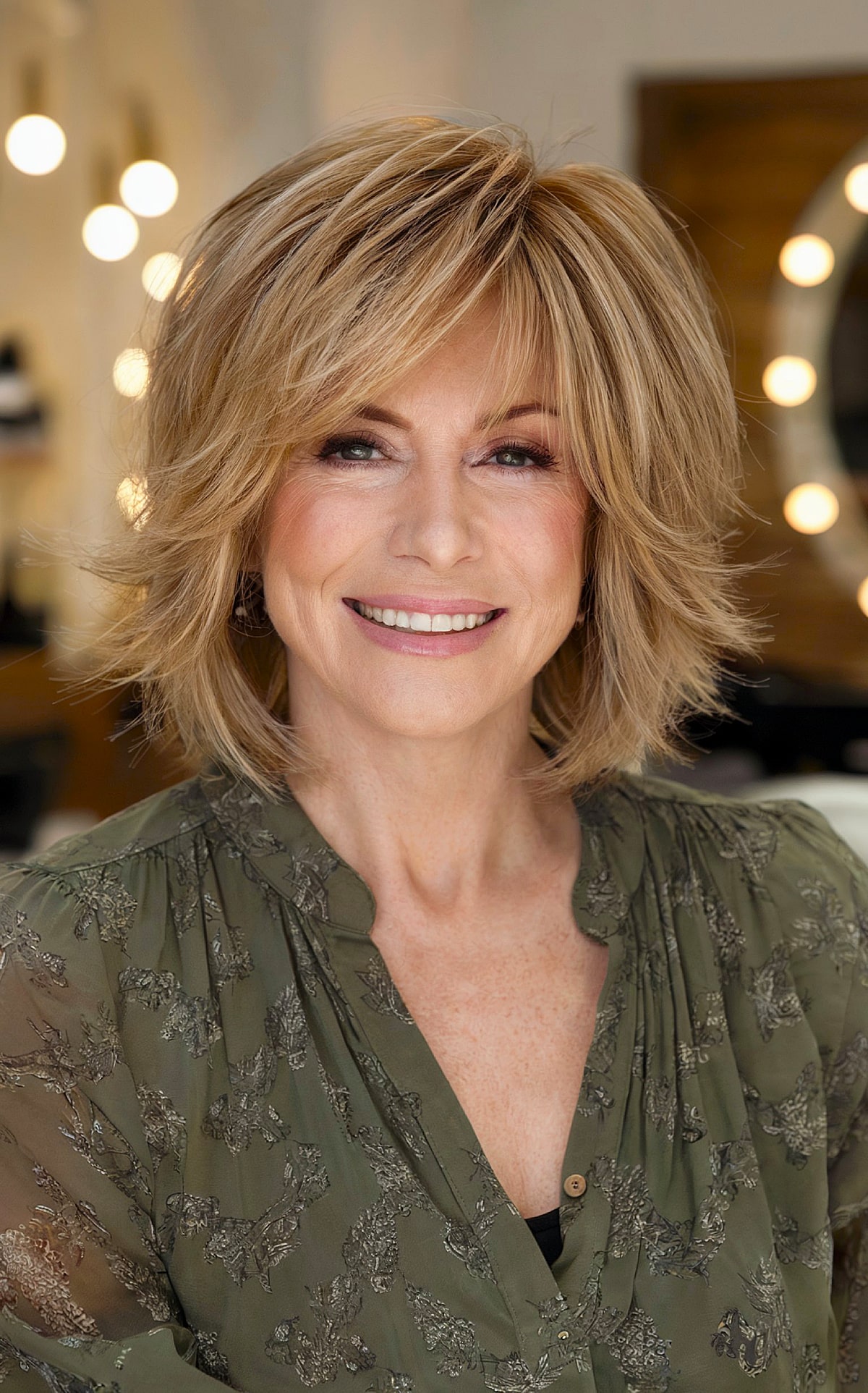
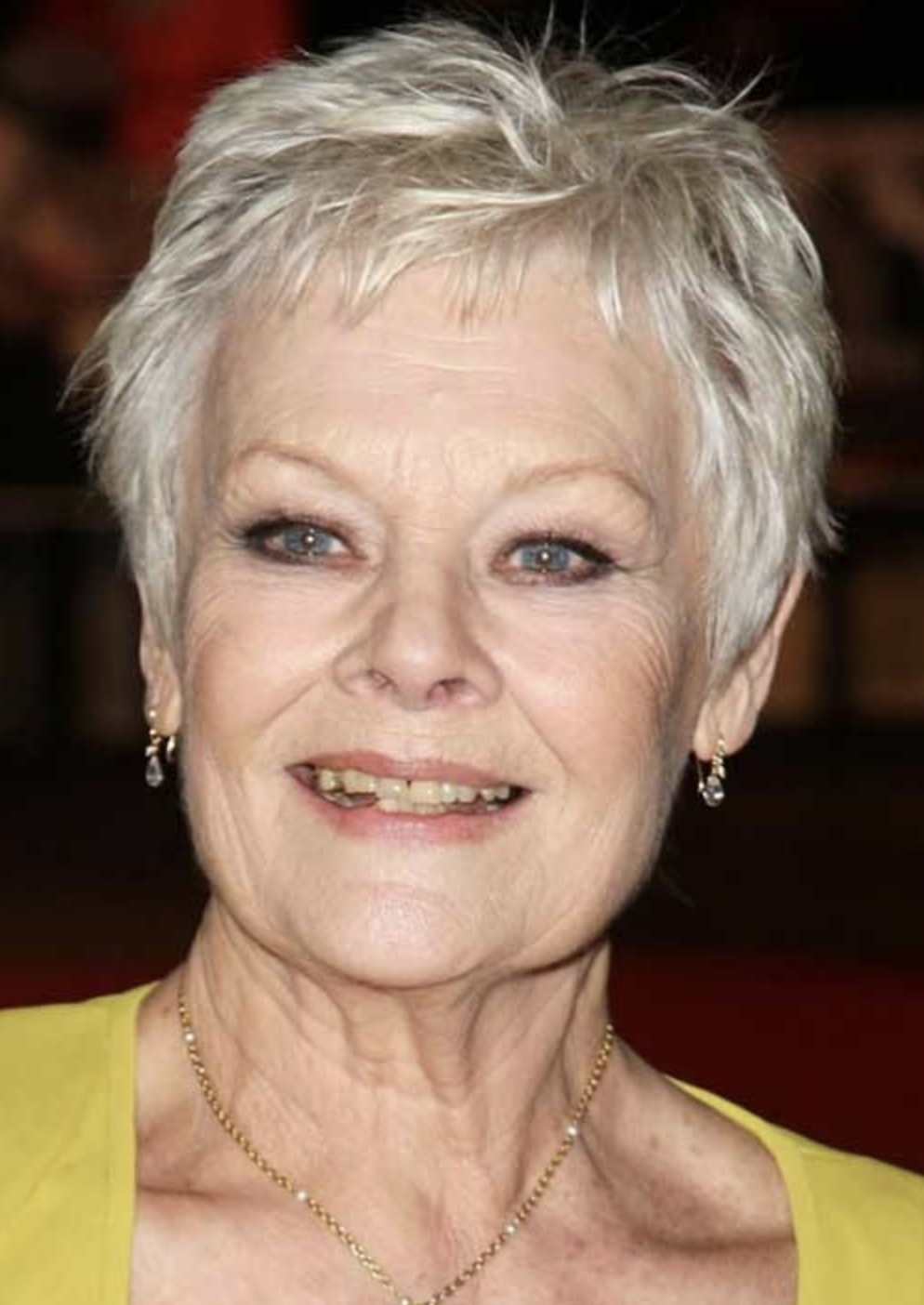
This styling technique involves creating varying lengths of hair strands around the face. Shorter sections blend seamlessly into longer ones, adding dimension and movement. Imagine a cascade of subtly different lengths framing the face, contributing to a more dynamic and personalized look. This approach differs from a blunt, one-length cut where all strands terminate at the same point.
Framing the face with graduated lengths offers several advantages. It can soften facial features, add volume around the crown, and create an illusion of fullness for finer hair textures. Historically, layered hairstyles have cycled in and out of fashion, reflecting broader trends in aesthetics and self-expression. The current emphasis on personalized cuts and styles contributes to the continued popularity of this technique, allowing for customized shaping to complement individual facial structures and hair types.
A detailed exploration of this technique will cover various aspects, including suitable hair types and textures, different layering styles, maintenance and styling tips, and how to communicate desired results effectively with a stylist. Further sections will delve into specific examples, demonstrating how this technique can be adapted for various face shapes and hair lengths.
1. Face Framing
Face framing is a crucial aspect of hair styling that utilizes strategically placed layers to enhance and complement facial features. It involves carefully shaping the strands of hair that fall around the face, creating a personalized frame that can soften, accentuate, or balance proportions. This technique relies heavily on the considered placement of layers in the front sections of the hair.
-
Contouring with Layers
Similar to makeup contouring, layers can create shadows and highlights around the face. Shorter layers can bring attention to the eyes or cheekbones, while longer layers can soften a strong jawline or elongate a round face. For example, long, sweeping layers can create a slimming effect on a square face, while shorter, textured layers around the chin can add fullness to a narrow face. This technique allows for subtle adjustments to perceived facial proportions.
-
Adapting to Hair Type and Texture
Face-framing layers must be tailored to the individual’s hair type and texture. Fine hair may benefit from shorter, wispy layers to create the illusion of volume, whereas thick hair might require longer, blended layers to avoid excessive bulk. Curly hair can be framed with layers that define and enhance the natural curl pattern, preventing the hair from overwhelming the face. Understanding these nuances is key to successful face framing.
-
Balancing Facial Features
The placement and length of face-framing layers can be used to balance facial features. For instance, if someone has a prominent forehead, longer layers that sweep across can minimize its appearance. Conversely, if someone has a small forehead, shorter layers can create the illusion of more space. The interplay of these layers contributes to a harmonious overall appearance.
-
Styling Versatility
Face-framing layers offer versatility in styling. They can be styled inwards to create a softer, more classic look, or outwards for a more edgy and contemporary feel. The addition of layers allows for greater control over the movement and flow of the hair around the face, opening up possibilities for various hairstyles and looks.
Effective face framing considers all of these elements, working with the individual’s features and hair characteristics to create a flattering and harmonious look. This individualized approach is what makes face framing with layers such a powerful tool in hair styling, and understanding its nuances allows for a more tailored and personalized result.
2. Volume Enhancement
Volume enhancement is a key benefit often associated with layered hair, particularly around the face. Strategic layering can create the illusion of fullness and lift, which is especially advantageous for those with fine or thin hair. Understanding the interplay of layering techniques and how they contribute to volume is crucial for achieving desired results.
-
Layering Techniques for Volume
Specific layering techniques contribute significantly to perceived volume. Shorter layers, particularly around the crown and upper sections of the hair, create lift and fullness at the roots. This technique works by reducing the weight of the hair, allowing it to stand away from the scalp and appear more voluminous. Graduated layers blend seamlessly, preventing a choppy or disconnected look while still providing the desired lift. The angle and placement of these layers are critical for achieving optimal volume.
-
The Impact of Hair Texture
Hair texture plays a significant role in how layering impacts volume. Fine hair typically benefits from shorter, more textured layers to maximize lift. Conversely, thicker hair might require longer layers to remove weight while maintaining control and preventing excessive fullness. Understanding the specific needs of different hair textures is essential for effective volume enhancement.
-
Styling Techniques to Amplify Volume
Styling techniques can further amplify the volume created by layers. Blow-drying with a round brush, lifting the hair at the roots, can enhance volume and create a more polished appearance. Using volumizing products, such as mousses or sprays, can provide additional lift and hold. These techniques work synergistically with layered haircuts to maximize volume and create a fuller, more dynamic look.
-
Maintaining Volume Over Time
Maintaining volume achieved through layering requires proper hair care and regular trims. Using lightweight products that don’t weigh the hair down is essential. Regular trims help maintain the shape and integrity of the layers, preventing them from growing out and losing their volumizing effect. Consistent upkeep ensures the longevity of the desired volume.
The strategic implementation of layering techniques, combined with appropriate styling and maintenance, is fundamental for achieving and sustaining desired volume. By considering individual hair texture and employing appropriate techniques, layering can significantly enhance fullness and create a more dynamic and voluminous appearance, particularly in the front sections of the hair where volume often contributes most significantly to overall style and impression.
3. Movement Creation
Movement is a critical element in dynamic hairstyles, contributing significantly to the overall aesthetic. In the context of layered hair around the face, strategically placed layers are essential for creating flow and preventing a static or heavy appearance. Understanding how layering impacts movement is crucial for achieving a lively and vibrant style.
-
The Dynamics of Layering
Layering introduces variation in hair length, allowing individual strands to move independently. This interplay of different lengths creates texture and dimension, preventing the hair from lying flat and lifeless. Shorter layers tend to lift and create volume, while longer layers contribute to flow and sweep. The careful balance of these elements is key to creating dynamic movement.
-
Impact of Hair Texture and Type
Hair texture and type significantly influence how layering affects movement. Fine hair, often lacking natural volume, benefits from shorter layers that encourage lift and movement. Thicker hair, prone to heaviness, requires carefully placed longer layers to remove weight and allow for natural flow. Curly hair, with its inherent movement, can be enhanced with layers that define and control the curls without sacrificing their natural bounce.
-
Styling Techniques for Enhanced Movement
Styling techniques can further enhance the movement created by layers. Blow-drying with a round brush can create curves and waves, adding fluidity and direction. Texturizing products, such as sea salt sprays or mousses, can enhance natural movement and create a more tousled, effortless look. These techniques work in conjunction with the layering to amplify movement and create a more dynamic style.
-
Framing the Face with Movement
Layering around the face specifically allows for controlled movement that complements facial features. Soft, sweeping layers can frame the face gently, while shorter, more textured layers can create a more edgy and dynamic look. The placement and length of these layers determine the overall flow and movement around the face, contributing significantly to the final aesthetic.
The strategic placement of layers is fundamental for creating movement and preventing a static, heavy appearance. By understanding how different layering techniques interact with hair texture and styling, one can achieve a dynamic and vibrant style that complements individual features and preferences. The interplay of these elements is essential for creating a truly captivating and lively look.
Layered Hair in Front
This exploration of layered hair around the face has highlighted its significant impact on overall style. Key elements, including face framing, volume enhancement, and movement creation, demonstrate the versatility and adaptability of this technique. Strategic placement of layers allows for personalized shaping, complementing individual facial features and hair characteristics. The interplay of these elements contributes to a dynamic and tailored aesthetic.
The enduring appeal of layered hair underscores its adaptability and potential for personalized expression. Further exploration of individual styling techniques and consultation with experienced stylists can unlock the full potential of this versatile approach, allowing individuals to achieve a truly personalized and flattering look. Ultimately, understanding the nuances of layering empowers informed decisions and facilitates effective communication with stylists, paving the way for a more confident and expressive personal style.