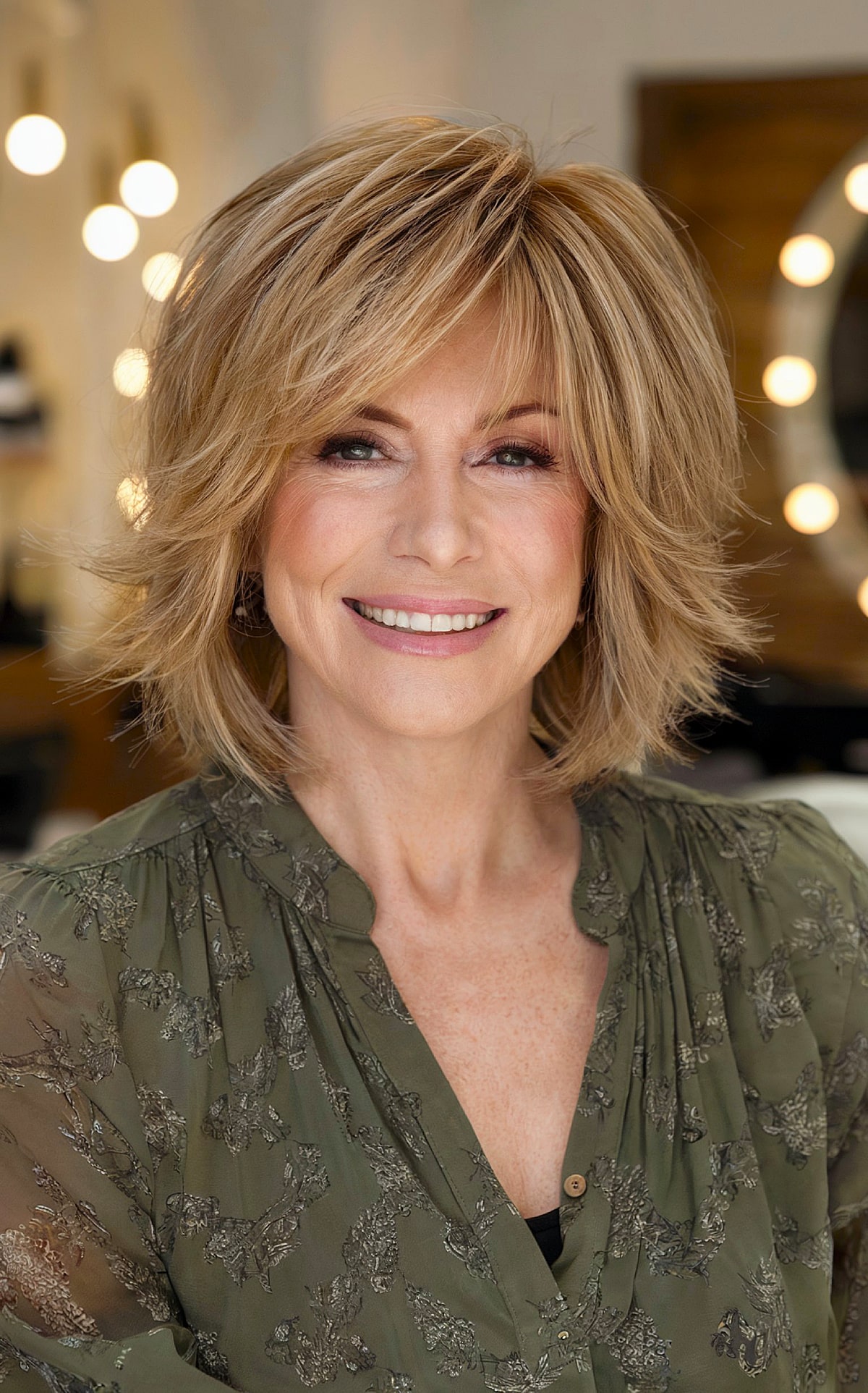
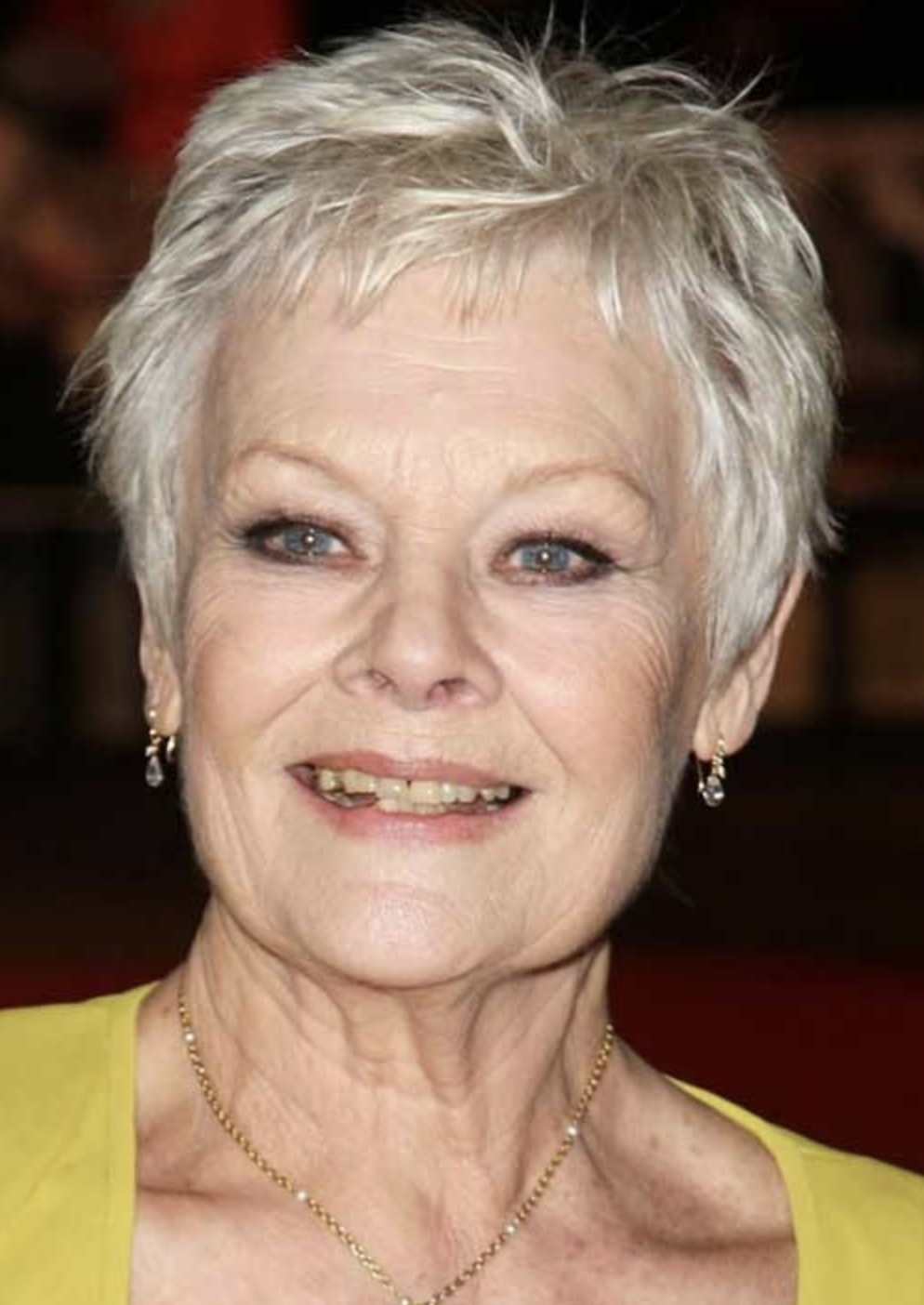
Cascading strands framing the face, shorter in the front and gradually lengthening towards the back, create versatile styling options for individuals with longer hair. This technique adds dimension and movement, softening facial features and offering diverse options for styling, from sleek and straight to voluminous curls.
The strategic placement of graduated sections around the visage offers several advantages. It can create the illusion of fuller hair, add texture and depth to otherwise flat or heavy locks, and provide face-framing contours that can accentuate cheekbones or minimize certain features. This approach has evolved over time, reflecting changing fashion trends and evolving cutting techniques, becoming a popular choice for its adaptability and flattering effect on a variety of face shapes.
Further exploration will delve into specific styles achievable with this layered approach, including variations in length, texture, and styling techniques, offering readers a comprehensive guide to achieving their desired look.
1. Face Framing
Face framing, a crucial element in long layered hairstyles, involves strategically cutting shorter layers around the face to complement and enhance facial features. This technique serves as a fundamental tool for stylists to create personalized looks, softening or accentuating particular aspects depending on individual face shapes and desired outcomes. The efficacy of face framing relies on the careful consideration of factors like hair density, texture, and the overall style objective. For instance, individuals with round faces might benefit from longer, angled layers to create a slimming effect, while those with square faces might opt for softer, rounded layers to soften angular jawlines. The precision and placement of these layers dictate the final visual impact.
Several distinct face-framing effects can be achieved through variations in layering techniques. Soft, wispy layers around the cheekbones can create a romantic, ethereal look, while blunt, choppy layers can project a bolder, more edgy aesthetic. The interplay of layer length and texture contributes to the overall harmony and balance of the hairstyle. Understanding these nuances allows for a tailored approach, maximizing the potential of face framing to flatter individual features and achieve specific stylistic goals. Practical applications extend beyond aesthetic considerations, impacting manageability and styling ease.
Mastering the art of face framing requires a thorough understanding of facial anatomy and the technical skill to execute precise cuts. Challenges can include achieving symmetry, balancing layer length with overall hair length, and adapting techniques to suit different hair types. However, the transformative potential of face framing, when executed effectively, makes it a cornerstone of successful long layered hairstyles, contributing significantly to the overall aesthetic impact and individual expression.
2. Movement Enhancement
Movement enhancement is a critical aspect of long hairstyles, and front layers play a significant role in achieving this dynamic quality. Static, uniformly long hair can appear heavy and lifeless. Strategically incorporated layers, particularly around the face and crown, introduce variation in length, allowing for greater flexibility and animation within the hairstyle.
-
Layer Placement and Length Variation
The strategic placement and varying lengths of layers are instrumental in creating movement. Shorter layers, especially around the face, introduce lift and allow for more swing and bounce. The gradual increase in length towards the back maintains overall length while preventing the hair from appearing too blocky or heavy. This interplay of lengths creates a natural flow and dynamism.
-
Texture Enhancement through Layering
Layers work synergistically with natural hair texture or can be used to create the illusion of texture in finer hair types. They encourage natural wave patterns to form more readily and provide a foundation for styling techniques that enhance curl definition. This interplay between layers and texture adds depth and prevents the hair from looking flat or one-dimensional.
-
Impact on Styling and Manageability
The incorporation of layers influences styling possibilities and overall manageability. Layered hair often dries more quickly and requires less styling product, contributing to a more natural and less labored look. Additionally, layers provide the necessary structure for various styling techniques, from simple air-drying to more elaborate blowouts and heat styling.
-
Adaptability to Different Hair Types
Movement enhancement through layering can be adapted to suit various hair types and densities. Fine hair benefits from strategically placed layers that add volume without compromising overall body. Conversely, thick hair can be texturized and shaped through layers, preventing it from feeling overly heavy or unmanageable. This adaptability makes layering a versatile technique for achieving dynamic movement in a range of hair characteristics.
By understanding the relationship between layers, texture, and styling techniques, one can appreciate how front layers contribute significantly to achieving movement and dynamism in long hairstyles. This understanding allows for informed decisions regarding layer placement, length, and styling methods, ensuring a personalized and flattering outcome that enhances natural movement and creates a vibrant, lively look.
3. Volume Creation
Volume creation is a frequent objective in styling long hair, and front layers offer a versatile mechanism for achieving this. The strategic incorporation of layers can create lift and fullness, particularly at the crown, transforming otherwise flat or limp hair into a more voluminous and dynamic style. This effect is achieved through the interplay of layer length, hair texture, and styling techniques.
-
Layer Length and Placement
Shorter layers, strategically placed around the crown and top sections of the head, create lift and contribute to overall volume. These shorter sections, being lighter than the longer underlying hair, create a natural elevation at the root. The gradual increase in layer length towards the ends prevents the style from appearing choppy or disconnected, maintaining a harmonious balance between volume and length.
-
Texturizing Techniques
Layering techniques, combined with texturizing methods like point cutting or razor cutting, can further enhance volume, particularly in finer hair types. These techniques create subtle variations in hair length and texture, adding dimension and allowing for more air circulation, which promotes lift and prevents the hair from lying flat against the scalp. Texturizing also enhances the effectiveness of styling products designed to boost volume.
-
Styling Products and Techniques
The efficacy of layers in creating volume is amplified by appropriate styling products and techniques. Volumizing mousses, sprays, and powders applied to the root area provide additional lift and support. Blow-drying techniques, such as lifting the hair at the roots with a round brush, further enhance volume and create lasting hold. The combination of layering and strategic styling maximizes the potential for achieving voluminous results.
-
Considerations for Different Hair Types
The approach to volume creation through layering should be tailored to individual hair types and densities. Fine hair benefits from strategically placed layers that add volume without sacrificing overall body. Thick hair, while naturally voluminous, can be refined and shaped through layers, preventing it from appearing overly heavy or unmanageable. This individualized approach ensures optimal results for a range of hair characteristics.
The interplay of these elements demonstrates the critical role of front layers in achieving desired volume in long hairstyles. The careful consideration of layer length, texturizing techniques, and styling methods allows for personalized volume creation, addressing individual hair characteristics and aesthetic preferences. This results in a balanced, flattering style that enhances both fullness and overall shape.
4. Styling Versatility
Styling versatility is a significant advantage offered by long hairstyles incorporating front layers. The graduated lengths create texture and movement, providing a foundation for a wide array of styling options. This adaptability allows individuals to easily transition between diverse looks, from sleek and polished to tousled and textured, without significant changes in cut or length. The presence of layers provides the structure and responsiveness necessary for various styling techniques, maximizing creative potential.
The impact of front layers on styling versatility is evident in the range of achievable looks. Straightening layered hair emphasizes the sleekness and precision of the cut, showcasing the graduated lengths. Conversely, curling or waving layered hair amplifies volume and texture, creating a more dynamic and full-bodied appearance. Updos also benefit from layering, as the varied lengths provide grip and structure, allowing for more intricate and secure styling. Examples include braids, where layers contribute to visual interest and prevent the braid from appearing too flat, and messy buns, where layers add texture and a relaxed, effortless aesthetic. The adaptability to different styling tools and techniques further underscores the versatility offered by layered hair.
Understanding the relationship between layers and styling versatility empowers individuals to maximize the potential of their hairstyles. The ability to effortlessly transition between different looks provides flexibility for various occasions and personal style preferences. While achieving optimal versatility requires consideration of factors such as hair type, density, and face shape, the inherent adaptability of layered hair presents a significant advantage. This understanding, coupled with appropriate styling techniques and products, facilitates creative expression and allows individuals to achieve a range of looks with relative ease and efficiency.
Conclusion
Strategic implementation of graduated lengths in longer hairstyles provides significant advantages regarding adaptability, volume, and movement. Analysis of face-framing, movement enhancement, volume creation, and styling versatility demonstrates the transformative potential of this technique. Careful consideration of individual hair characteristics, face shape, and desired aesthetic contributes to successful implementation and personalized outcomes.
Ultimately, the incorporation of layers into long hair presents an opportunity for enhanced aesthetic expression and simplified styling. Informed decision-making regarding layer placement and technique allows individuals to achieve personalized looks that complement individual features and lifestyles. Continued exploration of layering techniques and styling methods will further refine the potential of this versatile approach to hair design.