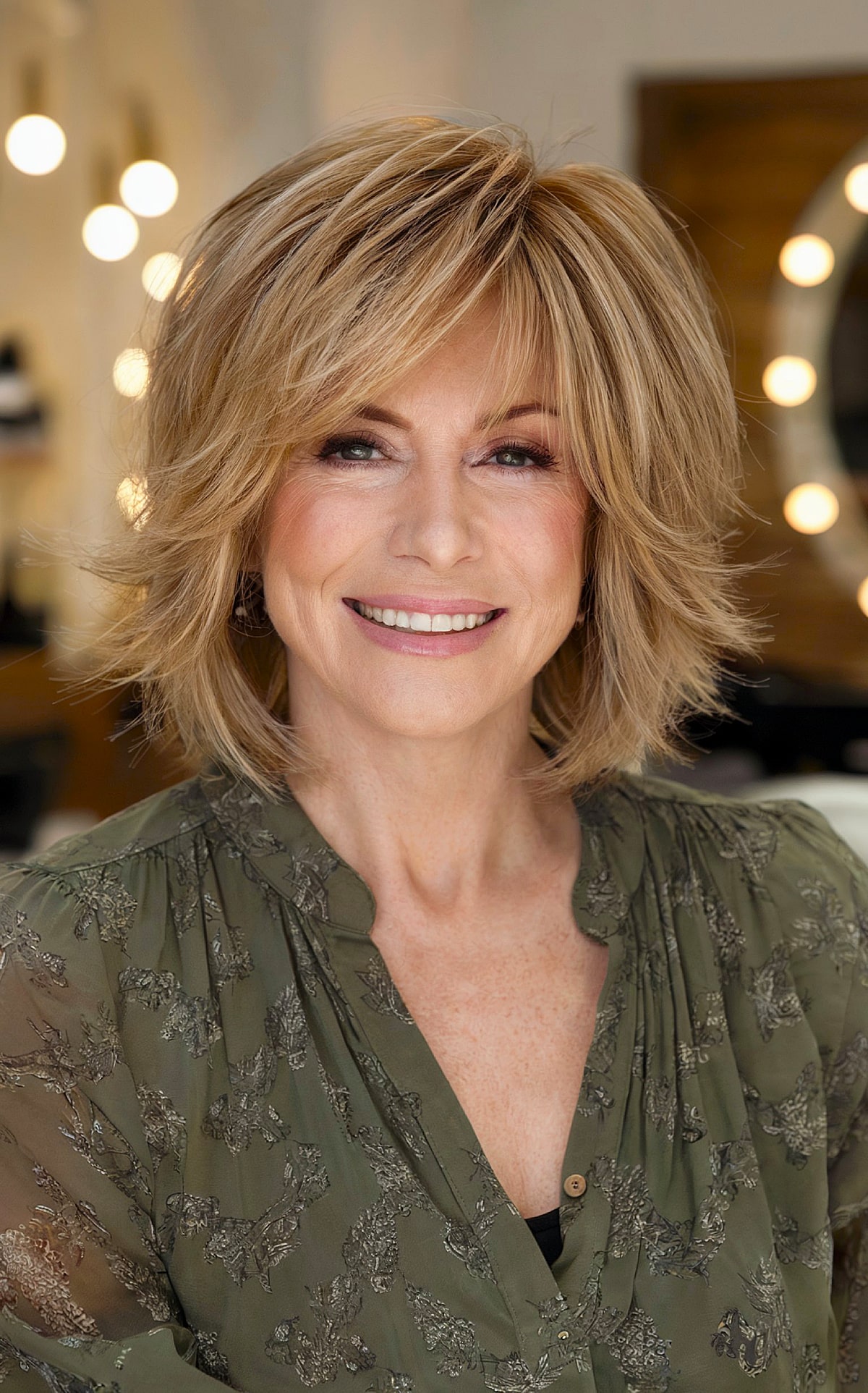
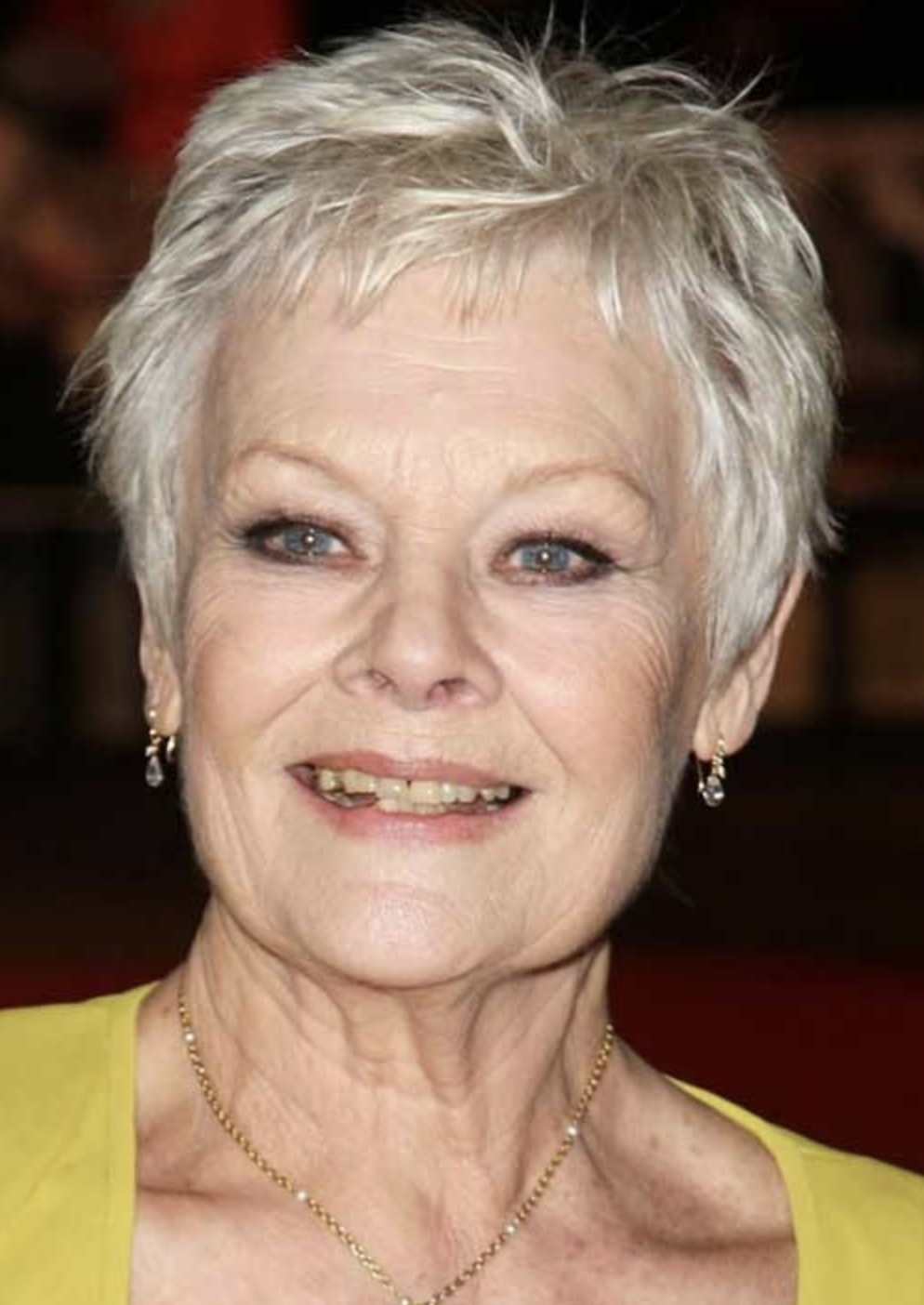
Styling options abound for those with naturally dark hair or considering darkening their current shade. These options range from subtle enhancements like gloss treatments to dramatic changes such as vibrant fashion colors. Examples include balayage, highlights, lowlights, all-over color, and various cutting techniques designed to complement darker hues.
Choosing the right style can significantly impact one’s overall appearance. A flattering hair color and cut can enhance facial features, express personal style, and even boost confidence. Historically, dark hair has been associated with various symbolic meanings across different cultures, often representing youthfulness, mystery, or power. Understanding these cultural nuances can add depth and meaning to personal style choices.
This article will explore a variety of styling options, maintenance tips, and product recommendations specifically tailored for darker hair colors. Topics covered include choosing the right shade, maintaining healthy hair, and incorporating current trends to achieve a desired look.
1. Color Dimension
Color dimension plays a crucial role in maximizing the visual impact of dark hair. Without it, dark hair can appear flat and one-dimensional. Adding dimension introduces depth and complexity, creating visual interest and enhancing the overall aesthetic. This is achieved by incorporating lighter and darker shades within the overall dark tone, mimicking the natural variations found in healthy hair. Techniques such as balayage, highlights, and lowlights provide the stylist with tools to craft a multi-tonal look, which can add the illusion of volume and movement. For example, strategically placed caramel highlights on dark brown hair can create a warm, sun-kissed effect, while subtle burgundy lowlights can add richness and depth to black hair.
The placement and intensity of these color variations can dramatically alter the final result. Fine, subtle highlights dispersed throughout the hair create a soft, diffused effect, while thicker, bolder highlights concentrated in specific areas, such as around the face, create a more dramatic, contrasting look. Understanding the interplay of these techniques allows for customized results tailored to individual preferences and features. A skilled stylist can use color dimension to emphasize natural curls, frame the face, or even create the illusion of thicker hair. The effectiveness of color dimension also depends on the base color; a dark brown base offers more versatility for lighter highlights than a jet black base.
Successfully incorporating color dimension requires careful consideration of skin tone, eye color, and desired maintenance level. Warmer skin tones generally complement warmer highlights, while cooler skin tones benefit from cooler shades. Choosing the right color palette enhances the overall harmony of the look. Maintaining dimensional color requires specialized hair care products designed to preserve color vibrancy and prevent premature fading. This ensures the longevity of the carefully crafted color dimension and maximizes the overall investment in achieving a dynamic and visually appealing hairstyle.
2. Haircuts and Styles
Haircuts and styles are fundamental elements in optimizing the appearance of dark hair. The right cut can enhance its natural texture, create volume, and frame the face in a flattering way. Conversely, an unsuitable cut can detract from the hair’s beauty and create styling challenges. Careful consideration of hair type, face shape, and lifestyle needs is essential when selecting a haircut for dark hair.
-
Layered Cuts
Layered cuts introduce texture and movement, particularly beneficial for thick, dark hair that can sometimes appear heavy or blocky. Layering removes weight, allowing for more dynamic styling options and preventing the hair from appearing too dense. Long layers create a flowing, romantic look, while shorter, choppy layers offer a more edgy and modern aesthetic. The specific layering technique used should be tailored to the individual’s hair texture and desired outcome.
-
Blunt Cuts
Blunt cuts offer a sleek, polished appearance, particularly striking on dark hair where the clean lines are clearly defined. This style emphasizes the hair’s density and shine, creating a dramatic and sophisticated look. A blunt bob or lob can be a particularly stylish choice for those with straight, dark hair. However, individuals with finer hair might find that a blunt cut accentuates a lack of volume. Blunt cuts require regular trims to maintain their sharp, defined edges.
-
Face-Framing Layers
Face-framing layers are strategically placed to complement the individual’s facial features. These layers draw attention to the eyes, cheekbones, or jawline, softening or accentuating specific areas. Shorter layers around the face can create a youthful, playful look, while longer, sweeping layers offer a more elegant and sophisticated appearance. The specific placement and length of these layers should be carefully considered in relation to the individual’s face shape.
-
Textured Cuts
Textured cuts, such as the shag or the wolf cut, incorporate varying lengths and layers to create a deliberately tousled and undone appearance. These cuts are particularly well-suited to wavy or curly dark hair, as they enhance the natural texture and create a voluminous, effortlessly chic look. Textured cuts often involve shorter layers at the crown and longer layers throughout the lengths, creating a balanced and dynamic silhouette.
Ultimately, the most suitable haircut for dark hair depends on a combination of factors, including hair texture, face shape, personal style preferences, and lifestyle. Collaborating with a skilled stylist who understands these nuances is crucial for achieving a flattering and harmonious look. A thorough consultation allows the stylist to assess the individual’s needs and recommend a cut that enhances their natural features and complements their overall style.
3. Hair Health Maintenance
Maintaining healthy hair is paramount for realizing the full potential of any styling endeavor, especially for dark hair where dryness and damage can be more apparent. A comprehensive hair health regimen ensures that dark hair remains vibrant, lustrous, and resilient, providing a strong foundation for various styling options. Neglecting proper hair care can lead to dullness, breakage, and difficulty in achieving desired styles. This section explores key facets of hair health maintenance crucial for optimizing the appearance and manageability of dark hair.
-
Hydration and Moisture
Dark hair, particularly coarser textures, is prone to dryness. Regular deep conditioning treatments and the use of moisturizing products, such as leave-in conditioners and hair oils, replenish moisture and combat dryness, contributing to a healthier, more manageable texture. This hydration is essential for maintaining the hair’s natural shine and elasticity, preventing breakage and split ends, which can detract from the overall appearance of dark hair. Ingredients like shea butter, argan oil, and coconut oil are particularly effective for moisturizing dry, dark hair.
-
Gentle Cleansing
Sulfate-free shampoos are less harsh than traditional shampoos, making them a preferred choice for maintaining the health of dark hair. Sulfates can strip natural oils, leading to dryness and color fading, particularly problematic for dark hair where dryness is more visible. Gentle cleansing preserves the hair’s natural moisture balance and helps maintain the vibrancy of dark shades, whether natural or dyed. Opting for shampoos specifically formulated for color-treated hair can further protect against fading and maintain shine.
-
UV Protection
Exposure to ultraviolet radiation can damage the hair cuticle, leading to dryness, color fading, and weakening. Using products with UV protection, such as hair sprays or leave-in conditioners containing UV filters, shields dark hair from the damaging effects of the sun. This protection preserves the richness and depth of dark hair color, preventing it from becoming dull or brassy. Protecting dark hair from sun damage also helps maintain its structural integrity and prevent breakage.
-
Minimizing Heat Styling
Excessive heat styling can compromise the integrity of dark hair, making it brittle and prone to breakage. Limiting the use of heat styling tools and using heat protectant sprays when necessary minimizes damage. Air drying whenever possible and opting for lower heat settings on styling tools helps preserve the hair’s natural moisture and prevents heat-induced dryness and damage, ultimately contributing to healthier, more manageable dark hair. Embracing heatless styling methods, such as braiding or using rollers, also helps maintain healthy dark hair.
By prioritizing these hair health maintenance practices, individuals with dark hair can create an optimal canvas for styling, ensuring that their chosen styles look their best. Healthy, well-maintained dark hair reflects light more effectively, resulting in enhanced shine and vibrancy. These practices also contribute to improved manageability, making styling easier and reducing the risk of damage. Ultimately, a holistic approach to hair health is fundamental for achieving and maintaining beautiful, vibrant, and stylish dark hair.
4. Styling Product Choices
Styling product choices directly influence the successful execution of hairstyles for dark hair. Product selection should consider hair texture, desired style, and the specific needs of dark hair. For example, lightweight mousses and volumizing sprays can add body and lift to fine, dark hair without weighing it down, while thicker creams and pomades provide control and definition for coarser textures, helping to manage and shape styles. Choosing products specifically formulated for dark hair can further enhance shine and vibrancy. Products containing natural oils like argan oil or jojoba oil can add gloss and moisture without leaving a greasy residue, which can be particularly noticeable on dark hair.
The interplay between product choice and desired style is crucial. A sleek, straight look requires smoothing serums and heat protectants to achieve a polished finish and minimize heat damage. Textured, tousled styles benefit from texturizing sprays or sea salt sprays, which enhance natural waves and create a piecey, undone look. For updos and braided styles, strong-hold hairsprays and styling gels provide the necessary hold and control, keeping the style in place while minimizing flyaways and frizz, common concerns with dark hair. Understanding the properties of various styling products allows for informed decisions that contribute to achieving the desired aesthetic.
Effective styling product selection requires an understanding of ingredient properties and their impact on dark hair. Silicones, while providing shine and smoothness, can build up on dark hair, leading to a dull appearance over time. Opting for water-based products or incorporating clarifying shampoos into the hair care routine can mitigate this issue. Furthermore, products containing alcohol can dry out dark hair, exacerbating existing dryness and making it more prone to breakage. Careful ingredient analysis empowers informed product choices, ensuring compatibility with dark hair’s specific needs and contributing to its overall health and appearance. Choosing the correct styling products is integral to achieving and maintaining desired hairstyles, maximizing their longevity and enhancing the natural beauty of dark hair.
5. Trend Adaptation
Trend adaptation plays a significant role in the ongoing evolution of hairstyles for dark hair. While classic styles remain relevant, integrating current trends allows for refreshing updates and personalized expressions of style. Trends offer opportunities to experiment with new cuts, colors, and styling techniques, keeping dark hair looks modern and dynamic. However, judicious selection is crucial. Not all trends complement every hair type or face shape. Careful consideration of individual features ensures successful trend integration, avoiding outcomes that detract from the overall appearance. For instance, while a trendy “money piece” highlighting technique might beautifully frame lighter complexions, it could overwhelm or wash out darker skin tones. Similarly, a heavily layered cut, while trendy, may not be suitable for fine, dark hair, potentially making it appear thinner.
Real-life examples illustrate the effective adaptation of trends for dark hair. The recent resurgence of curtain bangs, a versatile trend, can soften facial features and add a touch of vintage glamour to various dark hair lengths and textures. Similarly, the wolf cut, a more edgy trend, can add texture and volume to dark hair, creating a modern, effortlessly cool aesthetic. However, even within these trends, adaptation is key. The length and thickness of curtain bangs should be adjusted to complement face shape, while the layering in a wolf cut requires careful consideration of hair texture to achieve the desired effect. Blindly following trends without considering individual characteristics can lead to unsatisfactory results.
Understanding the nuances of trend adaptation empowers individuals to incorporate current styles effectively, enhancing the versatility of dark hair. It allows for personalized interpretations of popular looks, creating styles that are both on-trend and uniquely flattering. This involves analyzing trend characteristics and evaluating their compatibility with individual features, hair type, and personal style preferences. Effective trend adaptation avoids the pitfalls of fleeting fads, instead focusing on incorporating elements that enhance and elevate existing styles. The ability to discern and integrate suitable trends ensures that dark hair remains a dynamic and expressive medium for personal style evolution.
Conclusion
Numerous styling approaches exist to optimize the appearance of dark hair. Careful consideration of color dimension, cut, hair health, product selection, and trend adaptation allows individuals to achieve a personalized and flattering look. Selecting complementary colors and cuts enhances natural features and personal style. Prioritizing hair health through appropriate care and product use ensures vibrancy and manageability. Strategic trend integration allows for style evolution while maintaining a cohesive aesthetic. Each element contributes significantly to the overall effectiveness of chosen hairstyles, maximizing the inherent beauty and versatility of dark hair.
Potential for stylistic expression with dark hair is extensive. Understanding the interplay of these key elements empowers informed decision-making, creating opportunities for continuous refinement and personalized style evolution. Through careful consideration and informed choices, individuals can unlock the full potential of their dark hair, achieving looks that reflect both current trends and enduring style principles.