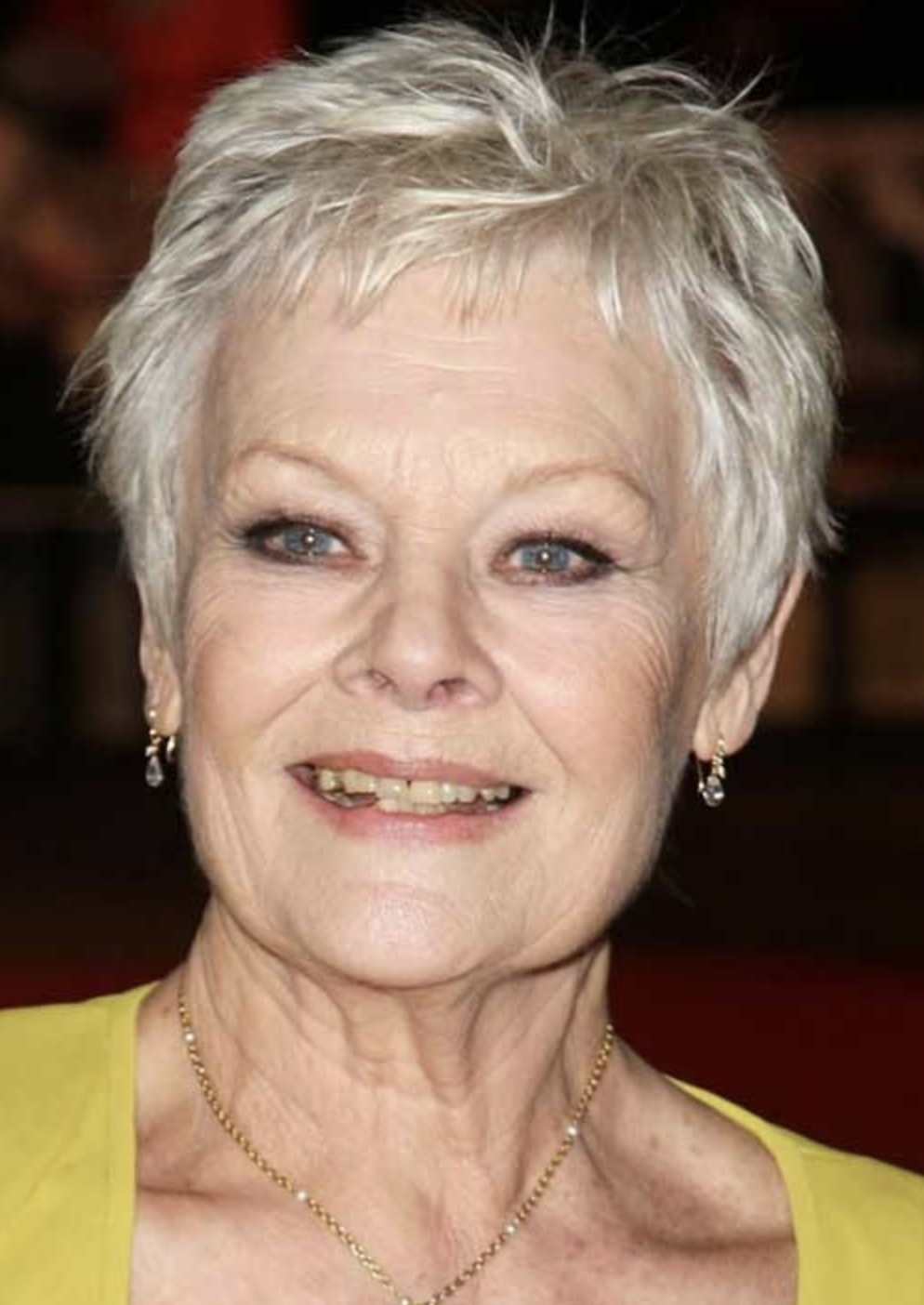
A short, cropped hairstyle, viewed from the profile perspective, reveals the layering and shaping that creates its distinctive silhouette. This perspective showcases the interplay between the hair’s texture, the shape of the head, and the stylist’s artistry. A profile image offers a clear understanding of how the cut frames the face and interacts with features like the ears, jawline, and neckline.
This profile perspective is crucial for both stylists and clients. For stylists, it allows for precise assessment of balance and proportion during the cutting process. For clients, it provides a realistic expectation of how the style will appear in everyday life. Historically, profile views have been essential in documenting and disseminating hairstyle trends, from classic bobs to contemporary variations. This perspective emphasizes the three-dimensional nature of a haircut and its ability to enhance facial features.
Understanding the nuances of this specific perspective informs decisions regarding personalized styling options, maintenance routines, and the overall suitability of the cut for individual face shapes and lifestyles. Further exploration will cover topics such as variations within this style, techniques for achieving specific looks, and advice for selecting the right variation based on individual characteristics.
1. Nape Shape
The nape area, where the hairline meets the neck, plays a critical role in defining the profile of a pixie cut. Its shape significantly influences the overall aesthetic, contributing to the harmony between the cut, the head shape, and the individual’s features. A well-executed nape can enhance the elegance and sophistication of a pixie, creating a balanced and visually appealing silhouette.
-
Tapered Nape
A tapered nape gradually shortens the hair length towards the neckline, creating a clean and subtle finish. This classic approach offers a versatile foundation that complements various face shapes and hair textures. It provides a soft, feminine look, often preferred for its low-maintenance nature and ability to elongate the neck.
-
Rounded Nape
A rounded nape maintains a soft, curved line at the hairline, adding a touch of fullness and volume to the lower section of the cut. This shape can soften angular features and create a more youthful appearance. It pairs well with layered pixie cuts, adding depth and dimension to the overall style.
-
Undercut Nape
An undercut nape involves shaving or closely trimming the hair at the nape, creating a stark contrast with the longer layers above. This bold and edgy choice adds a contemporary twist to the classic pixie. It offers a strong visual statement and works particularly well with thicker hair textures, providing structure and control.
-
Blocked Nape
A blocked nape creates a sharp, defined line across the hairline, offering a structured and geometric finish. This technique adds a distinct architectural element to the pixie, emphasizing clean lines and precise angles. It provides a modern, androgynous feel and works well with straight, fine hair.
The nape shape’s impact on the side view of a pixie cut is undeniable. Careful consideration of these variations allows for personalized styling that complements individual features and desired aesthetics. Choosing the right nape shape contributes significantly to the overall balance and harmony of the cut, ensuring a flattering and well-proportioned profile.
2. Ear Exposure
Ear exposure forms a defining characteristic of the pixie cut side view, significantly impacting the overall aesthetic. The degree of exposure influences the perceived silhouette, balancing the hair’s volume and texture with the individual’s facial features. This interplay creates a dynamic visual effect, highlighting the jawline, cheekbones, and neckline. The choice of ear exposure contributes directly to the cut’s versatility, ranging from a soft, feminine look with partially covered ears to a bolder, more androgynous style with fully exposed ears. Consider how a fully exposed ear emphasizes a strong jawline in a gamine style pixie, while a subtly tucked ear softens the look in a longer, more textured version. This element allows for personalized adaptation of the pixie cut to suit individual preferences and facial structures.
Examining ear exposure from the side view reveals its role in shaping perceptions of the pixie cut. Fully exposed ears create a sense of openness and draw attention to facial features. Partially covered ears lend a softer, more mysterious allure. The stylist’s skill lies in balancing these elements to achieve the desired effect. For instance, a side-swept fringe paired with a partially exposed ear can create a peek-a-boo effect, adding a touch of playfulness and intrigue. Conversely, a closely cropped cut with fully exposed ears projects confidence and modernity. These varied approaches demonstrate the power of ear exposure in shaping the pixie cut’s personality.
Understanding the relationship between ear exposure and the pixie cut side view empowers both stylists and individuals seeking this style. This knowledge facilitates informed decisions regarding the overall look, balancing facial features, and achieving desired aesthetic outcomes. Recognizing the impact of this seemingly small detail allows for a more nuanced approach to creating and maintaining a personalized pixie cut. The interplay between hair, ear, and facial features forms a crucial element in successfully executing this iconic style.
3. Layering Impact
Layering profoundly influences the side view of a pixie cut, dictating volume, texture, and movement. Observed from the profile, layering reveals the interplay of different hair lengths, shaping the overall silhouette. Short, choppy layers create a textured, piecey appearance, while longer, blended layers produce a smoother, more flowing profile. The strategic placement of layers can accentuate specific facial features, such as cheekbones or jawline. Consider a pixie with layers concentrated around the crown, creating height and volume that elongates the face. Conversely, layers focused around the ears and nape can soften the profile and emphasize the neck. This demonstrates layering’s crucial role in achieving a balanced and harmonious side view.
Analyzing the layering impact from the side view reveals its significance in achieving specific stylistic goals. Heavily layered pixies offer a dynamic, textured profile, ideal for those seeking a bold, edgy look. Subtle layering creates a smoother, more classic silhouette. The angle of the cut and the direction of the layers also contribute to the overall effect. For example, layers angled forward towards the face create a softer, more feathered appearance, while layers directed away from the face create a more structured, sculpted look. This versatility allows for extensive customization based on individual preferences and desired aesthetics. Examining real-world examples, such as a layered pixie with side-swept bangs framing the face, illustrates how layering enhances movement and dimension within the cut.
Understanding the impact of layering within a pixie cut empowers informed decisions regarding styling and maintenance. Specific layering techniques require tailored approaches to styling products and tools to achieve desired results. Recognizing the interplay between layering, face shape, and hair texture ensures a successful outcome. Challenges may arise in managing highly layered cuts, requiring specific styling expertise to prevent excessive volume or unwanted texture. Ultimately, appreciating the crucial role of layering in shaping the pixie cuts side view is essential for achieving a flattering and well-balanced profile. This understanding facilitates clear communication between stylist and client, ensuring a personalized and satisfying result.
4. Facial Contouring
Facial contouring, as perceived from a pixie cut’s side view, relies heavily on the interplay between hair length, layering, and the individual’s bone structure. A skillfully executed pixie cut utilizes these elements to enhance flattering features and soften less desirable ones. The side view offers a critical perspective on this contouring effect, revealing how the cut interacts with the natural curves of the face, such as the cheekbones, jawline, and forehead. Specific cutting techniques, like strategically placed layers around the cheekbones, can create the illusion of higher cheekbones or a softer jawline. For example, a pixie with longer, side-swept bangs can slim a wider face, while a closely cropped pixie with volume at the crown can elongate a rounder face. Analyzing the side view allows for precise adjustments to achieve the desired contouring effect.
Practical applications of this understanding are essential for both stylists and individuals considering a pixie cut. Stylists leverage this knowledge to create personalized cuts that complement individual facial features. Clients benefit from understanding how different pixie variations can enhance their appearance. Visual aids, such as before-and-after photos showcasing successful facial contouring with pixie cuts, can be invaluable in demonstrating these principles. Furthermore, understanding how the side view reveals the contouring effects allows individuals to style their pixie cut effectively, emphasizing the desired features. This knowledge translates into informed decisions about product use, styling techniques, and overall maintenance routines. For instance, a texturizing product applied to strategically placed layers can further enhance the sculpted look achieved through the cut.
In conclusion, appreciating the relationship between facial contouring and the pixie cut side view is crucial for achieving a harmonious and flattering result. This understanding empowers informed decision-making, facilitates effective communication between stylists and clients, and ultimately leads to greater satisfaction with the final outcome. While challenges exist in adapting pixie cuts to diverse face shapes and hair textures, a thorough understanding of facial contouring principles, as revealed through the side view, allows for personalized adaptations and successful outcomes. This knowledge fosters a deeper appreciation for the artistry and technical skill involved in creating a truly bespoke pixie cut.
Pixie Cut Side View
Analysis of the pixie cut from a profile perspective reveals its intricate nuances and multifaceted nature. Nape shape, ear exposure, layering, and facial contouring all contribute significantly to the overall aesthetic impact. Understanding these elements provides a comprehensive framework for appreciating the versatility and adaptability of this iconic style. Careful consideration of these factors empowers informed decisions regarding personalized variations, styling techniques, and maintenance routines.
The side view offers a crucial vantage point for evaluating the pixie cut’s ability to enhance and harmonize facial features. This perspective underscores the importance of collaboration between stylist and individual, ensuring a tailored approach that complements individual characteristics and desired outcomes. Further exploration of individual preferences, hair textures, and lifestyle considerations will continue to refine the art of the pixie cut, ensuring its enduring relevance and personalized expression.