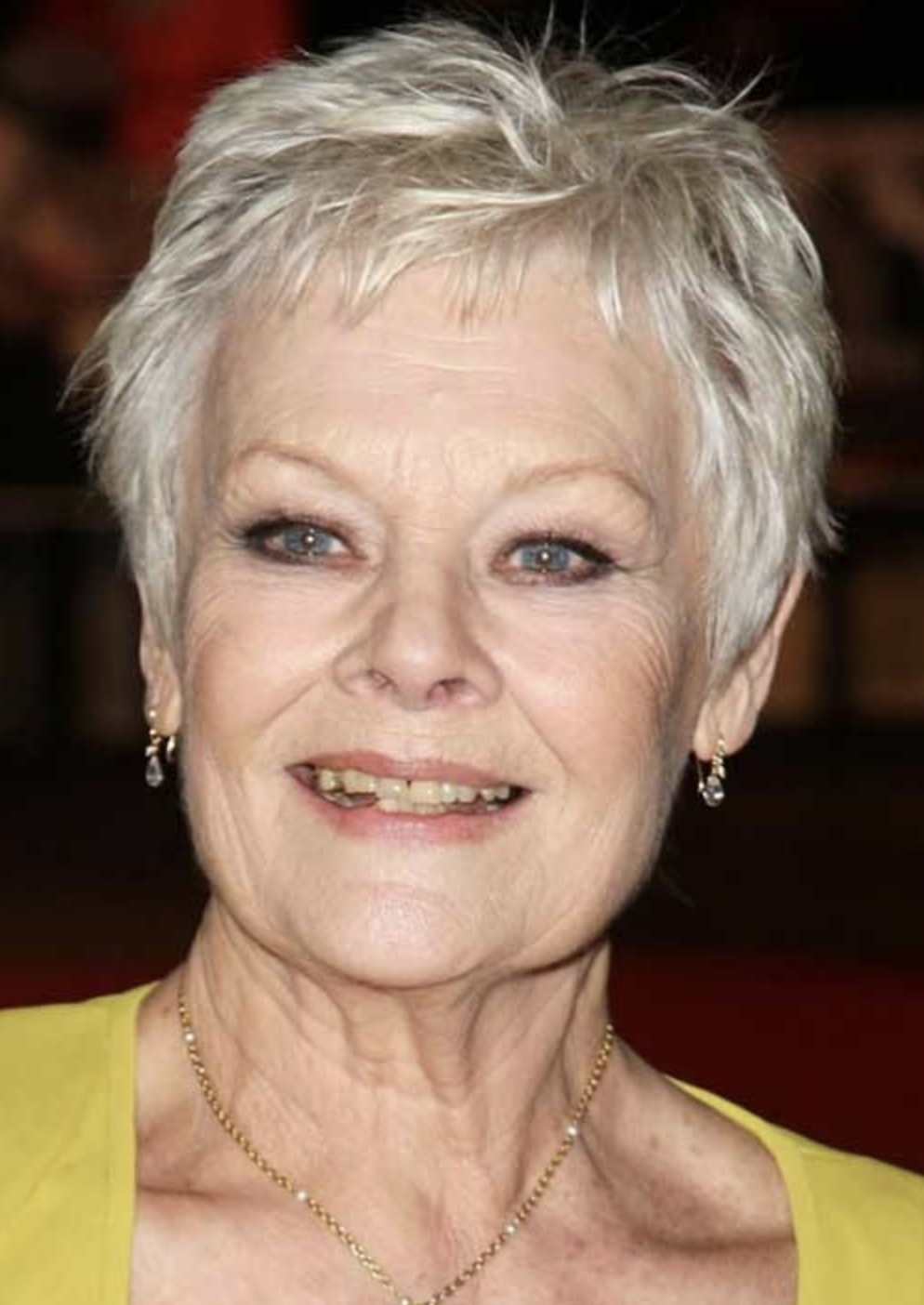
The question of whether short hairstyles create the illusion of added weight is a common concern for individuals considering a significant change to their hair length. This perception often stems from the idea that longer hair visually lengthens the neck and face, creating a slimming effect. Conversely, shorter styles are sometimes thought to emphasize the width of the face or body, potentially leading to the perception of increased weight. For example, a very short, blunt cut might accentuate the roundness of a face more than a layered, longer style.
Understanding the relationship between hairstyle and perceived body shape is valuable for anyone seeking a flattering and confident look. Historically, long hair has often been associated with femininity and beauty, potentially contributing to the anxiety some feel about adopting shorter styles. However, skilled stylists can tailor short haircuts to complement various face shapes and body types. Choosing the right cut, considering factors such as layering, texture, and volume, can create a balanced and harmonious appearance, regardless of an individual’s weight. Ultimately, a well-chosen short hairstyle can be incredibly stylish and empowering.
Exploring the nuances of how different hair lengths interact with individual features is key to dispelling this common misconception. Factors such as face shape, neck length, and overall body proportions play a significant role in how a particular hairstyle is perceived. This discussion will delve into these factors, offering practical advice and insights to help individuals make informed decisions about their hair, promoting confidence and self-acceptance.
1. Face Shape
Face shape plays a crucial role in determining whether a short haircut will create a flattering or less desirable appearance. Certain short styles can accentuate facial width, while others create a more balanced and elongated look. Understanding one’s face shape is therefore essential in choosing a short hairstyle that complements rather than detracts from overall appearance.
-
Round Faces
Round faces are characterized by equal width and length, with soft curves and a full appearance. Short haircuts can sometimes emphasize this roundness, potentially leading to the perception of a wider face. Styles that add height or create vertical lines, such as a pixie cut with volume on top or a layered bob that falls below the chin, can counteract this effect. Avoiding styles that add width at the cheeks or jawline is generally recommended.
-
Oval Faces
Oval faces are considered the most versatile shape, generally well-suited to a variety of hairstyles. Due to their balanced proportions, individuals with oval faces often have more flexibility with short hair, as the length doesn’t significantly impact the perceived width. From pixie cuts to bobs, many short styles can complement this face shape.
-
Square Faces
Square faces are characterized by a strong jawline and a forehead that’s roughly the same width. Short hairstyles can accentuate these angular features. Softening the jawline with layered cuts or adding texture and volume can create a more balanced appearance. Very short, blunt cuts might emphasize the squareness, while longer bobs or pixie cuts with wispy layers can create a more harmonious look.
-
Heart-Shaped Faces
Heart-shaped faces are wider at the forehead and taper down to a pointed chin. Short haircuts can work well with this shape, but it’s important to consider the balance. Styles that add fullness at the chin or jawline can help create a more proportional appearance. Pixie cuts with side-swept bangs or bobs that fall just below the chin can be particularly flattering.
By carefully considering face shape and choosing a style that complements its features, individuals can minimize the risk of a short haircut creating an undesired widening effect. Consulting with a skilled stylist who understands these principles can further enhance the chances of achieving a flattering and stylish short hairstyle.
2. Hair Texture
Hair texture significantly influences how a short haircut affects overall appearance. Texture encompasses the thickness or fineness of individual hair strands and the overall volume and density of the hair. These factors interact with the chosen cut to create different visual effects, potentially contributing to or mitigating the perception of added weight. Understanding these interactions allows for informed decisions about styles that complement individual hair characteristics.
Fine hair, characterized by thin individual strands and often lower overall density, can appear limp and flat when cut short. This lack of volume can sometimes create the illusion of a smaller head, which, in contrast with the body, can make the body appear larger. Conversely, thick hair, with its abundance of individual strands and greater density, can appear bulky and voluminous when cut short. This added volume around the face and neck can potentially accentuate the width of these areas, contributing to the perception of a fuller face or figure. For example, a blunt bob on fine hair might appear too severe and close to the head, while the same cut on thick hair could create an overly rounded silhouette.
Addressing the perceived impact of hair texture on perceived weight involves strategic styling choices. Those with fine hair might benefit from layered cuts and texturizing techniques that create volume and lift. This added volume can balance the proportions of the head and body, minimizing the potential for a widening effect. Thick hair, on the other hand, might benefit from thinning techniques or styles that control and distribute the volume more evenly. A layered cut that removes some bulk can prevent the hair from overwhelming the face and creating an overly round appearance. Ultimately, understanding one’s hair texture and working with a stylist to choose a cut and styling techniques that complement it are crucial for achieving a flattering and balanced look with short hair.
3. Body Type
The relationship between body type and the perceived effect of short hair on weight is complex and multifaceted. While hair length itself does not directly alter body mass, it can influence how proportions are perceived. Specific body types may appear more balanced or disproportionate with short hair depending on how the style interacts with overall stature and individual features. Understanding this interplay is crucial for choosing a flattering haircut that enhances rather than detracts from one’s appearance.
-
Petite Frames
Individuals with petite frames, characterized by shorter height and smaller bone structure, may find that overly voluminous or long hair overwhelms their figure. A shorter haircut can create a more balanced silhouette, preventing the hair from visually overpowering the body. However, very short styles might also emphasize the smallness of the frame, making the body appear proportionally larger in comparison. A balanced, shoulder-length cut or a slightly shorter style with layers can create a flattering sense of proportion.
-
Taller Frames
Taller individuals often have more flexibility with hair length due to their elongated proportions. Short hair can create a stylish and modern look, accentuating neck length and facial features. While concerns about appearing wider might exist, the added height often balances the overall silhouette. A pixie cut or a cropped bob can be particularly striking on taller frames, highlighting bone structure and creating a chic aesthetic.
-
Curvy Figures
Individuals with curvy figures might find that short hair draws attention to the upper body, potentially emphasizing the bust or shoulders. Depending on the desired effect, this can be either flattering or a concern. A well-chosen short cut can balance the proportions by drawing the eye upwards, creating a more harmonious silhouette. Styles that add volume at the crown or have soft, flowing lines can complement curves while minimizing any potential widening effect.
-
Athletic Builds
Athletic builds, characterized by broader shoulders and a more muscular physique, often pair well with short, textured hairstyles. These styles can enhance the strong lines of the body and create a dynamic, energetic look. Very short cuts can further emphasize the athleticism of the frame. However, if the goal is to soften the appearance, a slightly longer, layered style can create a more balanced and feminine aesthetic.
By considering body type in conjunction with face shape and hair texture, individuals can make informed choices about short hairstyles that complement their overall physique. A skilled stylist can provide personalized recommendations based on these factors, ensuring a flattering and harmonious result that enhances both confidence and style. Ultimately, the perceived effect of short hair on weight is highly individual and depends on a combination of these factors.
4. Styling Techniques
Styling techniques play a pivotal role in shaping the perception of short hair and its potential to create a widening effect. Specific techniques can either mitigate or exacerbate this concern, making the choice of styling crucial for achieving a desired look. Understanding how various techniques interact with face shape, hair texture, and body type allows for informed decisions that enhance rather than detract from overall appearance. This exploration delves into the nuances of these techniques, offering insights into their impact on perceived weight.
-
Volume and Lift
Creating volume at the crown of the head can elongate the face and create a more balanced silhouette. This is particularly beneficial for round or square face shapes, where added height can counteract the perception of width. Techniques like backcombing, using volumizing products, or incorporating a layered cut can achieve this effect. For instance, a short, layered bob with volume at the crown can create a more oval appearance, minimizing the potential for a widening effect. Conversely, a flat, close-cropped style might emphasize the width of the face.
-
Texture and Layering
Adding texture through layering or styling products can disrupt the visual weight of the hair, preventing it from appearing heavy or bulky. This is particularly relevant for thick hair, which can sometimes overwhelm the face and create a rounded appearance when cut short. Choppy layers, texturizing sprays, or even a subtle wave can break up the density and create a more flattering shape. For example, a pixie cut with textured layers can appear lighter and more dynamic than a blunt, one-length cut.
-
Strategic Parting
The placement of the hair part can subtly influence facial proportions. A deep side part can create asymmetry, breaking up the width of a round face and creating a more elongated look. A center part, on the other hand, might emphasize symmetry and potentially accentuate the width of a round or square face. Experimenting with different parting styles can reveal the most flattering option for an individual’s face shape.
-
Use of Color
Strategic use of color can also contribute to the perceived shape of the face and hair. Highlights and lowlights can create dimension and depth, preventing the hair from appearing flat and one-dimensional. This can be particularly helpful for fine hair, where adding visual interest can create the illusion of greater volume. Additionally, strategically placed darker shades can contour the face, creating a slimming effect.
Ultimately, the “does short hair make you look fatter” question hinges significantly on the chosen styling techniques. By understanding the interplay between volume, texture, parting, and color, individuals can leverage these tools to create a short hairstyle that complements their features and minimizes any potential widening effect. Consulting a skilled stylist can further refine these choices, ensuring a harmonious and flattering outcome that enhances confidence and style.
Conclusion
The perception of whether short hair contributes to a wider appearance is a nuanced issue, dependent on a complex interplay of factors rather than a simple yes or no answer. Face shape, hair texture, body type, and styling techniques all contribute significantly to the overall effect. While certain short styles might accentuate the width of round faces or add bulk to thick hair, these are challenges easily addressed through strategic choices. Layering, volumizing, and careful consideration of proportion can create flattering short hairstyles for diverse individuals. Ultimately, the suitability of short hair is determined not by weight, but by informed stylistic choices tailored to individual characteristics.
Rather than focusing on perceived limitations, individuals should explore the versatility and potential of short hairstyles. Collaborating with skilled stylists empowers informed decisions based on individual features, fostering confidence and self-expression. Embracing the transformative power of a well-chosen cut allows individuals to transcend anxieties surrounding weight perception and celebrate the unique beauty achievable through diverse hairstyles. The focus should shift from perceived negatives to the potential of short hair to enhance individual style and confidence.