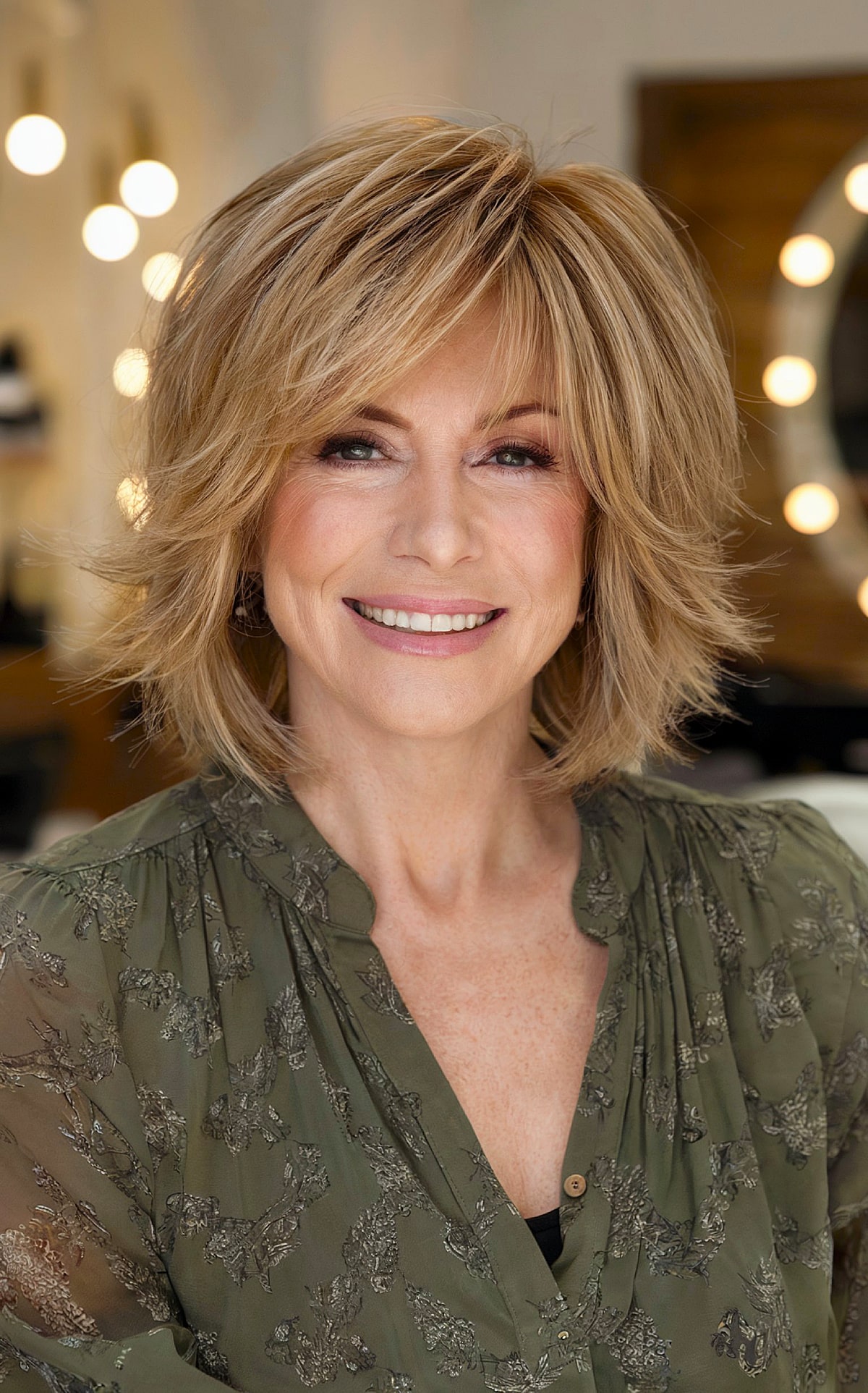
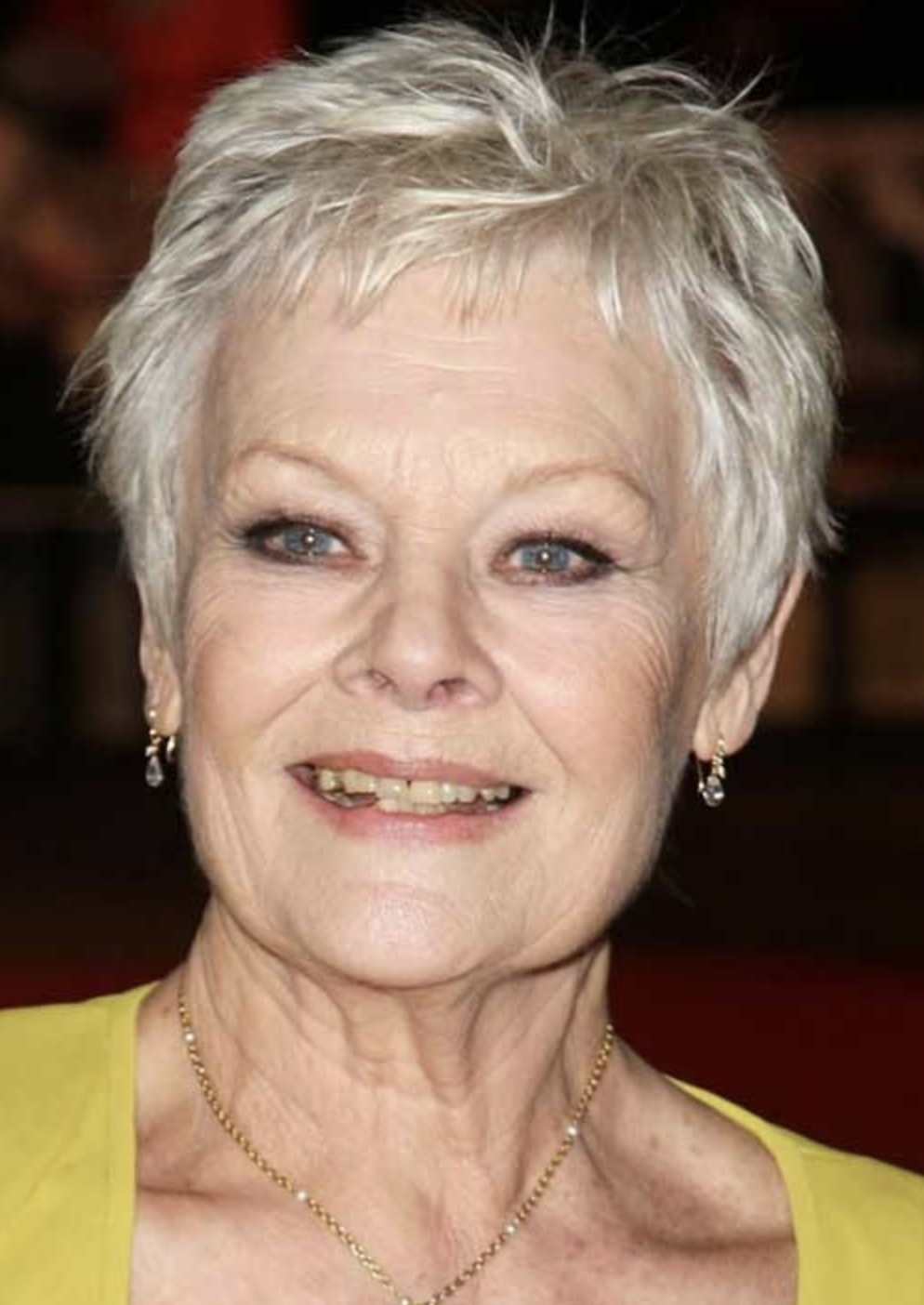
This striking hair color combines the palest of blonde shades with strategically placed darker strands. The extremely light blonde base creates a dramatic and fashionable look, while the inclusion of deeper tones adds dimension, depth, and visual interest, preventing the overall appearance from looking flat or washed out. An example is an icy white blonde interspersed with delicate strands of honey or beige blonde.
The interplay of light and dark hues offers several aesthetic advantages. It can create a more natural-looking blonde, mimicking the subtle variations found in naturally light hair. Lowlights add movement and texture, giving the hair a fuller, more dynamic appearance. This technique also softens the sometimes harsh contrast between very light hair and darker eyebrows or skin tones. Historically, single-process, all-over blonde shades, especially very light ones, could appear artificial. The introduction of lowlights provided a more sophisticated and nuanced approach to blonde hair coloring, contributing to its enduring popularity.
This article will further explore the nuances of achieving and maintaining this desirable hair color, including topics such as choosing the right lowlight shades, proper hair care techniques, and recommended styling practices.
1. Toning
Toning is a crucial step in achieving and maintaining platinum blonde hair with lowlights. The lightening process required to reach platinum blonde often strips the hair of its natural pigment, leaving behind unwanted yellow or brassy undertones. These warm tones clash with the desired cool, icy platinum shade. Toning utilizes specialized products, typically purple or blue-violet based, to neutralize these unwanted hues. The purple pigments counteract yellow, while blue-violet pigments address orange brassiness. This process results in a cleaner, brighter, and more true-to-tone platinum blonde. For instance, without toning, a platinum blonde with lowlights might appear yellowish or brassy, especially in natural or artificial light. However, with proper toning, the platinum blonde becomes a pristine, cool shade that harmonizes with the strategically placed lowlights.
The frequency of toning depends on individual factors such as hair porosity, washing habits, and environmental exposure. Highly porous hair tends to lose toner more quickly, requiring more frequent applications. Frequent washing can also accelerate toner fading. Moreover, environmental factors like sun exposure and hard water can contribute to brassiness. Therefore, understanding one’s individual hair characteristics and lifestyle is crucial for establishing an appropriate toning regimen. This ensures the longevity of the desired platinum blonde and prevents the lowlights from appearing too stark against a brassy background. Ultimately, correct toning enhances the overall aesthetic by creating a harmonious blend of cool platinum and strategically placed darker strands.
Effectively neutralizing unwanted warmth allows the carefully chosen lowlights to truly shine. The contrast between the cool platinum and the lowlights becomes more defined and visually appealing. Toning not only perfects the platinum base but also enhances the overall dimension and depth created by the lowlights. Challenges may include over-toning, which can result in an ashy or lavender hue. Careful product selection and precise application techniques mitigate this risk. By understanding the importance of toning and its impact on platinum blonde hair with lowlights, one can achieve and maintain this demanding yet rewarding hair color.
2. Maintenance
Maintaining platinum blonde hair with lowlights presents unique challenges due to the extensive lightening process involved. This process strips the hair of its natural pigment and protective oils, making it more susceptible to damage, dryness, and breakage. A dedicated maintenance routine is, therefore, essential for preserving the integrity and vibrancy of this demanding color.
-
Hydration and Conditioning
Bleached hair requires intense hydration to combat dryness and brittleness. Regular deep conditioning treatments replenish moisture and strengthen the hair shaft, preventing breakage and split ends. Utilizing moisturizing shampoos and conditioners specifically formulated for color-treated hair is also crucial. Examples include products containing ingredients like shea butter, argan oil, or keratin. Without adequate hydration, platinum blonde hair can become dry, brittle, and difficult to manage, diminishing the overall aesthetic of the lowlights.
-
Purple Shampoo and Toner
As mentioned previously, toning is essential for neutralizing unwanted yellow or brassy tones that can develop in platinum blonde hair. Regular use of purple shampoo and toner helps maintain the cool, icy blonde shade, preventing the lowlights from appearing too stark against a warmer background. The frequency of use depends on individual factors like hair porosity and washing habits. Overuse can lead to an ashy or purple cast, so careful monitoring is necessary.
-
Heat Protection
Heat styling can further damage already-compromised bleached hair. Minimizing heat exposure and utilizing heat protectant sprays before using hot tools like flat irons or curling irons is vital. These products create a barrier between the hair and the heat, reducing damage and preserving the color’s vibrancy. For example, applying a heat protectant spray before blow-drying can significantly reduce the risk of heat damage and color fading.
-
Regular Trims
Bleaching can lead to split ends and breakage, which can travel up the hair shaft, causing further damage. Regular trims, every 6-8 weeks, remove damaged ends, preventing further breakage and promoting healthy hair growth. This helps maintain the overall health and appearance of the hair, ensuring the lowlights continue to enhance the style rather than highlighting damaged areas.
These maintenance practices are interconnected and contribute to the overall health and vibrancy of platinum blonde hair with lowlights. Neglecting any of these aspects can compromise the color, leading to dryness, breakage, and unwanted brassiness. A holistic approach to maintenance, encompassing hydration, toning, heat protection, and regular trims, is crucial for preserving the beauty and longevity of this striking color combination.
3. Dimension
Dimension plays a critical role in the aesthetic success of platinum blonde hair with lowlights. Without strategically placed lowlights, platinum blonde, particularly the palest shades, can appear flat, one-dimensional, and even unnatural. The inclusion of lowlights introduces depth and visual interest, mimicking the subtle color variations found in natural hair. This depth prevents the platinum blonde from appearing like a solid block of color, creating movement and texture that enhance the overall style. The interplay of light and dark strands creates an illusion of fullness and body, which can be particularly beneficial for those with fine hair. For instance, lowlights placed beneath the crown can create a sense of lift and volume, while face-framing lowlights can soften features and add contour. The careful placement of lowlights can even create a sense of movement, as the eye is drawn along the varying shades.
The specific shade of the lowlights contributes significantly to the overall dimensional effect. Lowlights that are too close in tone to the platinum blonde will not create sufficient contrast and may fail to add noticeable depth. Conversely, lowlights that are too dark can appear stark and unnatural against the pale backdrop. Finding the right balance is essential. For example, incorporating lowlights just a few shades darker than the platinum base creates a subtle, sun-kissed effect, while using deeper shades can achieve a more dramatic and defined look. Ash blonde lowlights on a platinum base offer a cool, sophisticated dimension, while honey or golden blonde lowlights create a warmer, more vibrant feel. The choice of lowlight shade should complement the individual’s skin tone and desired overall aesthetic.
Understanding the impact of dimension on platinum blonde hair with lowlights is crucial for achieving a truly flattering and natural-looking result. The interplay of light and shadow, carefully crafted through the placement and shade of lowlights, transforms a potentially flat, single-toned color into a dynamic and multi-faceted style. Challenges may arise in achieving the perfect balance of contrast and harmony, but the resulta vibrant, healthy-looking, and dimensional platinum blondejustifies the effort and expertise involved. Ultimately, dimension is not merely an aesthetic element; it is the defining factor that elevates platinum blonde hair with lowlights to a sophisticated and visually captivating style.
4. Placement
The strategic placement of lowlights is paramount in achieving a natural and flattering look with platinum blonde hair. Lowlight placement dictates how light interacts with the hair, influencing the overall perception of dimension, movement, and shape. Careful consideration of placement ensures the lowlights complement facial features, hair texture, and desired style, preventing a disjointed or unbalanced appearance. Understanding the nuances of placement transforms lowlights from mere color accents to powerful tools for sculpting and enhancing the overall aesthetic.
-
Face-Framing Highlights
Lowlights placed around the face can soften features and create a contouring effect. These strategically positioned strands can brighten the complexion or draw attention to specific features, such as the eyes or cheekbones. For example, thinner, lighter lowlights around the forehead can create a subtle brightening effect, while thicker, darker strands along the jawline can add definition. The placement of these face-framing lowlights needs to be tailored to the individual’s face shape and desired outcome.
-
Underneath Placement for Volume
Positioning lowlights beneath the top layers of hair, particularly around the crown and nape, creates depth and a sense of volume. This technique is especially effective for fine or thin hair, as the interplay of light and dark shades creates an illusion of fullness. The concentration of lowlights in these areas creates a shadow effect, giving the hair a lift and preventing it from appearing flat against the scalp. This placement can be adjusted to suit different hairstyles and desired levels of volume.
-
Tips and Ends for a Natural Look
Concentrating lowlights on the tips and ends of the hair mimics the natural lightening effect of sun exposure. This technique creates a gradient effect, transitioning from the platinum blonde at the roots to slightly darker shades at the ends. This placement adds a touch of dimension without dramatically altering the overall platinum blonde look, maintaining a softer, more natural appearance. It also helps to blend out any previous color treatments, making the grow-out process less noticeable.
-
Horizontal Bands for Bold Definition
Horizontal bands of lowlights create a more dramatic and defined look. The placement of these bands can be varied in thickness and spacing to achieve different effects. Thicker, closely spaced bands create a bolder, more contrasted look, while thinner, more widely spaced bands offer a subtler effect. This placement technique is often used to create a sense of movement or to accentuate specific areas of the haircut, such as layers or textured ends.
The placement of lowlights in platinum blonde hair is not a one-size-fits-all approach. Each technique contributes a unique dimension to the overall aesthetic, influencing how light interacts with the hair and creating distinct visual effects. The choice of placement depends on individual factors like face shape, hair texture, and desired style. A skilled colorist analyzes these factors to create a personalized placement strategy that maximizes the impact of the lowlights, ensuring a harmonious and flattering result that complements the platinum blonde base.
Platinum Blonde Hair with Lowlights
Achieving and maintaining platinum blonde hair with lowlights requires a comprehensive understanding of the interplay between color, dimension, and hair health. This article explored the crucial elements contributing to a successful outcome, including the importance of toning for neutralizing unwanted brassiness, the necessity of a dedicated maintenance routine for preserving hair integrity, and the impact of dimension and strategic lowlight placement on the overall aesthetic. From face-framing highlights that contour and brighten to under-placed lowlights that create volume, the placement strategy significantly influences the final result.
Ultimately, platinum blonde hair with lowlights represents a sophisticated and demanding color choice. Its successful execution relies on a combination of technical expertise, careful product selection, and ongoing commitment to maintenance. The rewards, however, are undeniable: a vibrant, multi-dimensional, and strikingly beautiful hair color that embodies both elegance and boldness. Further exploration of individual hair characteristics and consultation with experienced colorists are recommended for those embarking on this transformative hair color journey.