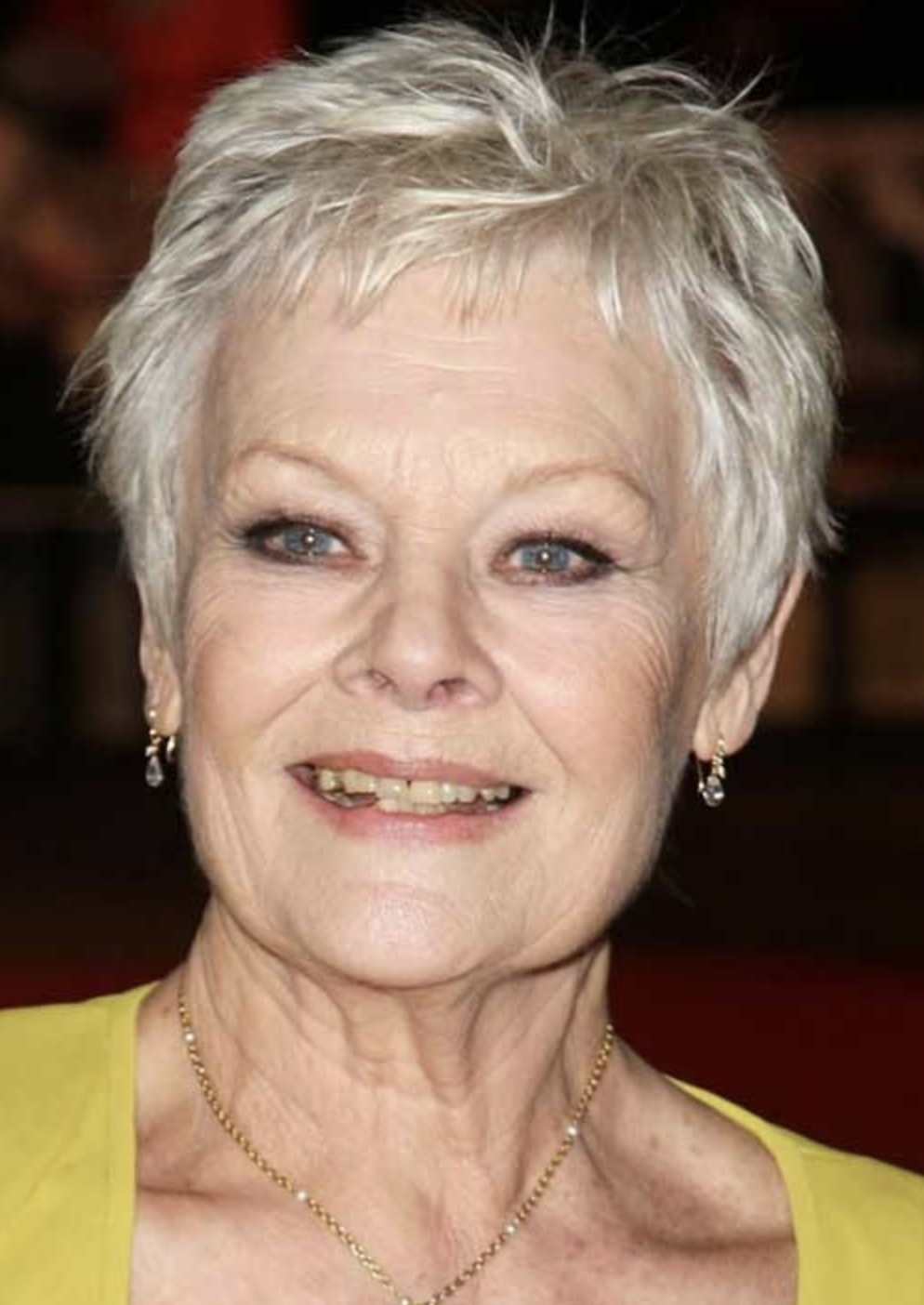
Close-cropped coifs styled for the female form encompass a wide range of looks, from dramatically shaved sides with longer tops to uniformly trimmed styles like the buzz cut. These styles can incorporate fades, undercuts, intricate designs, and varying lengths on top, offering diverse options for personal expression.
Such styles offer practicality and ease of maintenance, often requiring minimal styling time. They can project confidence, boldness, and individuality, challenging traditional feminine aesthetics. Historically, closely cropped hair on women has signified rebellion, subcultural affiliation, or a desire to break free from societal norms. Today, these looks are increasingly embraced as a mainstream fashion choice, celebrating diverse expressions of beauty.
The following sections will delve deeper into specific variations, styling tips, maintenance advice, and considerations for choosing a closely cropped cut. Factors such as face shape, hair texture, and lifestyle will be explored to provide a comprehensive guide for individuals considering this bold and stylish option.
1. Face Shape Suitability
Harmonizing a close-cropped cut with one’s face shape is paramount for achieving a flattering and balanced look. Careful consideration of facial contours and features ensures the chosen style enhances rather than detracts from overall aesthetics. Understanding these relationships empowers informed decision-making and personalized style choices.
-
Oval Faces
Considered the most versatile, oval faces generally complement most short, shaved styles. The balanced proportions allow for experimentation with various lengths, textures, and shaved designs. From a classic pixie with shaved sides to a bold, fully shaved head, oval faces offer a blank canvas for diverse expressions.
-
Round Faces
Styles that add height and angularity generally suit round faces best. A close-cropped cut with volume on top, such as a faux hawk or a textured pixie, can create the illusion of length. Shaved sides can further accentuate this effect, contributing to a more defined and less rounded appearance. Avoiding styles that add width at the cheekbones is generally recommended.
-
Square Faces
Softening the angles of a square face often involves incorporating curves and texture. A short, shaved style with a soft fringe or wispy layers can help achieve this. While shaved sides can be incorporated, maintaining some softness around the hairline can prevent an overly harsh appearance. Pixie cuts with textured layers or asymmetrical bobs can be particularly flattering.
-
Heart-Shaped Faces
Balancing a wider forehead with a narrower chin is key for heart-shaped faces. A short, shaved style with volume at the crown and sides can help achieve this balance. A side-swept fringe or layered bangs can also soften the forehead and draw attention to the eyes. Avoiding excessive volume on top is generally recommended.
Ultimately, selecting a close-cropped style should involve a holistic assessment of facial features. Consulting with a skilled stylist can provide personalized guidance, ensuring the chosen cut complements individual characteristics and desired aesthetic goals. While these guidelines offer a starting point, professional expertise can further refine the selection process, leading to a truly bespoke and flattering outcome.
2. Hair Texture Considerations
Hair texture plays a significant role in the outcome and suitability of close-cropped styles. Understanding the interplay between texture and cut allows for informed decisions, ensuring the desired aesthetic is achievable and maintainable. Various textural characteristics influence how a shaved style will lie, its volume, and the styling effort required.
Fine hair, characterized by its smaller diameter, can appear thinner with extremely short cuts. While a buzz cut might accentuate this thinness, incorporating slightly longer layers or textured sections can create an illusion of fullness. A pixie cut with subtle layering, for example, can add volume and movement, preventing a flat appearance. Similarly, incorporating a side-swept fringe can add dimension and interest.
Conversely, thick hair offers more versatility with close-cropped styles. Its density allows for bolder, more dramatic looks, such as undercuts or shaved designs. The natural volume of thick hair holds styles well, requiring minimal styling effort. However, careful texturizing might be necessary to prevent excessive bulk and ensure the desired shape is maintained. Techniques like point cutting or razoring can help reduce weight and create movement.
Curly and coily hair presents unique considerations. Short, shaved styles can emphasize the curl pattern, creating a voluminous and textured look. However, shrinkage must be accounted for when determining the desired length. Working with a stylist experienced in cutting curly hair is crucial for achieving the desired shape and managing volume. Techniques like twist-outs or braid-outs can enhance the natural texture and create defined curls.
Straight hair, while often perceived as easy to manage, can sometimes lack volume in close-cropped styles. Incorporating texturizing techniques or styling products can add lift and prevent a flat appearance. A pixie cut with choppy layers or a textured bob can create movement and interest. Alternatively, a sleek, close-cropped style can embrace the natural straightness for a minimalist and chic aesthetic.
Considering hair texture is essential for achieving a successful and flattering close-cropped style. This understanding enables informed choices, minimizing potential challenges and maximizing the desired aesthetic outcome. Collaboration with a skilled stylist ensures personalized guidance and a tailored approach, resulting in a harmonious blend of cut and texture.
3. Maintenance and Styling
Maintenance and styling requirements are significantly impacted by the specific type of close-cropped cut chosen. Buzz cuts, characterized by their uniform shortness, demand minimal styling. Regular trims every few weeks maintain the desired length and prevent the look from growing out untidily. Product use is minimal, often limited to a light moisturizer or scalp treatment as needed. This low-maintenance characteristic makes buzz cuts a practical choice for individuals seeking a streamlined grooming routine.
Conversely, styles incorporating longer lengths, such as pixie cuts or undercuts, require more involved styling. Products like waxes, pomades, or gels create texture, definition, and hold. Blow-drying may be necessary to achieve desired volume and shape. Regular trims are still crucial for maintaining the overall silhouette and preventing the style from looking overgrown. The frequency of trims depends on the specific cut and individual hair growth rate, typically ranging from every four to eight weeks.
Shaved designs introduce another layer of maintenance. Maintaining crisp lines and intricate patterns requires frequent touch-ups, often as often as every two weeks. This commitment ensures the design remains sharp and visible. Specialized tools, like detailer clippers, may be necessary for at-home maintenance. Alternatively, regular visits to a skilled barber or stylist can ensure professional-level upkeep of intricate shaved designs.
Choosing the appropriate styling products depends on hair texture and desired finish. Thick hair may benefit from stronger hold products to manage volume and define shape. Fine hair, on the other hand, may require lighter products to avoid weighing it down. Specific styling techniques, like finger-styling or using a comb, further contribute to the desired aesthetic. Experimentation and consultation with a stylist can help determine the optimal product and technique combination for individual needs and desired looks.
Understanding the maintenance and styling requirements associated with various close-cropped cuts is essential for making informed decisions. This awareness empowers individuals to choose styles that align with their lifestyle and desired level of upkeep. Considering factors like trim frequency, product needs, and styling time ensures a sustainable and satisfying grooming routine. This proactive approach minimizes potential frustration and maximizes the enjoyment of a chosen close-cropped style.
4. Personal Style Expression
Close-cropped hairstyles offer a powerful medium for conveying individuality and making bold statements. The versatility of these styles allows for a diverse range of expressions, reflecting personality, values, and aesthetic preferences. From subtle nuances to dramatic transformations, shaved styles empower individuals to curate a visual identity that resonates with their inner selves.
-
Rebellion and Nonconformity
Historically, women adopting close-cropped styles often challenged societal norms and embraced counter-cultural movements. This association with rebellion and nonconformity remains relevant today, with shaved hairstyles representing a rejection of traditional femininity and an embrace of individuality. A buzz cut, for example, can signal a desire to break free from conventional beauty standards and express autonomy.
-
Confidence and Empowerment
The choice to embrace a close-cropped style often signifies confidence and self-assuredness. These styles require a certain level of boldness, demonstrating a willingness to stand out and challenge expectations. This act of embracing unconventional aesthetics can be deeply empowering, fostering self-acceptance and promoting a positive self-image.
-
Professionalism and Chic Minimalism
Close-cropped cuts can also project an image of professionalism and chic minimalism. A sleek pixie cut or a precisely sculpted undercut can convey sophistication and attention to detail. These styles often complement tailored wardrobes and minimalist aesthetics, creating a polished and contemporary look. This versatility allows individuals to adapt their shaved style to various professional and social contexts.
-
Creative Expression and Artistic Flair
Shaved hairstyles offer a canvas for creative expression, allowing individuals to showcase artistic flair. Incorporating vibrant hair colors, intricate shaved designs, or asymmetrical elements can transform a close-cropped cut into a work of art. This potential for personalization allows for limitless possibilities, reflecting individual passions and aesthetic sensibilities.
Ultimately, the connection between personal style expression and close-cropped hairstyles lies in the power of choice. These styles offer a spectrum of possibilities, allowing individuals to craft a visual narrative that aligns with their unique identity. Whether embracing rebellion, projecting confidence, or showcasing artistic flair, close-cropped cuts empower individuals to celebrate their individuality and make a statement through their chosen aesthetic.
5. Lifestyle Compatibility
Practicality and ease of maintenance often drive hairstyle choices. Close-cropped styles for women, while diverse in aesthetic, offer distinct advantages and disadvantages depending on individual lifestyles. Evaluating these factors ensures a harmonious balance between desired appearance and daily demands.
-
Active Lifestyles
Individuals with active lifestyles, including athletes and those with physically demanding occupations, often find close-cropped styles particularly convenient. Reduced styling time and minimal product requirements streamline grooming routines. Short hair stays in place during workouts and requires less frequent washing, making it a practical choice for those constantly on the move. The low-maintenance nature of these styles frees up time and energy for other pursuits.
-
Professional Environments
While societal acceptance of diverse hairstyles is increasing, certain professional environments may still hold conservative expectations. Close-cropped styles, particularly those that are extremely short or incorporate unconventional elements, may be perceived as less formal in some contexts. Navigating these nuances requires careful consideration of workplace culture and industry standards. Opting for a more polished pixie cut or a subtly shaved undercut can strike a balance between personal expression and professional appropriateness.
-
Travel and Low-Maintenance Needs
Frequent travelers or those seeking minimal upkeep often gravitate towards close-cropped styles. These cuts simplify packing and reduce the need for styling tools and products. The ease of maintenance allows for effortless styling on the go, making them ideal for individuals with busy schedules or those who prioritize convenience. The wash-and-go nature of these styles proves invaluable in diverse climates and travel scenarios.
-
Climate Considerations
In warmer climates, short, shaved styles offer a welcome respite from heat and humidity. The reduced hair coverage allows for better air circulation and prevents overheating. This practical benefit contributes to increased comfort and ease of management in hot and humid conditions. Conversely, in colder climates, the lack of insulation may necessitate additional headwear for warmth and protection.
Ultimately, the compatibility of a close-cropped style hinges on individual priorities and lifestyle demands. Evaluating factors like activity level, professional environment, travel frequency, and climate considerations ensures a harmonious balance between desired aesthetic and practical needs. This thoughtful approach empowers informed decision-making, leading to a hairstyle that seamlessly integrates with one’s daily life.
Short Shaved Hairstyles for Women
Closely cropped coifs offer a diverse range of options for women seeking stylistic expression, practicality, and a departure from traditional aesthetics. From face shape considerations and hair texture compatibility to maintenance requirements and lifestyle implications, various factors contribute to successful implementation. Understanding these elements empowers informed choices and personalized outcomes, aligning desired looks with individual needs and preferences. The exploration of personal style expression further underscores the potential of these styles to convey confidence, individuality, and a willingness to challenge conventional norms.
Ultimately, the increasing prevalence of close-cropped styles signifies a shift towards embracing diverse expressions of beauty and challenging traditional gender norms. As societal perceptions evolve, these styles continue to gain acceptance and recognition as valid and empowering choices for women. Careful consideration of the factors discussed herein empowers individuals to embark on this stylistic journey with confidence and achieve a look that resonates with their personal vision.