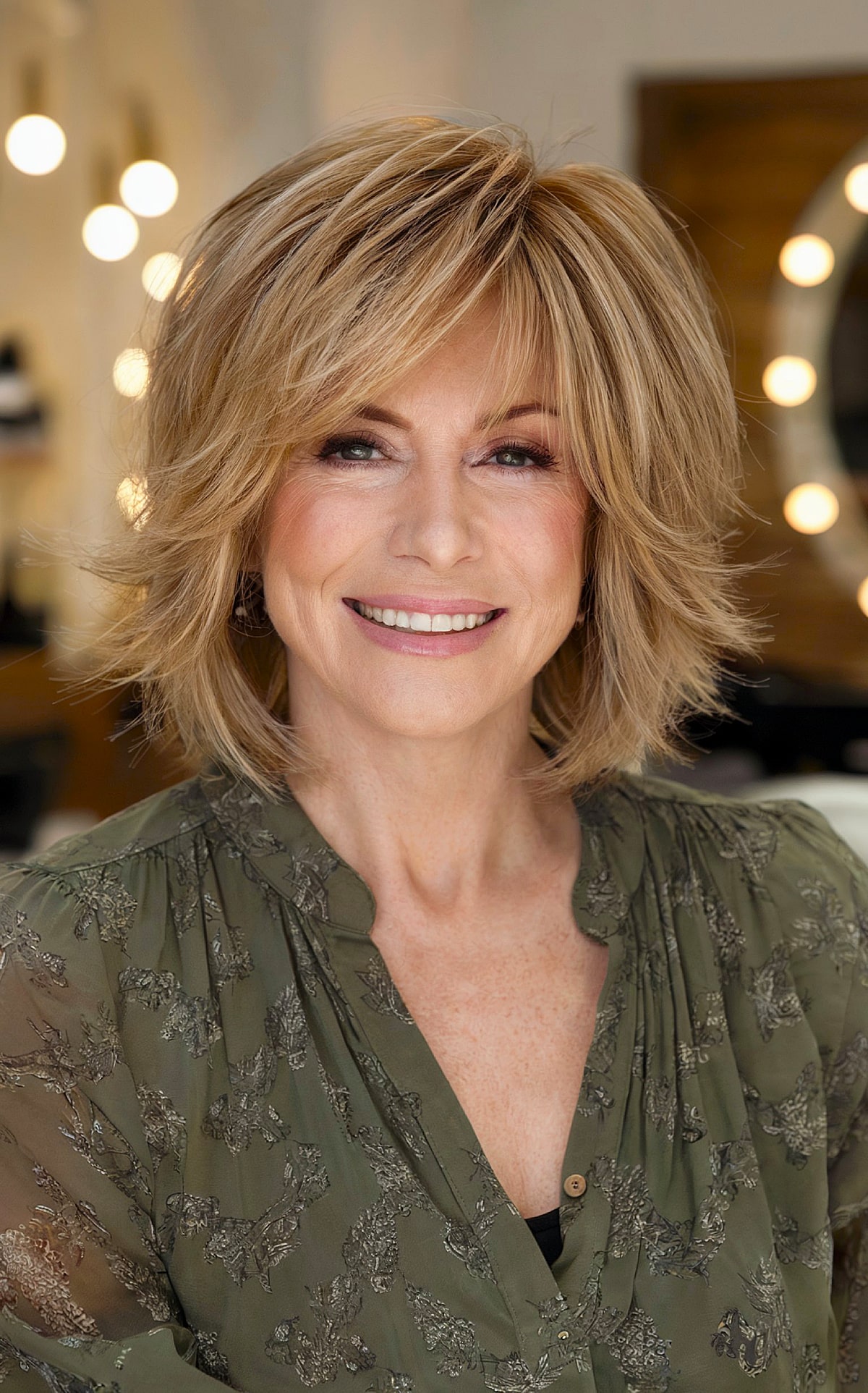
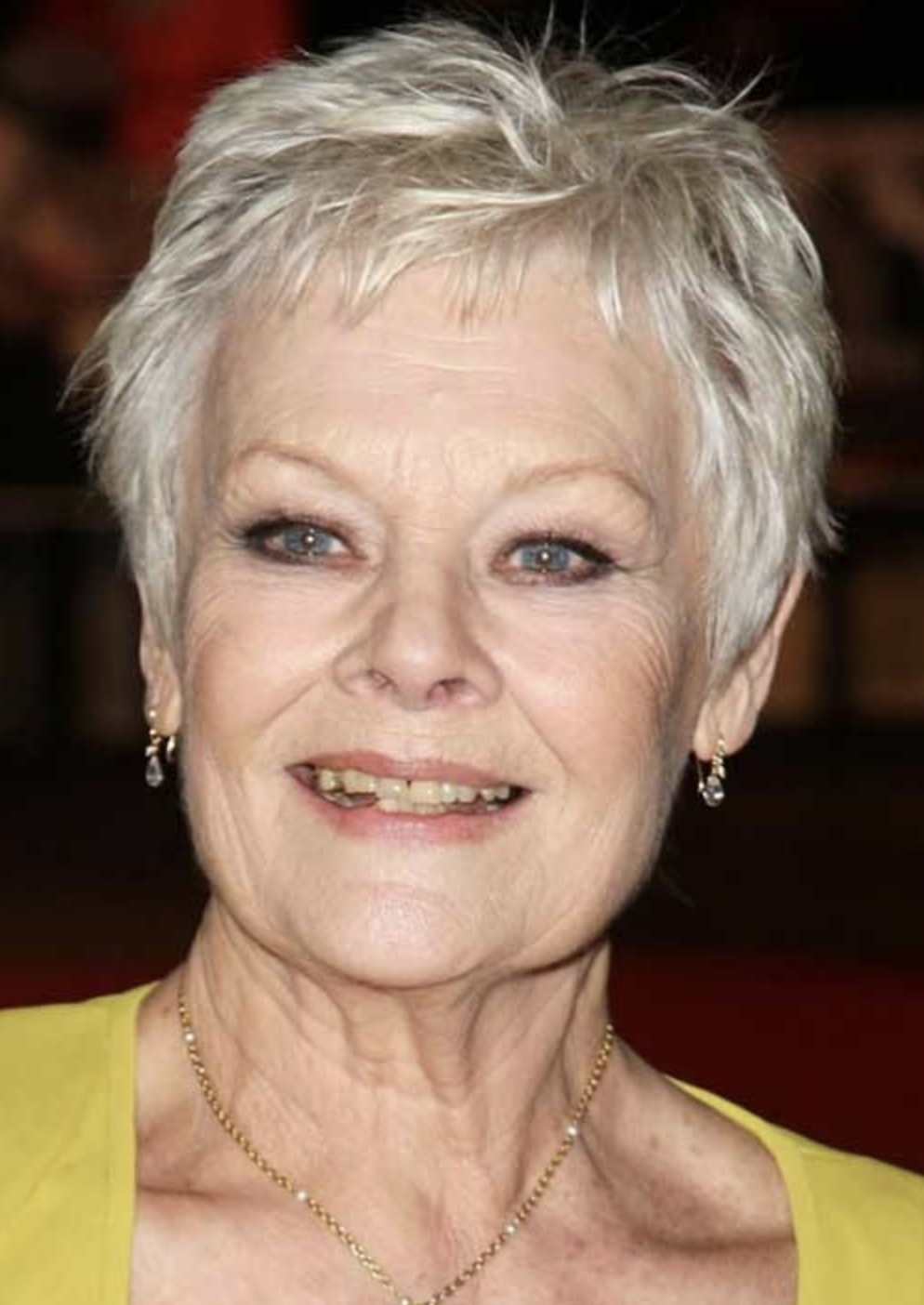
Reaching the milestone of four decades often prompts individuals to re-evaluate personal style, including hair. Mature individuals may seek styles that complement evolving facial features, hair texture, and lifestyle. A contemporary cut, for example, might involve incorporating face-framing layers or embracing natural graying with strategically placed highlights.
Appropriate and flattering hair can significantly impact confidence and self-perception. A well-chosen style can soften facial features, create a more youthful appearance, or project a sense of professionalism and sophistication. Historically, societal expectations surrounding age and appearance have influenced hair trends. However, contemporary trends emphasize individuality and personal expression, allowing greater flexibility and choice for mature individuals.
This article will explore various factors influencing hair choices for this demographic, including face shape, hair type, lifestyle considerations, and current trends. Specific styles, maintenance tips, and professional advice will be offered to guide individuals in selecting a look that enhances their unique qualities and personal aesthetic.
1. Face Shape
Face shape plays a crucial role in determining which hairstyles will flatter and enhance mature features. Selecting a style that complements one’s face shape can create a more balanced and harmonious appearance. Understanding the nuances of different face shapes provides a foundation for making informed decisions about hair length, volume, and overall silhouette.
-
Oval
Characterized by balanced proportions and gently rounded contours, oval faces can generally accommodate a wide range of hairstyles. From long layers to short pixies, the versatility of this shape allows for experimentation with various lengths and textures. Celebrities such as Cate Blanchett and Julianne Moore demonstrate the adaptability of oval faces to diverse styles.
-
Round
Round faces benefit from styles that create the illusion of length and definition. Long layers, asymmetrical cuts, and styles with height at the crown can elongate the face and soften roundness. Think of hairstyles worn by Cameron Diaz or Chrissy Teigen. Avoiding overly voluminous styles that add width is generally recommended.
-
Square
Strong jawlines and angular features define square faces. Soft, layered cuts and styles that frame the face can help balance these angles. Side-swept bangs or waves can soften the appearance and add a touch of femininity. Observe styles worn by Olivia Wilde or Angelina Jolie for inspiration.
-
Heart
Heart-shaped faces are wider at the forehead and narrow towards the chin. Styles that add fullness at the bottom or around the chin can create a more balanced look. Chin-length bobs or layered cuts that frame the lower face can be particularly flattering. Reese Witherspoon and Scarlett Johansson often showcase styles that complement heart-shaped faces.
By considering face shape as a primary factor, individuals can choose hairstyles that not only enhance their appearance but also boost confidence. A well-chosen style can create a more youthful and polished look, allowing individuals to embrace their evolving features with grace and style. Consulting with a stylist can provide personalized recommendations and ensure a flattering outcome tailored to individual needs and preferences.
2. Hair Texture
Hair texture significantly influences how a hairstyle will lay, its volume, and the overall aesthetic. Understanding one’s hair texture is crucial for selecting styles that are both manageable and flattering for mature individuals. This involves considering factors such as thickness, coarseness, and curl pattern, which can change over time, particularly around the age of forty.
-
Fine Hair
Fine hair can appear thin and lack volume. Styles that add body and create the illusion of fullness are often preferred. Shorter cuts, layered bobs, and textured pixies can work well with fine hair. Blunt cuts can also create the appearance of thicker ends. Avoid overly long styles that can emphasize thinness. Products designed to add volume and texture can enhance the overall look.
-
Thick Hair
Thick hair offers a wide range of styling options due to its natural volume and body. Long layers, textured cuts, and even blunt styles can work well. However, managing thickness can sometimes be challenging. Layering can help reduce weight and create movement, while thinning shears can reduce bulk without compromising length. Updos and braids are also excellent options for managing thick hair.
-
Curly Hair
Curly hair requires specific care and styling techniques to enhance its natural texture and minimize frizz. Embracing natural curls with layered cuts, diffused drying, and curl-enhancing products can create defined and bouncy styles. Shorter, cropped styles can also work well, emphasizing the curl pattern. Avoiding heavy products that weigh down curls is essential.
-
Straight Hair
Straight hair offers versatility in styling, but can sometimes appear flat. Adding layers can create movement and dimension. Blunt cuts can showcase healthy, sleek strands. Waves or curls can be added with styling tools for a more voluminous look. Regular trims help maintain healthy ends and prevent split ends, which are more noticeable on straight hair.
Selecting a style that complements natural hair texture is key to achieving a look that is both flattering and easy to maintain. As hair texture can change with age, reevaluating styling techniques and products becomes increasingly important for maintaining healthy and vibrant hair in one’s forties and beyond. Consultation with a stylist can provide personalized recommendations and ensure a style that works harmoniously with individual hair texture and desired aesthetic.
3. Lifestyle
Lifestyle significantly influences hairstyle choices for individuals in their forties. Careers, family responsibilities, social activities, and personal preferences all contribute to the practicality and suitability of a particular hairstyle. A busy professional, for instance, might opt for a low-maintenance style like a sleek bob or a pixie cut that requires minimal styling time. Conversely, an individual with more flexible time constraints might embrace longer, more elaborate styles requiring more upkeep. Active lifestyles often necessitate hairstyles that can be easily managed and secured, such as ponytails, braids, or shorter, layered cuts. Similarly, personal style preferences, whether classic, trendy, or bohemian, further refine hairstyle choices within the context of individual lifestyles.
Considering lifestyle factors ensures a harmonious balance between aesthetics and practicality. A mismatch between hairstyle and lifestyle can lead to frustration and dissatisfaction. For example, a high-maintenance style requiring frequent salon visits and elaborate styling routines might prove impractical for an individual with a demanding career and limited free time. Conversely, a simple, low-maintenance style might not fulfill the aesthetic desires of someone who enjoys expressing creativity and individuality through their hair. Thoughtful consideration of these factors leads to a hairstyle that seamlessly integrates into daily life and enhances overall well-being.
Harmonizing hairstyle with lifestyle streamlines daily routines and enhances self-confidence. Practicality, manageability, and personal expression converge to create a look that reflects individual circumstances and preferences. Ultimately, a well-chosen hairstyle complements, rather than complicates, a fulfilling and dynamic life in one’s forties and beyond. Understanding the interplay between lifestyle and hairstyle empowers individuals to make informed choices that support their overall image and contribute to a positive self-image.
4. Current Trends
Current trends play a significant role in shaping hairstyle choices for individuals in their forties. While classic styles remain timeless, incorporating modern elements can update a look and create a contemporary feel. However, navigating trends requires a discerning approach, selecting those that complement individual features and personal style rather than blindly following fleeting fads. The long bob, for example, remains a popular trend adaptable to various face shapes and hair textures. Subtle balayage highlights offer a natural, sun-kissed effect that complements mature skin tones. Textured cuts and styles embracing natural waves or curls also reflect current trends while minimizing styling efforts.
Understanding current trends allows individuals to integrate modern elements into their hairstyles while maintaining a sense of sophistication and timelessness. Overly trendy styles can quickly appear dated, whereas incorporating subtle updates can keep a look fresh and current. For instance, incorporating face-framing layers or experimenting with a slightly asymmetrical cut can add a modern touch without drastically altering a classic style. Observing celebrities and style icons in a similar age demographic can provide inspiration and guidance on how to incorporate current trends effectively. Jennifer Aniston, for example, consistently showcases stylish, age-appropriate hairstyles that incorporate current trends without appearing overly trendy.
Integrating current trends into hairstyles for individuals in their forties requires a balance between modernity and timelessness. A thoughtful approach, considering individual features, lifestyle, and personal preferences ensures a flattering and contemporary look that avoids fleeting fads. This approach empowers individuals to express their personal style while embracing the dynamism of evolving hair trends, resulting in a confident and stylish appearance that transcends age.
Hairstyles for Forty Year Olds
Navigating hairstyle choices in one’s forties involves a nuanced understanding of face shape, hair texture, lifestyle, and current trends. Each element contributes significantly to a flattering and contemporary look. Careful consideration of these factors empowers individuals to select styles that enhance natural features, reflect personal style, and simplify daily routines. From classic bobs to textured pixies, the options are diverse, catering to individual preferences and lifestyle demands.
Ultimately, selecting a hairstyle at this stage of life represents an opportunity for self-expression and embracing individuality. Strategic choices can create a polished and confident image that reflects personal evolution and growth. This journey of exploration encourages embracing change and celebrating one’s unique attributes, ultimately leading to a more empowered and stylish self.