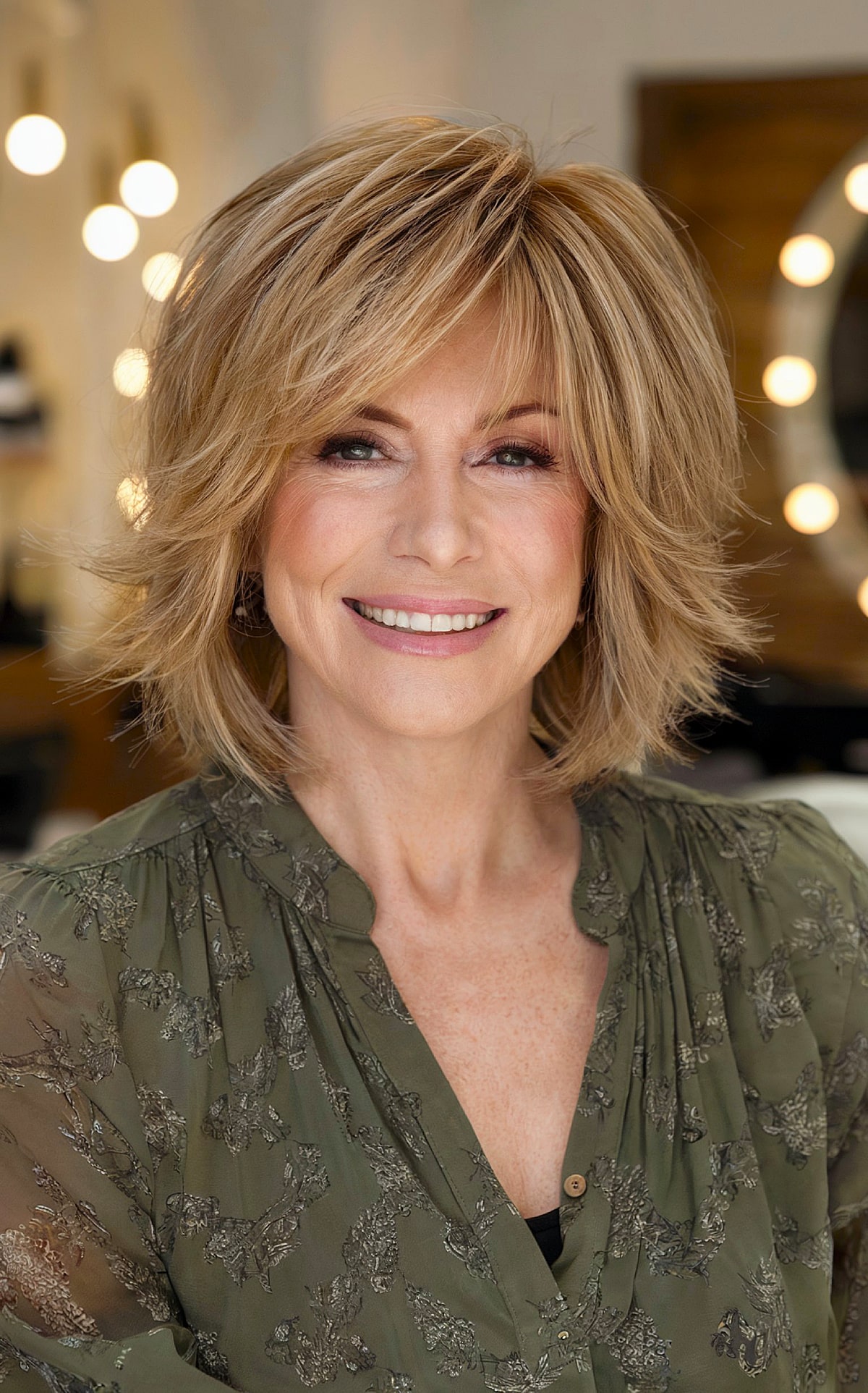
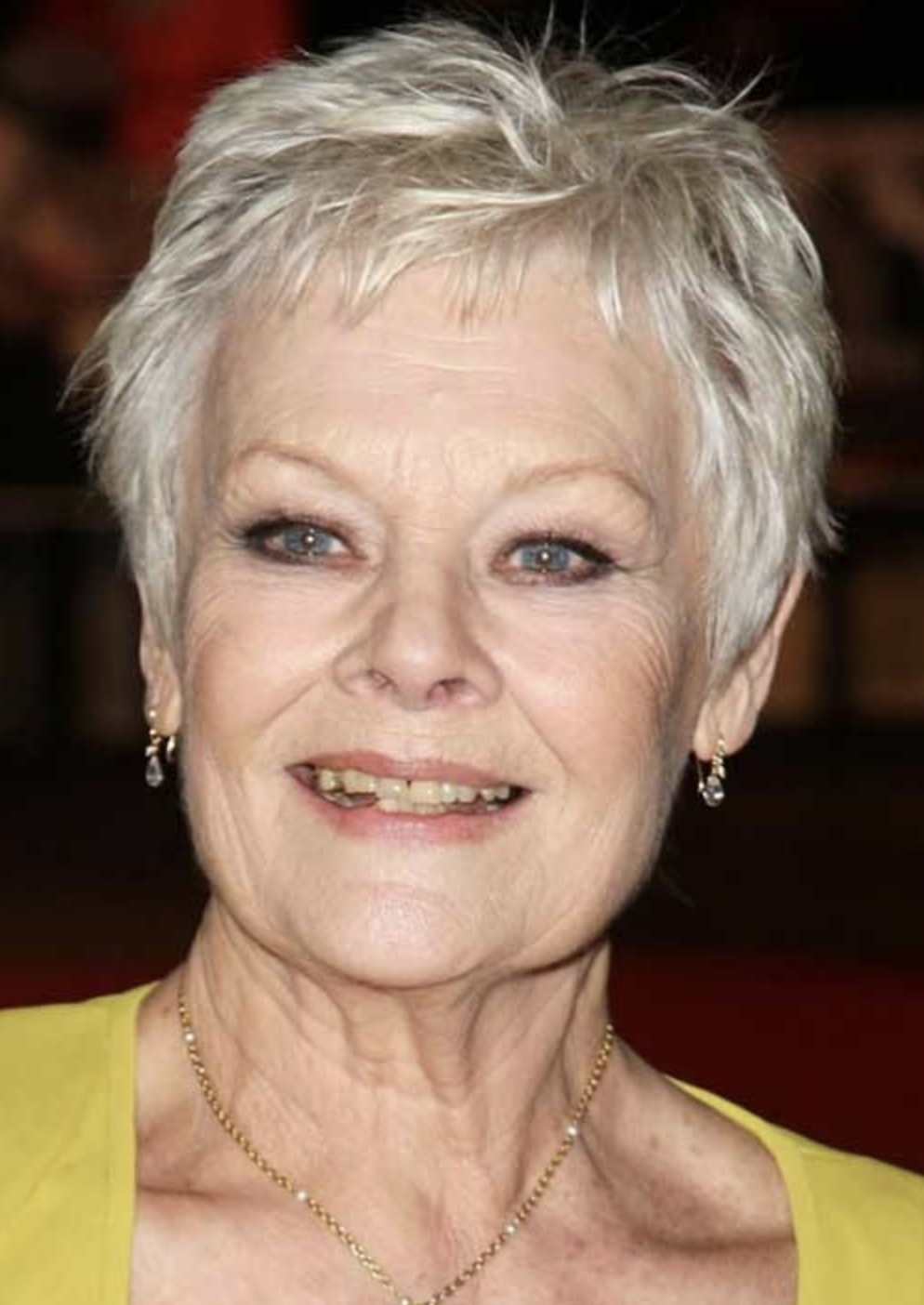
Shoulder-grazing haircuts enhanced by varying lengths create dimension, movement, and texture. This styling approach can range from subtle, barely-there layering to more pronounced stepped lengths, offering versatility for various hair textures and face shapes. Imagine a cascade of strands, each contributing to a dynamic and visually appealing overall look. This technique can be applied to straight, wavy, or curly hair, offering tailored results based on individual needs and preferences.
The incorporation of graduated lengths provides numerous advantages. It can add volume to fine hair, create a sense of lightness in thicker hair, and enhance the natural curl pattern in wavy or curly hair. Historically, layered hairstyles have cycled in and out of fashion, reflecting evolving aesthetic trends. Their enduring popularity speaks to their adaptability and effectiveness in creating flattering and manageable looks.
This discussion will further explore specific layered styles suited for shoulder-length hair, offering guidance on choosing the right cut, styling techniques, and maintenance tips. Various face shapes and hair textures will be considered to provide a comprehensive understanding of this versatile styling approach.
1. Face Shape Suitability
A key factor in the success of layered, medium-length hairstyles lies in their harmony with the individual’s face shape. Careful consideration of facial contours ensures the chosen style complements rather than detracts from overall appearance. The goal is to create balance and highlight positive features. For instance, long, face-framing layers can soften the angles of a square face, while shorter, choppy layers can add width to a narrow, oblong face. Round faces often benefit from layers that add height and definition, avoiding styles that add width at the cheekbones. Understanding these relationships allows for personalized styling choices.
Stylists often employ layered cuts to create the illusion of a more oval face shape, considered universally flattering. This involves strategically placing layers to add or subtract volume in specific areas. For example, individuals with heart-shaped faces might benefit from layers that add fullness to the lower half of the face, balancing a wider forehead. Diamond-shaped faces, characterized by wide cheekbones and a narrow chin, can be complemented by layers that soften the angles and add width at the jawline. The interplay of layers and face shape allows for a nuanced approach to achieving a harmonious look.
Matching a layered hairstyle to face shape is essential for achieving a balanced and flattering outcome. This understanding empowers individuals to make informed decisions about their hair, ensuring the chosen style enhances their natural features. Consultation with a skilled stylist can provide further personalized guidance, taking into account individual hair texture, density, and styling preferences to achieve the most complementary and aesthetically pleasing result.
2. Hair Texture Considerations
Achieving a successful medium-length layered hairstyle relies heavily on understanding individual hair texture. Texture significantly influences how layers fall, move, and respond to styling. Careful consideration of texture ensures the chosen layered style complements natural hair characteristics, minimizing styling challenges and maximizing the desired outcome.
-
Fine Hair
Fine hair often benefits from layers that create the illusion of fullness and volume. Shorter layers, particularly around the crown, can lift the hair and prevent it from appearing flat. However, excessive layering can sometimes backfire, making hair appear thinner. A skilled stylist can determine the optimal balance of layers to achieve desired volume without compromising overall density.
-
Thick Hair
Thick hair can appear bulky and heavy without layering. Strategically placed layers remove excess weight, allowing for greater movement and manageability. Layers can also prevent the “triangle” effect, where hair appears wide at the bottom and narrow at the top. Texturizing techniques, such as point cutting or razoring, can further soften the ends and enhance movement.
-
Curly Hair
Layering curly hair requires a nuanced approach to enhance natural curl definition and prevent unwanted frizz. Layers should be shaped to work with the curl pattern, rather than against it. Longer layers often work best, allowing curls to cascade naturally. Shorter layers can sometimes disrupt the curl pattern and create a choppy, uneven appearance.
-
Wavy Hair
Wavy hair presents unique opportunities for layered styles. Layers can enhance natural wave definition, creating a tousled, beachy look. The degree of layering can be adjusted to control the amount of wave, from subtle undulations to more pronounced curls. Product selection and styling techniques play a crucial role in achieving the desired level of wave definition and texture.
By considering these textural nuances, individuals can select layered styles that complement their natural hair characteristics. This ensures the final look is not only aesthetically pleasing but also easy to manage and style. A thorough consultation with a stylist experienced in working with different hair textures is recommended to determine the most appropriate layering technique and achieve optimal results.
3. Layering Techniques
Layering techniques form the foundation of successful medium-length hairstyles, directly influencing shape, volume, and movement. These techniques involve cutting hair at varying lengths to create texture and dimension. The specific technique employed depends on the desired outcome, hair texture, and face shape. For example, point cutting creates textured ends, ideal for adding movement to fine hair. Slide cutting, on the other hand, removes weight and creates a softer, more blended look, well-suited for thick hair. Razoring produces a wispy, textured effect often used in contemporary, edgy styles. Understanding the nuances of these techniques allows stylists to tailor the cut to individual needs.
The interplay between layering techniques and the overall aesthetic of medium hairstyles is significant. Subtle layering can add gentle movement and shape, while more pronounced layering creates a dramatic, voluminous effect. Face-framing layers, a common technique, soften facial features and draw attention to the eyes. Internal layers, cut beneath the surface of the hair, add volume and texture without affecting the overall length. The choice of technique directly impacts the final look, demonstrating the crucial role layering plays in shaping medium-length styles. A graduated bob, for instance, relies on stacked layering in the back to create a rounded shape, while a shag haircut employs choppy layers throughout to achieve a textured, rebellious look.
Mastery of layering techniques empowers stylists to create versatile and personalized medium-length haircuts. The appropriate application of these techniques enhances natural hair characteristics, addresses specific styling challenges, and achieves the desired aesthetic. Challenges can include over-layering, which can result in thin, wispy ends, or under-layering, leading to a lack of movement and shape. Successful layering lies in achieving balance and precision, resulting in a harmonious blend of texture, volume, and movement within the overall framework of the medium-length style. This understanding is essential for creating looks that are not only fashionable but also tailored to individual needs and preferences.
4. Styling Options
The versatility of medium-length layered hair lies in the multitude of styling options available. Layering creates texture and movement, providing a foundation for diverse looks ranging from sleek and polished to tousled and textured. Understanding how to manipulate layers through various styling techniques unlocks the full potential of this haircut.
-
Blowout Techniques
A classic blowout can transform layered hair into a smooth, voluminous style. Using a round brush and a concentrator nozzle on a hairdryer directs airflow to lift hair at the roots and create a polished finish. This technique is ideal for showcasing the layering, creating a sense of fullness and body. Various brush sizes and techniques can achieve different effects, from bouncy curls to sleek, straight styles.
-
Air Drying and Enhancing Natural Texture
For a more relaxed, low-maintenance look, air drying layered hair enhances natural texture. Applying a texturizing product, such as a mousse or sea salt spray, before air drying encourages wave formation and defines layers. This method is particularly well-suited for wavy or curly hair, allowing natural curl patterns to emerge without the need for heat styling. It creates an effortless, undone look that embraces natural texture.
-
Heat Styling with Curling Irons or Straighteners
Heat styling tools offer further control over the appearance of layered hair. Curling irons can create defined curls or waves, adding volume and bounce. Different barrel sizes create variations in curl size, allowing for personalized looks ranging from tight spirals to loose waves. Straighteners can create a sleek, polished finish, emphasizing the layered structure of the cut.
-
Updos and Half-Up Styles
Layered, medium-length hair lends itself well to a variety of updos and half-up styles. Layers add texture and visual interest to braids, twists, and buns. Half-up styles, where the top section of hair is secured and the bottom section left loose, showcase the layered texture while keeping hair away from the face. The versatility of layered hair allows for both casual and formal updo options.
These diverse styling options illustrate the adaptability of medium-length layered haircuts. Whether seeking a sleek, polished look or a more casual, textured style, the foundation of layers allows for personalized expression. Understanding the interplay between layering and styling techniques empowers individuals to explore a range of looks and achieve their desired aesthetic, maximizing the potential of this versatile haircut.
5. Maintenance and Upkeep
Maintaining the vibrancy and shape of medium-length layered hairstyles requires consistent effort. Appropriate upkeep ensures the layered structure remains defined and prevents the style from appearing overgrown or losing its intended shape. This involves specific routines and practices tailored to the individual’s hair type and chosen style.
-
Regular Trims
Regular trims are essential for preventing split ends and maintaining the layered structure. The frequency of trims depends on individual hair growth rates and styling preferences, but generally, a trim every 6-8 weeks helps prevent layers from growing out and losing their definition. Regular trims also maintain the overall health and appearance of the hair, promoting healthy growth and preventing damage.
-
Appropriate Hair Products
Utilizing suitable hair products plays a crucial role in maintaining layered hairstyles. Products like volumizing mousses, texturizing sprays, and lightweight leave-in conditioners enhance texture and definition without weighing the hair down. Selecting products tailored to individual hair type and texture ensures optimal results and addresses specific concerns like frizz or dryness.
-
Proper Washing and Conditioning
Washing and conditioning habits significantly impact the appearance of layered hair. Over-washing can strip hair of its natural oils, leading to dryness and frizz, while under-washing can result in product buildup and weigh down the layers. Finding the right balance and using moisturizing shampoos and conditioners formulated for specific hair types are crucial for maintaining healthy, vibrant layers.
-
Heat Styling Management
Excessive heat styling can damage hair, leading to breakage and split ends, particularly in layered styles where the ends are more exposed. Minimizing heat styling and using heat protectant products when necessary helps preserve the integrity of the hair and maintain the polished appearance of the layered style. Embracing air-drying techniques or using lower heat settings can mitigate potential damage.
These maintenance practices ensure medium-length layered styles remain dynamic and visually appealing. Consistent upkeep preserves the intended shape and texture of the layers, preventing them from appearing flat or overgrown. Adhering to these practices maximizes the longevity of the style and contributes to overall hair health, ensuring the layered look remains vibrant and stylish.
Layered Medium Hairstyles
This exploration of layered medium hairstyles has highlighted the multifaceted nature of this popular choice. From face shape considerations and hair texture analysis to layering techniques, styling options, and maintenance practices, the versatility and adaptability of this style have been thoroughly examined. Achieving a successful outcome hinges on understanding the interplay between these elements, ensuring the chosen layered style complements individual features and lifestyle.
Ultimately, layered medium hairstyles offer a dynamic approach to personal expression. The ability to tailor layers to specific needs and preferences allows for a truly personalized look. Continued exploration of techniques and trends within this style category promises further innovation and possibilities for self-expression through hair.