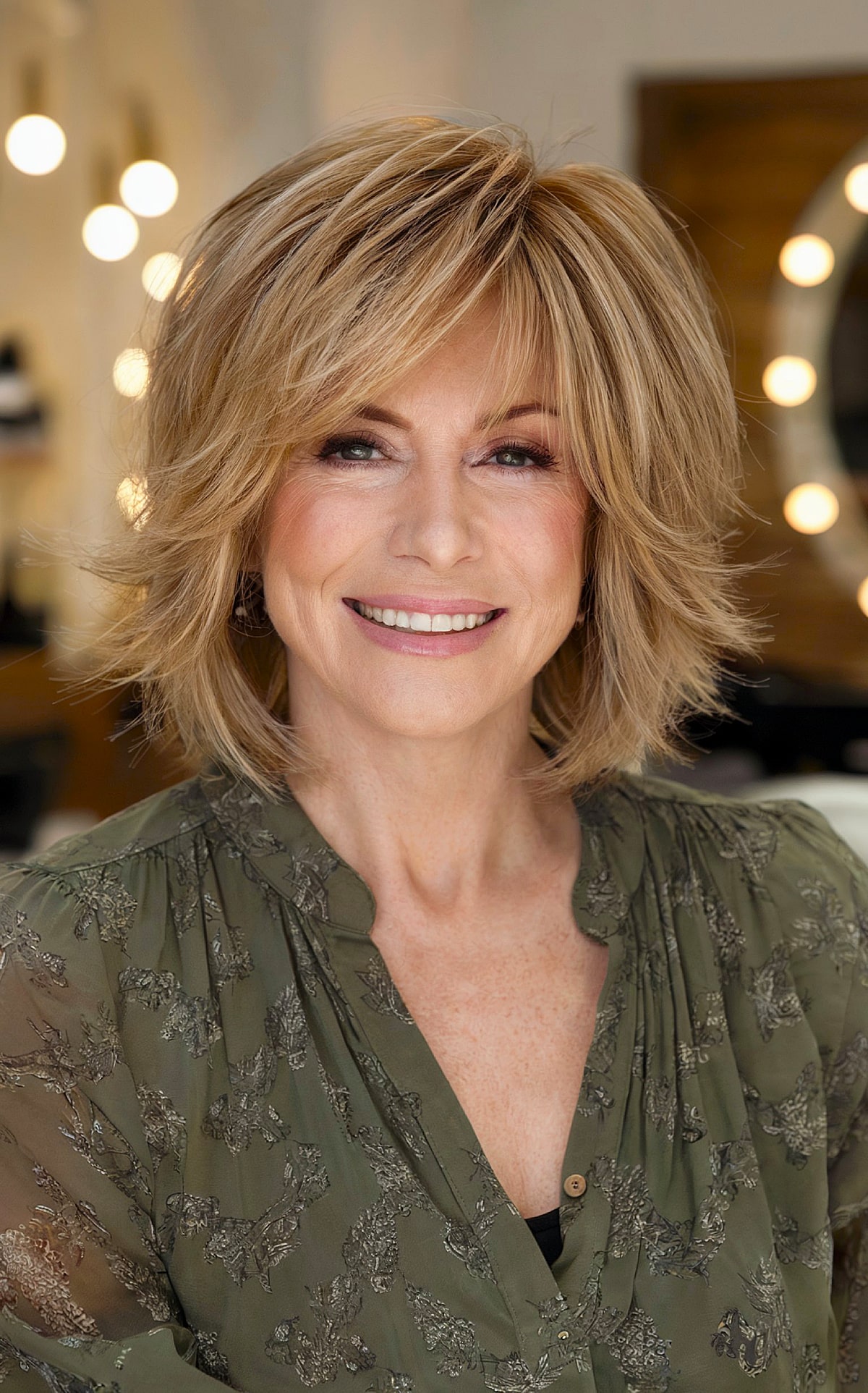
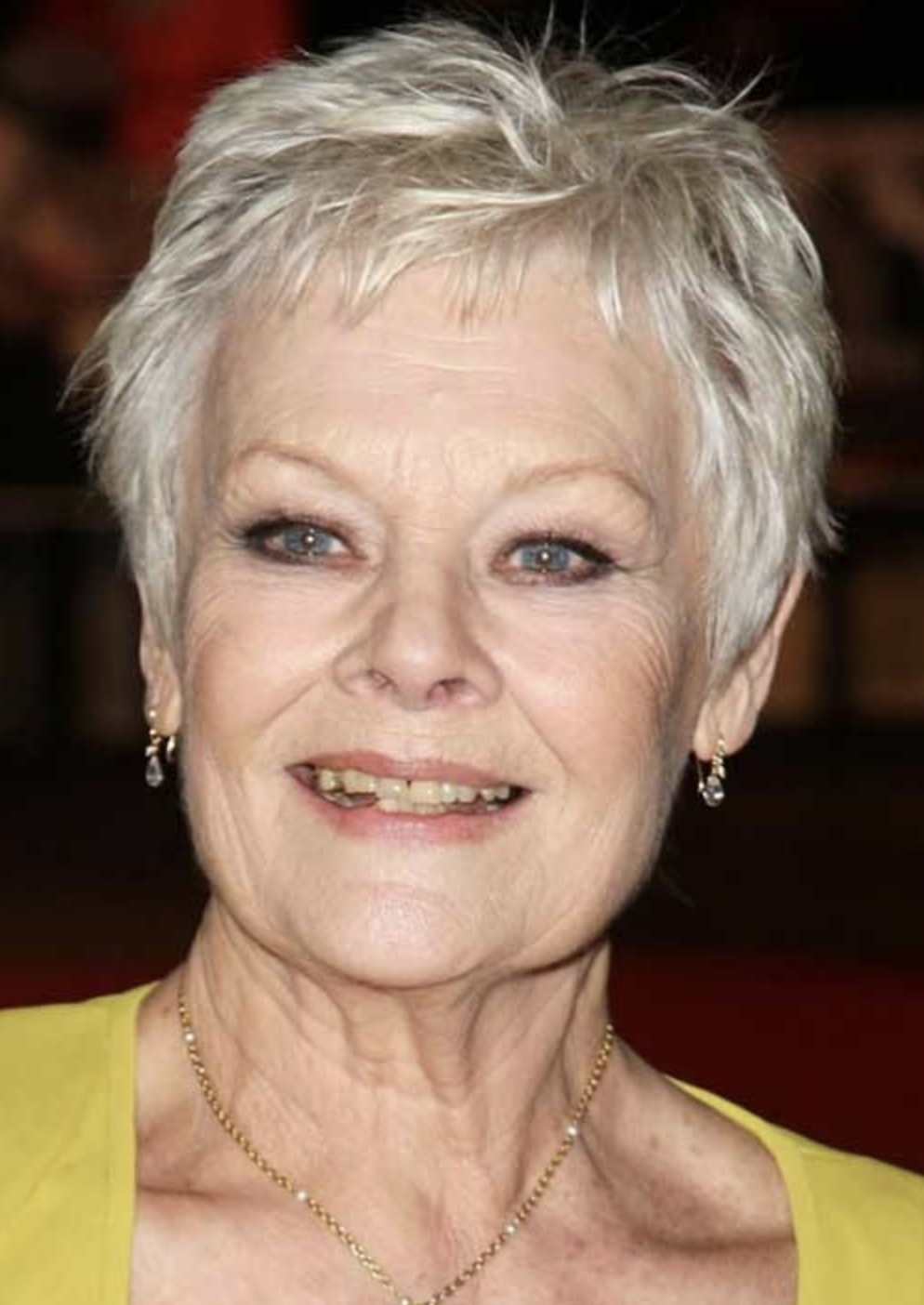
Individuals with lighter complexions often find that certain shades enhance their natural features while others can wash them out. Selecting an appropriate shade can complement undertones, eye color, and even personal style. For instance, someone with cool undertones might find that icy blonde or jet black provides a striking contrast, whereas warmer undertones might be better suited to golden blonde or rich auburn.
Choosing a flattering shade can have a significant impact on one’s overall appearance. The right color can brighten the complexion, create a more vibrant look, and even contribute to a more youthful appearance. Historically, hair color has played a role in signifying social status, cultural identity, and personal expression. Today, the range of available options allows for greater individualization and exploration of personal aesthetics.
This exploration delves into a spectrum of suitable shades for those with fair skin, considering factors such as undertones, maintenance, and current trends. Recommendations will range from classic choices to more contemporary options, offering a comprehensive guide to finding the perfect complement to a pale complexion.
1. Complementary Shades
Complementary shades play a vital role in enhancing the appearance of individuals with pale skin. Selecting the right hair color involves understanding how different shades interact with the complexion to create a harmonious and balanced look. This involves considering factors such as skin undertones, eye color, and the desired level of contrast.
-
Cool Tones for Cool Undertones
Individuals with cool undertones, characterized by pink or blue hues in their skin, often benefit from cool-toned hair colors. Examples include ash blonde, platinum, icy brown, and jet black. These shades create a cohesive look, preventing the hair color from clashing with the skin’s natural undertones. Choosing a cool-toned hair color can enhance the natural vibrancy of cool-toned skin, avoiding a washed-out appearance.
-
Warm Tones for Warm Undertones
Warm undertones, characterized by yellow or golden hues, are often complemented by warm-toned hair colors. Golden blonde, honey brown, auburn, and copper are examples of shades that can create a harmonious look with warm undertones. These colors add warmth and richness to the complexion, avoiding a stark contrast that can appear jarring.
-
Neutral Tones for Versatility
Neutral undertones offer more versatility in hair color choices. Individuals with neutral undertones can often experiment with both cool and warm shades, depending on the desired effect. Neutral browns, beige blondes, and soft blacks can be flattering choices. The ability to explore both warm and cool tones allows for greater flexibility and experimentation with different looks.
-
Considering Eye Color
Eye color also plays a role in determining complementary hair shades. For example, blue or green eyes can be accentuated by cool-toned hair colors, while brown or hazel eyes might be enhanced by warm tones. Choosing a hair color that complements eye color can further enhance the overall aesthetic by creating a cohesive and balanced color palette.
Ultimately, selecting a complementary hair color for pale skin involves a nuanced understanding of these interacting factors. By carefully considering undertones, eye color, and the desired level of contrast, individuals can choose a hair color that not only enhances their natural features but also reflects their personal style and preferences. The interplay of these elements is essential in creating a truly flattering and harmonious overall appearance.
2. Undertones
Understanding undertones is paramount when selecting hair colors for pale skin. Undertones are the subtle colors beneath the surface of the skin that influence how various shades appear. Accurately identifying one’s undertonewhether cool, warm, or neutralprovides a foundation for choosing hair colors that harmonize with the complexion, rather than clashing or washing it out. Ignoring undertones can lead to hair color choices that appear unnatural or detract from one’s overall appearance.
-
Cool Undertones
Cool undertones are characterized by hints of pink, red, or blue. Veins often appear blue or purple. Individuals with cool undertones generally look best in cool-toned hair colors such as ash blonde, platinum, icy brown, and jet black. These shades complement the skin’s natural coolness, creating a harmonious and balanced look. Avoid overly warm colors like golden blonde or copper, as these can clash with cool undertones and create a disjointed appearance.
-
Warm Undertones
Warm undertones are characterized by hints of yellow, gold, or peach. Veins typically appear green. Individuals with warm undertones generally look best in warm-toned hair colors such as golden blonde, honey brown, auburn, and copper. These shades enhance the skin’s natural warmth, creating a radiant and healthy glow. Avoid overly cool colors like ash blonde or blue-black, which can wash out warm complexions.
-
Neutral Undertones
Neutral undertones are a blend of warm and cool hues. Veins might appear blue-green. Individuals with neutral undertones possess the advantage of greater flexibility in hair color choices. Both cool and warm shades can be flattering, depending on the desired effect. Neutral browns, beige blondes, and soft black shades often work well. Experimentation is key to finding the perfect shade within both warm and cool palettes.
-
Determining Your Undertone
Several methods can help determine undertone. Observing vein color on the inner wrist is a common technique. Another method involves assessing how different jewelry metalssilver and goldlook against the skin. If silver complements the complexion more, cool undertones are likely. If gold is more flattering, warm undertones are indicated. If both metals look equally good, neutral undertones are probable. Professional color analysis can provide further clarity.
By understanding the nuances of undertones and their impact on hair color choices, individuals with pale skin can make informed decisions that enhance their natural beauty. Selecting hair colors that complement undertones ensures a cohesive and flattering result, maximizing the impact of the chosen shade and contributing to a more polished and harmonious overall appearance. This careful consideration of undertones elevates hair color from a simple aesthetic choice to a powerful tool for enhancing one’s natural features.
3. Contrast and Vibrancy
Contrast and vibrancy are crucial elements to consider when selecting hair colors for pale skin. The right level of contrast can prevent a washed-out appearance, while vibrancy adds dimension and depth, bringing life to the complexion. A careful balance of these two elements ensures the chosen hair color enhances natural features and contributes to a more dynamic and captivating overall look.
-
Creating Depth with Darker Shades
Darker hair colors, such as rich browns, deep reds, or jet black, can create a striking contrast against pale skin. This contrast adds depth and definition, framing the face and highlighting its features. However, it’s essential to choose a shade that complements the individual’s undertones to avoid an overly stark or harsh contrast. For example, someone with cool undertones might opt for a cool-toned black or dark brown, while someone with warm undertones might choose a warmer chocolate brown or auburn.
-
Brightening with Lighter Shades
Lighter shades, such as blonde or light brown, can brighten the complexion and create a more youthful appearance. However, choosing a shade that is too light can wash out pale skin. Opting for shades with subtle dimension, like strawberry blonde, honey blonde, or light brown with highlights, can add warmth and prevent the color from appearing flat or one-dimensional. These multi-tonal shades create visual interest and prevent the hair color from blending in with the skin tone.
-
Enhancing with Jewel Tones
Jewel tones, such as emerald green, sapphire blue, or ruby red, can add a vibrant pop of color that complements pale skin. These unconventional shades create a bold and dramatic look, drawing attention to the hair and enhancing the individual’s overall style. Choosing a jewel tone requires confidence and careful consideration of personal style, but it can be a powerful way to express individuality and enhance a pale complexion.
-
Adding Dimension with Highlights and Lowlights
Highlights and lowlights add dimension and movement to the hair, preventing it from appearing flat and lifeless. Strategically placed highlights can brighten the face and add depth, while lowlights create shadows and enhance the overall shape of the hairstyle. This interplay of light and shadow adds visual interest and vibrancy, preventing the hair color from appearing one-dimensional, even with more natural shades.
By carefully considering the interplay of contrast and vibrancy, individuals with pale skin can select hair colors that not only complement their complexion but also enhance their overall appearance. The right balance of these elements can create a dynamic and captivating look, bringing life and dimension to the face. Choosing a hair color that effectively utilizes contrast and vibrancy elevates the look from simply coloring hair to strategically using color to enhance natural features and create a more impactful aesthetic.
Conclusion
Careful consideration of factors such as undertones, complementary shades, and the interplay of contrast and vibrancy is essential for individuals with pale skin seeking flattering hair colors. A thorough understanding of these elements allows for informed decisions, ensuring the chosen shade enhances natural features rather than detracting from them. Whether opting for classic shades or exploring more daring options, the goal remains to create a harmonious and balanced look that complements the individual’s unique characteristics. Choosing the right hair color can significantly impact overall appearance, contributing to a more polished, vibrant, and self-assured aesthetic.
Ultimately, the journey of finding the perfect hair color is a personal one. While guidelines and recommendations offer valuable direction, individual preferences and experimentation play a crucial role in achieving a truly personalized and satisfying result. The exploration of various shades and techniques allows individuals to discover the transformative power of hair color and its ability to enhance natural beauty, ultimately contributing to a more confident and expressive presentation of self.