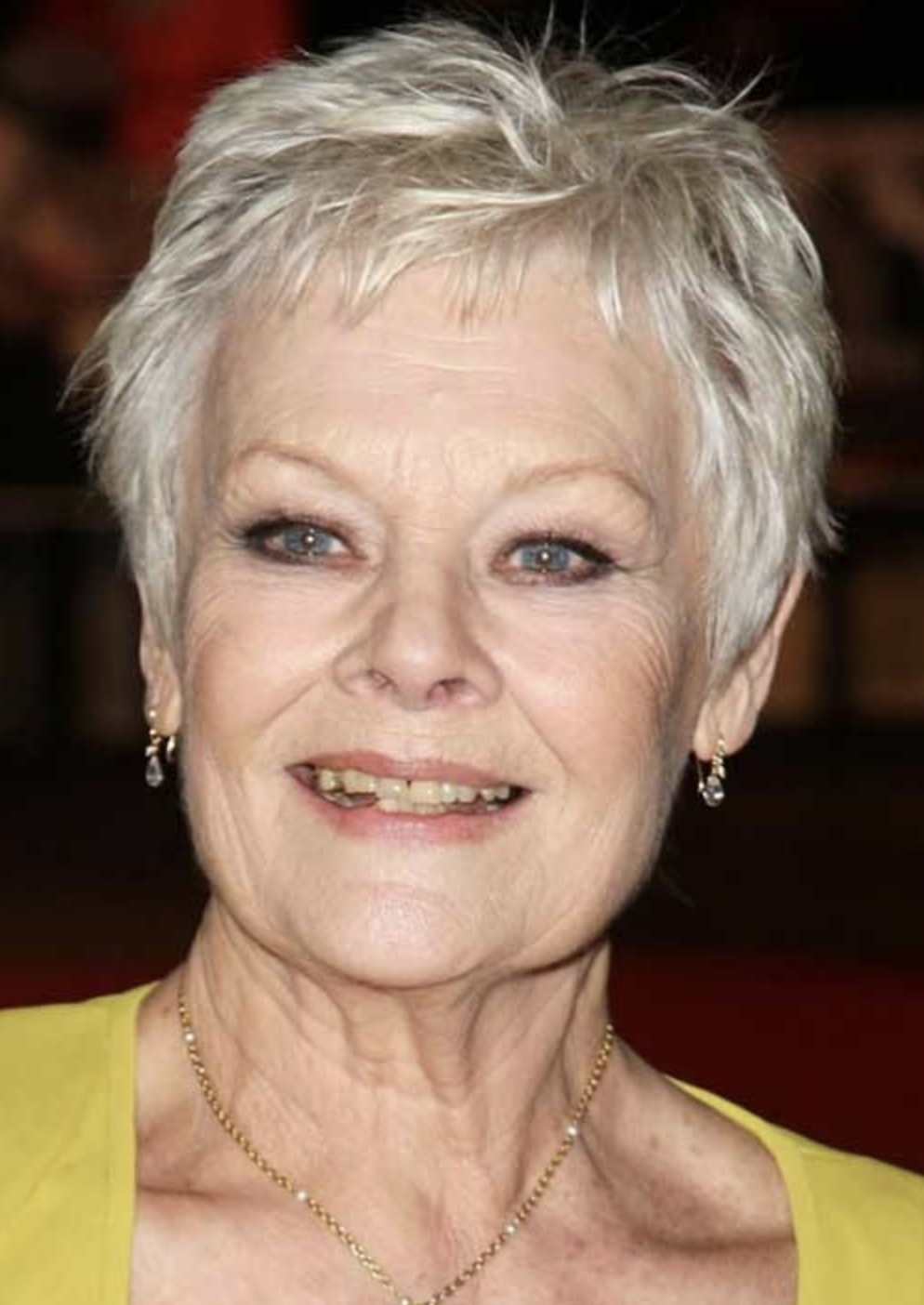
Characterized by closely cropped sides and back with slightly longer hair on top, this style offers a range of variations. From a textured, tousled look to a sleek, polished finish, the defining feature remains its short length, typically falling above the ears and often incorporating choppy layers. Think of iconic figures like Twiggy or Mia Farrow, whose gamine looks popularized the cut.
This cropped cut offers practicality and versatility. Its low-maintenance nature makes it ideal for busy lifestyles, requiring minimal styling time. Furthermore, it can be adapted to suit various face shapes and hair textures, offering a personalized touch. Emerging in the mid-20th century as a symbol of rebellion and female empowerment, this hairstyle has maintained its popularity through its timeless appeal and adaptability to contemporary trends.
This exploration will delve into the diverse variations of this iconic look, offering guidance on selecting the right cut, styling tips, and maintenance advice for achieving a look that is both fashionable and individual.
1. Face Shape Suitability
A key factor in successfully adopting a pixie cut lies in understanding how it interacts with individual face shapes. Harmonizing the cut with facial features ensures a flattering and balanced outcome. Analyzing face shape is therefore a crucial first step in selecting the most suitable pixie variation.
-
Oval Faces
Considered the most versatile face shape, oval faces can generally accommodate a wide range of pixie styles. From long, sweeping bangs to closely cropped sides, the balanced proportions of an oval face allow for greater experimentation. Celebrities like Katy Perry and Ginnifer Goodwin have showcased various successful pixie cuts that complement their oval faces.
-
Round Faces
Pixie cuts for round faces often benefit from added height and texture on top to create the illusion of length. This can be achieved through choppy layers or a slightly longer crown. Avoiding overly rounded or wide styles helps balance the face’s proportions. Michelle Williams often styles her pixie with volume at the crown, a technique that complements her round face.
-
Square Faces
Softening the angles of a square face is often a priority when selecting a pixie cut. Textured layers and side-swept bangs can help achieve this, diverting attention from strong jawlines. Keira Knightley’s textured pixie, often styled with a soft fringe, demonstrates how this style can complement a square face.
-
Heart-Shaped Faces
Heart-shaped faces typically feature a wider forehead and a narrower chin. A pixie cut can balance these proportions by incorporating wispy bangs or face-framing layers that draw attention to the eyes and cheekbones. Carey Mulligan’s pixie cuts often feature soft, side-swept bangs that complement her heart-shaped face.
By considering face shape alongside hair texture and personal style preferences, individuals can select a pixie cut that not only enhances their features but also reflects their individuality. A consultation with a stylist experienced in short haircuts is always recommended to determine the most flattering and manageable pixie variation.
2. Hair Texture Considerations
Hair texture plays a significant role in the success and manageability of pixie cuts. Understanding the interplay between cut and texture is crucial for achieving the desired look and minimizing styling challenges. Fine, thick, curly, and straight hair types each present unique considerations when opting for a pixie style.
Fine hair can benefit from a textured pixie cut to create the illusion of fullness. Choppy layers and strategically placed texturizing techniques can add volume and movement, preventing the hair from appearing flat. Conversely, thick hair may require thinning or specific cutting techniques to reduce bulk and enhance control. Without proper texturizing, thick hair can appear overly voluminous and difficult to style in a pixie cut. Curly hair presents another set of considerations. While a pixie can certainly work with curly hair, the cut must be tailored to the curl pattern to avoid excessive volume or unwanted frizz. Shorter layers on the sides and back, combined with longer, defined curls on top, can create a balanced and stylish look. Straight hair offers a sleek canvas for a pixie cut, allowing for precise lines and sharp angles. However, without texture or layering, straight hair can sometimes appear flat or limp in a pixie style. Adding subtle layers or incorporating texturizing techniques can introduce movement and dimension.
Careful consideration of hair texture before committing to a pixie cut is essential. Consulting with a stylist to discuss hair type and desired style ensures a tailored approach. This personalized approach considers the specific characteristics of the hair, leading to a more successful and satisfying outcome. Understanding the relationship between hair texture and pixie cuts empowers individuals to make informed decisions, resulting in a style that is both flattering and manageable.
3. Styling Variations
The versatility of pixie short hair styles lies in the multitude of styling options available. From sleek and sophisticated to tousled and textured, the styling variations transform the overall look and feel of the cut. Understanding these variations empowers individuals to personalize their pixie and adapt it to various occasions and personal style preferences. The interplay between cut and styling technique determines the final aesthetic, highlighting the crucial role styling plays in maximizing the potential of this iconic short hairstyle. For instance, a pixie with longer layers on top can be styled sleek and straight for a polished look, reminiscent of Mia Farrow’s classic pixie, or tousled and textured with styling products for a more contemporary, edgy feel.
Styling variations can drastically alter the perception of a pixie cut. A deep side part can create drama and asymmetry, while a center part offers a more balanced and symmetrical appearance. The use of styling products further expands the possibilities. Texturizing sprays and waxes add volume and definition, enhancing the piecey texture of a choppy pixie, while smoothing serums and pomades create a polished and controlled finish. Consider Halle Berry’s iconic short pixie, often styled with textured spikes for a bold, confident look, compared to Anne Hathaway’s sleek, side-swept pixie, which projects a more classic and refined image. These examples demonstrate how different styling techniques dramatically alter the overall impression.
Mastering styling techniques tailored to individual pixie cuts and hair textures allows for self-expression and adaptability. Understanding the impact of different styling products, tools, and techniques unlocks the full potential of the pixie cut. From everyday wear to special occasions, the ability to adapt the style through various techniques ensures the pixie remains a versatile and enduring choice. The practical application of these styling variations allows individuals to embrace the transformative power of the pixie cut, showcasing its adaptability and timeless appeal.
4. Maintenance and Upkeep
Maintaining a polished and stylish pixie cut requires consistent effort. While often touted for its low-maintenance nature, the pixie’s streamlined silhouette necessitates regular attention to retain its shape and vibrancy. Understanding the specific maintenance needs of this style is crucial for ensuring its continued success.
-
Regular Trims
Perhaps the most crucial aspect of pixie maintenance is frequent trimming. Due to the short length, even slight hair growth can significantly alter the overall shape and style. Maintaining the desired silhouette requires trims every 4-6 weeks, depending on individual hair growth rates. This consistent upkeep prevents the style from becoming overgrown and losing its definition. Neglecting regular trims can lead to a loss of shape and a less polished appearance. For example, allowing the back and sides to grow out too much can create an unbalanced look, diminishing the impact of the pixie cut. Conversely, regular trims maintain the crisp lines and proportions crucial for a stylish pixie.
-
Targeted Product Use
Product selection and application significantly impact the manageability and appearance of a pixie cut. Choosing products specifically formulated for short hair, such as texturizing sprays, waxes, or pomades, allows for greater control and definition. Overusing products, however, can weigh down the hair and create a greasy or stiff appearance. Understanding the appropriate amount and type of product for individual hair texture and desired style is essential. Someone with fine hair might benefit from a volumizing mousse and a light-hold hairspray, while someone with thicker hair might opt for a texturizing paste or clay for definition and control. The correct product application enhances the cut’s features and ensures a polished finish.
-
Scalp Care
With hair closely cropped, the scalp becomes more visible, highlighting the importance of scalp health. Regular cleansing and exfoliation prevent product buildup and maintain a healthy scalp environment. Addressing any scalp issues, such as dryness or dandruff, becomes more crucial with a pixie cut. Proper scalp care contributes not only to the overall health of the hair but also to the aesthetic appeal of the style. A healthy scalp provides the foundation for healthy hair growth and enhances the overall appearance of the pixie cut.
-
Color Maintenance
For those with colored pixie cuts, maintaining vibrancy and preventing fading requires specific care. Using color-safe shampoos and conditioners helps preserve the color’s intensity. Regular touch-ups are also essential to address root regrowth and maintain a consistent color throughout the hair. The frequency of touch-ups depends on the chosen color and individual hair growth rate. Protecting colored hair from sun exposure and chlorine further helps maintain its vibrancy and prevents premature fading. Appropriate color maintenance ensures the pixie remains vibrant and stylish.
These maintenance practices, when combined, ensure the pixie cut retains its fresh, stylish appeal. By understanding the specific needs of this distinctive hairstyle and incorporating regular upkeep into a routine, individuals can enjoy a polished and consistently stylish look. The ongoing commitment to these practices ultimately contributes to the long-term success of the pixie cut.
Pixie Short Hair Styles
This exploration of pixie short hair styles has highlighted the multifaceted nature of this enduring cut. From its adaptability to various face shapes and hair textures to the diverse styling options available, the pixie cut offers a unique blend of practicality and style. Careful consideration of face shape and hair texture is paramount when selecting a pixie variation, ensuring a harmonious balance between features and cut. Furthermore, understanding the nuances of styling and maintenance is crucial for preserving the desired look and maximizing the transformative potential of this iconic hairstyle.
The enduring popularity of pixie short hair styles speaks to its adaptability and timeless appeal. By embracing informed decision-making and consistent maintenance practices, individuals can harness the transformative power of the pixie cut, achieving a look that is both personally expressive and enduringly stylish. This iconic cut continues to evolve, offering a canvas for self-expression and a testament to its versatility within the ever-changing landscape of hairstyling.