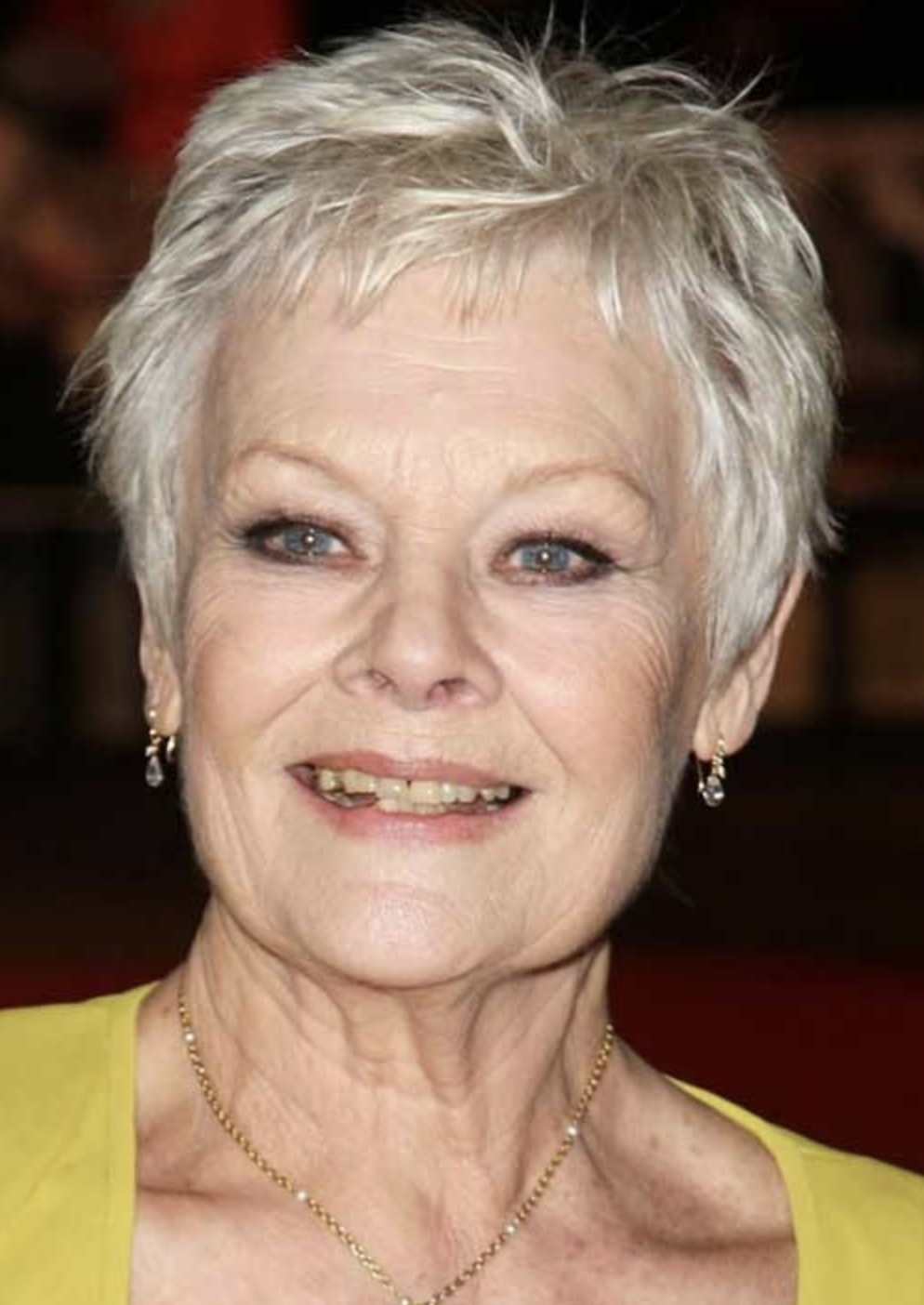
Short hairstyles for women over sixty encompass a variety of styles designed to complement mature features and hair textures. These styles often prioritize ease of maintenance and styling while offering a contemporary and flattering look. Examples include pixie cuts, layered bobs, and cropped styles, each adaptable to individual hair types and face shapes.
Practicality and style converge in these haircuts. They can offer a solution to thinning hair, common with age, by creating volume and fullness. Shorter styles also require less time and product for styling, a benefit often appreciated by busy individuals. Historically, shorter hair for older women signified maturity and sophistication, evolving from simpler, more uniform styles into the diverse and personalized options available today.
This discussion will further explore various short haircut options categorized by hair type, face shape, and lifestyle, providing detailed explanations of each style and offering guidance for choosing the most suitable option. Maintenance tips, styling advice, and product recommendations will also be addressed.
1. Face Shape
Face shape plays a pivotal role in determining the most flattering short haircut for women over sixty. A well-chosen style can soften features, create balance, and enhance overall appearance. Understanding one’s face shape provides a foundation for selecting a cut that complements rather than detracts from natural features. For instance, a heart-shaped face, characterized by a wider forehead and a narrower chin, benefits from styles that add fullness around the jawline, such as a chin-length bob. Conversely, a square face, with its strong jawline and angular features, is softened by layered styles that frame the face and create a less severe silhouette.
Several common face shapes influence haircut choices. Round faces appear more balanced with styles that add height and length, such as a pixie cut with volume on top. Oval faces offer versatility, accommodating a wider range of styles due to their balanced proportions. Oblong faces, longer than they are wide, benefit from styles that add width, such as a bob with fullness at the sides. Diamond-shaped faces, with prominent cheekbones and a narrower forehead and chin, can be enhanced with styles that add softness around the forehead and jawline.
Careful consideration of face shape is crucial for achieving a harmonious and flattering look. Consulting with a stylist experienced in working with mature hair and facial features is often recommended. Analyzing facial features and understanding how different hairstyles interact with those features allows for informed decision-making and ultimately, a more satisfying outcome. A skilled stylist can assess face shape, hair texture, and lifestyle preferences to recommend a tailored short haircut that enhances natural beauty and provides a confident and stylish appearance.
2. Hair Texture
Hair texture significantly influences the suitability and outcome of short haircuts for women over sixty. Understanding the nuances of hair texturefine, medium, thick, coarse, straight, wavy, curlyis crucial for selecting a style that complements natural characteristics and minimizes styling challenges. Fine hair, for example, may appear limp and lifeless with a blunt cut, while a layered style can create the illusion of volume and movement. Conversely, thick hair may become unruly and difficult to manage if cut too short, benefiting instead from styles that utilize its natural fullness and body.
The interplay between hair texture and haircut choice extends beyond simple aesthetics. Specific cutting techniques cater to different textures. For fine hair, techniques like point cutting and layering create texture and lift, preventing the hair from appearing flat. Thick hair, on the other hand, may require thinning shears to remove bulk and create a more manageable shape. Curly hair presents unique considerations, demanding cuts that work with the natural curl pattern rather than against it, often utilizing layering and shaping to enhance definition and control frizz. Ignoring these textural nuances can lead to styling frustration and a less-than-ideal outcome. A layered pixie cut, for instance, can create flattering volume and texture for fine, straight hair, while a textured bob can enhance the natural wave and movement of medium-textured, wavy hair. Similarly, a short, tapered cut can define and control curls for thick, curly hair, while potentially overwhelming fine, curly hair.
Choosing a short haircut without considering hair texture can result in a style that is difficult to manage and fails to flatter. A thorough consultation with a stylist experienced in working with diverse hair textures is essential. Stylists can assess hair texture, density, and growth patterns to recommend a cut that works in harmony with natural characteristics. This expertise ensures a style that not only looks good but also feels good, simplifying daily maintenance and boosting overall confidence. By understanding the relationship between hair texture and haircut choice, women over sixty can achieve a flattering, age-appropriate style that enhances their natural beauty and reflects their personal style.
3. Lifestyle
Lifestyle considerations play a significant role in determining the suitability of short haircuts for women over sixty. An active lifestyle, professional demands, or personal preferences regarding styling time and maintenance all influence the practicality and appeal of different haircut options. Evaluating these factors ensures a hairstyle aligns seamlessly with daily routines and overall lifestyle demands.
-
Activity Level
Women with active lifestyles, frequently participating in sports or other physical activities, often prefer wash-and-go styles that require minimal styling. Very short cuts, such as pixie cuts or closely cropped styles, offer convenience and ease of management, minimizing time spent on hair care while maximizing practicality. These styles remain largely unaffected by perspiration and movement, maintaining their shape and appearance throughout various activities.
-
Professional Demands
Certain professions may necessitate a more polished or formal appearance. While short haircuts can certainly project professionalism, the specific style chosen should align with workplace expectations. A classic bob, for example, offers a sophisticated and timeless look suitable for professional settings, while a more edgy or avant-garde style might be appropriate for creative industries. The chosen style should complement professional attire and project a polished, put-together image.
-
Styling Time
The amount of time one is willing to dedicate to daily hair styling is a crucial factor. Short haircuts generally require less styling time than longer hair, but the specific style and texture influence the extent of daily maintenance. A wash-and-go pixie cut requires minimal effort, while a layered bob may necessitate some styling with a brush and hairdryer to achieve the desired shape and volume. Considering daily styling time ensures the chosen haircut fits comfortably within one’s routine.
-
Maintenance Frequency
Short haircuts typically require more frequent trims to maintain their shape and prevent overgrowth. This frequency can vary depending on the style and individual hair growth rate, but generally, short haircuts require trimming every 4-6 weeks. Factoring in salon visits and associated costs is essential when considering the long-term maintenance of a short haircut.
Ultimately, the ideal short haircut for a woman over sixty harmonizes with her individual lifestyle. A thorough assessment of activity levels, professional requirements, styling preferences, and maintenance commitments ensures a style that not only looks great but also seamlessly integrates into daily life, enhancing both comfort and confidence.
4. Maintenance
Maintaining short haircuts for women over sixty presents unique considerations compared to longer styles. Regular upkeep is crucial for preserving the desired shape, managing texture, and ensuring a polished appearance. Understanding the specific maintenance requirements allows for realistic expectations and informed decision-making.
-
Trimming Frequency
Short haircuts require more frequent trims than longer styles to maintain their shape and prevent overgrowth. Generally, a trim every 4-6 weeks is recommended, though individual hair growth rates may necessitate more or less frequent visits. Regular trims prevent the style from losing its definition and ensure the desired silhouette is maintained.
-
Styling Techniques
While short haircuts are often touted for their ease of styling, specific techniques may be required to achieve the desired look. Understanding how to use styling products, such as volumizing mousse or texturizing spray, and employing appropriate tools, like a round brush or flat iron, can enhance the style and create a more polished finish. Learning these techniques from a stylist can simplify the daily styling routine and maximize the potential of the chosen haircut.
-
Product Selection
Choosing the right hair products is essential for maintaining the health and appearance of short haircuts. Age-related hair changes, such as thinning or dryness, may necessitate specific products designed to address these concerns. Volumizing shampoos and conditioners, hydrating masks, and lightweight styling products can enhance volume, manage texture, and provide a healthy sheen. Selecting products tailored to individual hair needs ensures optimal results and promotes healthy hair growth.
-
Scalp Care
With shorter hair, the scalp becomes more visible, emphasizing the importance of scalp health. Regular cleansing with a gentle shampoo and occasional exfoliation can remove product buildup, promote healthy circulation, and maintain a healthy scalp environment. Addressing scalp issues, such as dryness or irritation, contributes to overall hair health and a more polished appearance.
The maintenance requirements of short haircuts for women over sixty should be carefully considered before committing to a style. Understanding the frequency of trims, necessary styling techniques, appropriate product selection, and the importance of scalp care ensures a satisfying and manageable outcome. A proactive approach to maintenance preserves the desired look, enhances hair health, and contributes to a confident and stylish appearance.
5. Current Trends
Current trends in short haircuts for women over sixty reflect a movement towards styles that are both stylish and age-appropriate. These trends emphasize natural texture, ease of styling, and personalized adaptations that complement individual features and lifestyles. Staying abreast of these trends allows women to embrace contemporary styles while maintaining a sophisticated and flattering look.
-
Textured Pixies
Textured pixie cuts offer a modern twist on the classic pixie, incorporating layers and choppy ends to create a dynamic and voluminous look. This style works particularly well for women with fine hair, as the texture adds fullness and movement. Examples include asymmetrical pixies with longer layers on one side and shorter, textured layers on the other, creating a visually interesting and contemporary silhouette. The textured pixie offers a low-maintenance yet stylish option, reflecting a current trend towards effortless chic.
-
Soft, Layered Bobs
The bob remains a timeless classic, and current trends emphasize softer, more layered variations for women over sixty. These bobs feature subtle layering to create movement and frame the face, softening features and adding a touch of modernity. A longer, layered bob that grazes the collarbone can be particularly flattering, offering versatility in styling options. This style can be worn sleek and straight or styled with loose waves for a more relaxed and textured appearance. The soft, layered bob provides a versatile and flattering option that aligns with current trends towards effortless elegance.
-
The Modern Shag
The shag haircut has experienced a resurgence in recent years, and its adaptable nature makes it a suitable option for women over sixty. Modern shags feature softer layers and less pronounced choppiness compared to the original style, creating a more refined and wearable look. This style works well with various hair textures, adding volume to fine hair and controlling thickness in coarser hair. The modern shag offers a contemporary and stylish option for women seeking a more edgy and textured look, reflecting current trends towards embracing natural texture and movement.
-
Embracing Gray
Embracing natural gray hair has become increasingly popular, and current trends celebrate this transition with stylish short haircuts that enhance the natural beauty of silver and gray tones. Short haircuts can showcase the dimension and shine of gray hair, particularly when paired with styles that enhance texture and movement. Pixie cuts, layered bobs, and even shorter, cropped styles can all complement gray hair, creating a sophisticated and confident look. This trend reflects a broader societal shift towards embracing natural aging and celebrating individual beauty at every stage of life.
These current trends demonstrate that short haircuts for women over sixty are far from static. They evolve, incorporating contemporary elements while maintaining a focus on practicality and age-appropriateness. By considering these trends and adapting them to individual preferences and features, women can achieve stylish and flattering looks that reflect their personal style and enhance their natural beauty.
Conclusion
Short haircuts for women over sixty offer a diverse range of styles tailored to individual needs and preferences. Careful consideration of face shape, hair texture, lifestyle, and current trends ensures a flattering and manageable outcome. Maintenance, including regular trims and appropriate product selection, preserves the desired style and promotes healthy hair. From classic bobs to modern pixies and textured shags, options abound for expressing personal style while embracing the practicality and elegance of shorter hair.
Ultimately, the choice of a short haircut empowers women over sixty to embrace a confident and stylish image that reflects their individuality. By understanding the factors influencing successful short hairstyles, women can make informed decisions and collaborate with stylists to achieve flattering looks that enhance their natural beauty and simplify their daily routines. This exploration provides a foundation for navigating the diverse landscape of short haircuts and discovering a style that embodies both comfort and sophistication.