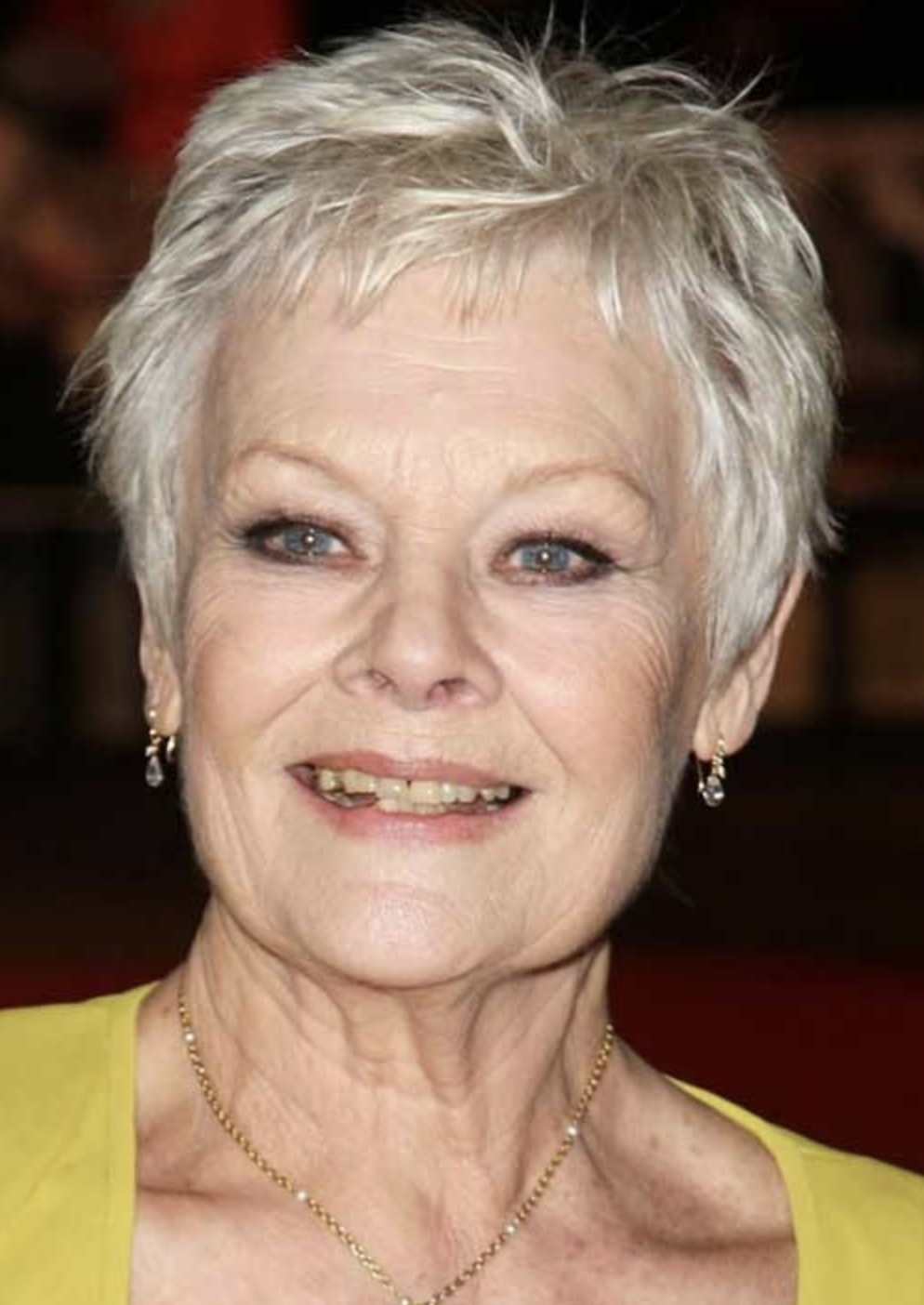
This hairstyle features shorter, forehead-framing hair strategically cut to create a distinct edge, combined with a defined off-center parting. This parting can vary in severity, from a subtle shift to a dramatic sweep, and dictates how the styled strands fall. Imagine hair cascading diagonally across the forehead, softening facial features and adding a touch of asymmetry.
The style offers versatility and complements diverse face shapes and hair textures. It can create an illusion of length and volume, framing the face in a flattering way. Historically, variations of this look have cycled through fashion trends, signifying different cultural and stylistic eras. Its enduring appeal lies in its ability to be both classic and contemporary, easily adapted to individual preferences.
Further exploration will delve into styling techniques, suitability for different hair types, and how this adaptable cut can be personalized to achieve various aesthetic effects. The following sections will also cover maintenance tips and recommended products.
1. Face Shape Suitability
A key element in determining whether a fringe with a side part is flattering lies in understanding how it interacts with an individual’s face shape. Harmonizing the cut with facial contours is crucial for achieving a balanced and aesthetically pleasing result. Careful consideration of face shape ensures the fringe enhances, rather than detracts from, overall appearance.
-
Oval Faces
Oval faces are generally considered the most versatile, adapting well to a wide range of fringe styles. A side-parted fringe can further accentuate the balanced proportions of an oval face, adding a touch of softness or drama depending on the length and weight of the fringe. Examples include long, sweeping fringes for a glamorous look, or shorter, choppy fringes for a more modern feel. The inherent balance of this face shape allows for experimentation with varying parting positions and fringe densities.
-
Round Faces
For round faces, the objective is often to create the illusion of length and definition. A side-parted fringe can effectively achieve this by breaking up the circularity and adding a vertical element. A deep side part with a longer, angled fringe is particularly effective in slimming the face. Avoid blunt, heavy fringes that can accentuate roundness. A layered, side-swept fringe can add dimension and structure without overwhelming the face.
-
Square Faces
Softening the angles of a square face is often a primary concern. A side-parted fringe can help achieve this by diverting attention from a strong jawline. A soft, textured fringe, slightly longer on one side, can create a rounded frame. Avoid sharp, geometric fringes that can emphasize angular features. Opting for wispy or feathered ends can further enhance the softening effect.
-
Heart-Shaped Faces
Heart-shaped faces are characterized by a wider forehead and a narrower chin. A side-parted fringe can balance these proportions by minimizing the forehead’s width and adding fullness around the chin area. A gently curved, side-swept fringe that tapers towards the ends can create a harmonious balance. Avoid short, blunt fringes that can emphasize the forehead. A longer fringe, parted slightly off-center, can create a soft, flattering frame.
By carefully considering the interplay between face shape and fringe style, individuals can achieve a look that is both stylish and flattering. The side-parted fringe offers a versatile framework within which adjustments to length, weight, and parting can create personalized looks to complement diverse facial structures, maximizing aesthetic impact.
2. Hair Texture
Hair texture plays a significant role in the success and manageability of a fringe with a side part. Understanding the interplay between texture and style is crucial for achieving desired results and minimizing styling challenges. Texture influences how the fringe falls, its volume, and its responsiveness to different styling techniques. This understanding allows for informed decisions regarding cut, length, and product use.
Fine hair, for instance, may require a blunter cut to create the illusion of fullness. A side part can distribute the hair strategically, maximizing perceived volume. Texturizing products may add lift and prevent the fringe from appearing limp. Conversely, thick hair may require thinning or point-cutting to avoid a bulky, heavy fringe. A side part can help manage the volume and create a more balanced silhouette. Smoothing products may be necessary to control frizz and enhance shine.
Curly or wavy hair presents unique considerations. A side-parted fringe can work well with these textures, adding a touch of softness and movement. However, the cut must take the natural curl pattern into account to avoid unwanted shrinkage or unevenness. Styling techniques like diffusing or air-drying can enhance the natural texture, while specific products can define curls and minimize frizz. The length of the fringe should be chosen carefully, considering how the curl pattern will affect its final length.
Straight hair offers a sleek canvas for a side-parted fringe. The cut can range from blunt and geometric to soft and wispy, depending on the desired aesthetic. Minimal styling may be required, though products can enhance shine and control flyaways. The parting can be sharp and defined or soft and blended, further customizing the look.
Ultimately, recognizing the influence of hair texture allows for a more personalized approach to styling a fringe with a side part. By considering texture, individuals can achieve a look that complements their natural hair characteristics and minimizes styling difficulties. This understanding empowers informed decisions about cut, products, and maintenance techniques, resulting in a more successful and satisfying hairstyle.
3. Parting Variations
Parting variations play a pivotal role in defining the character and overall aesthetic of a fringe with a side part. The placement and depth of the part significantly influence how the fringe frames the face, impacting the balance and overall impression. This seemingly subtle detail offers a surprising degree of versatility, allowing for personalized customization and adaptation to different face shapes and styling preferences. The parting dictates the direction and flow of the fringe, creating anything from a soft, sweeping curve to a more dramatic, angled statement. For example, a deep side part paired with a long, layered fringe can create a glamorous, Hollywood-inspired look, while a less pronounced part with a shorter, textured fringe offers a more casual, contemporary feel.
Understanding the impact of parting variations empowers informed stylistic choices. A center part, though technically not a side part, can be subtly shifted off-center to create a soft, barely-there asymmetry. This option works well with finer hair textures, adding volume and movement without a strong directional sweep. A more pronounced side part, originating further from the center, creates a more dramatic effect, directing the fringe across the forehead in a sweeping arc. This works well for thicker hair, managing volume while adding a touch of asymmetry. The angle of the part can also be adjusted, creating diagonal lines that complement specific facial features. A steeper angle adds drama, while a shallower angle offers a softer, more blended effect. Experimentation with parting variations allows individuals to discover the most flattering and harmonious balance for their unique features.
Mastery of parting variations is essential for achieving a polished and well-balanced look with a side-parted fringe. This element, though often overlooked, significantly influences the overall aesthetic. Skilled manipulation of the parting can address specific concerns like minimizing a wide forehead, softening a strong jawline, or adding volume to fine hair. Recognizing the impact of this seemingly minor detail elevates the fringe from a simple haircut to a versatile styling tool. Through careful consideration and experimentation, individuals can harness the power of parting variations to create a personalized look that enhances their natural features and complements their individual style.
4. Styling Techniques
Styling techniques are integral to maximizing the versatility and aesthetic potential of a fringe with a side part. The interplay between cut, texture, and styling dictates the final result, influencing how the fringe frames the face and contributes to the overall hairstyle. A well-executed cut provides the foundation, but appropriate styling techniques bring the fringe to life, transforming it from a static element into a dynamic feature that can be adapted to various looks and occasions. Consider the impact of a simple blow-dry: directing airflow downwards and across the forehead creates a smooth, polished finish, ideal for a professional setting. Alternatively, using a round brush to lift the fringe at the roots can add volume and create a more textured, casual effect.
Specific styling techniques cater to different hair textures and desired outcomes. For fine hair, a volumizing mousse applied before blow-drying can add lift and prevent the fringe from appearing limp. A light hold hairspray can maintain the shape and control flyaways. For thicker hair, a smoothing serum can help manage volume and frizz, allowing for a more controlled, sleek finish. A flat iron can be used to create a polished, straight fringe, while a curling iron can add subtle waves or bends for a softer, more romantic look. Those with curly or wavy hair can embrace their natural texture by applying a curl-defining cream and diffusing the fringe to enhance its natural movement. Alternatively, a straightening balm and flat iron can create a sleek, contrasting element against the rest of the textured hair.
Ultimately, understanding the impact of various styling techniques empowers individuals to personalize their fringe with a side part. This knowledge allows for adaptation to different occasions and moods, maximizing the fringe’s versatility. Challenges like cowlicks or uneven growth patterns can be addressed with targeted styling techniques, ensuring a polished and harmonious result. The practical application of these techniques allows individuals to take ownership of their style, transforming the fringe with a side part into a versatile and expressive element of their overall look.
Conclusion
This exploration of hairstyles featuring a fringe with a side part has highlighted the multifaceted nature of this seemingly simple style. From the interplay between face shape and fringe length to the nuances of hair texture and styling techniques, the analysis reveals the potential for personalized adaptation. Understanding the impact of parting variations further underscores the versatility of this enduring look, offering a spectrum of styling possibilities. Careful consideration of these elements empowers informed choices, ensuring a harmonious balance between individual features and desired aesthetic.
Ultimately, the enduring appeal of the fringe with a side part lies in its adaptability and transformative potential. It serves as a testament to the power of subtle adjustments in achieving significant stylistic impact. Continued exploration of individual preferences and evolving trends will undoubtedly reveal further nuances and possibilities within this classic yet ever-evolving hairstyle.