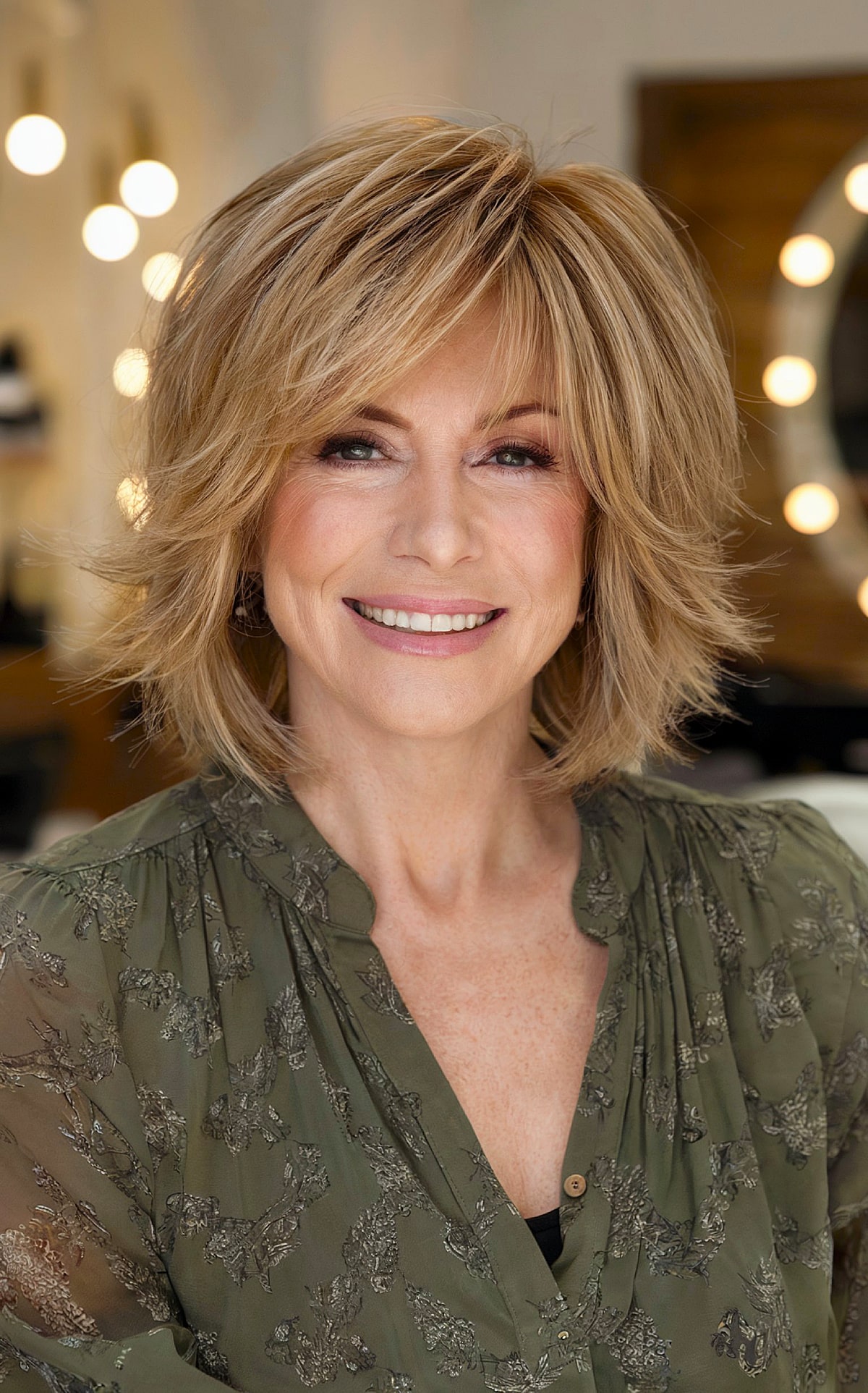
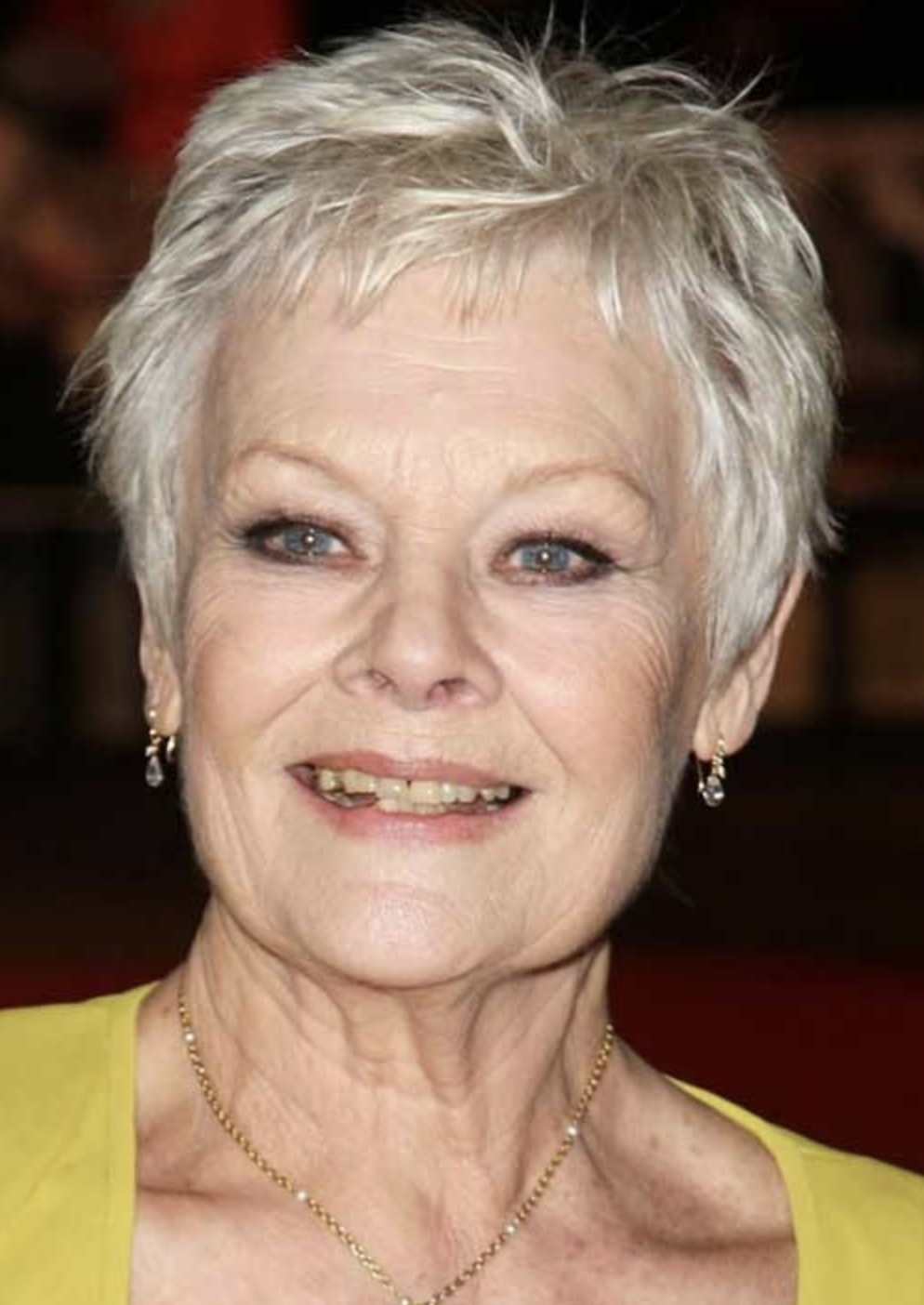
Styling choices can significantly impact the perceived proportions of the face. A prominent forehead can be balanced and harmonized through specific haircuts and hairstyles that create the illusion of a more oval or heart-shaped face. For instance, side-swept bangs or a layered cut can soften the hairline and draw attention to other facial features.
Achieving a balanced and aesthetically pleasing appearance contributes to overall confidence and self-esteem. Historically, hairstyles have played a crucial role in framing the face and adhering to beauty standards of different eras. The concept of choosing hairstyles to complement specific facial features has persisted through time, adapting to contemporary trends and individual preferences. A well-chosen style can minimize self-consciousness and enhance one’s positive self-image.
This article will explore various hairstyles, including those with bangs, layers, and specific parting techniques, suitable for individuals seeking to complement a higher hairline. It will also discuss factors like hair texture, face shape, and lifestyle to provide a holistic guide to selecting the most flattering and manageable style.
1. Bangs
Bangs play a pivotal role in modifying the appearance of the forehead and are a frequent recommendation for individuals seeking to balance facial proportions. They can create the illusion of a shorter forehead, softening the hairline and drawing attention to the eyes and other facial features. The versatility of bang styles allows for customization based on individual preferences and hair characteristics.
-
Side-Swept Bangs
Side-swept bangs, gently angled across the forehead, are particularly effective in minimizing forehead prominence. This style creates a soft, diagonal line that breaks up the expanse of the forehead. Celebrities like Reese Witherspoon and Emma Stone frequently utilize this style to soften their features. The asymmetry introduced by side-swept bangs contributes to a more balanced and harmonious facial appearance.
-
Curtain Bangs
Parted down the middle and framing the face on either side, curtain bangs offer a versatile option, suitable for various hair lengths and textures. This style draws attention to the center of the face while gently concealing the outer edges of the forehead. Dakota Johnson and Brigitte Bardot are iconic examples of individuals who have popularized curtain bangs. This style offers a softer, more diffused approach to minimizing forehead prominence.
-
Blunt Bangs
A straight, full fringe cut across the forehead can also be effective, provided it complements the overall face shape and hair texture. Blunt bangs create a strong horizontal line, potentially shortening the face. This style is often seen on individuals with oval or heart-shaped faces, such as Tyra Banks. Careful consideration is crucial, as blunt bangs can sometimes emphasize a high forehead if not styled correctly.
-
Micro Bangs
A bolder choice, micro bangs sit well above the eyebrows, creating a dramatic and edgy look. While not typically recommended for minimizing a large forehead, they can be suitable for certain face shapes and personal styles. Emma Watson and Audrey Tautou have experimented with this style. Micro bangs require careful consideration as they can draw attention to the forehead.
The selection of bang style should be made in conjunction with an assessment of individual facial features, hair texture, and desired overall look. Consulting a stylist can be invaluable in determining the most complementary and manageable bang style to balance a prominent forehead and achieve a harmonious facial appearance. Factors like hair thickness and curl pattern will influence the final look and maintenance requirements of the chosen bang style. For instance, thin hair might benefit from wispy bangs, while thicker hair can support a heavier fringe.
2. Soft Layers
Soft layers contribute significantly to hairstyles that flatter a prominent forehead. They create a gradual, feathered effect that softens the hairline and frames the face, diverting attention from the forehead’s height. The layers add movement and dimension to the hair, preventing a stark contrast between the hairline and the rest of the style. This technique works particularly well with side-swept bangs or a side part, as the layers blend seamlessly with the angled lines, creating a harmonious overall look. Consider the impact of layered styles on individuals like Jennifer Aniston, whose layered cuts have become synonymous with flattering a higher forehead.
The efficacy of soft layers stems from their ability to break up the visual weight of the hair. Without layers, hair can appear heavy and flat, potentially accentuating a large forehead. Layered styles introduce texture and volume, creating a more balanced and proportionate appearance. The specific placement and length of the layers are crucial; they should ideally frame the face, starting around cheekbone level or slightly below. This framing effect draws the eye downwards and inwards, minimizing the perceived size of the forehead.
Understanding the impact of soft layers allows for strategic styling choices. Individuals with prominent foreheads can benefit from incorporating layers into their haircuts, regardless of overall hair length. Short, layered bobs can be just as effective as long, flowing layers, as long as the layers are strategically placed to frame the face. The key takeaway is the creation of soft, graduated lines that complement the facial features. Integrating layers with other elements, such as highlights or lowlights, can further enhance dimension and minimize the focus on the forehead.
3. Face-Framing Strands
Face-framing strands represent a crucial element in hairstyles designed to complement a prominent forehead. These carefully positioned strands, typically shorter than the overall hair length, create a soft, contoured effect around the face. They work by breaking the expanse of the forehead, drawing the eye downwards towards the eyes and cheekbones. This redirection minimizes the forehead’s perceived size and contributes to a more balanced facial appearance. The efficacy of face-framing strands relies on their strategic placement and blending with the overall hairstyle. Consider the impact of subtly layered strands around the face on individuals like Kerry Washington, where the framing effect softens her features and complements her forehead.
The strategic use of face-framing strands enhances the impact of other elements like bangs and layers. For instance, when combined with side-swept bangs, these strands amplify the softening effect, creating a seamless transition between the forehead and the rest of the hairstyle. Similarly, they complement layered cuts by accentuating the movement and dimension around the face. Without face-framing strands, hairstyles might appear less tailored and potentially emphasize forehead prominence. The precision in the cut and styling determines the effectiveness of this technique. Overly blunt or thick strands can create a heavy look, while finely textured, strategically placed strands provide a more natural and flattering frame.
Stylists often incorporate face-framing strands as a finishing touch to complete a look tailored for individuals with larger foreheads. The length, thickness, and curl pattern of these strands are customized based on individual hair characteristics and desired style. Understanding the impact of face-framing strands allows for informed decisions during consultations and styling. This technique, while subtle, plays a significant role in achieving a harmonious and balanced facial appearance, demonstrating the nuanced approach required for hairstyles designed to flatter a prominent forehead.
4. Side Parting
Side parting plays a strategic role in balancing facial proportions, particularly for individuals with prominent foreheads. Unlike a center part, which can emphasize forehead height, a side part introduces asymmetry and softens the hairline. This shift in visual balance creates the illusion of a shorter forehead and draws attention to other facial features. The angle and placement of the part can be customized based on individual face shape and hair texture, allowing for a tailored approach to achieving a harmonious look.
-
Asymmetry and Balance
The inherent asymmetry of a side part disrupts the vertical line created by a center part, minimizing the prominence of the forehead. This asymmetry adds visual interest and softens the overall appearance. Side parts are frequently utilized in hairstyles designed to create a more oval or heart-shaped facial illusion, as seen on celebrities like Cameron Diaz.
-
Hairline Modification
A side part effectively camouflages a high hairline. By shifting the hair over a portion of the forehead, it creates a softer, less defined hairline. This softens the facial features and contributes to a more youthful appearance. The depth of the side part can be adjusted to achieve the desired level of coverage, further customizing the look.
-
Versatility and Adaptability
Side parts are incredibly versatile and can be incorporated into a variety of hairstyles, regardless of hair length or texture. From short pixie cuts to long, flowing waves, a side part seamlessly integrates with other styling elements like layers and bangs to create a balanced and flattering look. This adaptability makes it a popular choice for individuals seeking to minimize forehead prominence without sacrificing style.
-
Volume Enhancement
A side part can contribute to the appearance of increased volume at the crown, further balancing the proportions of the face. By lifting the hair slightly at the root, a side part creates a subtle lift that adds height and fullness. This added volume counteracts the vertical emphasis of a large forehead, further enhancing the balancing effect.
The strategic implementation of a side part represents a simple yet effective technique in achieving a more balanced and flattering hairstyle for those with prominent foreheads. When combined with other elements like soft layers, bangs, and face-framing strands, a side part contributes significantly to a harmonious and aesthetically pleasing overall look. Its versatility and adaptability make it a valuable tool in minimizing forehead prominence while accommodating individual preferences and hair characteristics.
5. Voluminous Texture
Voluminous texture plays a crucial role in hairstyles designed to complement a prominent forehead. Height and fullness created through styling techniques or layering counteract the vertical emphasis of a high forehead, establishing a more balanced facial proportion. Volume draws the eye upwards and outwards, minimizing the perceived length of the forehead. This effect can be achieved through various methods, including backcombing, volumizing products, and specific haircutting techniques. Observing the impact of voluminous hairstyles on individuals with higher foreheads, such as Angelina Jolie, reveals how added volume effectively balances facial features.
The strategic application of volume is essential for maximizing its balancing effect. Concentrating volume at the crown and temples creates a visual counterpoint to the forehead’s height, leading to a more harmonious overall appearance. Conversely, excessive volume at the sides of the head can widen the face and detract from the desired balance. The choice of styling products and techniques should align with individual hair texture and desired level of volume. Fine hair may require lightweight mousses and volumizing sprays, while thicker hair may benefit from root-lifting products and diffusing techniques. Understanding the interplay between volume placement and face shape ensures a flattering outcome.
Integrating voluminous texture with other elements like side parts, bangs, and layers optimizes the overall impact on balancing facial proportions. The combined effect of these elements creates a cohesive and stylish look that minimizes forehead prominence while enhancing other features. Challenges in achieving and maintaining volume can arise depending on hair type and environmental factors. Addressing these challenges requires a nuanced understanding of product selection, styling techniques, and ongoing hair care practices. The successful integration of voluminous texture signifies a sophisticated approach to hairstyle design, enhancing both aesthetic appeal and individual confidence.
Conclusion
Strategic styling choices offer effective solutions for balancing facial proportions and enhancing overall appearance when addressing a prominent forehead. This exploration has highlighted the impact of elements such as bangs, soft layers, face-framing strands, side parting, and voluminous texture in creating a harmonious and flattering look. Each element contributes individually and synergistically to minimize forehead prominence while drawing attention to other facial features. Understanding the nuanced interplay of these elements empowers informed decision-making regarding haircut and styling techniques.
Ultimately, achieving a balanced and aesthetically pleasing appearance contributes significantly to self-confidence and positive self-image. Careful consideration of individual facial features, hair texture, and lifestyle preferences remains paramount in selecting the most suitable and manageable hairstyle. Consultation with a skilled stylist facilitates personalized recommendations and ensures a tailored approach to achieving a look that enhances both aesthetic appeal and personal expression.