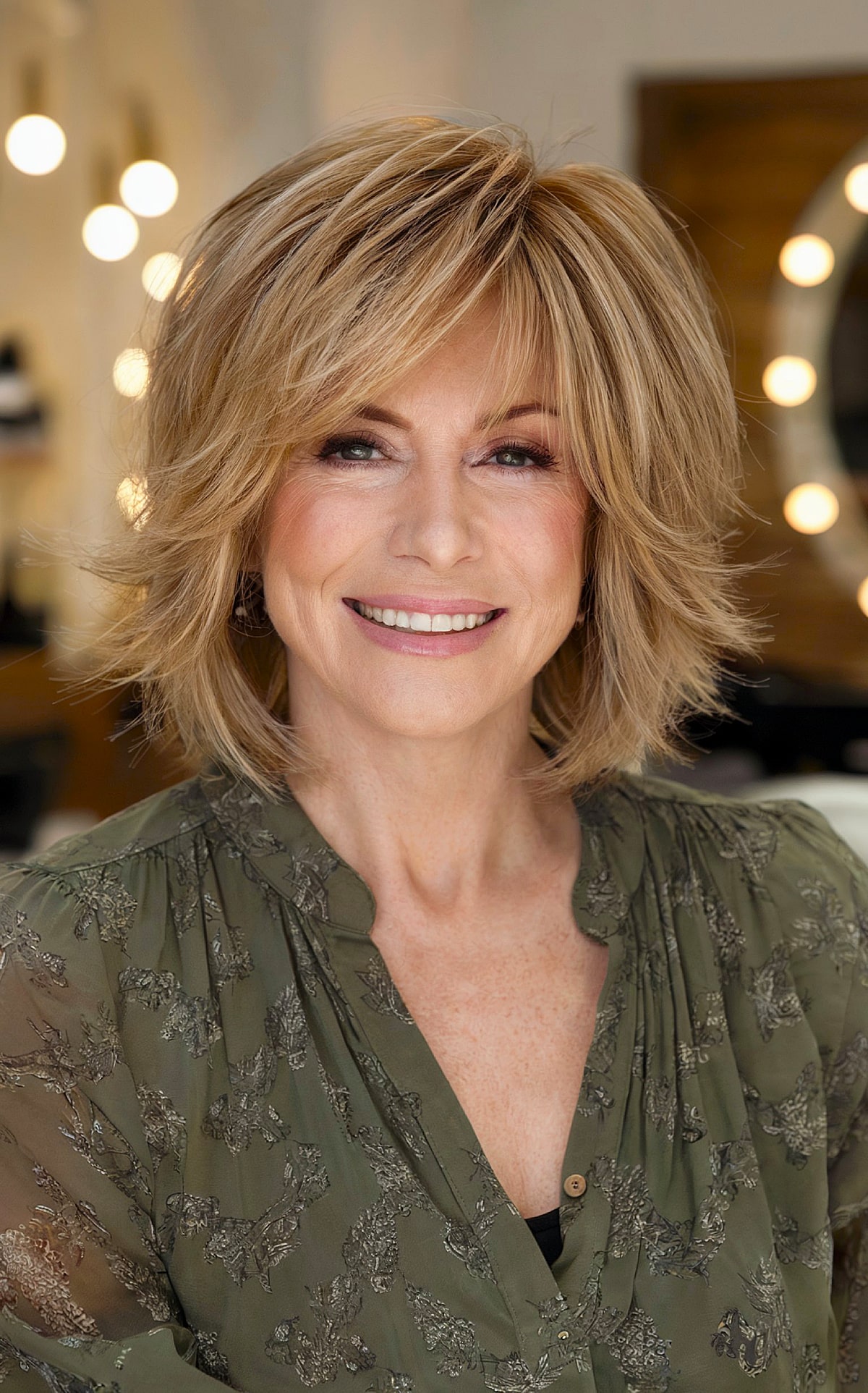
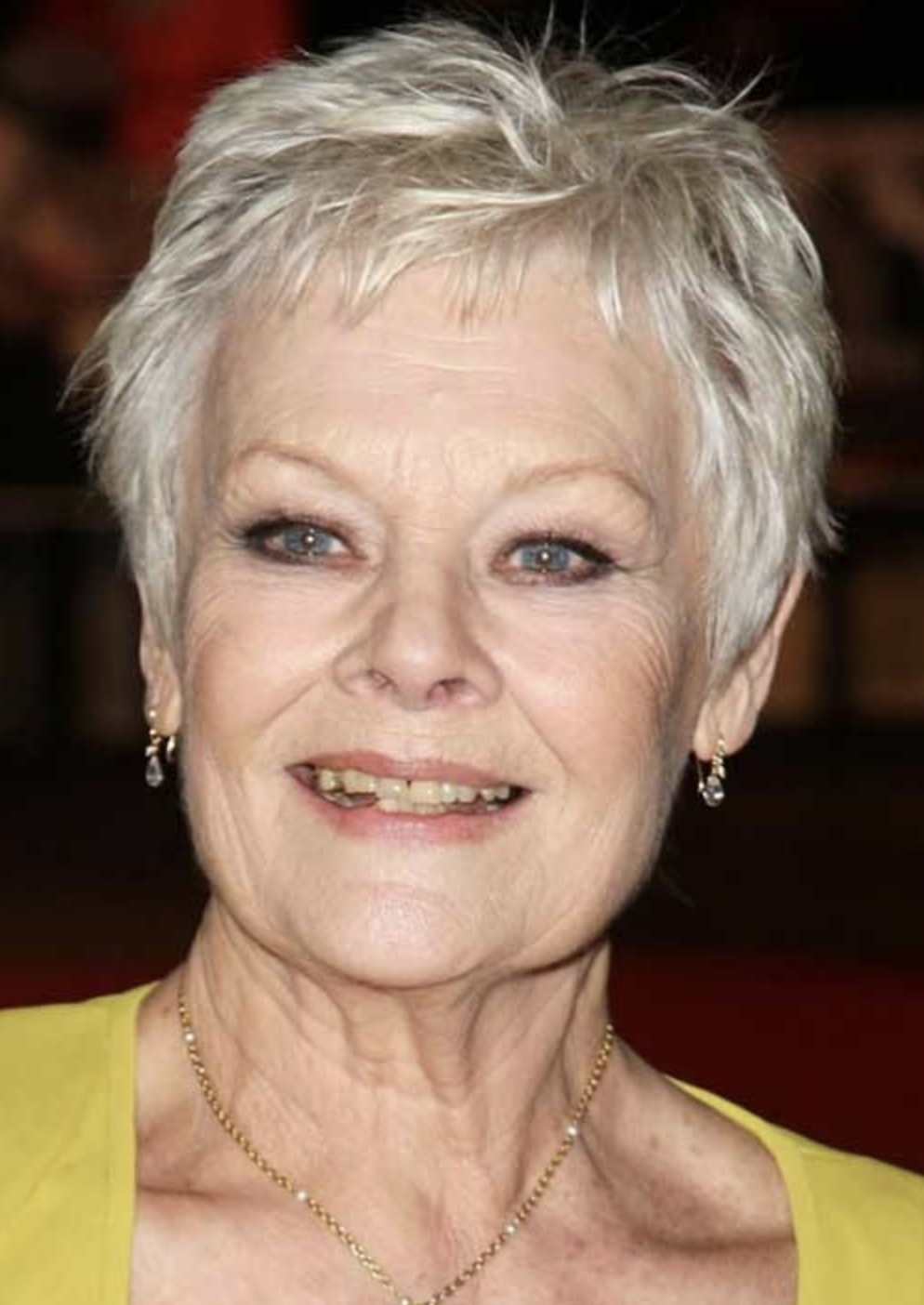
This layered hairstyle, ideal for shoulder-length tresses, involves finely textured ends that resemble delicate feathers. The technique creates movement and volume without excessive bulk, giving the illusion of thicker, fuller hair. It can be adapted to suit various face shapes and hair textures, from straight to wavy.
The approach offers versatility and low maintenance, making it a popular choice. Its lightweight nature can benefit those with finer hair seeking added body, while those with thicker hair can enjoy reduced weight and increased manageability. Emerging in the 1970s, this style has seen revivals throughout the decades, demonstrating its enduring appeal.
The following sections will delve into styling techniques, suitable hair types, and maintenance tips for this adaptable and stylish cut.
1. Layered Styling
Layered styling forms the foundation of the feather cut, giving it its characteristic textured and voluminous appearance. Understanding the nuances of layering is crucial for achieving the desired effect on medium-length hair.
-
Layer Distribution
The strategic placement of layers determines the overall shape and movement of the feather cut. Concentrating layers towards the ends creates the feathered effect, while distributing them throughout the length adds volume and texture. For instance, shorter layers around the crown can lift the hair, while longer layers at the bottom contribute to the flowing, feathered appearance. The distribution must be tailored to the individual’s hair type and desired outcome.
-
Layer Length Variation
The difference in length between layers impacts the intensity of the feathering. Subtle variations create a softer, more blended look, while more pronounced differences result in a more dramatic, piece-y effect. A gradual increase in layer length from the crown to the ends is typical in a feather cut for medium hair, allowing for natural movement and a smooth transition.
-
Layer Angle and Technique
The angle at which the hair is cut during layering influences the direction and flow of the feathers. Cutting at steeper angles creates more pronounced texture, while shallower angles produce a softer, more blended effect. Techniques such as point cutting and slide cutting further refine the texture and shape of the layers, enhancing the feathered appearance.
-
Adaptability to Hair Type
Layered styling within a feather cut can be adapted to suit different hair textures. For straight hair, layers add movement and prevent the cut from appearing flat. Wavy hair benefits from layers that control volume and enhance the natural wave pattern. The layering technique must be adjusted according to the individual’s hair type to achieve the desired result. For example, thicker hair may require more layering to remove weight and prevent bulkiness.
The interplay of these layering elements creates the distinctive feathered look, contributing significantly to the overall aesthetic of the cut on medium-length hair. Careful consideration of these aspects ensures a tailored and flattering result that complements individual hair characteristics and desired styling outcomes.
2. Textured Ends
Textured ends are integral to the feather cut, contributing significantly to its signature lightweight and dynamic appearance. This texturing prevents the feathered layers from appearing blunt or heavy, enhancing the overall flow and movement of the style, especially on medium-length hair.
-
Techniques for Achieving Texture
Various techniques create textured ends, each contributing a unique finish. Point cutting creates a softer, more diffused texture by snipping into the ends of the hair at an angle. Razor cutting produces a sharper, more piece-y texture, ideal for creating a distinct separation between layers. Slide cutting, where the shears glide down the hair shaft, thins out the ends and enhances movement. The chosen technique depends on the desired level of texture and the individual’s hair type.
-
Impact on Hair Movement
Textured ends allow the hair to move more freely, enhancing the feathered effect. Without texturing, the ends could appear heavy and the layers less defined. This enhanced movement contributes to a more voluminous and dynamic look, making the hair appear lively and full of dimension. The difference can be significant, particularly in medium-length hair where weight and movement play a crucial role in the overall style.
-
Styling Versatility
Texturing contributes to styling versatility. Feathered ends can be styled inwards for a smoother, more classic look or outwards for a more voluminous and textured appearance. The textured ends respond well to various styling products and techniques, offering flexibility in achieving different looks. This adaptability makes the feather cut suitable for diverse styling preferences and occasions.
-
Maintenance and Longevity
While textured ends require regular trims to maintain their shape and prevent split ends, the feather cut generally requires less frequent trims compared to other layered styles. The textured ends blend seamlessly as they grow, making the style relatively low-maintenance. This characteristic contributes to the long-term appeal and practicality of the feather cut for medium-length hair.
The interplay between texturing techniques and the layered structure of the feather cut creates a synergistic effect, resulting in a dynamic, voluminous, and versatile style particularly well-suited to medium-length hair. The resulting texture elevates the feathered layers, contributing significantly to the overall aesthetic and manageability of the cut.
3. Medium Length Hair
Medium length hair provides an optimal canvas for the feather cut, creating a symbiotic relationship between length and style. The length allows for sufficient layering to achieve the feathered effect while avoiding the potential for excessive volume or a weighed-down appearance that can occur with longer hair. Conversely, hair significantly shorter than shoulder length might not showcase the layered texture as effectively, diminishing the impact of the feathering. This length facilitates the balance between movement, volume, and manageability characteristic of a successful feather cut.
Consider someone with fine, thin hair seeking added volume. A feather cut on medium-length hair allows for layers to be strategically placed to create lift and fullness without appearing overly styled. If this individual had significantly longer hair, the weight of the hair could counteract the volumizing effect of the layers. Conversely, if the hair were much shorter, the layers might not be long enough to create the desired feathered texture. The medium length acts as a crucial intermediary, allowing the feather cut to deliver its full potential.
Understanding the importance of medium length hair as a foundation for the feather cut is crucial for achieving desired results. This length range provides the ideal balance for showcasing the layered texture and movement intrinsic to the style. Attempting this cut on significantly longer or shorter hair may require adjustments to layering techniques and styling approaches to achieve a comparable effect. Choosing the appropriate length is a critical first step in successfully implementing and maintaining this versatile cut.
4. Movement and Volume
Movement and volume are intrinsic qualities of a successful feather cut, particularly on medium-length hair. The interplay of layered styling and textured ends generates both attributes, contributing significantly to the overall aesthetic. Layering reduces weight, allowing the hair to move more freely. Textured ends further amplify this effect, creating a dynamic, lively appearance. This inherent movement prevents the style from appearing static or heavy, a common concern with medium-length hair. Increased volume is a direct consequence of the reduced weight and enhanced movement. The layers create space and lift, giving the illusion of fuller hair. This characteristic makes the feather cut an attractive option for individuals with fine or thin hair seeking added body. Consider someone with naturally straight, fine hair. A feather cut introduces layers that lift the roots and create movement, resulting in a significantly more voluminous appearance compared to a blunt, one-length cut. The layered structure generates space and allows the hair to flow more freely, enhancing both movement and perceived fullness.
Understanding the relationship between movement and volume within the context of a feather cut is crucial for both stylists and individuals considering this style. Stylists can leverage this understanding to tailor the cut to individual hair types and desired outcomes. For example, someone with thick hair might require more aggressive layering to achieve the desired movement and prevent excessive volume. Conversely, someone with fine hair might benefit from strategically placed layers that maximize lift and fullness. This knowledge empowers individuals to communicate effectively with their stylists and ensure a result that complements their hair characteristics and styling preferences. Consider someone with wavy hair. A feather cut can enhance their natural wave pattern while controlling volume and frizz. The layers work with the existing texture, creating a harmonious balance between movement and structure. This tailored approach highlights the versatility of the feather cut and its adaptability to diverse hair types and textures.
Achieving optimal movement and volume in a feather cut involves careful consideration of layering techniques, texturing methods, and individual hair characteristics. Balancing these elements is crucial for a successful outcome. Excessive layering can lead to unwanted volume or a choppy appearance, while insufficient layering might fail to generate the desired movement and lift. The interplay of these factors must be carefully calibrated to achieve a harmonious and flattering result. Ultimately, a well-executed feather cut on medium-length hair capitalizes on the synergistic relationship between movement and volume to create a dynamic, versatile, and visually appealing style.
Feather Cut for Medium Hair
This exploration has detailed the multifaceted nature of the feather cut for medium hair, emphasizing the interplay of layered styling, textured ends, and the optimal length required to achieve the desired effect. The inherent movement and volume created by this cut offer significant benefits, particularly for those seeking fuller, more dynamic hairstyles. The adaptability of the feather cut to various hair textures and face shapes underscores its versatility. Understanding the nuances of layering techniques and texturing methods is essential for achieving a successful outcome. Ultimately, the feather cut provides a compelling option for individuals seeking a stylish, manageable, and flattering look for medium-length hair.
The feather cut’s enduring appeal stems from its ability to balance classic and contemporary elements. This adaptability ensures its continued relevance in evolving hairstyling trends. Careful consideration of individual hair characteristics and desired outcomes remains paramount in maximizing the benefits of this versatile and stylish cut. By understanding the underlying principles discussed, individuals can make informed decisions and achieve a truly personalized and flattering result.