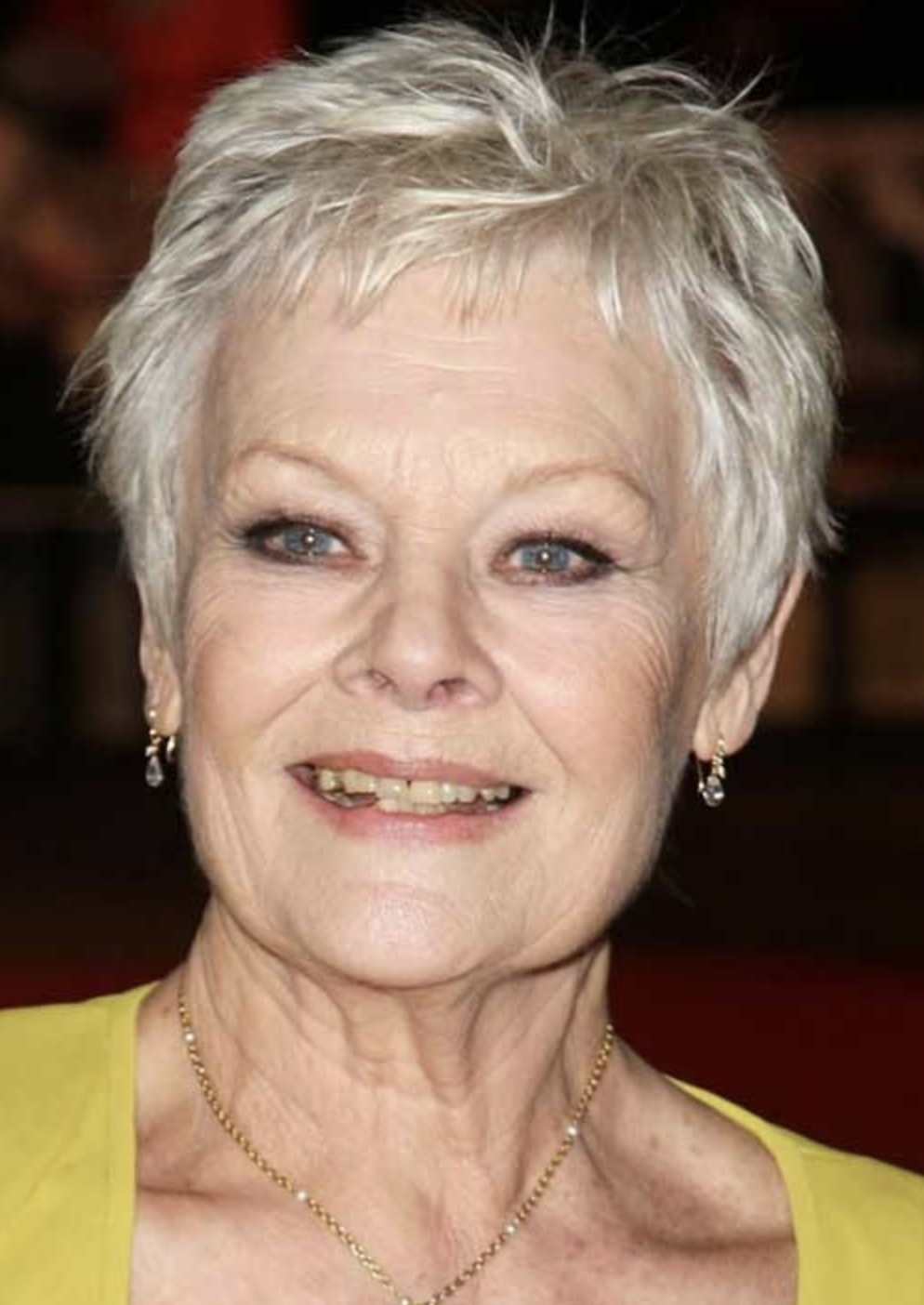
Choppy, textured cuts above shoulder length offer individuals over fifty a range of styling options. These styles involve layering and texturizing techniques to create movement and volume, often incorporating shorter layers at the crown and longer, wispy pieces framing the face. A textured pixie, a layered bob with razored ends, or a short shag are examples of this style category.
Such hairstyles can offer numerous advantages for this demographic. They can create a youthful, contemporary look, minimizing the appearance of fine lines or thinning hair often associated with aging. The ease of styling and maintenance is another key benefit, requiring less time and product than longer or more complex cuts. Historically, shorter hairstyles for women gained popularity in the early to mid-20th century as a symbol of liberation and independence, and this association with empowerment continues to resonate today. The contemporary approach emphasizes texture and personalization, offering a wider array of options than traditional short styles.
The following sections will delve deeper into specific styling options, face shapes suitable for various cuts, product recommendations for achieving desired textures, and maintenance tips for preserving the look.
1. Face Shape
Face shape is a critical factor in determining the suitability of short, choppy hairstyles for individuals over 50. A well-chosen cut can accentuate positive features and soften or camouflage others, contributing significantly to an overall flattering and harmonious appearance. Understanding one’s face shape enables informed decisions regarding the length, layering, and overall silhouette of a short, choppy hairstyle.
-
Round Faces
Round faces benefit from styles that create the illusion of length and definition. Short, choppy cuts with height at the crown and textured layers framing the face can achieve this effect. Pixie cuts with asymmetrical bangs or layered bobs with longer front sections are suitable choices. Avoiding styles that add width at the cheeks or jawline is key.
-
Oval Faces
Oval faces are considered versatile and can generally accommodate a wide range of hairstyles. Short, choppy cuts, from pixie cuts to textured bobs, can work well, offering flexibility in terms of length, layering, and styling options. Experimentation with different fringe styles can further enhance the look.
-
Square Faces
Square faces benefit from styles that soften the jawline and add a touch of roundness. Short, choppy cuts with textured layers and wispy ends can achieve this. Styles that add volume at the crown and around the temples can also help balance the angular features. Blunt cuts or styles that emphasize the jawline should generally be avoided.
-
Heart-Shaped Faces
Heart-shaped faces typically feature a wider forehead and a narrower chin. Short, choppy hairstyles that add fullness at the chin area can create balance. Layered bobs with textured ends or pixie cuts with side-swept bangs are suitable options. Styles that add excessive volume at the crown should be avoided as they can exaggerate the width of the forehead.
By considering face shape and selecting a short, choppy hairstyle that complements its unique characteristics, individuals can achieve a look that is both stylish and flattering. Consulting with a skilled stylist can provide personalized recommendations based on individual facial features and hair texture.
2. Hair Texture
Hair texture plays a significant role in the success of short, choppy hairstyles for individuals over 50. Understanding the interplay between texture and cut allows for informed choices that maximize volume, manageability, and overall aesthetic appeal. Three primary texture categoriesfine, medium, and thickeach present unique opportunities and challenges when considering short, choppy styles.
Fine hair often lacks volume, making it a key consideration when selecting a short, choppy style. Layering and texturizing techniques can create the illusion of fullness. Shorter layers at the crown lift the hair, while strategically placed choppy pieces add dimension and movement. However, excessive layering can further thin out the appearance of fine hair, so a balanced approach is crucial. A textured pixie cut or a short, layered bob can work well for fine hair, provided the layers are not overly thinned out.
Medium-textured hair offers more versatility in terms of styling options. Short, choppy cuts with varying lengths and textures can create dynamic and interesting looks. Razored ends and piecey layers add definition and movement. Bobs, lobs (longer bobs), and shags can all be adapted to suit medium hair textures. The key is to tailor the layering and texturizing to the desired level of volume and movement, avoiding overly heavy or overly wispy results. A consultation with a stylist can help determine the optimal balance for individual needs.
Thick hair can sometimes appear bulky or heavy, especially in shorter styles. Choppy layering techniques help remove excess weight and create a more manageable shape. Texturizing with razors or thinning shears can further reduce bulk and prevent the style from looking too dense. Short, choppy bobs and pixie cuts can work well for thick hair, provided the weight is carefully managed. However, overly short layers can sometimes result in unwanted volume, so a skilled stylist should assess the hair’s density and growth patterns to determine the most flattering approach.
Texture significantly impacts the outcome of short, choppy hairstyles. A skilled stylist analyzes texture to determine suitable layering and texturizing techniques. This ensures the final style complements individual hair characteristics, enhancing manageability and overall aesthetic appeal. By addressing the specific needs of each texturecreating volume in fine hair, balancing movement in medium hair, and managing weight in thick hairstylists achieve flattering and personalized results.
3. Lifestyle
Lifestyle considerations play a crucial role in determining the suitability of short, choppy hairstyles for individuals over 50. These styles, while offering numerous aesthetic advantages, require varying levels of maintenance and styling. Evaluating daily routines, available time for hair care, and personal style preferences ensures the chosen hairstyle complements, rather than complicates, one’s overall lifestyle.
-
Professional Demands
Certain professions may require a more polished or conservative appearance. While short, choppy styles can appear professional, ensuring the chosen cut aligns with workplace expectations is essential. For example, a sleek, textured bob might be more appropriate for a corporate environment than a highly textured pixie cut. Considering the level of formality required in one’s professional life is key to selecting a suitable style.
-
Time Commitment
Short, choppy hairstyles are often marketed as low-maintenance, but the reality varies depending on the specific cut and individual hair texture. Some styles may require regular styling with products and tools to maintain their shape and texture, while others offer a more wash-and-go approach. Assessing one’s available time for daily hair care is essential. Individuals with limited time might prefer a simpler cut that requires minimal styling.
-
Personal Style
Short, choppy hairstyles can project a variety of images, from edgy and modern to classic and sophisticated. Aligning the chosen style with one’s personal aesthetic is crucial for achieving a cohesive and authentic look. For example, a textured pixie with bold color highlights might suit an individual with a more daring style, while a softly layered bob might be preferred by someone seeking a more understated appearance.
-
Travel Frequency
Frequent travelers often prioritize hairstyles that are easy to manage and style on the go. Short, choppy cuts can be ideal for travel, particularly those that require minimal styling products or tools. However, considering the availability of hair care resources while traveling is essential. Individuals who travel extensively might opt for a simpler cut that can be easily maintained without access to specialized styling equipment.
Successfully incorporating a short, choppy hairstyle into one’s lifestyle requires careful consideration of these factors. Evaluating professional demands, time constraints, personal style preferences, and travel frequency ensures the chosen style enhances, rather than hinders, daily life. A well-chosen short, choppy hairstyle can be a stylish and practical choice for individuals over 50, provided it aligns with their individual lifestyle needs and preferences.
4. Maintenance
Maintaining short, choppy hairstyles for individuals over 50 presents unique considerations compared to longer or less textured styles. Regular upkeep is crucial for preserving the desired shape, preventing a grown-out appearance, and maximizing the style’s visual impact. Several factors influence the maintenance requirements of these hairstyles, ranging from the specific cut and hair texture to individual styling preferences.
-
Trimming Frequency
Short, choppy hairstyles require more frequent trims than longer cuts to maintain their shape and prevent the layers from looking uneven or overgrown. Generally, a trim every 4-6 weeks is recommended to keep the style looking its best. The exact frequency may vary depending on the rate of hair growth and the complexity of the cut. Shorter pixie cuts, for instance, may require more frequent trims than layered bobs.
-
Product Use
Styling products play a vital role in achieving and maintaining the desired texture and volume in short, choppy hairstyles. Texturizing sprays, mousses, and waxes can add definition and create separation between layers, enhancing the choppy effect. However, product overuse can weigh down the hair, particularly fine hair, so finding the right balance and choosing products specifically formulated for one’s hair type is essential.
-
Styling Techniques
Mastering basic styling techniques is essential for maintaining a short, choppy hairstyle. Techniques like blow-drying with a round brush to create volume at the crown, using a flat iron to define specific pieces, and applying texturizing products with the fingers to create separation can significantly impact the overall look. Learning these techniques from a stylist and practicing them regularly can greatly reduce styling time and improve the longevity of the style.
-
Home Care Practices
Proper home care practices, including regular shampooing and conditioning with products suited to one’s hair type, contribute to the overall health and appearance of short, choppy hairstyles. Using a heat protectant spray before heat styling and avoiding excessive heat exposure can minimize damage and maintain the hair’s integrity. Regular deep conditioning treatments can also help replenish moisture and prevent dryness, especially in color-treated or chemically processed hair.
Understanding and addressing these maintenance requirements ensures that short, choppy hairstyles remain a flattering and manageable choice for individuals over 50. By incorporating regular trims, appropriate product use, effective styling techniques, and proper home care practices, individuals can maximize the longevity and visual appeal of their chosen style. Consistent maintenance not only preserves the style but also contributes to the overall health and appearance of the hair, ensuring a vibrant and youthful look.
Short Choppy Hairstyles Over 50
Short, choppy hairstyles offer individuals over 50 a versatile and stylish option, provided careful consideration is given to face shape, hair texture, lifestyle, and maintenance requirements. Achieving a successful outcome relies on understanding the interplay between these factors. A round face benefits from height and asymmetry, while an oval face offers greater flexibility. Fine hair requires layering for volume, thick hair needs texturizing to reduce bulk, and medium textures allow for varied approaches. Lifestyle dictates practicality, influencing choices based on time constraints and professional demands. Regular trims, appropriate product use, and effective styling techniques are crucial for maintaining the desired look.
Ultimately, a personalized approach is essential. Consultation with a skilled stylist ensures informed decisions tailored to individual needs and preferences. This collaborative process empowers individuals to embrace short, choppy hairstyles with confidence, creating a look that is both stylish and age-appropriate. The transformative potential of these styles extends beyond mere aesthetics, reflecting a contemporary embrace of individuality and self-expression.