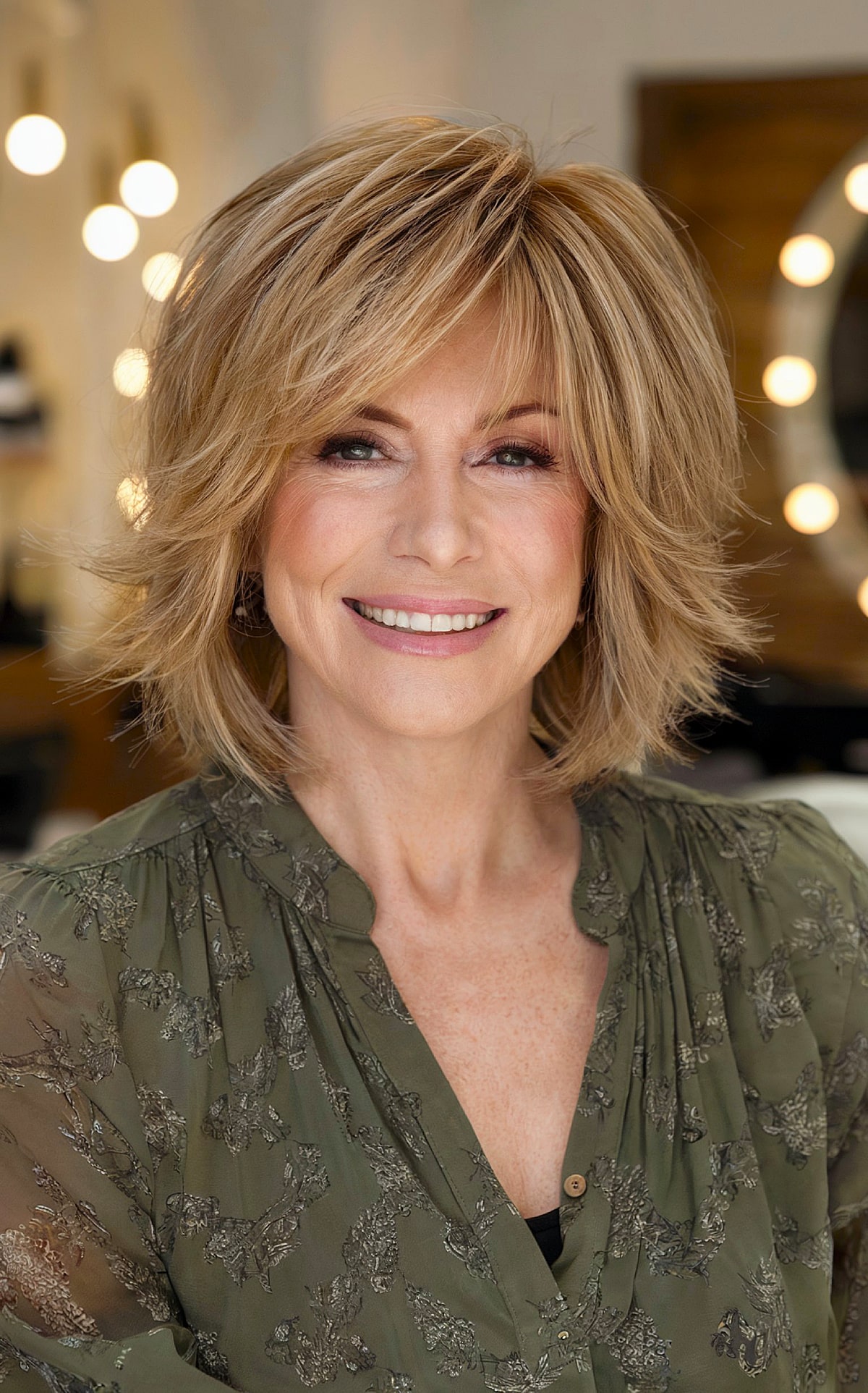
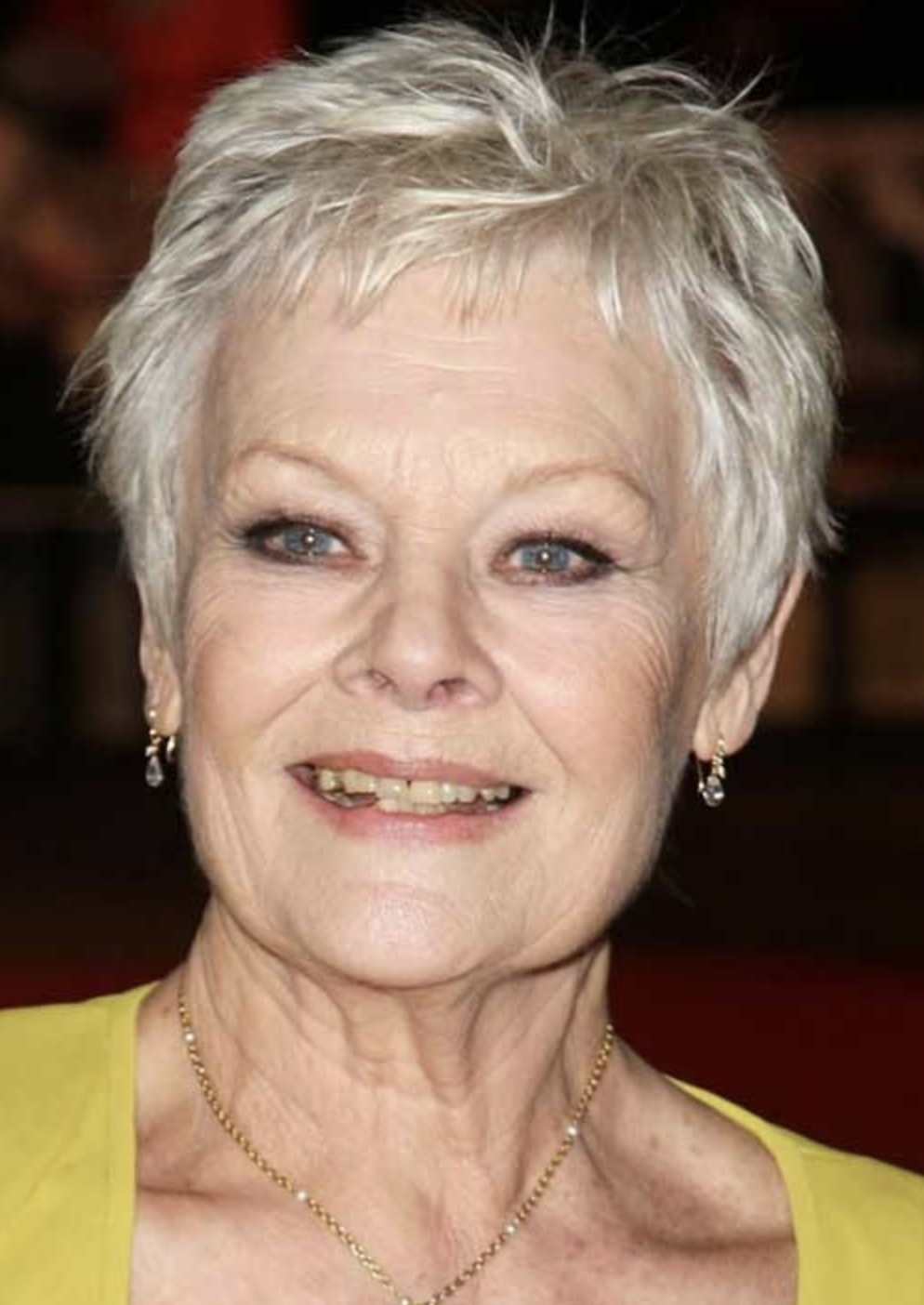
This style involves dyeing strands of short hair a lighter shade of brown than the base color, creating a textured and dimensional effect. The contrast between the base color and lighter strands adds depth and visual interest, giving the illusion of volume and movement. For example, a dark brunette might opt for caramel-toned streaks to brighten their overall appearance, while someone with medium brown hair could choose honey-colored highlights for a sun-kissed look.
Adding subtle luminosity to short hairstyles can enhance facial features and provide a youthful, refreshed appearance. This technique offers versatility, allowing for a range of effects from subtle shimmer to bold contrast. Historically, hair lightening techniques have existed for centuries, utilizing natural ingredients like lemon juice and chamomile. Modern highlighting methods offer greater precision and control over color placement, resulting in more refined and personalized results. The current trend towards shorter hairstyles makes the strategic placement of highlights even more impactful, as they play a significant role in shaping the overall look.
The following sections will explore various aspects of achieving and maintaining this style, including suitable hair types, color selection, application techniques, and aftercare recommendations. Furthermore, different highlighting patterns and their influence on face shape and overall aesthetic will be discussed.
1. Base Hair Color
Base hair color serves as the foundation upon which light brown highlights are applied, playing a crucial role in the final outcome. The relationship between base color and highlight shade determines the level of contrast and the overall effect. A darker base provides a richer backdrop, allowing for brighter, more dramatic highlights. Conversely, a lighter base necessitates more subtle highlights to prevent an overly stark contrast. The interplay of these colors creates depth and dimension, influencing the perceived volume and texture of the hair. For instance, a deep chocolate brown base can be beautifully accented with warm caramel highlights, adding a touch of richness and luminosity. On the other hand, a light, ash brown base might benefit from cool, beige highlights to create a subtle, sun-kissed effect.
Understanding the interplay of base color and highlights is essential for achieving desired results. Choosing highlight shades that complement the base color is crucial. Warm-toned bases generally pair well with warm highlights, while cool-toned bases harmonize with cooler highlights. Attempting to combine contrasting tones can result in a disjointed appearance, diminishing the intended effect. For example, applying cool, ashy highlights to a warm, golden brown base may create a clashing effect. Skilled colorists often use color theory principles to ensure a harmonious blend between base and highlight colors.
Careful consideration of base hair color when planning light brown highlights is essential for achieving a natural and flattering look. This fundamental understanding allows for a seamless integration of highlights, enhancing the overall style and creating a cohesive, multi-dimensional appearance. Challenges can arise when the base color is significantly different from the desired highlight shade, requiring multiple steps or color correction. Effective communication between the client and stylist about base color and desired outcome is crucial for achieving the desired results. This careful selection and execution of base color and highlight combinations enables the creation of short hairstyles that are both stylish and individualized.
2. Highlight Shade
Highlight shade selection significantly impacts the overall aesthetic of light brown highlights on short hair. The chosen shade interacts with the base hair color to create depth, dimension, and movement. Careful consideration of the interplay between these colors is essential for achieving a natural and flattering result. Warmer highlight shades, such as honey or caramel, tend to complement warmer base brown tones, creating a sun-kissed effect. Cooler shades, like ash or beige, can add subtle dimension to cooler brown bases. The level of contrast between the base color and highlight shade determines the intensity of the highlights. A high contrast creates a bolder, more dramatic look, while a low contrast results in a softer, more blended appearance. For example, applying golden highlights to a dark brown base creates a striking contrast, whereas using a light beige on a medium brown base yields a more subtle effect.
Highlight shade placement also plays a crucial role in shaping the final look. Face-framing highlights can brighten the complexion and accentuate features, while strategically placed highlights throughout the hair can add texture and volume. The technique used to apply the highlights, such as balayage or foiling, also influences the distribution and intensity of the chosen shade. Balayage creates a more natural, blended effect, mimicking the way hair naturally lightens in the sun. Foiling, on the other hand, allows for more precise placement and control over the highlight pattern. The chosen technique and placement strategy should complement the highlight shade and base color to achieve the desired aesthetic. Highlighting short hair requires precision due to the limited canvas. A skilled stylist can tailor the placement and intensity of highlights to enhance the haircut and flatter facial features.
Selecting the appropriate highlight shade is paramount for achieving successful light brown highlights on short hair. Understanding the interplay of highlight shade, base color, and placement technique allows for a tailored and flattering result. Challenges may arise when attempting to create highlights on previously colored hair or hair with varying porosity. Careful assessment of the hair’s condition and color history is essential for determining the appropriate highlight shade and application technique. Achieving a cohesive and natural-looking result requires a comprehensive understanding of these factors, along with skilled execution. The choice of highlight shade significantly contributes to the overall aesthetic, influencing the perceived depth, dimension, and vibrancy of the hair.
3. Placement Technique
Placement technique is a critical factor in achieving the desired aesthetic with light brown highlights on short hair. Strategic placement dictates how the highlights interact with the haircut, facial features, and overall style. Different techniques offer varying levels of control and produce distinct visual effects, ranging from subtle, sun-kissed dimension to bold, contrasting streaks. Understanding the nuances of each technique allows for a tailored approach, ensuring the highlights complement the individual’s features and desired outcome.
-
Foil Highlights
Foil highlights involve sectioning the hair and applying color to thin strands, which are then wrapped in foil. This technique provides precise control over highlight placement and allows for greater lift and intensity. It’s ideal for creating defined streaks and achieving a higher contrast between the base color and highlights. Foils can be used to create various patterns, such as face-framing highlights or a more dispersed, overall lightening effect. The precision offered by foils is particularly beneficial for short hair, where accurate placement is crucial due to the limited surface area.
-
Balayage
Balayage is a freehand technique where color is painted directly onto the hair’s surface. This method creates a more natural, blended effect, mimicking the way hair naturally lightens in the sun. Balayage offers a softer transition between the base color and highlights, resulting in a less structured, more dimensional look. It’s well-suited for creating subtle, sun-kissed highlights and adding texture and movement to short hairstyles. The painterly approach of balayage allows for a customized application tailored to the individual’s haircut and desired level of intensity.
-
Babylights
Babylights involve highlighting very fine sections of hair, creating a delicate and subtle effect. This technique mimics the natural highlights seen in children’s hair, adding a touch of brightness and dimension without a dramatic color change. Babylights are particularly effective for adding subtle luminosity to short hair, creating a youthful and refreshed appearance. They can be used to blend gray hairs or simply add a touch of shimmer throughout the hair. The subtlety of babylights makes them a versatile option for various base colors and hair textures.
-
Partial Highlights
Partial highlights focus on specific areas of the hair, such as the crown or face-framing sections. This technique is ideal for adding brightness and dimension to targeted areas without a full head of highlights. Partial highlights can be used to enhance certain features, create a focal point, or simply refresh the overall look. For short hair, partial highlights can be particularly effective in adding volume and lift around the crown or brightening the complexion around the face. This targeted approach allows for a customized look tailored to individual preferences and hair characteristics.
The chosen placement technique significantly influences the final appearance of light brown highlights on short hair. Each method offers unique benefits and contributes to distinct aesthetic outcomes. Selecting the appropriate technique depends on factors such as the desired level of contrast, the natural hair color, the haircut, and the overall style goals. Careful consideration of these elements ensures that the highlights complement the individual’s features and enhance the overall look, creating a harmonious and flattering result.
4. Hair Length and Cut
Hair length and cut are fundamental considerations when incorporating light brown highlights, particularly on shorter hairstyles. The cut dictates how the highlights interact with the overall shape and style, influencing the final aesthetic. Highlight placement must complement the cut to maximize its impact and create a harmonious look. Understanding the interplay between cut, color, and highlight placement is crucial for achieving a balanced and flattering result.
-
Pixie Cuts
With pixie cuts, highlights can add dimension and texture to an otherwise simple style. Concentrating highlights on the top layers can create the illusion of volume, while strategically placed highlights around the face can accentuate features. Subtle highlights can soften the look, while bolder highlights can add a touch of edginess. Due to the short length, highlight placement requires precision to avoid an overwhelming or uneven appearance. The density of highlights should also be considered, as too many can appear busy on such a short canvas.
-
Bobs
Bobs offer more versatility in highlight placement. A graduated bob can be enhanced with highlights that accentuate the layering, creating depth and movement. A blunt bob can benefit from face-framing highlights that add brightness and draw attention to the face. Highlights can also be used to create a textured effect, mimicking the appearance of natural sun-kissed hair. The angle of the bob influences how the highlights are displayed, requiring careful placement to complement the cut’s geometry.
-
Asymmetrical Cuts
Asymmetrical cuts present a unique opportunity for creative highlight placement. Highlights can be used to emphasize the asymmetry, drawing attention to the longer sections or adding dimension to the shorter side. Careful placement can balance the uneven lengths and create a cohesive look. The contrast between the base color and highlights can further accentuate the asymmetry, adding a dramatic flair. Highlighting asymmetrical cuts often requires a more bespoke approach, tailoring the placement to the specific angles and lengths of the cut.
-
Layered Short Cuts
Layered short cuts benefit from highlights that accentuate the layering and create movement. Highlights placed on the shorter layers can add volume and texture, while highlights on the longer layers create depth and dimension. The interplay of highlights on different layers can create a dynamic and visually interesting effect. Careful consideration should be given to the density and placement of highlights to avoid overwhelming the layered structure of the cut.
The interaction between hair length, cut, and highlight placement is essential for achieving a successful outcome with light brown highlights on short hair. A well-executed highlighting technique complements the cut, enhancing its shape and adding dimension. Careful consideration of these factors ensures a harmonious result, maximizing the impact of the highlights and creating a flattering and stylish look. Ultimately, the interplay between cut and color contributes significantly to the overall aesthetic of the hairstyle.
Light Brown Highlights on Short Hair
Achieving a harmonious and flattering look with light brown highlights on short hair requires a nuanced understanding of several key factors. Base hair color, highlight shade, placement technique, and hair length and cut all contribute significantly to the final result. Careful consideration of these elements is essential for creating a cohesive and personalized style. Selecting a highlight shade that complements the base color establishes the foundation for a natural and balanced appearance. Strategic placement techniques, ranging from precise foil highlights to freehand balayage, allow for tailored effects that enhance the haircut and facial features. The interplay between these elements dictates the overall aesthetic, influencing the perception of depth, dimension, and movement within the hair.
Ultimately, the successful integration of light brown highlights on short hair relies on a comprehensive approach that considers the individual’s unique characteristics and desired outcome. A thorough consultation with a skilled stylist is crucial for navigating the complexities of color selection and placement. This collaborative process ensures a personalized result that complements the individual’s style and enhances their natural beauty. As hair trends evolve, understanding the fundamental principles of highlighting remains paramount for achieving timeless and flattering looks.