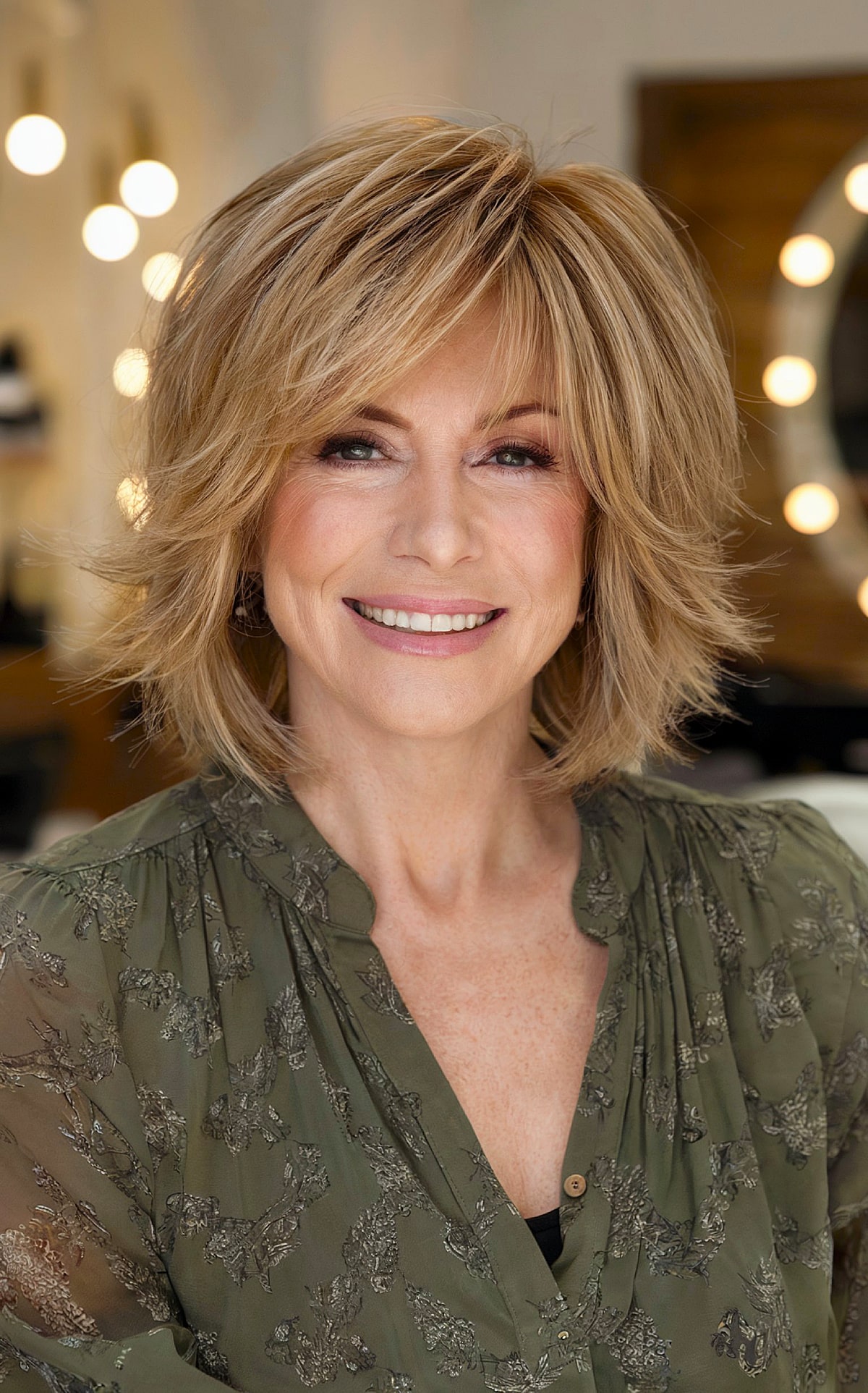
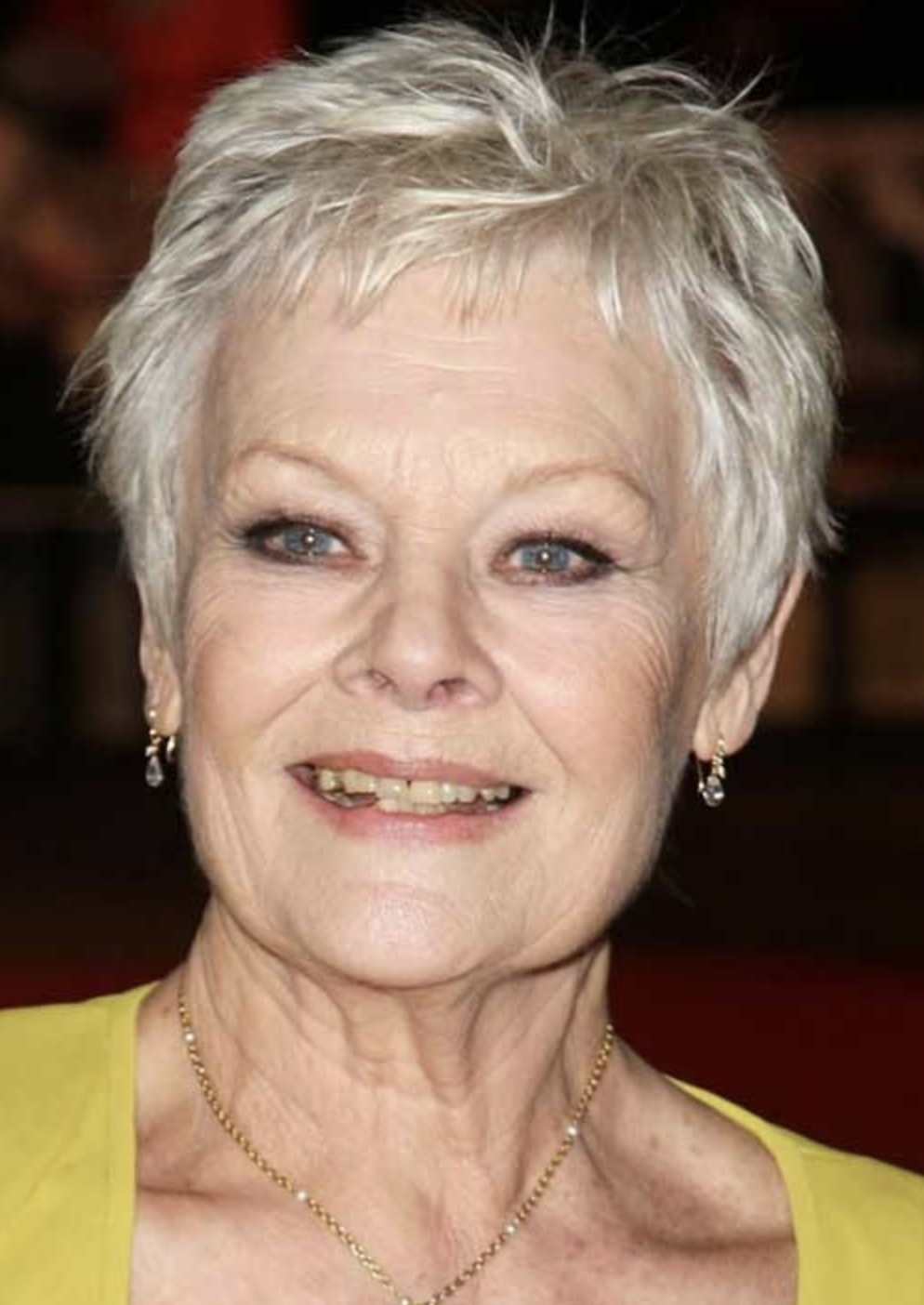
Styling textured hair involves specialized techniques designed to enhance curl definition, manage volume, and minimize frizz. These techniques often involve cutting the hair dry to see the curl pattern in its natural state, and utilizing specific tools like diffusers and curl-defining products. For example, a “deva cut” is a popular method specifically for curls, focusing on shaping each curl individually.
Proper shaping and maintenance are essential for healthy, vibrant curls. Skilled stylists understand how to work with different curl types, densities, and porosities to create a style that complements an individual’s face shape and desired look. Historically, curly hair has often been misunderstood and mistreated, leading to damage and frustration. The increasing popularity of specialized cutting techniques reflects a growing appreciation for the unique beauty of natural curls and the importance of proper care.
This article will delve into the nuances of shaping textured tresses, exploring various cutting techniques, product recommendations, and maintenance tips to help individuals embrace and enhance their natural curls.
1. Curl Type
Curl type significantly influences optimal shaping strategies. Categorized from loose waves (2A-2C) to tight coils (4A-4C), each type presents unique characteristics and requires specific considerations. Loose waves often benefit from long layers to enhance their natural movement and avoid a weighed-down appearance. Conversely, tighter coils might require more strategic shaping to manage volume and prevent shrinkage. Understanding the specific needs of each curl type is fundamental for achieving a flattering and manageable style. For instance, a tightly coiled curl type may thrive with a layered cut to distribute volume evenly, while a loose wave might benefit from a blunt cut to create the illusion of fullness.
Choosing a cut without considering curl type can lead to undesirable outcomes. Cutting tight curls too short can result in excessive shrinkage and a disproportionate shape. Similarly, layering loose waves improperly can diminish their natural movement and create a choppy, uneven appearance. Therefore, skilled stylists analyze curl type before making any cutting decisions, ensuring the chosen style complements the natural curl pattern and achieves the desired aesthetic. This expertise allows them to tailor the cut to the individual’s needs, minimizing potential issues and maximizing the beauty of their natural texture.
In summary, curl type is a critical factor in determining the most suitable shaping approach. Accurate curl type identification and corresponding cutting techniques are paramount for achieving a well-balanced, flattering style that enhances the natural beauty of textured hair. Failure to consider curl type can lead to styling challenges and dissatisfaction. Consequently, prioritizing curl type analysis ensures a personalized approach to hair shaping, leading to more manageable and aesthetically pleasing results.
2. Hair Density
Hair density, referring to the number of hair strands per square inch on the scalp, plays a crucial role in determining the suitability of various shaping techniques for curly hair. Understanding density is essential for achieving balanced volume and a flattering silhouette. This factor influences layering strategies, product choices, and overall styling approaches.
-
Low Density
Fine, often delicate curls characterize low-density hair. Layering can create the illusion of fullness, but excessive layering may result in sparse-looking ends. Blunt cuts or long, rounded layers often work well to maintain overall volume and avoid a thin appearance. Lightweight styling products prevent weighing the hair down.
-
Medium Density
Individuals with medium density possess a moderate number of hair strands. This density offers versatility in styling choices. Both layered and blunt cuts can work well, and moderate layering can add shape and movement without compromising volume. A wider range of styling products can be used effectively.
-
High Density
High-density hair comprises a large number of strands, often resulting in significant volume. Strategic layering is essential for managing this volume and preventing a bulky or triangular silhouette. Layers help distribute weight evenly and create a more defined shape. Heavier styling products may be required for control and definition.
Accurate density assessment informs crucial decisions about layering, length, and overall shaping strategies. Ignoring density can lead to imbalanced volume, difficulty in styling, and an unsatisfactory outcome. Therefore, analyzing hair density alongside curl type provides a comprehensive understanding of an individual’s hair characteristics, enabling stylists to create a truly personalized and flattering cut.
3. Face Shape
Harmonizing face shape and curly haircuts is crucial for achieving a balanced and flattering appearance. The right cut can soften angular features, add fullness to narrow faces, or create the illusion of length for rounder faces. Careful consideration of face shape ensures the chosen style enhances natural features and creates a harmonious overall look. Understanding the interplay between face shape and curly hair characteristics allows for informed decisions regarding length, volume, and layering.
-
Round
Round faces benefit from styles that create the illusion of length and definition. Volume at the crown and elongated layers that frame the face can help achieve this effect. Avoiding short, rounded cuts that emphasize width is key. Styles that add height and visual interest vertically, such as a layered shag or a high ponytail, tend to be most flattering.
-
Oval
Oval faces are generally considered the most versatile, allowing for a wider range of styles. Most curly haircuts complement this shape well, offering flexibility in terms of length and layering. From short, cropped styles to long, flowing curls, individuals with oval faces can experiment with various looks.
-
Square
Square faces benefit from styles that soften angular features, particularly the jawline. Layered cuts that frame the face and rounded shapes can help achieve this. Avoiding blunt, straight-across cuts is recommended, as they can accentuate angularity. Soft waves or curls that break up the strong lines of the jawline are often flattering.
-
Heart
Heart-shaped faces are characterized by a wider forehead and a narrower chin. Styles that add fullness around the chin and jawline can create balance. Chin-length bobs or layered cuts that add volume at the bottom are often suitable choices. Styles that draw attention away from the forehead, such as side-swept bangs, can also be flattering.
By considering face shape in conjunction with curl type and density, stylists can create haircuts that not only enhance natural curl patterns but also complement individual features. This personalized approach ensures a harmonious and flattering result, maximizing the beauty of both the hair and the face. A well-chosen cut can create a visually appealing frame for the face, highlighting its best features and creating a balanced, aesthetically pleasing overall look.
4. Styling Techniques
Styling techniques are integral to the success of any curly haircut. The relationship between the cut and the styling process is symbiotic; a well-executed cut provides the foundation for effective styling, while appropriate styling techniques enhance and maintain the shape and definition of the cut. The interplay between these two elements determines the final appearance and manageability of curly hair. For example, a layered cut designed to distribute volume relies on diffusing or air-drying techniques to achieve its intended effect. Conversely, improper styling can undermine even the most expertly executed cut, leading to frizz, undefined curls, and an overall unsatisfactory appearance.
Several styling techniques cater specifically to the needs of curly hair. Diffusing, a technique using a hairdryer attachment to distribute airflow gently, helps enhance curl definition and minimize frizz. Plopping, a method involving wrapping hair in a microfiber towel or t-shirt, encourages curl formation and reduces drying time. Finger coiling, a technique where individual curls are shaped manually, enhances definition and promotes consistent curl patterns. Product selection also plays a crucial role. Curl creams, gels, and mousses provide hold, definition, and moisture, contributing significantly to the final look. Choosing the right products and techniques depends on individual curl type, density, and desired style. For instance, individuals with fine, low-density curls might benefit from lightweight mousses and air-drying, while those with thick, high-density curls might prefer heavier gels and diffusing for optimal results. Neglecting appropriate styling techniques can negate the benefits of a professional haircut, hindering curl definition and manageability.
Mastering effective styling techniques empowers individuals to maintain and maximize the benefits of their curly haircuts. This understanding fosters long-term satisfaction with the chosen style and promotes healthy hair habits. Challenges may arise when transitioning to new styling routines or products, requiring patience and experimentation. However, recognizing the crucial link between styling techniques and haircut success ultimately leads to greater control, confidence, and consistent achievement of desired results. This knowledge transforms the styling process from a potential source of frustration to an empowering ritual that celebrates the unique beauty of curly hair.
Conclusion
Achieving optimal results from textured hair styling requires a comprehensive understanding of several interconnected factors. Curl type, hair density, face shape, and styling techniques each play a critical role in determining the most suitable and effective approach. Ignoring any of these elements can lead to suboptimal outcomes, hindering manageability and diminishing the natural beauty of curls. This exploration has emphasized the importance of recognizing the individuality of curly hair and tailoring shaping and maintenance practices accordingly. A holistic approach that considers all these elements ensures a harmonious balance between the cut, the individual’s features, and their desired aesthetic.
Ultimately, successful management of textured hair necessitates a shift from generic approaches to personalized strategies. Embracing the unique characteristics of each individual’s hair empowers both stylists and individuals to make informed decisions that optimize results. This informed perspective fosters greater confidence in managing and celebrating the inherent beauty of natural curls, promoting healthy hair practices and long-term satisfaction with styling outcomes. Continued exploration of innovative techniques and products promises further advancements in the art of curly hair care, ensuring that individuals with textured hair can fully embrace and enhance their natural beauty.