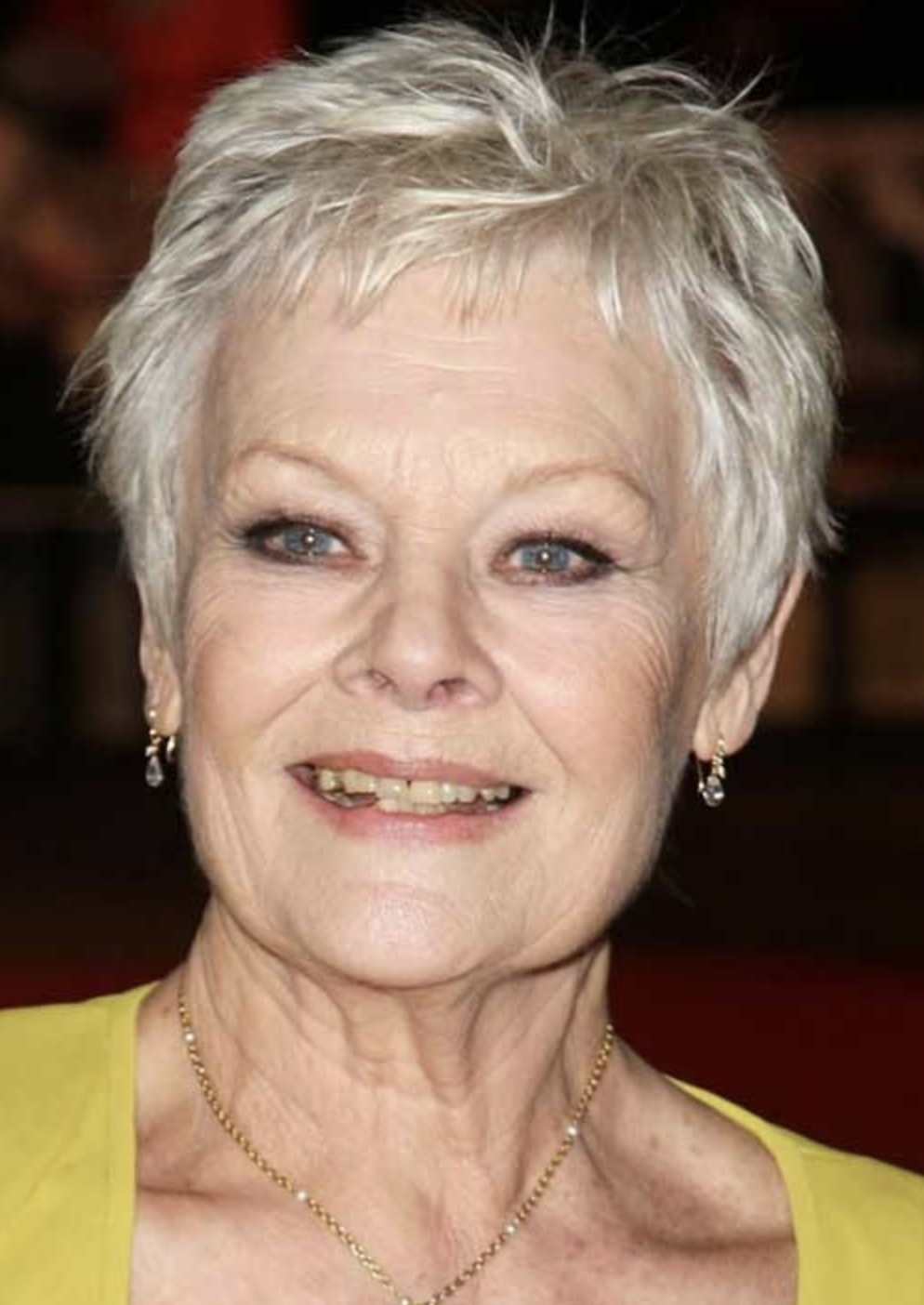
Styling wavy hair often involves specific cutting techniques designed to enhance the natural wave pattern and minimize frizz. For example, layered cuts can remove weight and allow waves to form more freely, while blunt cuts can create a heavier, more defined wave. The desired outcome influences the stylist’s approach, taking into account hair thickness, texture, and the individual’s styling preferences.
A suitable cut is crucial for managing and showcasing wavy hair’s natural beauty. A well-executed style can transform unruly, frizzy hair into a cascade of defined waves, reducing styling time and enhancing overall appearance. Historically, trends have varied from embracing natural texture to straightening, but a renewed appreciation for natural waves has led to the development of specialized cutting and styling methods.
This discussion will further explore various aspects of styling wavy hair, including popular cut types, suitable products, and effective styling techniques for different wave patterns and face shapes. Understanding these elements empowers individuals with wavy hair to achieve their desired look and embrace their natural texture.
1. Layered Cuts
Layered cuts are a cornerstone of successful styling for wavy hair. The strategic removal of weight allows natural wave patterns to express themselves fully, creating volume and movement. This technique addresses the common challenge of wavy hair appearing heavy or shapeless. For example, individuals with thick, wavy hair often find that a layered cut prevents the formation of a triangular silhouette, promoting a more balanced and flattering shape.
The specific layering technique depends on the individual’s hair type and desired outcome. Long, cascading layers create soft, flowing waves, while shorter, choppy layers add texture and volume. Internal layering, a technique that removes weight from underneath the hair, can be particularly beneficial for those with dense waves, preventing the hair from appearing too bulky. Understanding the impact of different layering techniques empowers stylists to tailor the cut to individual needs and preferences.
Mastering layered cuts for wavy hair requires a thorough understanding of hair texture, density, and wave pattern. Challenges can arise if layers are cut too short or too bluntly, resulting in uneven waves or unwanted frizz. Therefore, selecting a stylist experienced in working with wavy hair is crucial for achieving the desired outcome. This knowledge allows for a harmonious blend of technique and individual characteristics, maximizing the potential of naturally wavy hair.
2. Length Considerations
Length plays a pivotal role in the overall appearance and manageability of wavy hair. Choosing the right length requires careful consideration of the individual’s wave pattern, hair thickness, and desired style. An unsuitable length can either overwhelm natural waves or cause them to appear undefined and frizzy. Understanding the impact of length is therefore crucial for a successful haircut.
-
Short Lengths
Short haircuts can accentuate natural wave patterns by adding volume and lift. Pixie cuts and textured bobs are popular choices, offering a wash-and-go style with minimal styling effort. However, very short lengths can sometimes lead to excessive volume or difficulty in managing tighter wave patterns. Careful consideration of the wave type is essential for a successful short haircut.
-
Medium Lengths
Medium lengths, typically falling around the shoulders or collarbone, provide versatility and balance for wavy hair. This length allows for various styling options while still showcasing the natural wave. Layered cuts at this length can prevent the hair from appearing too heavy or bottom-heavy, distributing the weight evenly and promoting well-defined waves.
-
Long Lengths
Long wavy hair can create a flowing, romantic look. However, excessive length can sometimes weigh down the waves, resulting in a flat appearance at the crown and overly voluminous ends. Long layers are often recommended to maintain shape and movement. Additionally, individuals with finer hair textures might find that long lengths further diminish the appearance of their waves.
-
Length and Face Shape Considerations
Length also interacts with face shape to create a harmonious overall look. Longer lengths can elongate round faces, while shorter lengths can complement oval or heart-shaped faces. Balancing length with face shape ensures a flattering and well-proportioned style. For example, someone with a square face might opt for a medium length with soft layers to soften the jawline.
Ultimately, selecting the appropriate length for wavy hair necessitates a thorough assessment of individual hair characteristics and desired outcomes. The interplay between length, wave pattern, and face shape significantly influences the final result. Careful consideration of these factors ensures a stylish and manageable haircut that enhances natural texture and complements individual features.
3. Face Shape
Face shape plays a crucial role in determining the most flattering haircut for wavy hair. The goal is to create balance and harmony, accentuating positive features while softening any perceived imbalances. Understanding the interplay between face shape and haircut allows for informed decisions, maximizing the potential of wavy hair to complement individual features. Ignoring face shape can result in a haircut that amplifies undesirable features, such as a wide forehead or a strong jawline, rather than creating a balanced and aesthetically pleasing look.
Different face shapes benefit from specific haircut characteristics. For instance, round faces benefit from styles that create the illusion of length, such as long layers and side-swept bangs. These elements draw attention vertically, counteracting the roundness. Conversely, square faces benefit from soft, layered cuts that minimize the angularity of the jawline. Choppy layers and textured styles can add dimension and soften strong features. Individuals with oval faces have greater flexibility, as this shape generally suits a wider range of styles, from short pixies to long, flowing layers. Heart-shaped faces, characterized by a wider forehead and narrower chin, benefit from styles that add fullness to the lower portion of the face, such as chin-length bobs or layered cuts that create volume below the cheekbones. Triangular faces, which have a wider jawline and narrower forehead, benefit from hairstyles that add volume at the crown, balancing the proportions.
Successfully incorporating face shape into haircut decisions requires a thorough assessment of individual features and an understanding of how different cutting techniques can modify perceived proportions. Working with an experienced stylist proficient in analyzing face shapes is essential for achieving optimal results. A skilled stylist can analyze facial features, hair texture, and wave pattern to create a customized haircut that enhances natural beauty and complements individual characteristics. This personalized approach ensures a flattering and harmonious outcome that emphasizes positive attributes and creates a balanced, aesthetically pleasing look.
Haircut for Wavy Hair
Selecting a haircut for wavy hair necessitates careful consideration of various interconnected factors. Layered cuts, length, and face shape significantly influence the final outcome. Understanding the impact of each element allows for informed decisions that maximize the potential of natural wave patterns. A well-executed haircut tailored to individual characteristics enhances manageability, reduces styling time, and creates a flattering, personalized look.
Ultimately, achieving a successful haircut for wavy hair relies on a thorough assessment of individual needs and preferences. Collaboration with a skilled stylist experienced in working with wavy hair ensures a harmonious blend of technique and personal style, resulting in a look that celebrates natural texture and enhances overall appearance. This approach empowers individuals to embrace and showcase the unique beauty of their wavy hair.