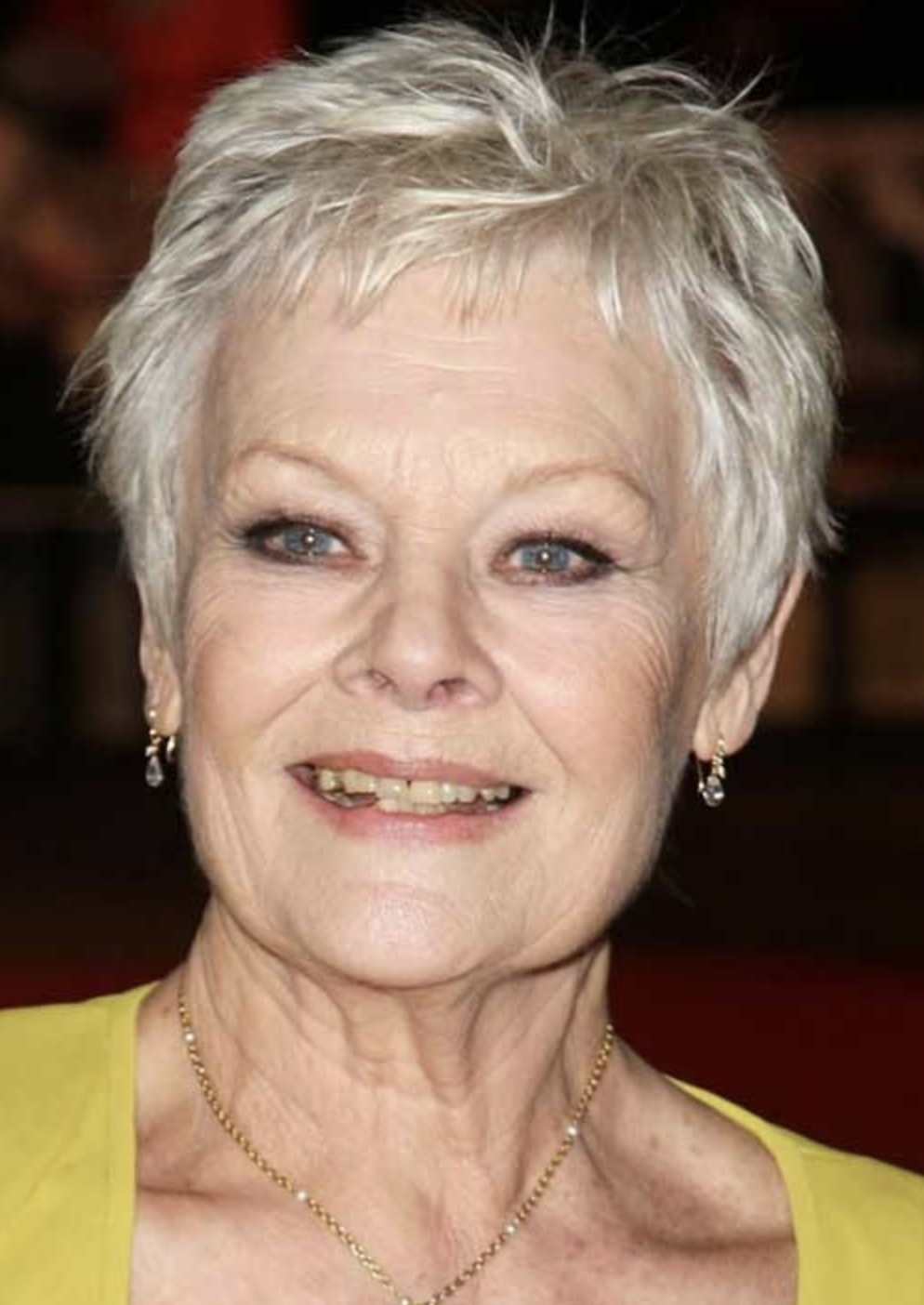
Individuals with fuller faces often seek styles that create a visually lengthening and slimming effect. A carefully chosen cut can enhance facial features and create a balanced, harmonious look. For example, layered cuts can add volume and texture, drawing attention away from the cheeks, while longer styles can create a vertical line, making the face appear more slender.
Selecting a flattering cut can significantly impact one’s confidence and self-image. The right style can frame the face beautifully, highlighting positive features and creating a more defined jawline. Historically, hairstyles have played a crucial role in aesthetics and self-expression, and understanding facial shapes has long been a key element in choosing a complimentary look. This understanding has evolved over time, influenced by fashion trends and cultural shifts.
The following sections will explore specific cut and styling techniques suitable for fuller faces, considering factors such as hair texture, length preferences, and lifestyle.
1. Face-Framing Layers
Face-framing layers play a crucial role in creating flattering hairstyles for fuller faces. They strategically disrupt the roundness of the face, adding structure and definition. These layers, typically starting around the cheekbones or jawline, work by drawing attention vertically, thus creating an illusion of length and minimizing width. The effect is further enhanced when combined with other elements like volume at the crown or an off-center part. For example, long, face-framing layers in a layered cut can soften the appearance of full cheeks, while shorter, textured layers around the chin can create a more defined jawline.
The specific placement and length of face-framing layers should be tailored to individual facial features and hair texture. Individuals with finer hair might benefit from shorter, wispy layers to avoid weighing the hair down, while those with thicker hair can opt for longer, more defined layers. The angle of the layers is also critical; layers that angle inwards towards the face tend to slim the face, while outward-angled layers can add width. Understanding these nuances allows for personalized styling that maximizes the slimming effect. For instance, someone with a round face and a low forehead might benefit from layers that start below the cheekbones to avoid adding width at the forehead, coupled with volume at the crown to create height and balance.
Effectively utilizing face-framing layers is essential for achieving a balanced and harmonious look for fuller faces. These layers contribute significantly to creating a visually slimming and lengthening effect. Choosing the right type and placement of layers requires careful consideration of individual facial features and hair texture, ensuring a truly personalized and flattering style. This understanding allows individuals to make informed choices that enhance their appearance and boost confidence.
2. Volume and Height
Creating volume and height is a key strategy in hairstyles designed to flatter fuller faces. Lifting the hair away from the scalp, particularly at the crown, creates a vertical illusion, lengthening the face and balancing its proportions. This counteracts the natural roundness, contributing to a more defined and sculpted appearance.
-
Root Lift Techniques
Various techniques can achieve root lift, from simple backcombing to using specialized volumizing products or hot styling tools. The chosen method depends on hair type and desired level of volume. A volumizing mousse applied at the roots before blow-drying can provide lift for finer hair, while a root lifter spray can create more dramatic volume for thicker hair. These techniques, when applied correctly, provide the foundation for a hairstyle that complements a fuller face.
-
Strategic Layering and Cutting
Shorter layers at the crown, combined with longer layers elsewhere, contribute to a more voluminous appearance. This layered approach creates texture and movement, preventing the hair from lying flat against the head, which can accentuate roundness. Graduated cuts, where the hair is progressively shorter towards the back and crown, can also create volume and lift, especially beneficial for finer hair types. These cuts work in conjunction with styling techniques to maximize volume and create a balanced silhouette.
-
Styling Tools and Products
Utilizing appropriate styling tools, such as round brushes during blow-drying or curling irons for adding waves, enhances volume and height. Volumizing powders or dry shampoos can add texture and lift at the roots, especially for those with oily hair. Choosing the right tools and products is crucial for achieving lasting volume. For example, using a diffuser attachment on a hairdryer can add volume to curly hair without disrupting the curl pattern. These tools, combined with the appropriate products, provide long-lasting lift and structure.
-
Placement and Focus of Volume
Concentrating volume at the crown, rather than at the sides of the face, is critical for creating a slimming effect. Volume at the sides can widen the face, counteracting the desired effect. Careful placement ensures that the volume accentuates the positive aspects of the face shape. For instance, a high ponytail or topknot with volume at the crown can elongate the face, while a bouffant or teased crown can add height and sophistication.
By strategically employing these techniques, individuals with fuller faces can achieve hairstyles that create a more balanced and flattering appearance. The interplay of volume and height, when executed correctly, contributes significantly to creating a visually slimming and lengthening effect, enhancing overall facial features and boosting confidence.
3. Long, slimming styles
Long hair often contributes significantly to a slimming effect for individuals with fuller faces. The length creates vertical lines, drawing the eye downwards and creating the illusion of a longer, more slender face shape. This effect is particularly noticeable when the hair extends past the shoulders and collarbone. The weight of the hair itself can also help to smooth down any volume at the sides of the face, further contributing to the slimming illusion. For example, long, straight hair or long, loose waves can effectively lengthen the face, while a long, layered cut can add texture and movement without sacrificing length.
However, achieving a slimming effect with long hair isn’t solely dependent on length. Considerations like parting and styling play crucial roles. A center part can sometimes accentuate the roundness of a fuller face. Off-center or side parts, on the other hand, can disrupt the symmetry and create a more angular appearance. Similarly, adding volume at the crown, while maintaining sleekness through the lengths, can further enhance the lengthening effect. Consider a long, layered cut with a side part and subtle waves, styled with volume at the crown. This combination creates length, texture, and lift, working together to minimize the fullness of the face.
Understanding the principles behind how long hair can be used to create a slimming effect allows for more informed style choices. While length itself offers a fundamental advantage, it’s the combination of length with appropriate styling techniques, such as layering, parting, and volume placement, that truly maximizes the slimming potential. Failing to consider these elements can negate the benefits of long hair, even potentially accentuating the roundness of the face. Therefore, a holistic approach, considering all these factors, is essential for successfully achieving a flattering and harmonious look.
4. Asymmetrical Cuts
Asymmetrical cuts offer a strategic approach to hairstyles for fuller faces, disrupting the balance and symmetry often associated with roundness. By creating unevenness and angles, these cuts draw attention away from the width of the face, creating a more sculpted and defined appearance. The asymmetry introduces diagonal lines and angles that visually lengthen and slim the face. A classic example is a bob with one side slightly longer than the other, which breaks the horizontal line of a round face and creates a more dynamic silhouette. Similarly, an asymmetrical pixie cut, with varying lengths and textures, can add height and dimension, minimizing the fullness of the face.
The effectiveness of asymmetrical cuts lies in their ability to shift visual focus. A deep side part, coupled with an asymmetrical cut, can further enhance this effect by creating diagonal lines and leading the eye downwards. This creates a more elongated and angular appearance. Furthermore, incorporating layers into an asymmetrical cut can add texture and movement, preventing the hair from looking too heavy or blocky, which can sometimes accentuate roundness. The interplay of asymmetry, layering, and parting allows for personalized styling tailored to individual facial features and hair textures. For instance, a longer side-swept fringe in an asymmetrical bob can soften the forehead and cheekbones, while shorter, choppy layers can add definition to the jawline.
Successfully implementing an asymmetrical cut for a fuller face requires careful consideration of the individual’s features and hair type. The degree of asymmetry, the placement of the longest and shortest points, and the incorporation of layers should all be carefully considered to create a harmonious and flattering result. While asymmetry offers significant benefits, it’s the skillful execution of these elements that truly maximizes the slimming and lengthening effect. Understanding these principles empowers individuals to make informed style choices that complement their unique facial features, ultimately contributing to a more confident and stylish appearance. It’s important to consult with a skilled stylist who can tailor the asymmetry to individual needs and preferences.
Conclusion
Selecting a flattering hairstyle for a fuller face involves careful consideration of various elements that contribute to a balanced and harmonious look. Creating vertical lines, adding volume strategically, and incorporating asymmetry are key principles discussed. Face-framing layers, long slimming styles, height at the crown, and asymmetrical cuts all play a crucial role in achieving a visually lengthening and slimming effect. Understanding the impact of these elements empowers individuals to make informed choices regarding cut, styling, and overall maintenance.
Ultimately, the goal is to select a style that not only complements the face shape but also reflects personal style and preferences. A well-chosen hairstyle can significantly enhance one’s appearance and boost confidence. Continued exploration of these principles, coupled with consultation with experienced stylists, allows for ongoing refinement and adaptation of hairstyles to suit individual needs and evolving trends. A thorough understanding of these principles provides a foundation for making confident choices that enhance both appearance and self-image.