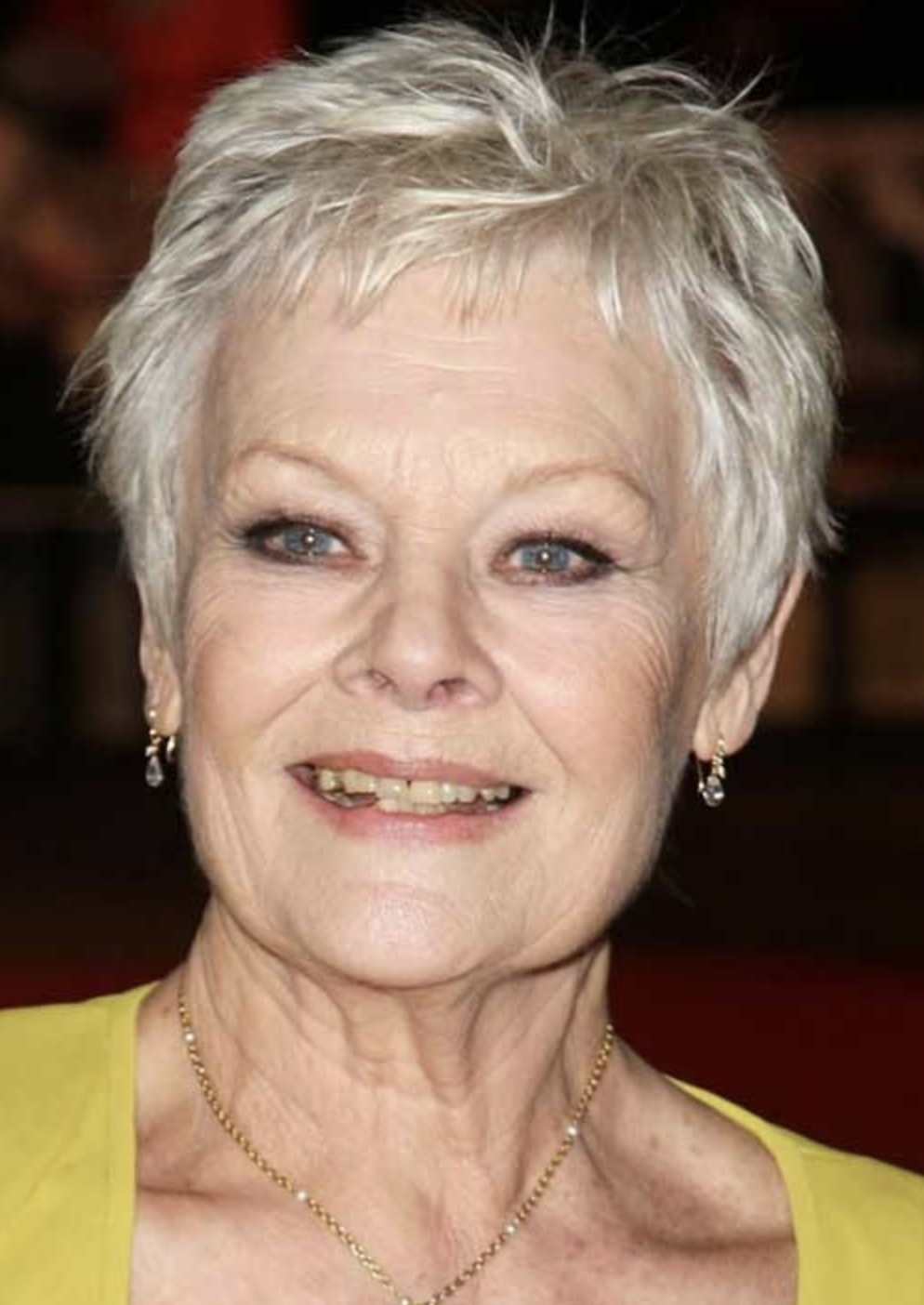
Individuals with fuller faces and double chins often seek hairstyles that create a slimming and lengthening effect. A carefully chosen cut can draw attention to the eyes and cheekbones while de-emphasizing the jawline. This involves considering factors such as hair texture, face shape, and overall body proportions. For instance, a layered pixie cut can add volume at the crown, creating an illusion of height and minimizing the appearance of a rounder face.
Selecting an appropriate hairstyle can significantly impact one’s confidence and self-image. A flattering cut can enhance facial features, creating a more balanced and harmonious appearance. Historically, hairstyles have been used to convey social status, personality, and even political affiliations. Today, the focus is often on individuality and finding a style that complements one’s unique features and lifestyle. The right hairstyle can contribute to a polished and professional look, or a more relaxed and casual vibe, depending on the individual’s preferences.
This article will explore various haircut options suitable for individuals with fuller faces and double chins. Topics covered will include specific cut recommendations, styling tips, and advice on choosing a stylist who understands the nuances of working with different face shapes. Further discussion will delve into the role of hair texture and density in achieving the desired outcome.
1. Face-Framing Layers
Face-framing layers play a crucial role in balancing and enhancing fuller face shapes, particularly those with double chins. These layers work by strategically directing attention away from the lower face, creating a softer, more defined appearance. The technique involves cutting layers that gently curve inwards towards the face, effectively minimizing the appearance of a wider jawline and drawing the eye upwards towards the cheekbones and eyes. The layers disrupt the horizontal lines often associated with rounder faces, contributing to a more sculpted and elongated effect.
Consider the difference between a blunt bob and a layered bob on a round face. The blunt bob often accentuates the fullness, while a layered bob with face-framing pieces creates movement and softens the edges, resulting in a more flattering silhouette. Similarly, a layered pixie cut can add volume at the crown, lifting the face and drawing attention away from the chin area. The length and texture of the layers can be customized based on individual hair density and texture to achieve optimal results. For those with finer hair, subtle layers add dimension without sacrificing volume. Those with thicker hair can benefit from more pronounced layers to remove weight and create a more manageable shape.
Understanding the impact of face-framing layers offers individuals with fuller faces and double chins a powerful tool for achieving a more harmonious and flattering hairstyle. Working with a skilled stylist who understands these principles is essential for maximizing the benefits. The stylist can assess face shape, hair texture, and individual preferences to tailor the layers precisely for optimal results. This personalized approach ensures that the face-framing layers not only complement the individual’s features but also enhance their overall confidence and style.
2. Volume at the Crown
Volume at the crown plays a pivotal role in creating flattering short haircuts for individuals with fuller faces and double chins. By adding height and lift at the top of the head, volume counteracts the roundness of the face, creating an illusion of length and balance. This technique effectively shifts the focus upwards, drawing attention to the eyes and forehead while minimizing the lower face.
-
Creating Height and Elongation
Creating volume at the crown adds height, which visually elongates the face. This vertical emphasis counteracts the horizontal width often associated with fuller faces, resulting in a more balanced and proportionate appearance. Techniques for achieving this volume include backcombing, volumizing products, and specific cutting techniques that create lift at the roots.
-
Balancing Facial Features
Volume at the crown helps balance facial features by drawing the eye upwards. This shift in focus minimizes the prominence of the lower face, including the chin and jawline, creating a more harmonious overall look. For instance, a short, layered cut with ample crown volume can make a round face appear more oval.
-
Styling Techniques for Volume
Various styling techniques can be employed to achieve volume at the crown. These include blow-drying with a round brush, using volumizing mousses or sprays, and incorporating backcombing or teasing at the roots. The choice of technique depends on hair type and desired level of volume. For example, finer hair may benefit from lighter mousses and gentle backcombing, while thicker hair may require stronger hold products and more aggressive teasing.
-
Choosing the Right Cut
Certain haircuts are particularly effective at creating and maintaining volume at the crown. Layered cuts, pixie cuts, and even shorter bobs can be adapted to maximize crown volume. The stylist should consider factors such as hair density, texture, and face shape when recommending a cut. For example, a layered pixie with shorter layers at the crown and longer, face-framing layers around the jawline can create both volume and a slimming effect.
Ultimately, incorporating volume at the crown is a key strategy for creating flattering and stylish short haircuts for those with fuller faces and double chins. By understanding the principles of volume creation and selecting appropriate cuts and styling techniques, individuals can achieve a balanced and confident look that enhances their natural features.
3. Elongating Styles
Elongating styles serve a crucial function in balancing and flattering fuller face shapes, particularly for individuals with double chins. These styles create a visual illusion of length, counteracting the width often associated with rounder faces. This is achieved through strategic cutting and styling techniques that direct the eye vertically, minimizing the appearance of a wider jawline and double chin. The core principle lies in disrupting the horizontal lines that can accentuate roundness, replacing them with vertical or diagonal lines that create a slimming effect. This shift in visual focus contributes to a more defined and balanced facial appearance. For example, a textured pixie with slightly longer pieces at the crown and shorter, tapered sides creates height and draws the eye upwards, effectively minimizing the appearance of a double chin.
A key element in achieving elongation is the strategic use of asymmetry and layering. Asymmetrical cuts, where one side is slightly longer than the other, break the symmetry of a round face, creating a more angular and dynamic look. Layering adds dimension and movement, further disrupting the horizontal lines. A layered bob that falls just below the chin, with longer layers in the front and shorter layers in the back, can create a subtle A-line shape, contributing to a more elongated appearance. Similarly, a longer pixie with choppy layers and side-swept bangs can create a slimming effect while adding a touch of modern flair. These techniques work in conjunction with volume at the crown to further enhance the illusion of length and balance.
Understanding the impact of elongating styles is essential for individuals seeking short haircuts that complement fuller faces and double chins. These styles offer a practical and effective way to create a more balanced and flattering silhouette. By focusing on vertical lines, asymmetry, and strategic layering, individuals can work with their stylist to achieve a personalized look that enhances their natural features and boosts confidence. Selecting a stylist experienced in working with different face shapes is crucial for ensuring the chosen style effectively achieves the desired elongation and complements individual hair texture and density.
4. Avoid Blunt Cuts
Blunt cuts, especially at chin-length or just above, are generally unsuitable for individuals with fuller faces and double chins. These cuts create a horizontal line that accentuates the width of the face, emphasizing roundness rather than creating a slimming effect. The lack of layering or texturizing in a blunt cut can add weight and bulk to the face, further contributing to a less defined appearance. For instance, a blunt bob can make the face appear wider and the double chin more prominent. This effect is amplified with thicker hair textures, which can appear heavy and blocky with a blunt cut. Conversely, layered or textured cuts create movement and softness, disrupting the horizontal lines and drawing attention away from the chin area.
The principle behind avoiding blunt cuts lies in understanding how different hairstyles interact with facial features. A blunt cut emphasizes the widest part of the face, which for rounder faces is often around the cheeks and chin. This emphasis amplifies the perception of fullness. Layered cuts, on the other hand, break up the solid line created by a blunt cut, adding dimension and creating a more sculpted appearance. Texturizing further enhances this effect by creating irregularities and movement within the hair, effectively de-emphasizing the roundness of the face. For example, a layered pixie cut with textured ends and volume at the crown creates a much more flattering look than a blunt pixie cut on a round face, drawing the eye upward and creating an illusion of length.
Choosing a hairstyle that complements a fuller face and double chin requires careful consideration of the interplay between cut and facial structure. Avoiding blunt cuts and opting for styles that incorporate layers, texture, and volume can significantly contribute to a more balanced and flattering appearance. This understanding provides a practical framework for selecting hairstyles that enhance facial features and promote a more confident and stylish image. Ultimately, working with a skilled stylist who understands these principles ensures the chosen hairstyle harmonizes with individual features and achieves the desired aesthetic outcome.
Conclusion
Careful consideration of face shape and features is paramount when selecting a short haircut. For individuals with fuller faces and double chins, the strategic use of layers, volume, and asymmetry can create a slimming and flattering effect. Blunt cuts should generally be avoided, as they tend to accentuate roundness. Instead, focus on styles that create height at the crown, soften the jawline with face-framing layers, and draw the eye upwards. The goal is to achieve balance and proportion, enhancing natural features rather than emphasizing perceived imperfections. A thorough consultation with a skilled stylist experienced in working with diverse face shapes is essential for personalized guidance and achieving optimal results.
Ultimately, the most flattering haircut is one that boosts confidence and reflects individual style. While specific guidelines offer valuable direction, personal preferences and lifestyle also play significant roles in the decision-making process. Exploring various options, understanding the principles of balance and proportion, and collaborating with a skilled stylist empower individuals to make informed choices that lead to a satisfying and stylish outcome.