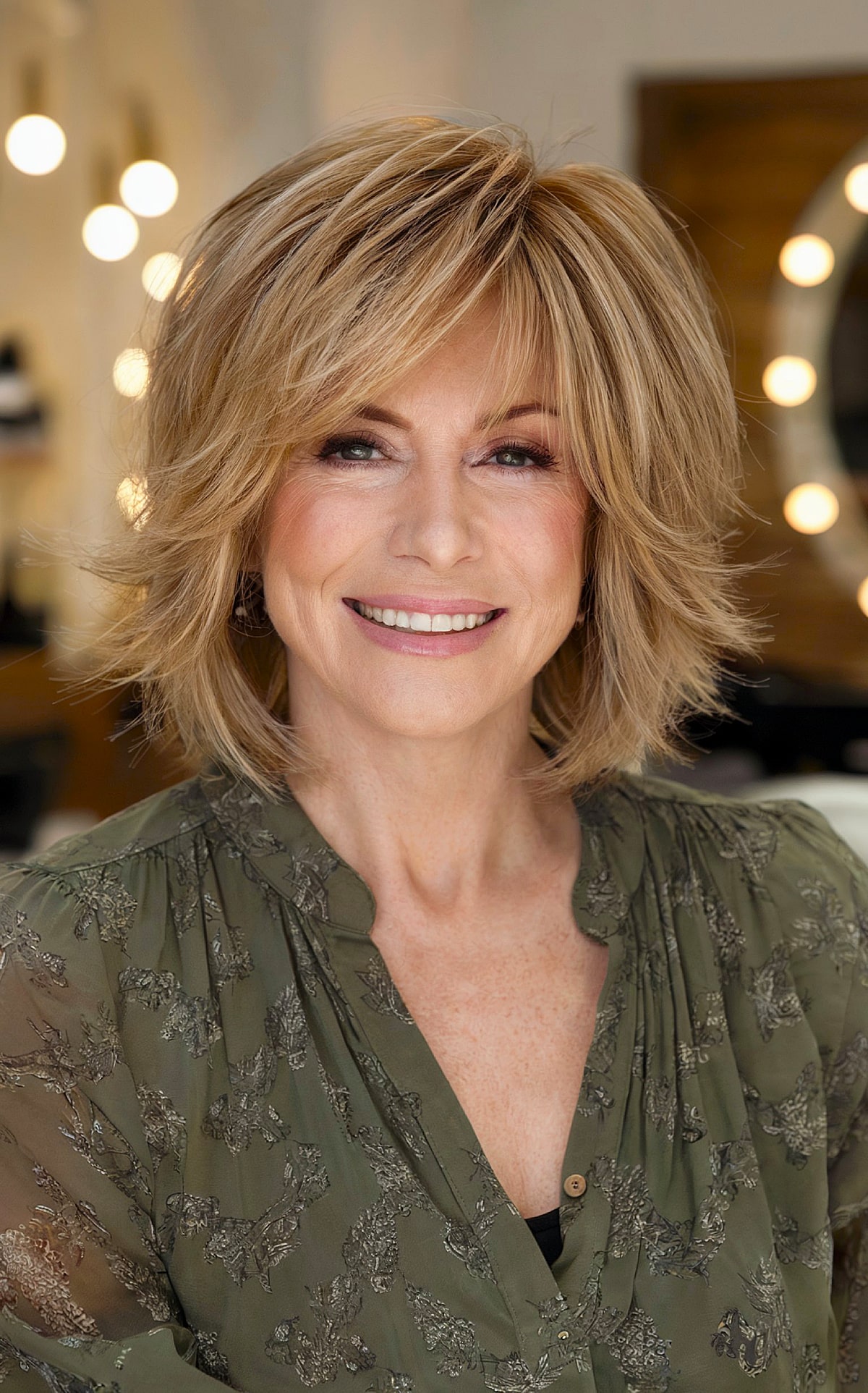
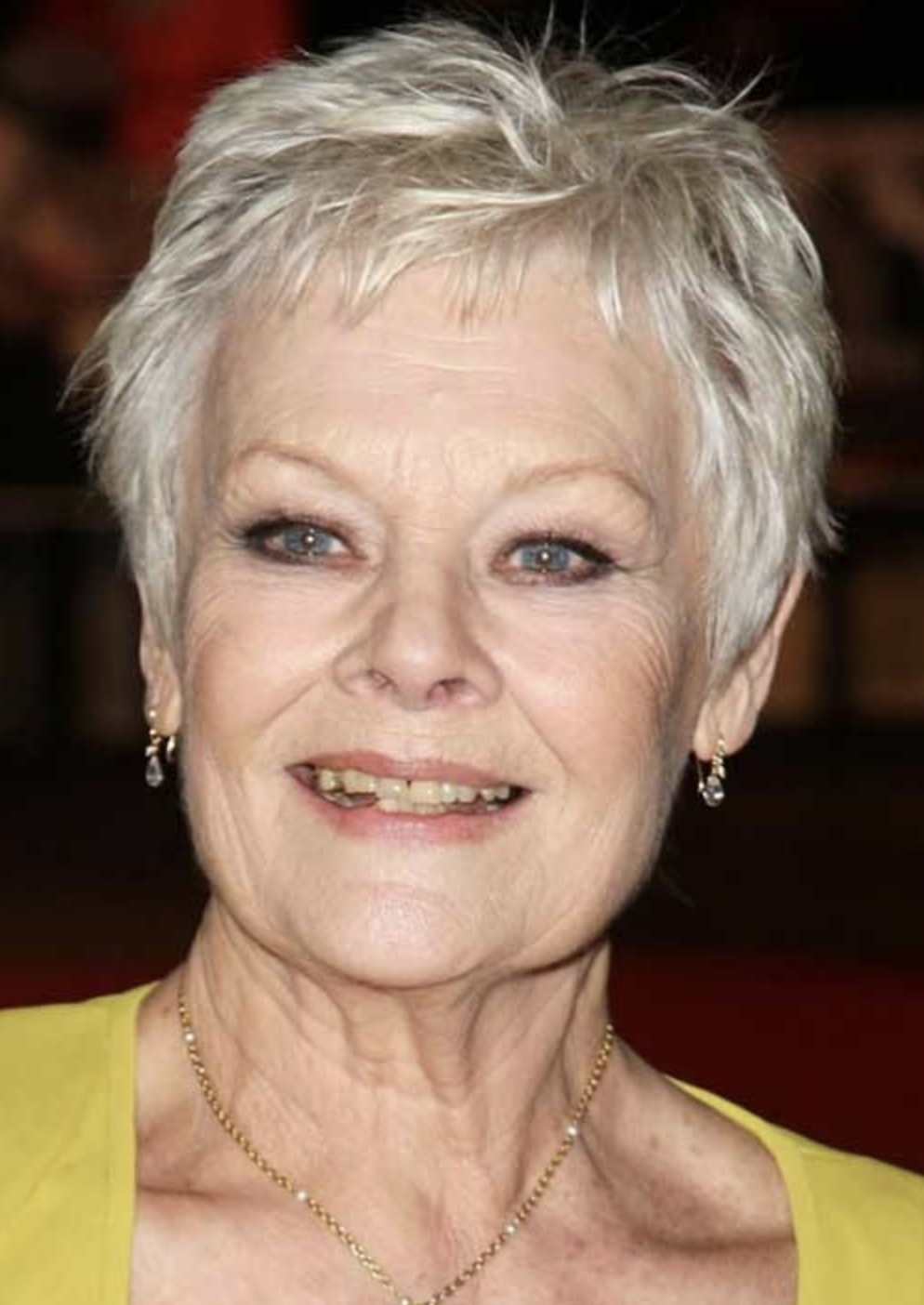
Choosing a hairstyle that complements one’s face shape and body type can significantly impact overall appearance. Individuals with fuller figures can utilize specific styles to create a balanced and flattering look. For example, hairstyles with volume and height can elongate the face and neck, while certain layering techniques can soften features.
A well-chosen hairstyle can enhance self-confidence and create a positive self-image. Historically, hairstyles have played a significant role in expressing identity and social status. Finding a style that complements one’s features contributes to a sense of well-being and allows individuals to present themselves confidently. The impact of a flattering hairstyle should not be underestimated, as it can positively influence social interactions and personal perceptions.
The following sections will explore various styling techniques, including layered cuts, shaping around the face, and the use of volume to create flattering silhouettes. Considerations for hair texture and length will also be discussed, offering a comprehensive guide to achieving a harmonious and stylish look for individuals of all body types.
1. Face Shape
Face shape is a crucial factor in selecting a flattering hairstyle, particularly for individuals with fuller figures. A well-chosen cut can create the illusion of a slimmer face and enhance overall proportions. Understanding one’s face shape is the first step towards achieving a balanced and harmonious look.
-
Round Faces
Round faces are characterized by full cheeks and a rounded jawline. Styles that add height and length are generally recommended, such as layered cuts with volume at the crown. These create a vertical emphasis, counterbalancing the roundness. Avoid styles that add width or volume around the cheeks, as this can accentuate the roundness further. Examples include long layered cuts, pixie cuts with volume on top, and asymmetrical bobs.
-
Oval Faces
Oval faces are considered the most versatile, as they can typically suit a wide range of styles. However, maintaining balanced proportions remains important. While many cuts will work well, consider styles that frame the face softly and maintain a sense of symmetry. Examples include layered cuts, long bobs, and even blunt cuts.
-
Square Faces
Square faces feature a strong jawline and a broad forehead. Softening the angles is key to achieving a flattering look. Styles with layers and texture can help to achieve this, while blunt cuts can accentuate the squareness. Examples include side-swept bangs, layered bobs that fall below the jawline, and long hair with soft waves.
-
Heart-Shaped Faces
Heart-shaped faces are widest at the forehead and taper down to a pointed chin. Styles that add fullness around the chin area can help balance the proportions. Chin-length bobs or layered cuts that frame the face can be flattering choices. Examples include A-line bobs, textured lobs, and styles with wispy bangs.
By considering face shape and selecting a hairstyle that complements its features, individuals can enhance their overall appearance. A well-chosen cut can create a more balanced and harmonious look, enhancing both confidence and style. Further considerations include hair texture and body proportions for a truly individualized and flattering result.
2. Hair Texture
Hair texture plays a significant role in how a haircut looks and behaves. Understanding one’s hair texture is crucial for selecting a style that complements face shape and body type, particularly for individuals with fuller figures. Different textures require different cutting and styling techniques to achieve the desired effect, contributing significantly to the overall outcome.
-
Fine Hair
Fine hair can appear limp and lack volume. For individuals with fuller figures, creating the illusion of volume and lift can be beneficial. Layered cuts can add movement and texture, while shorter styles can prevent the hair from appearing too flat. Avoiding heavy products is essential, as these can weigh the hair down further.
-
Thick Hair
Thick hair can be voluminous and sometimes challenging to manage. Layering can help remove excess weight and create shape, preventing the hair from appearing too bulky. Longer layers can be particularly flattering, as they create movement and prevent the style from overwhelming the face and figure. Texturizing techniques can also be beneficial in controlling volume and adding definition.
-
Curly Hair
Curly hair requires specialized cutting techniques to enhance its natural shape and prevent frizz. Layering can help create definition and manage volume. Shorter layers can create a more voluminous look, while longer layers can create a softer, more flowing silhouette. Understanding how curly hair behaves is essential for achieving a flattering and manageable style.
-
Straight Hair
Straight hair tends to lack volume and can appear flat against the head. Adding layers can create movement and texture, preventing the style from appearing too severe. Blunt cuts can also be flattering, provided there is sufficient volume to balance the overall look. Strategic styling techniques, such as adding waves or curls, can further enhance the appearance and create visual interest.
By carefully considering hair texture alongside face shape and body proportions, a truly personalized and flattering hairstyle can be achieved. Understanding how different textures behave allows for informed decisions regarding cut and style, ensuring a harmonious and balanced look that complements the individual’s overall appearance.
3. Body Proportion
Body proportion plays a significant role in the overall impact of a hairstyle. Balancing the silhouette and creating a harmonious look are key considerations, particularly for individuals with fuller figures. Analyzing vertical proportions, such as height and neck length, as well as horizontal proportions, such as shoulder width, can guide hairstyle choices that flatter the individual’s physique.
-
Vertical Proportion
Vertical proportion refers to the overall height and length of the body, including the neck. For individuals with shorter necks, styles that add height and elongate the neckline can be beneficial. Conversely, individuals with longer necks have more flexibility and can suit a wider range of lengths. A balanced silhouette is key to achieving a flattering look, preventing the head from appearing too small or too large in relation to the body. Choosing a style that complements vertical proportions can significantly impact the overall perception of height and balance.
-
Horizontal Proportion
Horizontal proportion considers the width of the shoulders and overall body frame. Individuals with broader shoulders might find that hairstyles with volume and width create balance. Conversely, individuals with narrower shoulders might prefer styles that are closer to the head and less voluminous. The goal is to create a proportional silhouette, preventing the head from appearing disproportionately narrow or wide in relation to the shoulders and body.
-
Height
Overall height influences how a hairstyle is perceived. Taller individuals often have more flexibility with length and volume, while shorter individuals might benefit from styles that add height and create the illusion of length. Balancing the hairstyle with height is essential to avoid overwhelming the overall figure or making it appear disproportionate.
-
Weight Distribution
Weight distribution affects where volume is most flattering. Individuals carrying weight primarily in the lower body might find that hairstyles with volume at the crown create balance. Conversely, individuals with a fuller upper body might benefit from styles that are closer to the head and less voluminous on top. The aim is to create a visually balanced silhouette that complements the individual’s unique weight distribution.
Considering these proportional elements allows for informed decisions regarding hairstyles that flatter and enhance the overall appearance. A well-chosen haircut can create a harmonious silhouette, balancing the head and body for a polished and stylish look. By understanding these elements, individuals can confidently select styles that complement their unique proportions and enhance their overall image.
Finding the Right Hairstyle
Selecting a flattering hairstyle involves careful consideration of face shape, hair texture, and body proportions. Achieving a balanced and harmonious look requires understanding how these elements interact and influence the overall silhouette. Styles that add height can elongate the face and neck, while layering techniques can soften features and control volume. Choosing a cut that complements individual features enhances self-confidence and creates a polished, stylish appearance.
Ultimately, the most flattering hairstyle is one that empowers the individual. Exploring various styles and consulting with experienced stylists can provide valuable insights and guidance. By understanding the principles of proportion and utilizing appropriate techniques, individuals can achieve a look that enhances their natural features and reflects their personal style, contributing to a positive self-image and overall sense of well-being.