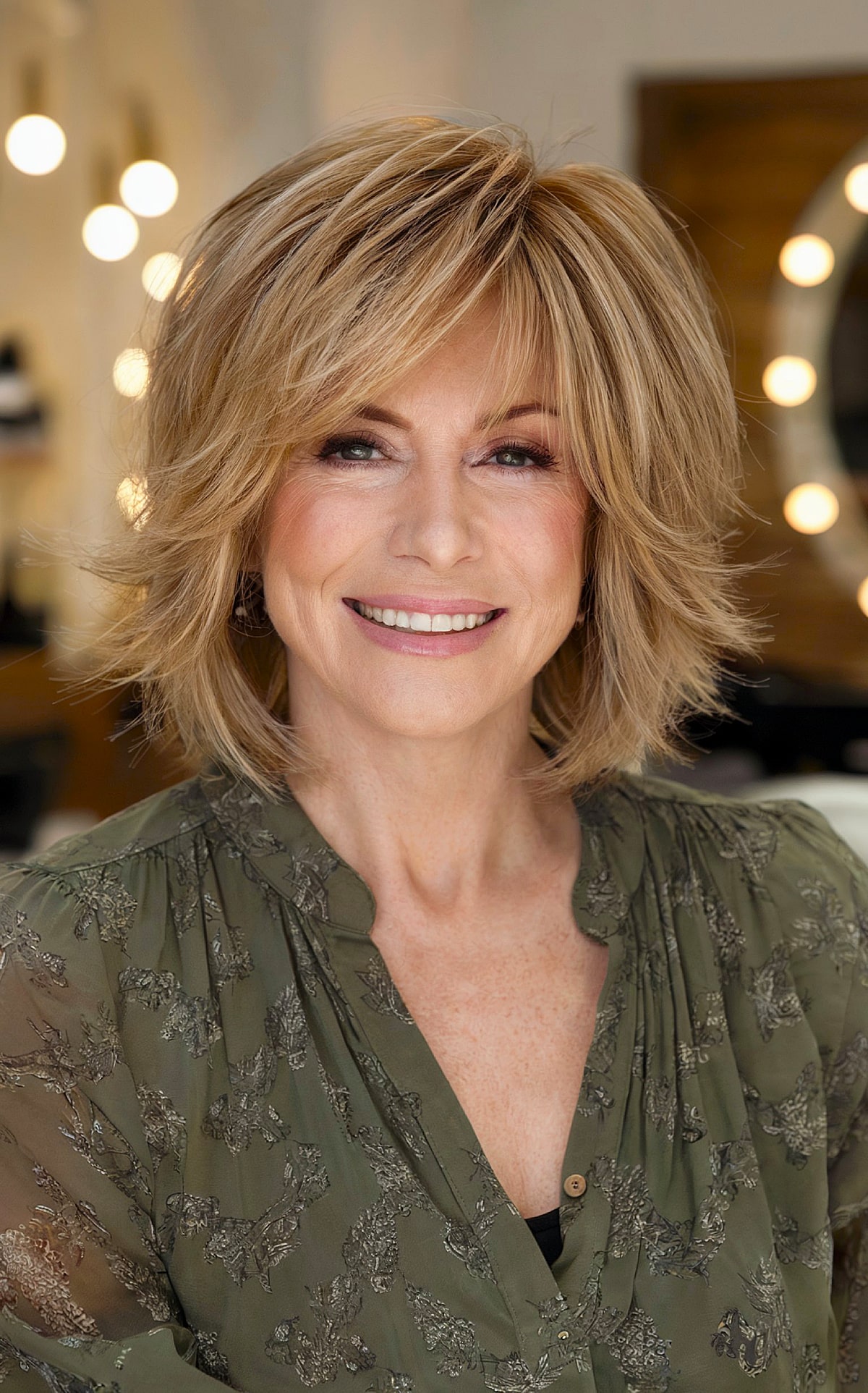
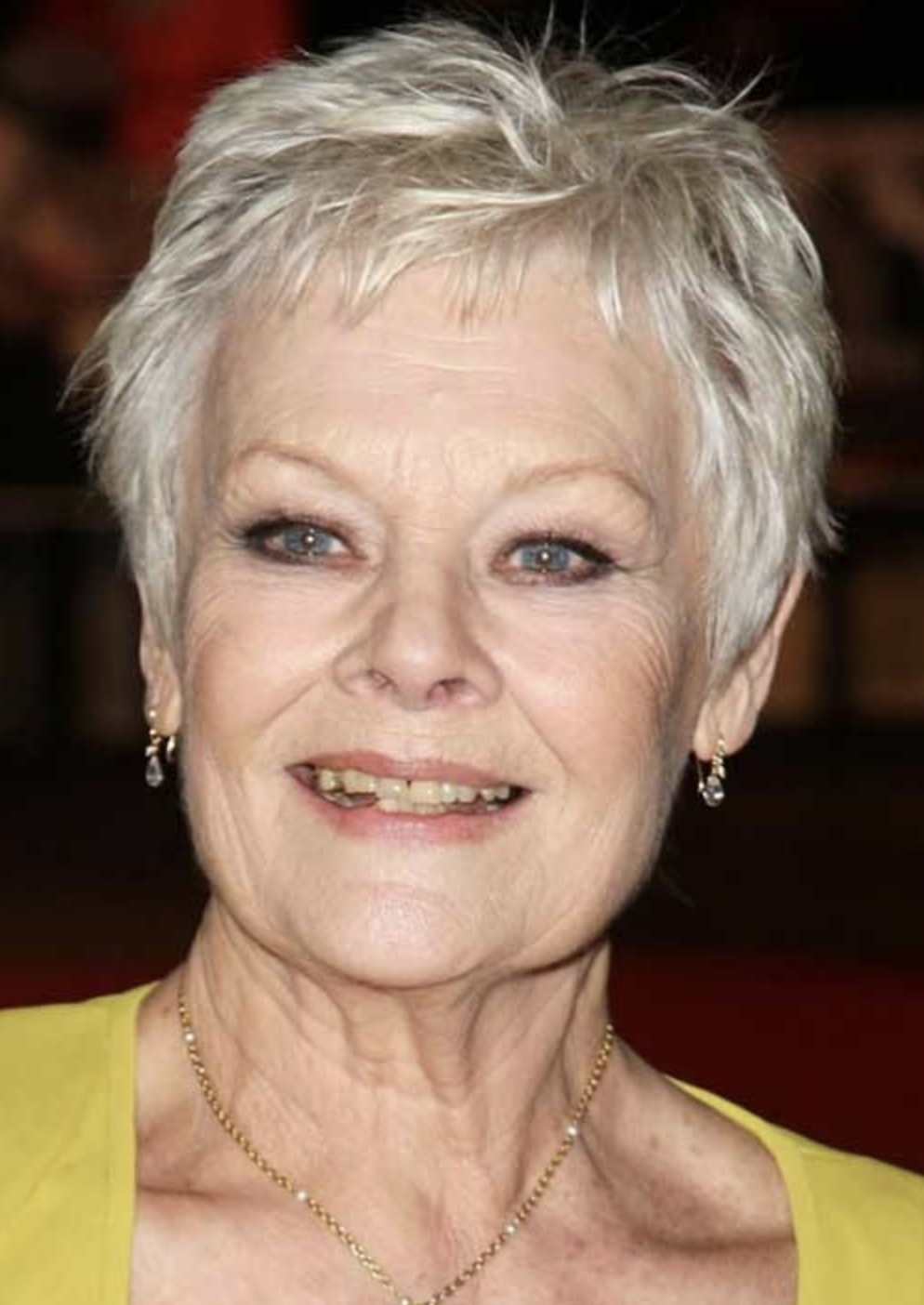
This hairstyle combines extended hair length with a fringe styled to fall at an angle over the forehead or temple. The fringe can vary in thickness, length, and blend, offering versatility in framing the face and complementing various facial features and hair textures. Imagine a cascade of hair flowing past the shoulders, softened by a strategically placed fringe that sweeps across the brow.
This style offers several advantages. It can create the illusion of a slimmer face by adding soft lines and angles. The added dimension and movement from the fringe can also contribute to a more youthful and dynamic appearance. Historically, variations of this style have been popular across different eras and cultures, signifying anything from status to rebellion. This adaptable look continues to be a recurring trend, showcasing its enduring appeal and flexibility.
The following sections will delve into specific aspects of achieving and maintaining this look, including styling techniques, suitable hair products, and tips for choosing the right variations to match individual face shapes and hair types.
1. Face Framing
A primary advantage of incorporating side bangs into a longer hairstyle lies in its ability to frame and enhance facial features. Skillfully cut and styled bangs can create a flattering contour, softening harsh angles or adding structure where needed. The interplay between the length of the hair and the angle of the bangs allows for personalized shaping and visual balance.
-
Softening Angular Features
Individuals with strong jawlines or prominent cheekbones can benefit from the softening effect of side bangs. The sweeping curve of the fringe breaks up sharp lines, creating a more harmonious and balanced appearance. This is particularly effective with longer hair, as it maintains overall length while adding a soft, face-framing element.
-
Creating the Illusion of Length
Side-swept bangs can create a vertical line that elongates the face, particularly beneficial for those with rounder face shapes. The diagonal direction of the bangs draws the eye downwards, adding a sense of length and slimming the overall appearance. This effect is amplified when paired with long hair, as the continuous line from the crown to the ends of the hair further enhances the illusion of length.
-
Highlighting Specific Features
Depending on the length and placement, side bangs can draw attention to specific features. For example, longer bangs that sweep across the cheekbone can highlight the eyes, while shorter, choppier bangs can emphasize the brow line. The versatility of this style allows for personalized framing that complements individual features and preferences.
-
Balancing Proportions
Side bangs can play a crucial role in balancing facial proportions. For instance, if someone has a broader forehead, side bangs can minimize its width and create a more balanced look. Conversely, if the lower part of the face is wider, longer side bangs can add volume and balance the overall silhouette. This balancing act contributes to a more harmonious and aesthetically pleasing appearance.
Ultimately, the strategic use of side bangs with long hair offers a powerful tool for shaping and enhancing facial features. Its adaptability allows for personalized styling that complements individual face shapes, creating a flattering and harmonious look.
2. Texture
Hair texture plays a crucial role in how side bangs interact with long hair, influencing the overall appearance and styling possibilities. Understanding the impact of texture allows for informed decisions regarding the cut, styling techniques, and product choices that best complement the individual’s hair characteristics.
-
Fine Hair
Fine hair tends to lack volume and can appear limp with side bangs. Layered cuts and texturizing techniques can create movement and prevent the bangs from lying flat against the forehead. Lightweight styling products, such as volumizing mousses and texturizing sprays, can enhance body and fullness without weighing the hair down. Blunt cuts should generally be avoided, as they can emphasize the lack of volume.
-
Thick Hair
Thick hair presents the opposite challenge, often requiring thinning or texturizing to prevent the bangs from appearing overly bulky. Side bangs can help to manage the weight and volume of thick hair, particularly when combined with long layers. Styling products that offer control and hold, such as smoothing creams and pomades, can help to tame unruly strands and create a polished look.
-
Straight Hair
Side bangs on straight hair offer a sleek and polished aesthetic. The straight texture allows for precise lines and angles, making it ideal for creating sharp, defined bangs. However, care must be taken to avoid creating bangs that appear too severe. Subtle layering or texturizing can add movement and prevent the style from looking flat.
-
Curly Hair
Side bangs can add a dynamic element to curly hair, enhancing its natural texture and movement. The key to successful side bangs with curly hair lies in working with the natural curl pattern, rather than fighting against it. Diffusing or air-drying can enhance the curls and create a soft, romantic look. Curl-defining products, such as creams and gels, can help to control frizz and enhance the natural shape of the curls.
Considering the interplay between hair texture and side bangs is essential for achieving a harmonious and flattering style. By understanding the specific characteristics of each texture and utilizing appropriate cutting and styling techniques, individuals can maximize the potential of this versatile hairstyle and achieve a look that complements their unique hair type.
3. Length
Length plays a pivotal role in the overall aesthetic of the long hair and side bangs hairstyle. The interplay between the length of the overall hair and the length of the bangs themselves creates a dynamic balance, impacting the visual impression and styling possibilities. This balance is crucial; the length of the bangs must complement the overall hair length to achieve the desired effect. For instance, short, choppy bangs paired with very long hair can create a striking contrast, while longer, sweeping bangs combined with shoulder-length hair might offer a softer, more blended look. The overall length also influences the perceived weight and volume of the hair, affecting how the style drapes and moves.
Consider the effect of varying bang lengths. Short, brow-skimming bangs can highlight the eyes and create a youthful, playful vibe. Medium-length bangs, typically falling around the cheekbones, offer versatility, allowing for different styling options and framing the face softly. Longer bangs, extending past the jawline, can create a dramatic sweep and contribute to a more sophisticated and glamorous aesthetic. The choice of bang length should complement facial features and the desired overall silhouette. For example, longer faces might benefit from shorter bangs to create the illusion of a shorter forehead, while rounder faces might benefit from longer, angled bangs to add length and definition. These considerations highlight the practical significance of understanding the relationship between bang length and overall hair length.
Successfully incorporating side bangs into a longer hairstyle requires careful consideration of length proportions. The length of both the bangs and the overall hair contributes to the visual harmony and balance of the style. Achieving the desired look depends on a nuanced understanding of these proportions and how they interact with individual facial features and hair textures. Stylists often utilize specific cutting techniques and angles to create the optimal balance, taking into account factors such as face shape, hair density, and desired styling options.
4. Styling
Styling is integral to the versatility of the long hair and side bangs combination. The interplay between cut and style determines the final look, transforming the same basic elements into a range of distinct aesthetics. Several factors influence styling choices, including hair texture, face shape, and the desired level of maintenance. For example, straight hair offers a blank canvas for sleek, polished looks, achieved through precise blow-drying and the use of straightening tools. Curly hair, conversely, lends itself to more voluminous and textured styles, often enhanced by diffusing or air-drying to emphasize the natural curl pattern. The angle and length of the bangs also significantly impact styling choices, influencing whether they are swept to the side, pinned back, or incorporated into braids or updos. The chosen styling technique further emphasizes facial features, either softening angles or adding definition.
Practical applications of styling techniques demonstrate the adaptability of this hairstyle. A classic blow-out with a round brush can create volume and curve, enhancing the sweep of the bangs and framing the face softly. Alternatively, a flat iron can achieve a sleek, modern look, emphasizing the sharp lines of the cut. For textured styles, sea salt sprays or texturizing mousses can add definition and enhance natural waves or curls. Braids, updos, and ponytails offer further versatility, allowing the bangs to be incorporated into the overall style or left loose to frame the face. Consider the effect of a low, loose braid with side bangs framing the face, compared to a high ponytail with the bangs pulled back, showcasing the adaptability achievable through different styling techniques.
Mastery of styling techniques is essential for realizing the full potential of long hair with side bangs. Adapting techniques to individual hair textures and face shapes maximizes the impact of the cut, creating a look that is both flattering and personalized. Understanding the principles of styling empowers individuals to maintain and evolve their chosen look, ensuring continued satisfaction and adaptability to changing trends and personal preferences. Challenges in styling, such as managing frizz or achieving desired volume, can often be addressed through the appropriate product selection and technique refinement.
5. Maintenance
Maintaining the desired appearance of long hair with side bangs requires consistent effort and tailored routines. Preserving the shape, texture, and overall health of the hair involves specific practices and product choices, varying depending on individual hair type and styling preferences. Neglecting these practices can lead to split ends, frizz, and a loss of the desired shape, diminishing the overall aesthetic impact of the hairstyle.
-
Trimming
Regular trims are crucial for preventing split ends and maintaining the shape of the bangs. The frequency of trims depends on the individual’s hair growth rate and styling preferences. Generally, trimming the bangs every 2-4 weeks helps maintain their shape and prevents them from overgrowing and obscuring the eyes. Regular trims also contribute to the overall health and appearance of the longer hair, preventing split ends from traveling up the hair shaft and causing further damage. For example, someone with a blunt bang style will require more frequent trims than someone with longer, more blended side bangs.
-
Washing and Conditioning
Proper washing and conditioning are essential for maintaining the health and manageability of long hair with side bangs. The choice of shampoo and conditioner should be tailored to the individual’s hair type. For example, those with fine hair might opt for volumizing products, while those with thick or curly hair might choose moisturizing and smoothing formulas. Over-washing can strip the hair of its natural oils, leading to dryness and frizz, particularly noticeable in the bangs. Conversely, infrequent washing can lead to buildup and weigh down the hair, making styling more challenging.
-
Product Use
Specific products can enhance the appearance and manageability of this hairstyle. Heat protectants are essential when using styling tools such as blow dryers and flat irons, shielding the hair from heat damage. Styling products, such as mousses, gels, and serums, can help to achieve specific looks, add volume, control frizz, or enhance shine. Choosing the right products depends on hair texture and styling goals. For instance, someone with fine hair seeking volume might use a volumizing mousse, while someone with thick hair aiming for a sleek look might opt for a smoothing serum.
-
Brushing and Detangling
Gentle brushing and detangling are vital for preventing breakage and maintaining the smooth appearance of the hair. Using a wide-tooth comb or a brush specifically designed for detangling long hair can minimize damage. Regular brushing helps distribute natural oils, promoting shine and preventing tangles, which are particularly problematic in long hair. Aggressive brushing can lead to breakage and split ends, especially in fine or damaged hair. It’s particularly important to be gentle when brushing the bangs, as they are more prone to breakage due to their shorter length and frequent styling.
These maintenance practices are interconnected and contribute to the overall success of the long hair with side bangs look. Consistent attention to trimming, washing, product use, and gentle handling ensures that the hair remains healthy, manageable, and styled as desired. Neglecting these aspects can compromise the look and lead to hair damage, diminishing the aesthetic impact of this versatile hairstyle.
Long Hair and Side Bangs
This exploration of long hair combined with side bangs has highlighted the multifaceted nature of this enduring style. From face-framing benefits and the interplay of length and texture to the diverse styling and maintenance requirements, the versatility and adaptability of this hairstyle have been thoroughly examined. The analysis encompassed the impact of varying bang lengths, the importance of tailoring techniques to specific hair textures, and the role of consistent upkeep in preserving the desired aesthetic. The practical implications of styling choices, from blowouts to braiding, further underscore the transformative potential of this seemingly simple combination.
Ultimately, the enduring appeal of long hair and side bangs lies in its capacity for personalized expression. The ability to tailor the cut and style to individual features, preferences, and lifestyles ensures its continued relevance in the ever-evolving landscape of hairstyling. Further exploration of individual styling techniques and product choices empowers ongoing adaptation and refinement, solidifying the enduring power of this classic combination.