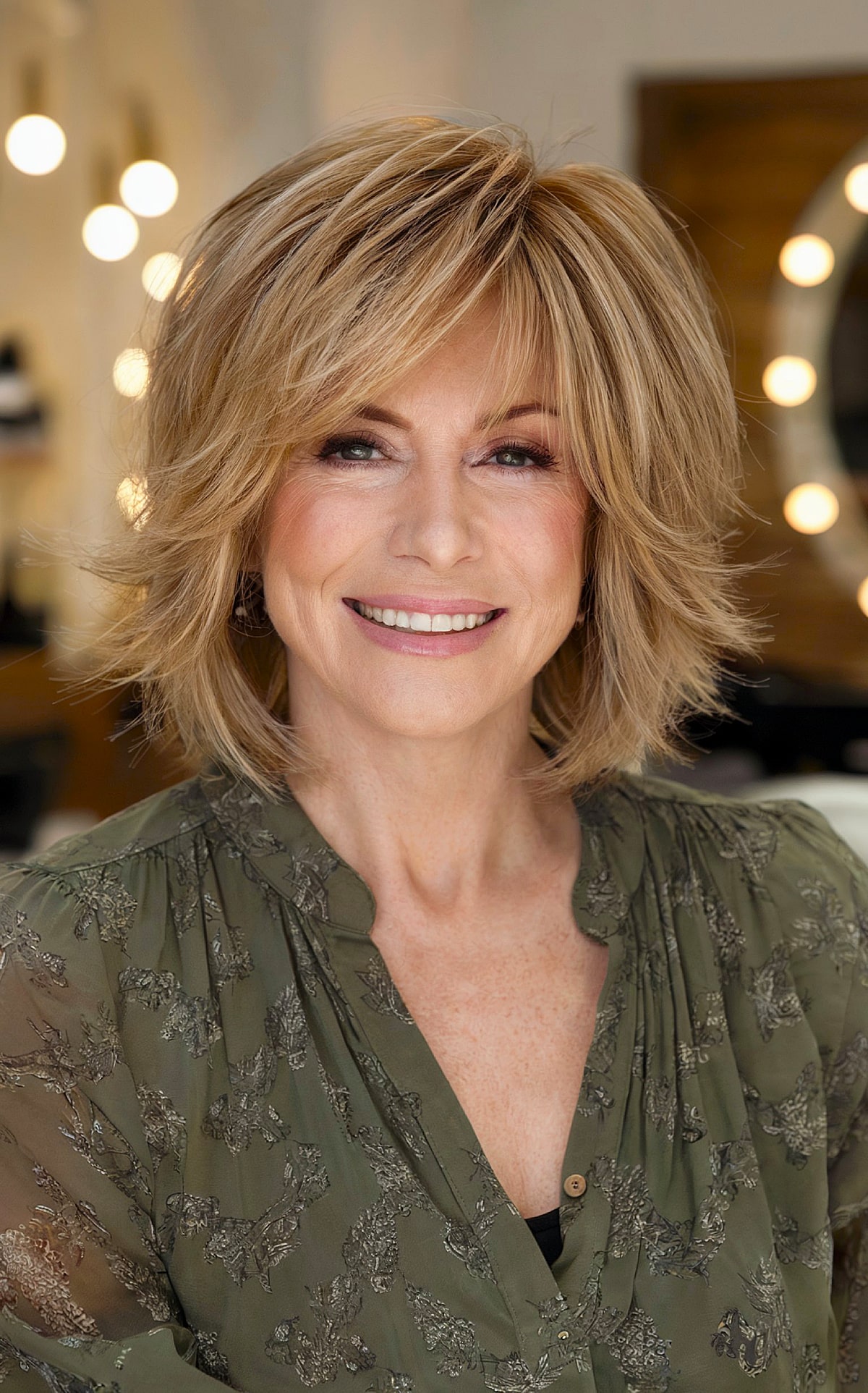
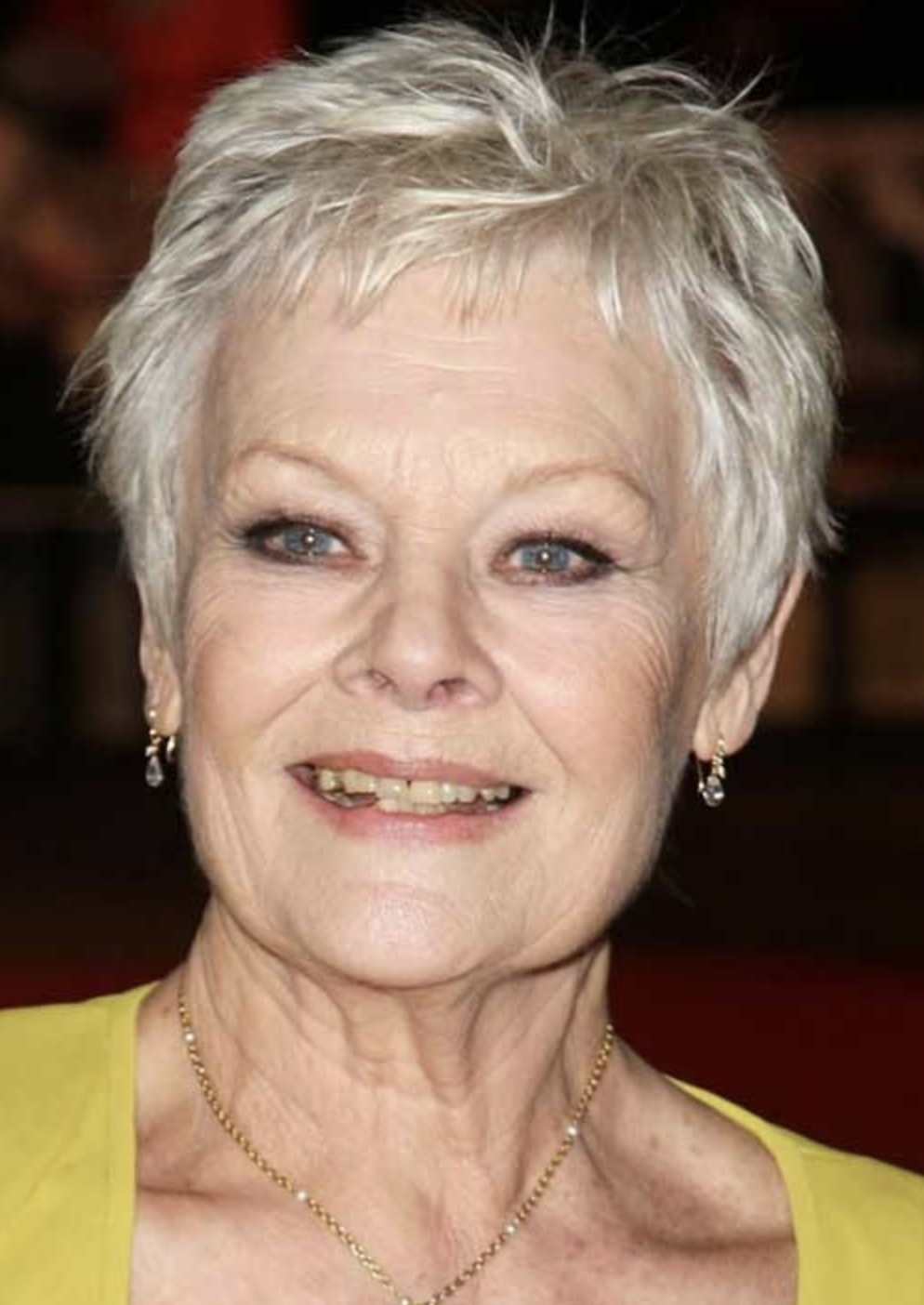
A short-to-medium length haircut, typically chin-length or slightly longer, styled with a blunt cut or subtle layering, is a popular choice for individuals with finer hair textures. This style creates an illusion of fullness and body, often achieved through techniques like stacked layering or a graduated cut.
This hairstyle offers numerous advantages for those seeking manageable and stylish looks. It provides volume and structure without excessive styling, making it ideal for low-maintenance routines. Historically, shorter hairstyles gained popularity in the early 20th century as a symbol of independence and modernity, and variations of this classic cut remain a timeless and versatile option. The adaptability of this cut allows for personalization based on face shape and individual preferences.
Further exploration will cover variations of this hairstyle, suitable styling techniques, and advice on choosing the right cut based on individual hair characteristics and desired aesthetic.
1. Volume
Achieving ample volume is a primary concern for individuals with fine hair, and the right haircut plays a crucial role. A well-executed bob can create the illusion of fullness and body, transforming otherwise limp locks into a vibrant and stylish look. Understanding how specific cutting and styling techniques contribute to volume is essential for maximizing the benefits of this classic cut.
-
Layering
Strategic layering removes weight and adds texture, allowing fine hair to lift and appear fuller. Shorter layers at the crown create height, while longer layers provide movement and shape. A skilled stylist can tailor layering techniques to suit individual hair characteristics and desired outcomes. For example, heavily layered bobs create a more textured and voluminous look, while subtly layered bobs offer a smoother, more classic appearance.
-
Graduation
Graduation, a technique where the hair is progressively shorter towards the nape of the neck, creates a stacked effect that adds volume and structure, particularly at the back of the head. This technique can be combined with layering to further enhance fullness and create a more dynamic silhouette. A graduated bob can be dramatic or subtle, depending on the angle of the cut and the length difference between the front and back sections.
-
Blunt Ends
While layering removes weight, maintaining a blunt edge at the perimeter of the cut can create a sense of thickness and fullness. This technique works particularly well with shorter bobs, as it prevents the ends from appearing too wispy. The clean line created by blunt ends can also enhance the overall shape and definition of the haircut.
-
Styling Products and Techniques
Specific products and styling methods are crucial for amplifying volume. Mousse, volumizing sprays, and root-lifting products provide added lift and texture. Techniques like blow-drying with a round brush, using velcro rollers, or diffusing can further enhance volume and create a polished finish. The choice of product and technique will depend on the specific cut and the individual’s hair type and styling preferences.
These elements work synergistically to create a voluminous and stylish bob for fine hair. By carefully considering layering, graduation, the use of blunt ends, and appropriate styling techniques, individuals with fine hair can achieve a look that is both flattering and full of life. The versatility of the bob allows for customization based on individual hair characteristics and desired aesthetic, making it a perennially popular choice.
2. Texture
Texture plays a significant role in the overall appearance and manageability of bob cuts, particularly for fine hair. Enhancing texture can create the illusion of thicker, fuller hair and contribute to a more dynamic and interesting style. Understanding how different techniques and products influence texture is essential for achieving the desired result.
-
Natural Texture Enhancement
Natural texture can be maximized through specific cutting techniques. Choppy layers, razoring, and point cutting can create subtle variations in length, adding dimension and movement without relying on styling products. These techniques create subtle textural differences that can be amplified with styling. For instance, air-drying naturally wavy fine hair after applying a texturizing spray can create a tousled, beachy look.
-
Product-Based Texture Enhancement
A variety of styling products can be employed to enhance texture and create different effects. Texturizing sprays, mousses, dry shampoos, and sea salt sprays add grip and volume, helping fine hair hold its shape and appear fuller. The choice of product depends on the desired style and the individual’s hair type. For example, a dry shampoo can add volume and texture at the roots, while a sea salt spray can create a more tousled, beachy texture throughout the hair.
-
Styling Techniques for Texture
Various styling techniques can further enhance texture. Using a diffuser attachment on a hairdryer can enhance natural waves and curls, creating a more voluminous and textured look. Alternatively, curling irons or straighteners can be used to create waves, bends, or crimps, adding definition and interest to straight fine hair. Even simple techniques like scrunching the hair with a texturizing product can create noticeable texture.
-
Maintaining Texture Throughout the Day
Maintaining texture throughout the day can be a challenge with fine hair. Using lightweight, non-greasy products is crucial to avoid weighing the hair down. Regular trims are also essential for maintaining the shape and preventing split ends, which can contribute to a lack of texture and body. Furthermore, avoiding over-washing can help preserve natural oils and prevent the hair from becoming too dry and limp, which can negatively impact texture.
By strategically combining cutting techniques, styling products, and appropriate maintenance practices, individuals with fine hair can achieve a textured, voluminous bob that enhances their overall look. The careful consideration of texture is essential for maximizing the benefits of this classic cut and creating a style that is both flattering and full of life.
3. Length
Length is a critical factor in the success of a bob cut, especially for fine hair. The right length can create the illusion of fullness and movement, while an unsuitable length can exacerbate the challenges of fine hair, making it appear limp and lifeless. Understanding the relationship between length and the overall effect of the cut is crucial for achieving a flattering and stylish result.
-
Chin-Length Bobs
This classic length provides a timeless and chic look, offering a balance between style and manageability. The blunt edge of a chin-length bob can create the illusion of thicker, fuller hair, making it an excellent choice for those with fine textures. This length also accentuates the jawline and can be particularly flattering for oval and heart-shaped faces.
-
Longer Bobs (Lobs)
Lobs, typically falling between the chin and collarbone, offer greater versatility in styling. This length provides enough hair for updos, braids, or other more elaborate hairstyles while still maintaining the manageable nature of a bob. A lob can be particularly flattering for round or square faces, as the longer length softens the angles and adds length to the face.
-
Short Bobs
Short bobs, often ending above the chin, offer a more dramatic and edgy look. This length can be incredibly stylish and easy to maintain, but careful consideration of face shape and hair texture is crucial. Short bobs can work well with fine hair if styled correctly, adding volume and texture through layering and product use. However, this length can also emphasize a narrow face or a receding hairline, so careful consultation with a stylist is recommended.
-
Layered Bobs and Length
Layering within a bob, regardless of the overall length, adds texture and movement. Shorter layers at the crown create lift and volume, while longer layers add flow and shape. The strategic use of layers can be tailored to complement the chosen length and enhance the overall effect of the bob. For example, a longer bob with long layers can create a soft and romantic look, while a shorter bob with choppy layers can create a more edgy and textured style.
The choice of length for a bob cut depends on individual factors such as face shape, hair texture, and personal style preferences. Careful consideration of these factors, combined with the expertise of a skilled stylist, can ensure a flattering and harmonious result that maximizes the benefits of this versatile and timeless haircut for those with fine hair. The ideal length will enhance the natural features, create the illusion of fullness, and provide a style that is both manageable and chic.
4. Face Shape
Face shape plays a crucial role in determining the most flattering bob variation for individuals with fine hair. A well-chosen cut can accentuate positive features, soften angles, and create a harmonious balance. Understanding how different bob lengths and styles interact with various face shapes is essential for achieving the desired aesthetic.
-
Oval Faces
Oval faces are generally considered the most versatile, allowing for a wide range of bob lengths and styles. Chin-length bobs, lobs, and even shorter, textured bobs can all complement an oval face. The balanced proportions of this face shape provide flexibility in experimenting with different variations.
-
Round Faces
For round faces, the goal is often to create the illusion of length and definition. Longer bobs that fall below the chin or layered bobs with longer front sections can help elongate the face. A center part can also contribute to a slimming effect. Generally, styles that add volume at the crown are less flattering for round faces.
-
Square Faces
Softening the angles of a square face is often a key consideration. Layered bobs, longer bobs with soft waves, or bobs with side-swept bangs can help create a more rounded appearance. Avoiding blunt, chin-length bobs, which can accentuate the jawline, is generally recommended.
-
Heart-Shaped Faces
Heart-shaped faces typically feature a wider forehead and a narrower chin. A chin-length bob or a slightly longer bob with textured ends can balance these proportions. Side-swept bangs or layers that frame the face can also soften the angles and create a harmonious look. Very short bobs might emphasize the wider forehead and are often less flattering for this face shape.
By carefully considering face shape, individuals with fine hair can choose a bob cut that enhances their natural features and creates a balanced and flattering appearance. A skilled stylist can provide personalized recommendations based on individual face shape and hair characteristics, ensuring a harmonious and stylish result. The right bob cut can not only add volume and texture to fine hair but also complement the overall facial structure and create a more polished and sophisticated look.
5. Styling
Styling plays a crucial role in maximizing the benefits of bob cuts for fine hair. Proper styling techniques can enhance volume, create texture, and ensure the cut complements individual features. Understanding the nuances of styling fine hair in a bob is essential for achieving a polished and flattering look.
-
Product Selection
Choosing the right products is paramount for fine hair. Lightweight volumizing mousses, sprays, and serums enhance body without weighing the hair down. Heavy products can create a greasy, limp appearance, counteracting the desired effect of a voluminous bob. For example, a volumizing mousse applied at the roots before blow-drying can provide lift and structure, while a lightweight texturizing spray can add definition and separation to the ends.
-
Blow-Drying Techniques
Proper blow-drying techniques can significantly impact the volume and shape of a bob. Using a round brush to lift the hair at the roots while directing airflow downwards creates volume and smoothness. Concentrating heat at the crown and using a cool shot to set the style can further enhance lift and longevity. Alternatively, diffusing can enhance natural waves and create a more textured, tousled look.
-
Heat Styling Tools
Curling irons and straighteners can add further dimension and polish to bob cuts. Creating loose waves or adding subtle bends with a curling iron can enhance volume and texture, while a straightener can create a sleek, sophisticated look. However, excessive heat can damage fine hair, so using heat protectant sprays and limiting heat exposure is crucial.
-
Finishing Touches
The final touches can elevate a styled bob. A light-hold hairspray can maintain the shape and volume throughout the day without creating stiffness. A shine serum can add a polished finish and tame flyaways, creating a more refined appearance. Adding accessories like hair clips or headbands can also personalize the style and add a touch of flair.
Effective styling techniques are integral to the success of bob cuts for fine hair. By carefully selecting products, mastering blow-drying techniques, utilizing heat styling tools strategically, and adding finishing touches, individuals can maximize the volume, texture, and overall aesthetic of their bob, creating a look that is both stylish and flattering.
Bob Cuts for Fine Hair
This exploration has delved into the multifaceted nature of bob cuts tailored for fine hair, examining the interplay of length, layering, texture, face shape, and styling techniques. Achieving a successful outcome hinges on a comprehensive understanding of these elements and their synergistic effects. Volume, a primary concern for those with finer textures, is addressed through strategic cutting and styling, creating an illusion of fullness and body. Texture, whether natural or product-enhanced, adds dimension and visual interest. Careful consideration of face shape ensures the chosen bob variation harmonizes with individual features, resulting in a balanced and flattering look. Appropriate styling techniques, from product selection to heat application, play a crucial role in maximizing the potential of the cut.
Ultimately, the enduring popularity of the bob cut for fine hair stems from its adaptability and versatility. Through careful consideration of individual characteristics and informed collaboration with a skilled stylist, this classic cut can be tailored to enhance natural beauty and create a style that is both manageable and chic. Continued exploration of individual preferences and emerging trends ensures the bob cut remains a timeless and dynamic choice for those seeking a flattering and empowering hairstyle.