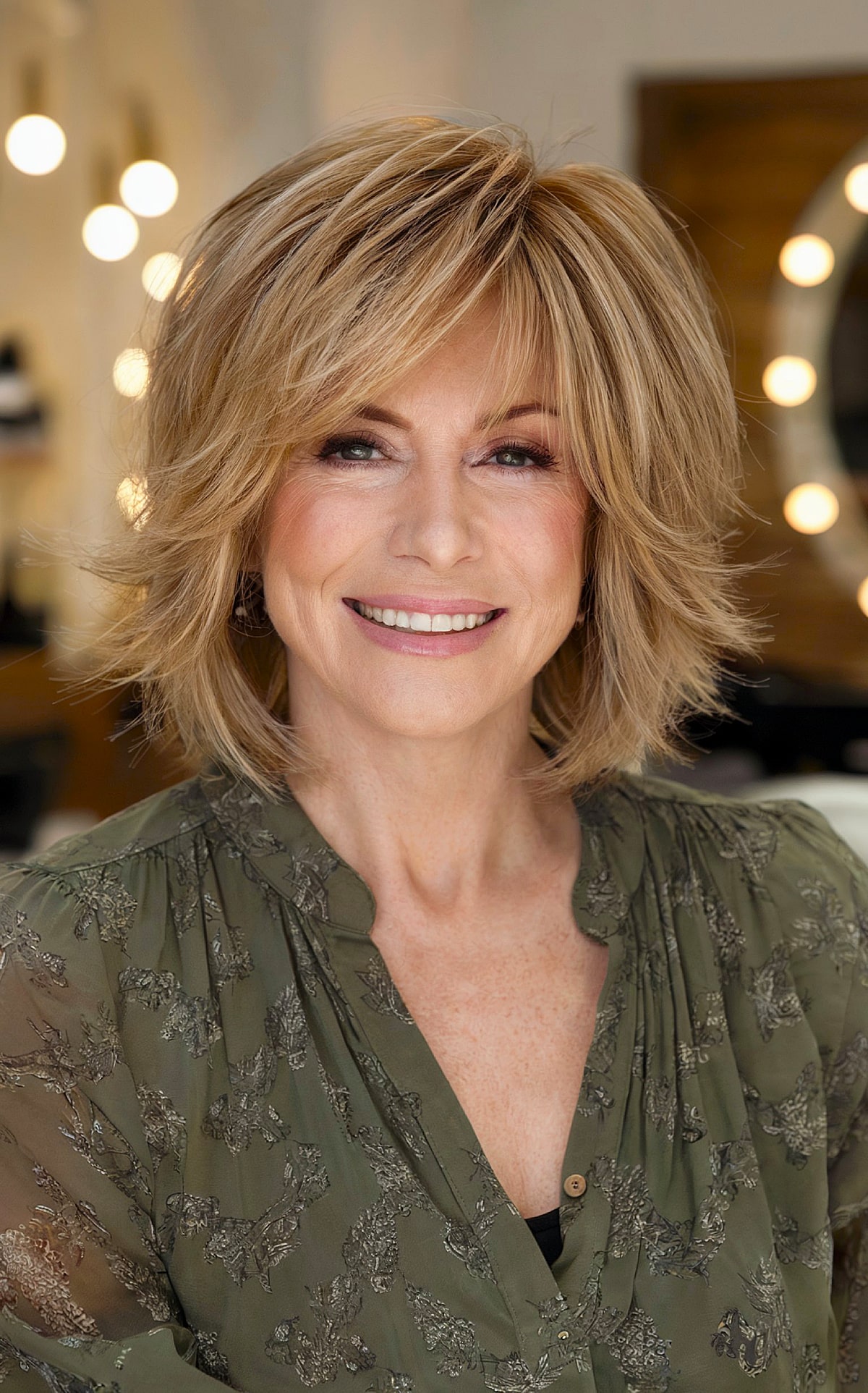
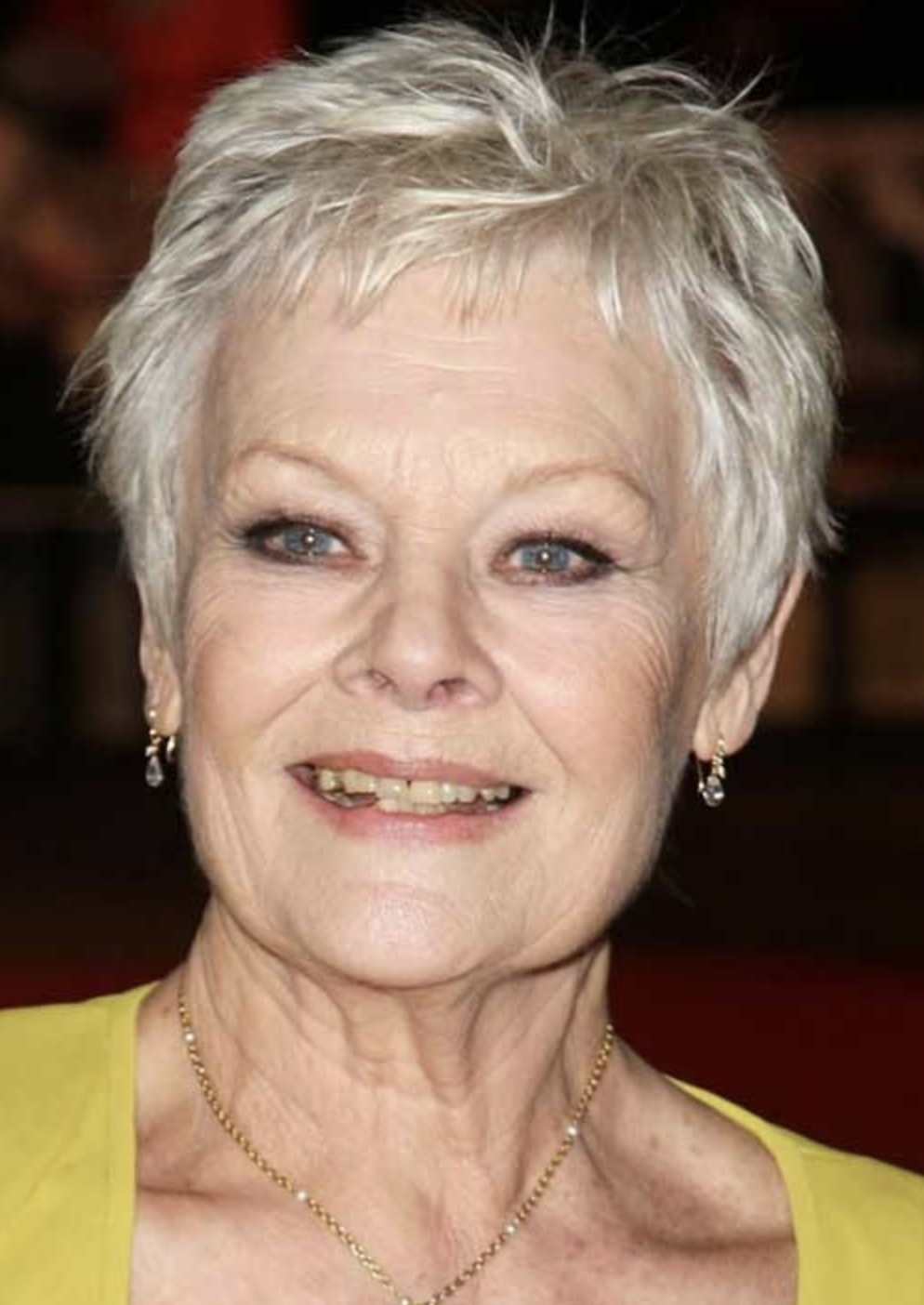
This style features a significant amount of texture created through varying lengths. Short, disconnected layers combine with longer sections to build volume and movement, giving a relaxed, carefree appearance. The overall effect is a tousled, artfully undone look, often incorporating face-framing pieces.
The versatility of this cut allows for personalization and adaptability to different face shapes and hair textures. It can create a youthful, edgy aesthetic or a softer, more romantic vibe depending on styling choices. Popularized in various iterations throughout recent decades, this texturized approach to longer hair remains a contemporary choice offering low-maintenance manageability while maintaining a stylish edge. Its ongoing presence in fashion underscores the enduring appeal of a look that balances structure and freedom.
This article will further explore achieving and maintaining this look, covering topics such as suitable hair types, styling techniques, and product recommendations.
1. Texture
Texture is a defining characteristic of this hairstyle, distinguishing it from more polished, uniform cuts. A thorough understanding of how texture is created and manipulated is crucial for achieving the desired look.
-
Layer Interaction
The interplay of short and long layers is fundamental to creating texture. Disconnected layers, where the lengths vary significantly, produce a choppy, piecey effect. This contrasts with blended layers, which create a smoother, more uniform appearance. The strategic placement of these layers determines the overall volume and movement.
-
Hair Type Influence
Natural hair texture plays a significant role in the final outcome. Fine hair may require texturizing products or techniques to achieve the desired volume and separation. Thick hair, conversely, might benefit from thinning shears to reduce bulk and enhance movement. Wavy or curly hair will exhibit a different textural effect compared to straight hair, influencing styling choices.
-
Styling Techniques
Various styling techniques contribute to the final texture. Techniques like point cutting, slide cutting, and razor cutting create different types of texture and movement. The use of styling products, such as texturizing sprays, mousses, or pastes, can further enhance or refine the texture. Diffusing curly hair can amplify natural texture, while straightening wavy hair can create a smoother, piecey effect when combined with choppy layers.
-
Maintenance and Longevity
Maintaining the desired texture requires specific care and maintenance. Regular trims are essential to prevent the layers from growing out and losing their definition. The choice of styling products and techniques also impacts the longevity of the style between washes. Understanding how different products interact with one’s hair type is crucial for long-term manageability and achieving consistent results.
The careful consideration of these facets of texture ensures a successful and personalized outcome, maximizing the impact and versatility of this layered style.
2. Length
Length plays a crucial role in the overall impression created by this hairstyle. While “long” is included in the descriptor, the interplay of varying lengths within the style is essential. The longest lengths contribute to the overall silhouette and drape of the hair, while the shorter, choppy layers provide texture and volume. The contrast between these lengths is what gives the style its characteristic shaggy appearance. For instance, shoulder-length hair with choppy layers will appear quite different from hair that extends to the mid-back with similar layering. The former might offer a more voluminous, bouncy effect, while the latter could create a cascading, textured look. The strategic balance of lengths allows for personalized adaptations based on individual preferences and desired outcomes.
The choice of length also impacts styling options and maintenance. Longer lengths offer versatility for updos, braids, and other styling variations, while shorter lengths might be easier to manage and style on a daily basis. Consider the impact of length on drying time and product usage. Longer hair typically requires more time and product to style, while shorter, layered hair can air dry more quickly and require less product for texturization. Furthermore, the length influences how the layers interact and move. Longer layers tend to create a more flowing, cascading effect, while shorter layers contribute to a more piecey, textured look. Understanding these nuances allows for informed decisions regarding styling techniques and product choices, optimizing the desired outcome.
Successfully navigating the length aspect of this style requires careful consideration of individual hair characteristics, desired silhouette, and lifestyle factors. Balancing the interplay of long and short layers, while considering the practical implications of length on styling and maintenance, is key to achieving a personalized and flattering result. An informed approach to length ensures that the final look complements individual features and aligns with personal style preferences.
3. Layers
Layers form the foundation of this distinctive hairstyle, contributing significantly to its overall aesthetic. A nuanced understanding of layering techniques and their impact is essential for achieving the desired textured, voluminous, and dynamic look. The interplay of layers defines the movement, shape, and overall impression of the style.
-
Layer Distribution
The distribution of layers throughout the cut determines the final silhouette and volume. Concentrating layers around the crown creates height and lift, while layering throughout the lengths builds texture and movement. Face-framing layers soften features and contribute to a more personalized look. The strategic placement of layers is crucial for balancing volume and achieving the desired shape, whether it’s a rounded, layered effect or a more elongated, textured cascade.
-
Layer Length Variation
The variation in layer lengths contributes directly to the “choppy” element of the style. Significant differences in length between layers create a more pronounced, textured effect. Subtle variations, on the other hand, result in a softer, more blended look. The interplay of these varying lengths creates depth and dimension, preventing the style from appearing flat or one-dimensional.
-
Layer Interaction with Hair Type
The effectiveness of layering is influenced by natural hair texture. Fine hair benefits from layers that create the illusion of volume and fullness. Thick hair, conversely, may require layers to remove weight and enhance movement. Curly or wavy hair responds differently to layering compared to straight hair, often requiring specialized techniques to enhance natural curl patterns while maintaining shape and preventing excessive volume.
-
Layer Impact on Styling
Layers significantly influence styling choices and outcomes. The placement and length of layers dictate how the hair falls and moves, impacting the effectiveness of various styling techniques. Layered hair often responds well to texturizing products and techniques, allowing for enhanced separation and definition. Understanding the interaction between layers and styling choices is crucial for achieving the desired look and maximizing the potential of the cut.
The interplay of these layering facets is crucial for achieving the signature look. A thorough understanding of layer distribution, length variation, interaction with hair type, and impact on styling allows for a personalized approach to this versatile cut, ensuring a harmonious balance of texture, volume, and movement.
4. Movement
Movement is a defining characteristic of this hairstyle, differentiating it from static, uniform cuts. The dynamic interplay of varying lengths creates a sense of fluidity and texture, enhancing the overall aesthetic. Understanding the factors that contribute to movement is crucial for achieving and maintaining the desired look.
-
Layer Interaction
The strategic placement and variation in length of layers are fundamental to creating movement. Shorter layers interspersed with longer sections allow for a dynamic interplay, resulting in a textured, flowing appearance. The contrast between lengths encourages sections of hair to fall at different angles, enhancing the visual interest and preventing a flat, uniform look. For example, shorter layers around the crown create lift and volume, while longer layers beneath contribute to a cascading effect.
-
Hair Type Influence
Natural hair texture significantly influences the type and degree of movement. Straight hair tends to showcase the layering and movement more directly, while wavy or curly hair exhibits a different type of movement, characterized by bounce and curl definition. Fine hair might require texturizing techniques to enhance movement and prevent a limp appearance. Thick hair, conversely, could benefit from thinning to reduce bulk and promote fluidity.
-
Styling Techniques
Styling techniques play a crucial role in enhancing or manipulating movement. Techniques like blow-drying with a round brush can create volume and curve, while diffusing curly hair enhances natural wave patterns. The use of texturizing products, such as mousses or sprays, can further define and amplify movement. Alternatively, straightening techniques can create a smoother, piecey movement when combined with choppy layers.
-
Styling Product Impact
The choice of styling products directly impacts the type and longevity of movement. Lightweight products, like texturizing sprays, enhance natural movement without weighing the hair down. Heavier products, such as waxes or pomades, can be used to create more defined, piecey texture, but might reduce overall fluidity. Understanding the interaction between hair type and product choice is essential for achieving and maintaining the desired level of movement.
The synergistic combination of layering, hair type, styling techniques, and product choices determines the overall movement and dynamism of this hairstyle. A thorough understanding of these elements allows for a personalized approach, maximizing the fluidity and texture that define its distinctive aesthetic.
Shaggy Choppy Long Layered Hair
This exploration has delved into the multifaceted nature of this distinctive hairstyle, examining the interplay of texture, length, layers, and movement. Each element contributes significantly to the overall aesthetic, offering a versatile framework for personalized expression. The strategic use of layering techniques, coupled with a thorough understanding of hair type and styling choices, empowers individuals to achieve a look that balances structure and freedom, precision and effortless style. The dynamic nature of this cut allows for adaptation across diverse face shapes and hair textures, solidifying its enduring appeal.
Ultimately, the enduring popularity of this style speaks to a broader desire for versatile, expressive hairstyles that empower individuality. The continued evolution of cutting and styling techniques promises further refinement and personalization within this dynamic framework. A thorough understanding of the principles outlined herein provides a foundation for navigating the complexities of this layered style, ensuring a successful and personalized outcome.