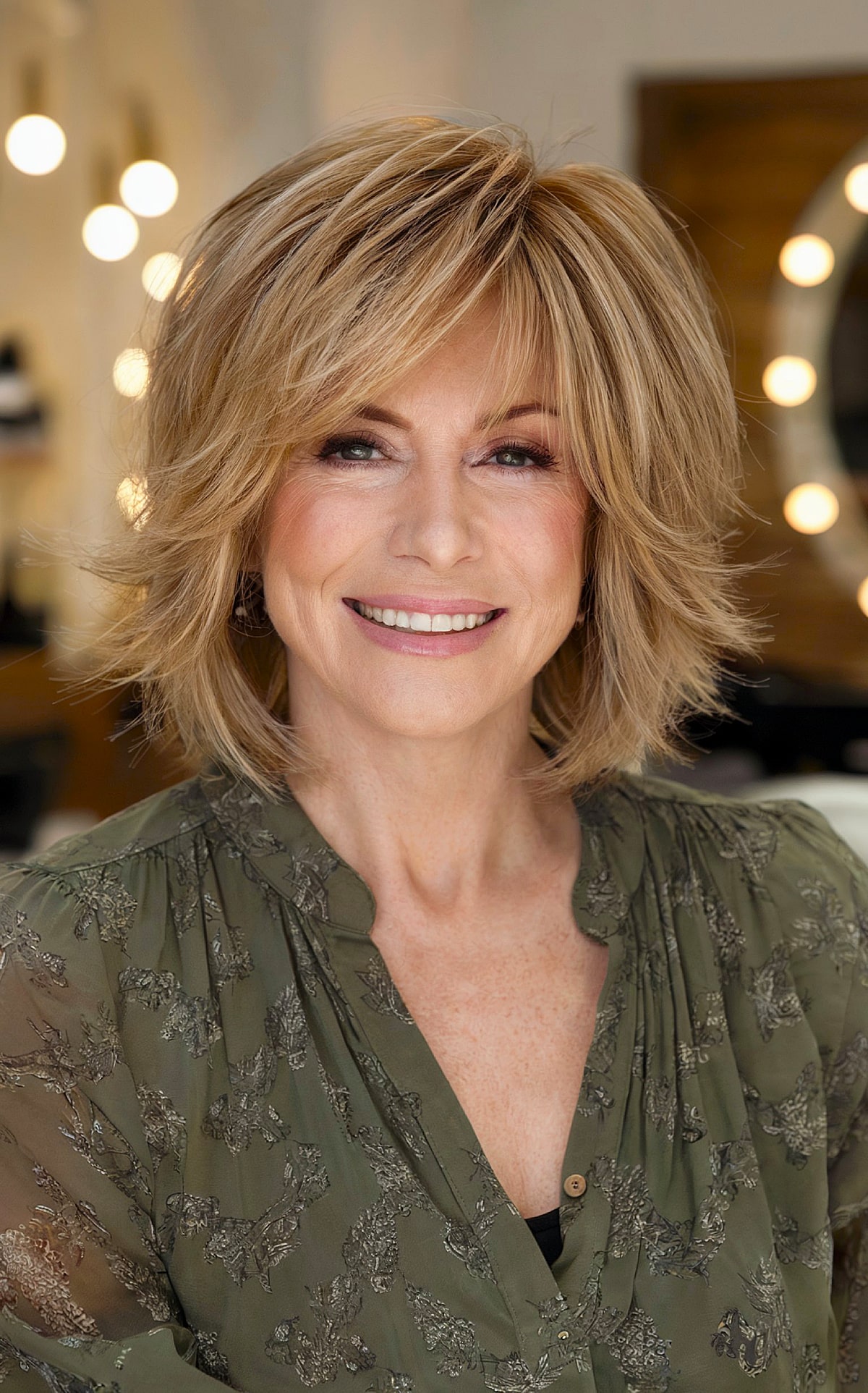
This hair coloring technique involves lightening dark brown hair to a blonde shade using a freehand painting method. The stylist applies the lightener to sections of the hair, creating a gradual transition from the darker base color to the lighter tips, mimicking the sun’s natural lightening effect. The result is a soft, dimensional look with less noticeable regrowth compared to traditional highlights.
This approach offers a less damaging alternative to full bleaching, maintaining more of the hair’s natural health and shine. It allows for personalized color placement, creating a bespoke aesthetic that complements individual features and skin tones. As a popular contemporary technique, it reflects a shift away from uniform, single-process color towards more natural, textured hair looks. Its low-maintenance nature, with less frequent touch-ups needed, adds to its appeal.
This article will further explore various aspects of the process, including suitable hair types and textures, color selection, aftercare, and maintenance. It will also discuss different application techniques and provide guidance for achieving optimal results, both in professional salons and at home.
1. Base Color
Base color plays a crucial role in achieving a successful transition from brunette to blonde using balayage. The natural or existing hair color significantly impacts the lightening process and determines the appropriate lightening strategy. Darker brown shades require more lifting stages than lighter browns, impacting both processing time and potential damage. A colorist must assess the base color’s underlying pigment to predict how it will react to the lightener and choose a suitable developer strength. For example, hair with warm undertones may lift to orange or brassy hues, requiring toning to achieve the desired blonde.
Understanding the base color allows the stylist to tailor the balayage application to individual needs. A darker base might benefit from a heavier application of lightener at the tips, gradually decreasing towards the roots to create a natural gradient. A lighter base, conversely, might require subtle lightening to achieve a sun-kissed effect. This individualized approach minimizes damage and ensures the final result harmonizes with the existing hair color, creating a seamless and natural-looking transition.
Accurate assessment of the base color is fundamental to achieving the target blonde shade while maintaining hair health. This analysis allows the stylist to anticipate challenges, choose appropriate products, and tailor the technique for optimal results. Ultimately, a thorough understanding of the base color’s influence allows for a predictable and controlled lightening process, which is essential for successful brunette to blonde balayages. This knowledge allows for a customized approach, ensuring the desired aesthetic outcome while minimizing potential damage and preserving hair integrity.
2. Target Blonde
The target blonde shade is a critical factor in brunette to blonde balayage, influencing product selection, application techniques, and overall results. Careful consideration of the desired blonde ensures the final look complements the client’s complexion and achieves the desired aesthetic. This section explores various facets of target blonde selection and its impact on the balayage process.
-
Tone and its impact on complexion
Blonde tones range from cool (ash, platinum) to warm (honey, golden). Cool tones complement cool skin tones, while warm tones suit warm complexions. Choosing a tone that clashes with the complexion can result in a washed-out or unbalanced appearance. For example, a cool platinum blonde on someone with warm, olive skin may appear stark and unnatural. Careful selection creates a harmonious look that enhances natural features.
-
Maintenance and lifestyle considerations
Maintaining a lighter blonde requires more frequent touch-ups and specialized products. Clients with busy lifestyles might prefer a low-maintenance option, such as a rooted blonde or a shade closer to their natural color, reducing the visibility of regrowth. A high-maintenance shade, like a bright platinum, demands significant commitment to upkeep and may not be suitable for everyone.
-
Level of lift and its effect on hair health
Achieving significantly lighter blondes on a dark brunette base necessitates a higher lift, which can compromise hair health. Opting for a less dramatic transformation minimizes damage. For example, lifting a dark brunette to a light honey blonde involves less processing than achieving a platinum blonde, preserving more of the hair’s natural integrity.
-
Placement of the target blonde
The placement of the target blonde within the balayage design significantly impacts the overall aesthetic. Concentrating lighter tones around the face can create a brightening effect, while heavier lightening towards the ends achieves a more dramatic, ombr-like result. Strategic placement allows for personalized looks tailored to individual preferences and face shapes.
The interplay of these facets determines the success of a brunette to blonde balayage. A comprehensive understanding of the desired tone, maintenance requirements, level of lift, and placement ensures a result that complements both the client’s natural features and lifestyle, creating a personalized and harmonious look. By balancing aesthetic goals with hair health considerations, stylists can achieve stunning and sustainable blonde transformations.
3. Application Technique
Application technique is paramount in achieving a seamless and natural-looking brunette to blonde balayage. The chosen method directly influences the lift, blend, and overall aesthetic of the final result. Different techniques cater to various hair types, textures, and desired outcomes. A thorough understanding of these techniques is essential for stylists to execute precise color placement and achieve the desired level of lightening.
Traditional foil highlights create distinct streaks of color, whereas balayage relies on freehand painting for a softer, more blended effect. This freehand approach allows for customized color placement, mimicking the natural lightening patterns created by the sun. The lightener is applied strategically to sections of the hair, creating a gradual transition from dark to light. For example, a stylist might apply more lightener to the tips and gradually decrease the amount towards the roots, creating a sun-kissed effect. Alternatively, concentrating the lightener around the face can create a brightening effect. The technique’s versatility allows for endless customization based on individual preferences and desired results.
Variations in application techniques, such as open-air balayage or using foils or film, also impact the final look. Open-air balayage allows for a more diffused lift and a softer blend, while using foils or film can intensify the lightening process and create more defined highlights. Selecting the appropriate technique requires careful consideration of the client’s hair type, desired level of lift, and overall aesthetic goals. Mastering these techniques is crucial for achieving a natural, seamless transition from brunette to blonde while minimizing damage and maximizing visual impact. A thorough understanding of application techniques empowers stylists to create personalized and stunning balayage results.
4. Toning Process
The toning process is an integral step in achieving a refined and aesthetically pleasing brunette to blonde balayage. It plays a crucial role in neutralizing unwanted undertones and perfecting the desired blonde shade after the lightening process. This stage is essential for achieving a natural-looking and harmonious result.
-
Neutralizing Unwanted Undertones
Lightening dark hair often reveals underlying warm pigments, resulting in brassy or orange tones. Toners counteract these unwanted hues. Violet-based toners neutralize yellow tones, while blue-based toners combat orange. For example, a client aiming for an ash blonde might require a violet toner to eliminate any residual yellow, while someone desiring a neutral blonde might benefit from a blue-violet toner. Selecting the appropriate toner is crucial for achieving the target shade and preventing an unnatural or brassy appearance.
-
Refining the Blonde Shade
Toners not only neutralize unwanted undertones but also refine the overall blonde shade. They can add depth, dimension, and subtle nuances to the balayaged sections. For instance, a pearl toner can add a subtle iridescent sheen, while a beige toner can create a softer, creamier blonde. This customization allows for a wider range of blonde variations and ensures the final result aligns perfectly with the client’s desired aesthetic.
-
Enhancing Shine and Vibrancy
The lightening process can sometimes leave hair looking dull or lackluster. Toning helps restore shine and vibrancy by depositing color pigments and closing the hair cuticle. This results in smoother, healthier-looking hair with enhanced light reflection, contributing to a more polished and radiant final appearance.
-
Maintaining Hair Health
Some toners contain nourishing ingredients that help replenish moisture and repair damage caused by the lightening process. These formulations can improve hair’s overall condition, reducing dryness and breakage. This added benefit contributes to the long-term health and manageability of the hair, ensuring the balayage looks its best and remains healthy.
The toning process is a crucial step that bridges the gap between lifted hair and the desired blonde result in a brunette to blonde balayage. By neutralizing unwanted tones, refining the shade, enhancing shine, and contributing to hair health, toning ensures a seamless and harmonious transition from dark to light. This critical stage elevates the overall aesthetic and ensures the final result is not only beautiful but also healthy and vibrant.
5. Aftercare Maintenance
Aftercare maintenance is crucial for preserving the vibrancy, health, and longevity of brunette to blonde balayage. The lightening process, while creating a beautiful aesthetic, can also render hair more porous and susceptible to damage. Proper aftercare mitigates these potential issues, ensuring the investment in a professional color service yields lasting results. Neglecting aftercare can lead to color fading, dryness, breakage, and an overall diminished appearance. For example, using harsh sulfates and silicones can strip the toner, leading to brassiness and dullness. Conversely, adopting a dedicated routine with color-safe products helps maintain the desired tone and shine, maximizing the lifespan of the balayage.
Implementing a targeted aftercare regimen involves several key components. Utilizing color-safe shampoos and conditioners free of sulfates and parabens helps preserve the vibrancy of the blonde tones and prevents premature fading. Incorporating a deep conditioning treatment weekly replenishes moisture lost during the lightening process, maintaining hair health and preventing breakage. Furthermore, minimizing heat styling and using thermal protectants when heat is necessary reduces further damage and helps preserve the integrity of the hair. These practices, while seemingly simple, significantly impact the long-term health and appearance of balayaged hair. For instance, regularly using a leave-in conditioner with UV protection can prevent color fading caused by sun exposure, a common issue with lighter hair colors.
Ultimately, consistent aftercare maintenance is an investment in the long-term success of brunette to blonde balayage. It represents a commitment to preserving the desired aesthetic and ensuring the hair remains healthy and vibrant. Addressing potential challenges proactively through proper product selection and mindful hair care practices maximizes the longevity of the color treatment and contributes to overall hair health. By understanding the connection between aftercare and the longevity of balayage, individuals can maintain the desired aesthetic and enjoy healthy, radiant hair long after the initial salon visit.
Brunette to Blonde Balayage
Achieving a successful brunette to blonde balayage involves a multifaceted approach. This article explored the crucial elements contributing to a seamless and aesthetically pleasing transformation. From the initial assessment of the base color and careful selection of the target blonde, each stage requires careful consideration. Understanding the nuances of application techniques, the importance of the toning process, and the commitment to proper aftercare maintenance are all essential for achieving and preserving optimal results. These factors collectively contribute to a harmonious blend of color, healthy hair, and a personalized aesthetic.
The evolution of hair coloring techniques continues to emphasize personalized and natural-looking results. Brunette to blonde balayage exemplifies this trend, offering a customizable approach to lightening hair while prioritizing hair health. As techniques and products evolve, the possibilities for achieving nuanced and beautiful blonde shades on brunette bases will continue to expand. This ongoing development underscores the importance of seeking experienced colorists who understand the intricacies of balayage and prioritize both aesthetic goals and the long-term health of the hair.