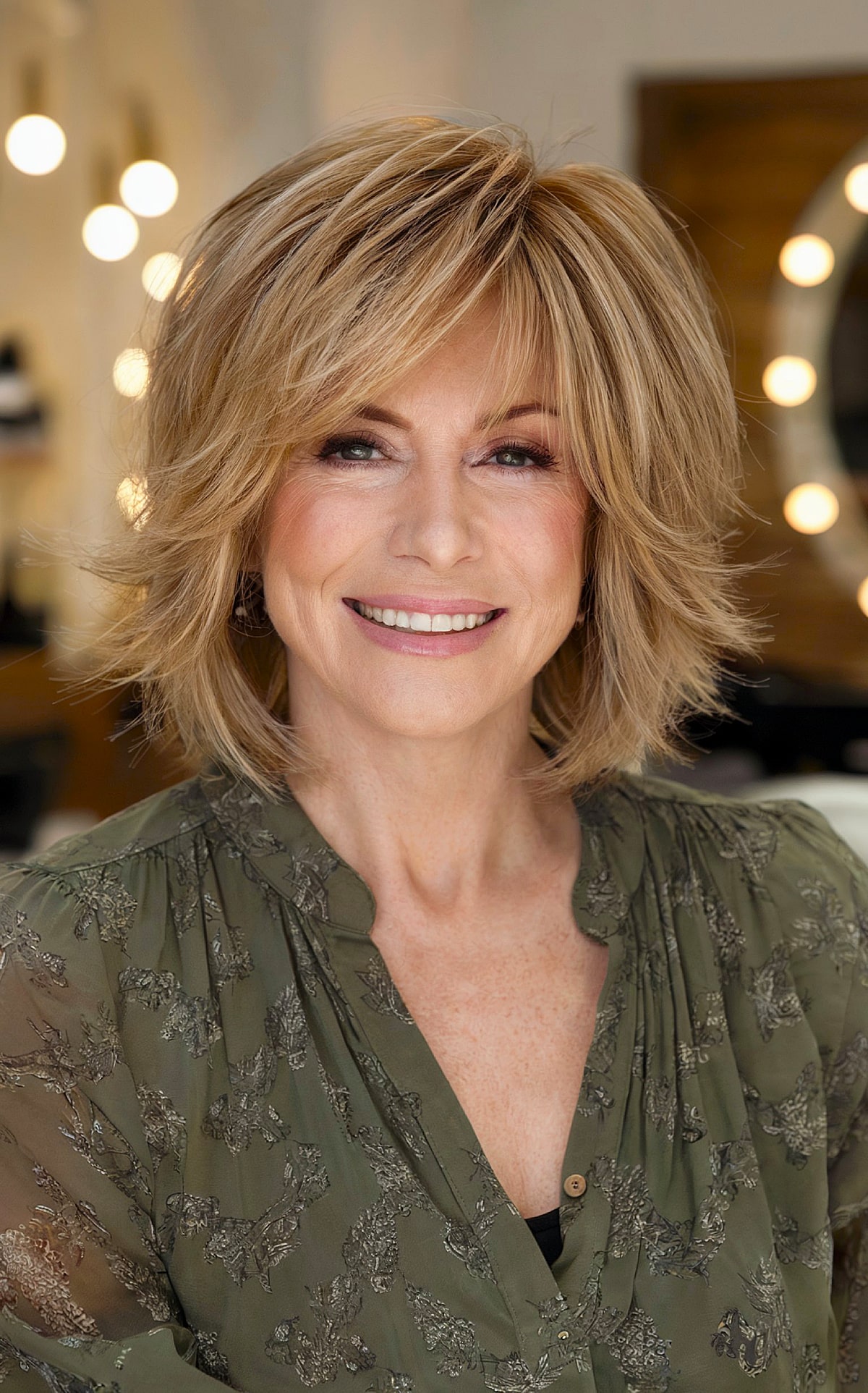
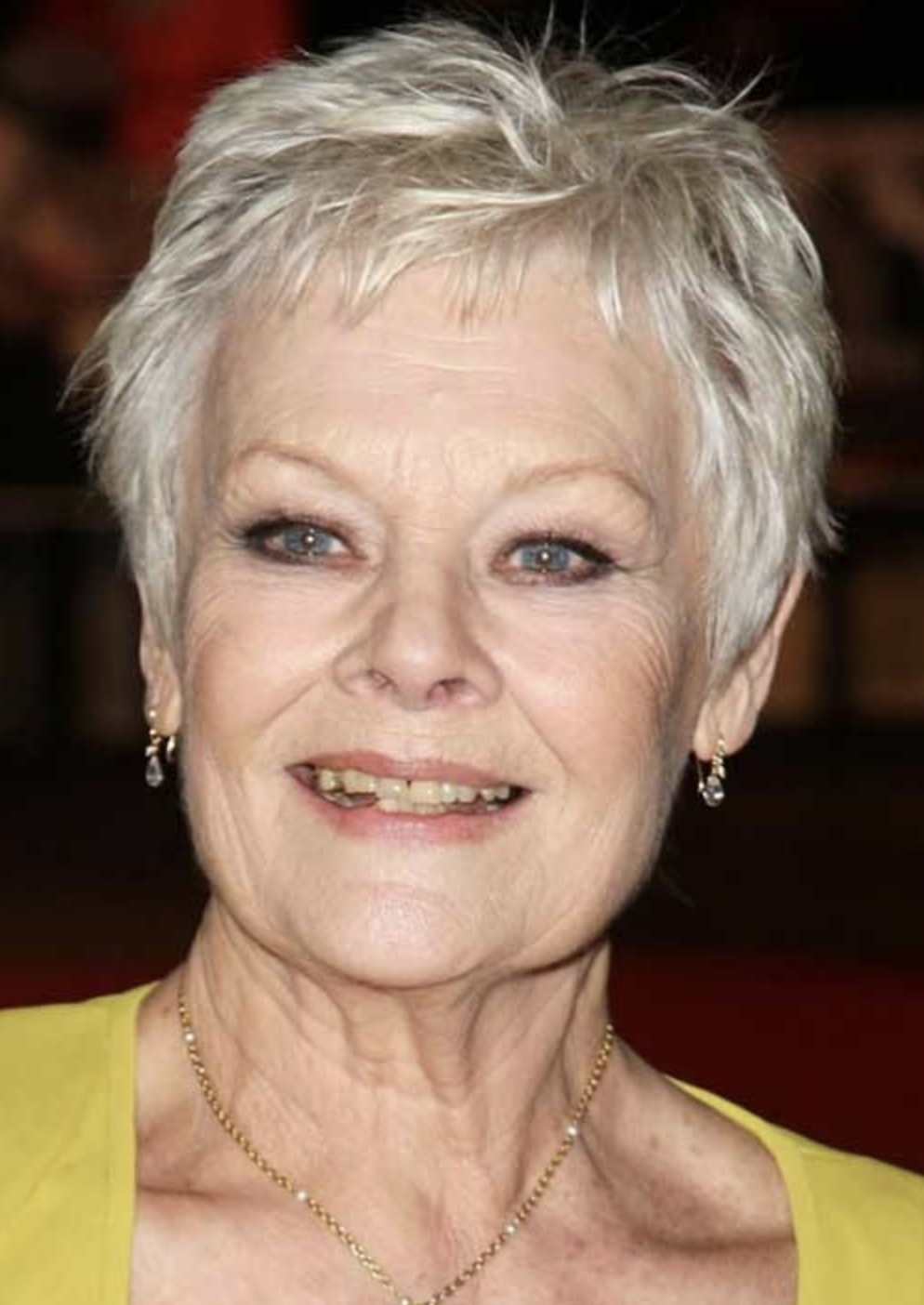
Styling options designed for those with less dense hair aim to create the illusion of fullness and volume. These styles often involve specific cutting techniques, such as layering or blunt cuts, and can be adapted to various lengths and face shapes. A consultation with a stylist specializing in this hair type is crucial for achieving desired results. For example, a layered bob can add texture and movement, giving the appearance of greater density.
Choosing an appropriate style can significantly impact one’s overall appearance and confidence. A well-executed cut tailored to finer textures can address common concerns like limpness or lack of body. Historically, trends have often favored voluminous hairstyles, leading to the development of numerous techniques and products specifically designed to enhance the appearance of finer hair. This ongoing evolution of styling methods highlights the enduring desire for adaptable and flattering looks.
The following sections will explore various styling options in greater detail, covering short, medium, and long lengths, along with suitable product recommendations and maintenance tips.
1. Length
Length plays a crucial role in the appearance of fine hair. Selecting the right length can significantly impact perceived volume and overall style. Balancing length with the desired fullness and manageability is essential for a successful outcome.
-
Short Lengths
Short haircuts, such as pixie cuts or bobs, are often recommended for fine hair. These styles create an illusion of fullness and require less styling effort. The reduced weight allows the hair to appear lifted and voluminous, minimizing the appearance of thinness. Short styles can also offer versatility, allowing for variations in texture and styling options.
-
Medium Lengths
Shoulder-length cuts can work well with fine hair if layered carefully. Layered lobs or collarbone-grazing cuts create movement and texture, giving the impression of thicker hair. Maintaining appropriate layering prevents the hair from appearing flat or weighed down. Styling with volumizing products is often beneficial to enhance the effect of the layers.
-
Long Lengths
While long hair can be challenging for fine textures, it isn’t impossible to manage successfully. Long layers are essential for adding volume and preventing the hair from appearing overly thin or stringy. Regular trims are crucial for maintaining healthy ends and preventing breakage, which can exacerbate the appearance of thinness. Specific styling techniques and volumizing products are usually necessary to create the illusion of fuller hair.
-
Face Shape Considerations
While length is important, it’s also crucial to consider face shape. Certain lengths complement specific face shapes better than others. For example, a short pixie cut might accentuate a heart-shaped face beautifully, while a longer bob might be more flattering for an oval face. Consulting with a stylist experienced with fine hair can help determine the most flattering length and style for individual facial features.
Understanding the interplay between length, layering, and face shape is fundamental to achieving a flattering and voluminous hairstyle for fine hair. Selecting the appropriate length is a critical first step in creating a style that enhances natural features and addresses the specific needs of this hair type.
2. Layers
Layering is a crucial technique in haircuts designed for fine hair, offering a powerful tool for creating volume, movement, and texture. Strategic placement and execution of layers can significantly impact the overall appearance, transforming otherwise limp hair into a seemingly fuller and more dynamic style. Understanding the nuances of layering techniques is essential for achieving desired results with this hair type.
-
Types of Layering
Various layering techniques exist, each contributing differently to the final look. Internal layers, focused beneath the surface, create lift and support at the crown. Surface layers, concentrated on the outer sections, add movement and texture. Choosing the right layering technique depends on the desired outcome and the specific characteristics of the hair. For example, heavily textured layers might create excessive volume in already thick hair, but can be ideal for adding dimension and lift to fine hair.
-
Placement of Layers
The strategic placement of layers is critical for maximizing their effect on fine hair. Layers concentrated around the crown create lift and volume where it’s often needed most. Face-framing layers can soften features and add movement. The placement should complement the overall haircut and desired silhouette. For instance, layers starting too high on the head can create a choppy look, while strategically placed layers can add seamless volume and shape.
-
Length and Layers
The interaction between hair length and layering is particularly important for fine hair. Long hair with minimal layering can appear flat and lifeless. Shorter cuts benefit from layers that add texture and prevent a heavy, boxy appearance. Balancing length with the appropriate layering technique is key to achieving a balanced and flattering look. A long bob with subtle layers can add movement and volume without sacrificing length, while a shorter pixie cut can benefit from textured layers to create a more dynamic style.
-
Styling Layered Hair
Styling layered hair requires specific techniques and products to enhance the intended effect. Volumizing mousses and root-lifting sprays help create lift at the roots. Texturizing sprays add definition and separation to the layers. Proper blow-drying techniques, such as using a round brush to lift the hair at the roots, are essential for maximizing volume and showcasing the layers. These styling choices play a significant role in the final result, ensuring the layers contribute to the desired fullness and shape.
By carefully considering the type, placement, and interaction of layers with hair length and styling techniques, individuals with fine hair can achieve styles that appear significantly fuller and more dynamic. The skilled application of layering principles is fundamental to successful haircuts for this hair type, offering a versatile approach to enhancing volume and creating a range of flattering looks.
3. Texture
Texture plays a significant role in how fine hair appears and behaves. Understanding the impact of texture on different haircuts is essential for achieving desired results. This involves considering natural texture, the texture created by the haircut, and how styling techniques can enhance or modify the overall texture to create the illusion of fullness and volume.
-
Natural Hair Texture
Natural hair texture refers to the inherent qualities of the hair strands, typically categorized as straight, wavy, curly, or coily. Fine hair can occur within any of these categories, each presenting unique styling challenges and opportunities. Straight fine hair tends to lie flat and can appear limp, while wavy or curly fine hair may lack definition and appear frizzy. Understanding one’s natural texture is the foundation for choosing a suitable haircut and styling regimen. For instance, a blunt cut can create a sharper, fuller appearance on straight fine hair, while layers can enhance the natural wave pattern in wavy fine hair.
-
Texture Created by the Haircut
The haircut itself can create texture, independent of natural texture. Techniques like layering, point cutting, and razoring can introduce texture and dimension. Layering adds movement and removes weight, while point cutting creates subtle variations in length, generating a textured effect. Razoring can create a softer, more diffused texture. These techniques are crucial tools for adding volume and interest to fine hair, but require careful application to avoid thinning the hair excessively.
-
Texture Enhanced by Styling
Styling techniques and products play a crucial role in enhancing or modifying the texture of fine hair. Volumizing mousses and root-lifting sprays create lift at the base, giving the appearance of fuller hair. Texturizing sprays and powders add grip and separation, enhancing the texture created by the haircut. Diffusers can enhance natural waves and curls, adding volume and definition. These styling choices can significantly impact the final look and are essential for maximizing the potential of any haircut for fine hair.
-
Texture and Product Choice
The interplay between hair texture and product selection is critical for successful styling. Fine hair is easily weighed down by heavy products, so choosing lightweight formulas is essential. Volumizing products should be applied sparingly to avoid a stiff or sticky feel. Serums and oils can add shine and smoothness without compromising volume when used judiciously. The correct product choices complement the haircut and enhance the desired texture, contributing to a polished and voluminous look.
By understanding the interplay between natural texture, the texture created by the haircut, and the texture enhanced through styling, individuals with fine hair can achieve styles that appear significantly fuller and more dynamic. Careful consideration of these factors is essential for maximizing volume and creating a flattering, personalized look. The right combination of cut, styling technique, and product choice allows fine hair to reach its full potential, transforming its perceived limitations into styling advantages.
4. Blunt Cuts
Blunt cuts play a significant role in hairstyles designed for fine hair. Creating a clean, uniform edge, they maximize the appearance of density and fullness, particularly at the ends, which can often appear thin or wispy with finer textures. This technique avoids the tapered, feathered look that can exacerbate the appearance of thinness. A blunt cut provides weight and structure, creating a solid foundation for various styles. For example, a blunt bob creates a classic, polished look, giving the illusion of thicker, healthier hair.
The effectiveness of a blunt cut for fine hair relies on precise execution. Clean lines and careful attention to length are crucial. Over-layering or uneven cutting can undermine the intended effect, diminishing perceived volume. Combining a blunt cut with other techniques, such as subtle layering at the crown, can further enhance fullness and create a more dynamic shape. A blunt lob (long bob) can benefit from subtle internal layers to add movement and prevent the style from appearing too heavy, while maintaining the blunt edge for maximum perceived thickness.
Blunt cuts offer a versatile foundation for various styling options, from sleek and straight to softly waved or curled. The clean lines of a blunt cut provide a strong base for creating different looks, while the added weight and fullness contribute to improved manageability. Maintaining the integrity of the blunt edge requires regular trims to prevent splitting and thinning. Understanding the impact of blunt cuts allows for strategic styling choices that maximize volume and enhance the overall appearance of fine hair.
5. Styling Products
Styling products play a crucial role in maximizing the potential of haircuts designed for fine hair. The correct product choices can significantly impact volume, texture, and overall manageability. Specific formulations address the unique needs of fine hair, providing lift, hold, and fullness without weighing the hair down. Understanding the function and application of different product types is essential for achieving desired results. For example, volumizing mousses create a lightweight foundation for styling, adding body and lift at the roots, while texturizing sprays provide grip and separation, enhancing the appearance of fullness.
Selecting appropriate styling products depends on the desired style and the specific characteristics of the haircut. Lightweight formulas are generally preferred for fine hair, as heavier products can create a flat, greasy appearance. Volumizing products, such as mousses, sprays, and powders, are commonly used to create lift and fullness. Texturizing products, including sprays, clays, and pastes, add definition and separation, enhancing the appearance of layers and movement. Heat protectants are crucial when using hot styling tools, shielding fine hair from damage and breakage. Choosing the correct product combination allows for tailored styling that complements the haircut and enhances its intended effect. A short, layered cut might benefit from a volumizing mousse and a texturizing spray for a tousled, voluminous look, while a longer, blunt cut might require a lightweight smoothing serum and a volumizing spray for a sleek, polished finish.
Effective application techniques are essential for maximizing product benefits and avoiding common pitfalls. Applying products sparingly and distributing them evenly prevents product buildup and ensures optimal performance. Focusing application at the roots maximizes lift and volume, while applying products throughout the lengths can add texture and definition without weighing the hair down. Understanding how different products interact with the hair and the haircut allows for strategic styling choices, resulting in a polished, voluminous look that enhances the overall appearance of fine hair. Addressing these factors empowers individuals with fine hair to achieve desired styles and overcome common styling challenges.
Conclusion
Strategic styling choices tailored to finer hair textures offer numerous possibilities for achieving voluminous, flattering looks. Careful consideration of length, layering techniques, and product selection empowers individuals to address the specific needs of this hair type. Understanding the interplay between these factors is fundamental to maximizing volume, creating movement, and achieving desired styling outcomes. Blunt cuts, layered styles, and even longer lengths can be adapted successfully, provided they are executed with precision and complemented by appropriate styling techniques. Product choices play a crucial role, with lightweight formulas and volumizing agents offering significant benefits without compromising the hair’s delicate structure. Regular maintenance and consultation with experienced stylists further contribute to long-term success.
Ultimately, achieving a successful style for fine hair relies on informed decision-making and a personalized approach. Exploring available options, understanding individual hair characteristics, and collaborating with skilled professionals allow individuals to embrace the versatility of fine hair and discover styles that enhance both appearance and confidence. Continued innovation in cutting techniques and product formulations promises an ever-evolving landscape of possibilities for those seeking to maximize the potential of finer hair textures.