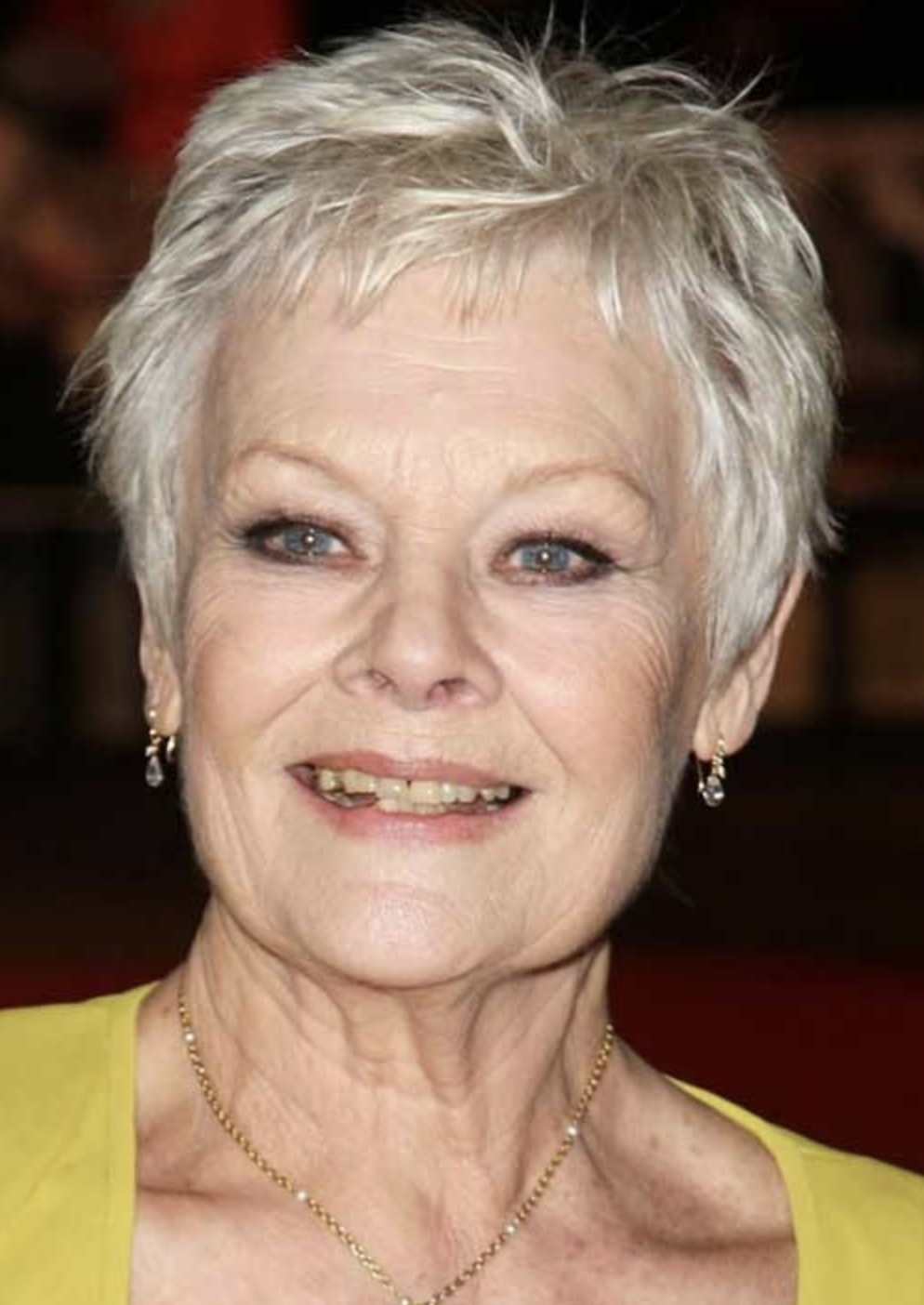
Short hairstyles for full-faced individuals are designed to create an illusion of length and balance facial features. These styles often incorporate volume at the crown or textured layers to add height and dimension, drawing attention upwards and away from the cheeks. Examples include pixies, layered bobs, and short shags with strategically placed angles and volume.
Selecting an appropriate cut can significantly enhance one’s overall appearance and boost confidence. A well-chosen style can slim the face, highlight desirable features, and offer a modern, stylish aesthetic. Historically, hairstyles have been used to convey social status, personality, and even cultural affiliation. Balancing facial proportions has long been a key consideration in hairstyling, and the development of techniques to complement fuller faces has evolved over time.
The following sections will delve into specific styles suitable for rounder faces, considering hair texture, lifestyle, and maintenance requirements. Recommendations for styling products and techniques will also be provided to ensure a polished and flattering result.
1. Face Shape
Face shape plays a crucial role in determining the most flattering short haircut for individuals with fuller faces. The goal is to create the illusion of length and balance, counteracting the roundness. Haircuts that achieve this often incorporate height at the crown and strategically placed layers to frame the face and create a more defined jawline. For instance, a heart-shaped face, despite having fullness in the upper part, benefits from a chin-length bob that adds volume around the chin area, balancing the wider forehead. Conversely, a round face requires a style that adds height and slims the sides, such as a layered pixie cut or a short, angled bob. Ignoring face shape can result in a haircut that accentuates roundness, rather than complementing it.
Understanding the nuances of face shapes enables informed choices regarding hair length, layering, and overall silhouette. Oval faces are generally considered the most versatile, allowing for a wider range of styles. However, even with an oval shape, subtle adjustments can further enhance features. Round faces, on the other hand, benefit from styles that visually lengthen the face, such as those with shorter layers at the crown and longer layers framing the face. Square faces often benefit from softer, layered cuts that minimize the angularity of the jawline. A skilled stylist can analyze facial features and recommend a cut that harmonizes with the individual’s unique shape.
The interplay between face shape and haircut significantly impacts overall appearance. Achieving a balanced and harmonious look requires careful consideration of proportions and angles. By recognizing the impact of face shape, individuals can select haircuts that enhance their features, creating a more polished and flattering appearance. This understanding empowers individuals to make informed decisions and collaborate with stylists to achieve desired results.
2. Hair Texture
Hair texture significantly influences how a short haircut will appear on a fuller face, affecting volume, movement, and the overall silhouette. Understanding one’s hair texture is crucial for selecting a cut that complements facial features and achieves the desired effect. Fine, thick, curly, straighteach texture interacts differently with various cutting techniques and styling methods.
-
Fine Hair
Fine hair can appear flat and limp, which can accentuate the roundness of a full face. Short haircuts for fine hair often incorporate layers to create volume and texture. A pixie cut with textured layers or a short bob with subtle layering can add body and lift. Avoiding blunt cuts is typically advised, as these can emphasize the lack of volume. Products like volumizing mousses and texturizing sprays can further enhance the appearance of fullness.
-
Thick Hair
Thick hair provides ample volume, which can be beneficial for balancing a full face, but also requires careful management to avoid adding excessive bulk. Layering is essential for controlling volume and creating shape. Short, layered bobs and textured pixie cuts work well with thick hair, removing weight and allowing for movement. Overly blunt cuts can create a mushroom-like effect, which is generally not flattering for rounder faces. Thinning shears can be used to reduce bulk without compromising length.
-
Curly Hair
Curly hair presents unique considerations for short haircuts, as the curls add natural volume and shape. Short, layered cuts can work well, defining the curls and preventing excessive width. A layered bob or a pixie cut with longer, textured curls can be flattering. It’s important to consider the curl pattern and shrinkage when determining the desired length. Products like curl creams and gels can help define and control curls.
-
Straight Hair
Straight hair tends to lie close to the head, which can sometimes emphasize the fullness of a round face. Adding volume at the crown is key for creating balance. Short, layered cuts with volume at the crown and textured ends can create movement and prevent the hair from appearing too flat. A pixie cut with choppy layers or a short, angled bob can add dimension. Volumizing products and styling techniques like backcombing can further enhance lift.
Matching the right haircut to one’s hair texture is paramount for a flattering and harmonious result. The interplay between texture and cut determines the final shape, volume, and movement of the hair. By understanding the specific needs and characteristics of different hair textures, individuals can select short haircuts that complement their features and create a balanced, stylish look.
3. Styling Techniques
Styling techniques play a crucial role in maximizing the flattering effects of short haircuts on fuller faces. These techniques aim to create height, add volume strategically, and frame the face in a way that minimizes roundness and enhances features. The interplay between cut and styling is essential for achieving the desired look and maintaining its effectiveness.
Creating volume at the crown is a fundamental styling technique for balancing a round face. This can be achieved through various methods, including backcombing, volumizing products, and blow-drying techniques that lift the hair away from the scalp. Directing hair upwards and away from the sides of the face creates an illusion of length and slims the overall appearance. Conversely, flat hair close to the head can accentuate roundness. For example, a short, layered bob can be styled with a volumizing mousse and a round brush to create lift at the crown, while the side layers are styled inwards to frame the face and create a more defined jawline. A pixie cut can be styled with a texturizing product and a molding paste to create height and piecey texture, drawing attention upwards and away from the cheeks. These techniques work in conjunction with the haircut to achieve the desired effect.
Mastering styling techniques tailored to short haircuts and fuller faces empowers individuals to consistently achieve a polished and flattering look. These techniques, ranging from product application to blow-drying methods, work synergistically with the chosen cut to balance proportions and enhance features. Understanding the principles of volume, lift, and facial framing enables individuals to adapt their styling routine to suit their specific needs and consistently achieve desired results. This mastery not only enhances appearance but also cultivates confidence and control over one’s personal style.
4. Maintenance Level
Maintenance level is a critical factor to consider when selecting short haircuts for fuller faces. The required upkeep directly impacts how well the style maintains its flattering shape and overall effectiveness in balancing facial features. Different cuts demand varying degrees of styling, trimming, and product use. Choosing a style that aligns with one’s lifestyle and available time commitment ensures long-term satisfaction and prevents the look from becoming unmanageable.
-
Frequency of Trims
Short haircuts, especially those designed to create specific shapes and angles, require regular trims to maintain their form and prevent them from growing out into less flattering proportions. Pixie cuts, for instance, typically require trims every 4-6 weeks to maintain their defined shape, while slightly longer bobs can often go 6-8 weeks between trims. The frequency of trims depends on the individual’s hair growth rate and the complexity of the cut.
-
Daily Styling Time
The amount of time required for daily styling varies significantly depending on the chosen haircut and the individual’s hair texture. A wash-and-go pixie cut may require minimal styling, while a layered bob might necessitate blow-drying and product application to achieve the desired volume and shape. Considering daily styling time is essential for selecting a manageable cut that fits seamlessly into one’s routine.
-
Product Use
Certain short haircuts, particularly those designed to add volume or texture, benefit from the use of styling products. Volumizing mousses, texturizing sprays, and styling waxes can enhance the shape and hold of the cut, ensuring it remains flattering throughout the day. The specific products required depend on the haircut and hair texture. Individuals should consider their comfort level with product use and the potential cost and time investment.
-
Styling Skill Required
Some short haircuts require more advanced styling techniques than others. A layered bob, for instance, may require proficiency with a round brush and blow dryer to achieve the desired volume and shape. Conversely, a simpler pixie cut might require minimal styling expertise. Assessing one’s styling skills and willingness to learn new techniques is important when choosing a short haircut.
The maintenance level of a short haircut directly influences its long-term success in complementing a fuller face. A carefully chosen cut, aligned with individual lifestyle and styling capabilities, ensures the look remains flattering and manageable. Ignoring maintenance requirements can lead to a style that quickly loses its shape and fails to achieve the desired slimming effect. Prioritizing maintainability ensures a consistently polished and flattering appearance.
5. Personal Style
Personal style significantly influences the success of short haircuts for fuller faces. While a specific cut might be technically well-suited to a round face shape, it must also harmonize with an individual’s overall aesthetic and self-expression. Factors such as clothing choices, makeup preferences, and lifestyle contribute to personal style, and the chosen haircut should integrate seamlessly with these elements. A classic, polished individual might opt for a sleek, angled bob, while someone with a more edgy aesthetic might prefer a textured pixie cut with asymmetrical elements. Dissonance between haircut and personal style can create a disjointed appearance, undermining the intended effect of the cut. For example, a highly structured, geometric haircut might clash with a bohemian wardrobe, creating a sense of incongruity. Conversely, a soft, romantic haircut might not complement a minimalist, androgynous style.
Understanding the interplay between personal style and haircut choices empowers individuals to make informed decisions that enhance their overall image. It allows for a cohesive and authentic presentation of self, where the haircut becomes an integral part of expressing individuality. This understanding extends beyond simply choosing a technically correct cut; it delves into the nuances of self-perception and the desired message conveyed through appearance. Someone working in a corporate environment might choose a more polished and classic short cut, while an artist or musician might embrace a more unconventional and expressive style. By aligning haircut choices with personal style, individuals can cultivate a look that feels genuine and reflects their unique personality. This alignment enhances confidence and contributes to a more harmonious and authentic self-image.
Integrating personal style considerations into the selection process for short haircuts, especially for those with fuller faces, optimizes the impact of the chosen style. It ensures the cut not only balances facial features but also complements the individual’s overall aesthetic and self-expression. Successfully navigating the interplay between technical suitability and personal style leads to a truly flattering and harmonious result. This approach avoids the pitfall of adopting trendy cuts that lack personal relevance and empowers individuals to curate a look that feels authentic and enhances their sense of self.
Conclusion
Careful consideration of face shape, hair texture, styling techniques, maintenance requirements, and personal style are crucial for successful short haircuts designed to complement fuller faces. Achieving a flattering and harmonious look necessitates a holistic approach that integrates these elements. Understanding the interplay between these factors empowers informed decision-making and facilitates collaboration with stylists to achieve desired results.
Ultimately, the objective is to select a style that not only balances facial proportions but also enhances overall confidence and reflects individual personality. Strategic styling and consistent maintenance are essential for preserving the intended effect of the chosen cut and ensuring long-term satisfaction. Through informed choices and a comprehensive understanding of the factors involved, individuals can embrace short haircuts that enhance their features and empower them to present their best selves.