Managing substantial, straight hair often presents styling challenges. A carefully chosen cut can transform this hair type from unwieldy to sleek and manageable. For example, layered styles can remove bulk and create movement, while blunt cuts offer a polished, modern look. The right cut considers factors like face shape and desired maintenance level, ensuring a flattering and practical result.
Choosing a suitable style provides numerous advantages. A well-executed cut reduces styling time, minimizes frizz, and enhances the hair’s natural shine. Historically, long, straight hair has symbolized health and beauty across various cultures. Modern styling techniques build upon this appreciation, offering individuals greater control and versatility in expressing their personal style through customized cuts designed for their specific hair type.
This article will explore various styling options tailored for dense, straight hair. Topics covered include popular layered cuts, one-length styles, suitable fringe options, and advice on finding a skilled stylist. Maintenance tips and product recommendations will also be discussed to help individuals maintain their chosen look.
1. Layered Cuts
Layered cuts are a popular and effective choice for managing thick, straight hair. They offer versatility and address common challenges associated with this hair type, such as excess weight and lack of movement. The strategic removal of weight through layering creates shape, enhances texture, and simplifies styling.
-
Long Layers
Long layers, starting below the shoulder or around the chest area, create subtle movement and dimension without sacrificing length. This technique removes bulk from the ends, allowing the hair to flow more freely and preventing a heavy, bottom-heavy appearance. Long layers suit those seeking manageable length with added shape.
-
Face-Framing Layers
Face-framing layers are shorter pieces cut around the face to complement facial features and add softness. These layers can be customized to suit different face shapeslonger layers for round faces and shorter, textured layers for longer faces. This technique draws attention to the face and adds a personalized touch to the overall cut.
-
Internal Layers
Internal layers involve removing weight from the inner sections of the hair, while leaving the outer layers longer. This creates texture and volume without overtly shortening the overall length. Internal layers are particularly beneficial for thick hair as they reduce bulk and encourage movement, making styling easier.
-
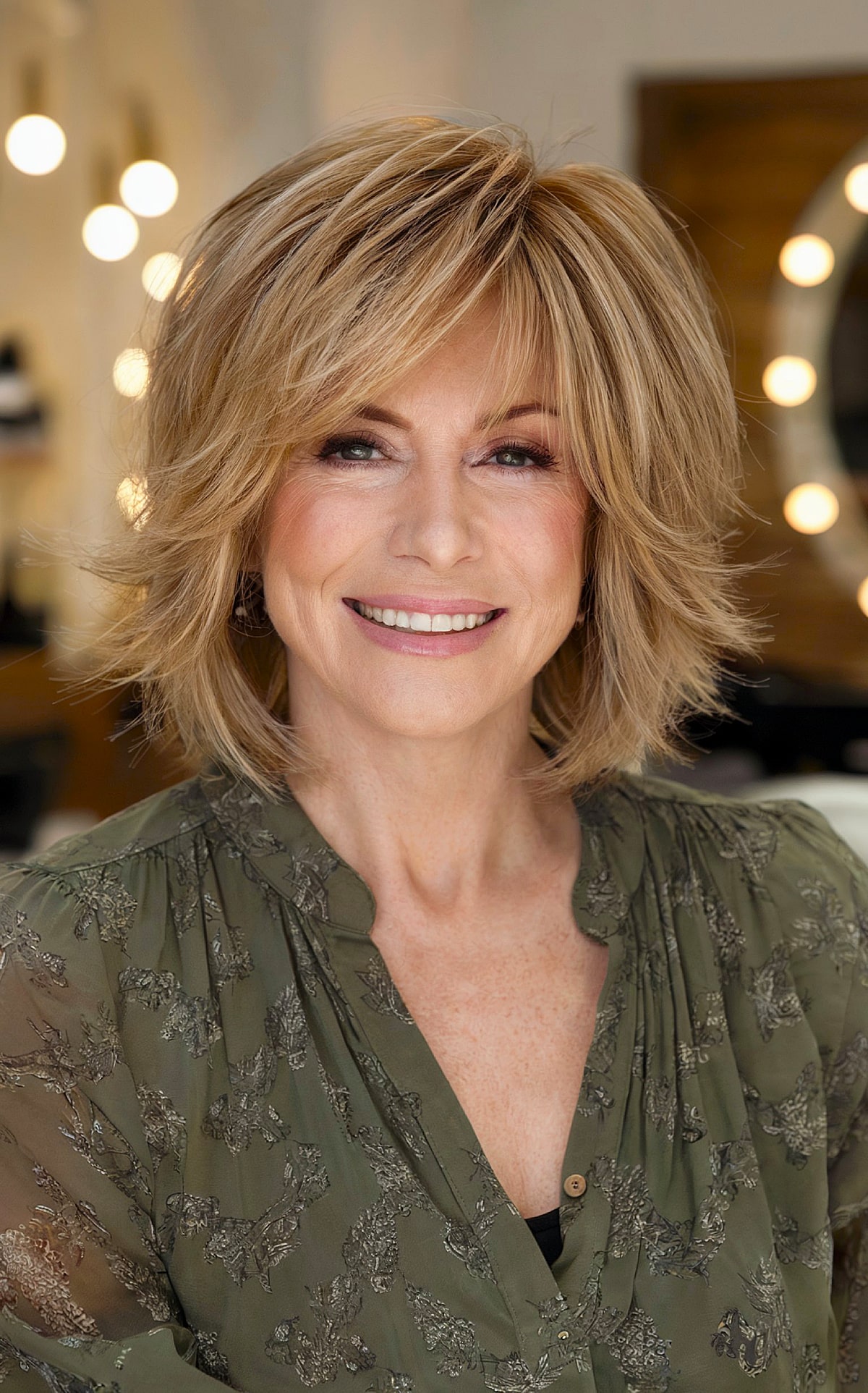
Layered Bobs and Lobs
Layering can also be applied to shorter haircuts like bobs and lobs (long bobs). A layered bob removes weight and adds texture, preventing the cut from looking too blunt or severe. This technique offers a stylish and manageable option for those who prefer shorter hair while still benefiting from the advantages of layering.
By strategically removing weight and creating shape, layered cuts transform thick, straight hair into a manageable and stylish asset. The various layering techniques offer numerous options, allowing individuals to personalize their cut based on desired length, face shape, and overall aesthetic preferences. A consultation with a skilled stylist is crucial to determine the most suitable layering approach for individual needs and hair characteristics.
2. Blunt Cuts
Blunt cuts, characterized by a single, clean line at the hair’s perimeter, offer a distinctive approach to styling thick, straight hair. While layering removes weight, a blunt cut maintains density, creating a full, polished appearance. This technique capitalizes on the hair’s natural thickness, resulting in a strong, modern aesthetic. A blunt bob, for instance, showcases the hair’s density and creates a sharp, geometric silhouette. Similarly, a long, blunt cut emphasizes length and fullness, projecting a sleek, healthy image. The success of a blunt cut relies heavily on precise execution; a skilled stylist ensures clean lines and balanced weight distribution, avoiding a heavy or uneven result.
The suitability of a blunt cut depends on individual hair characteristics and desired outcomes. Extremely thick hair may appear overly heavy with a blunt cut, particularly at longer lengths. In such cases, subtle layering or texturizing techniques can be incorporated to soften the ends and prevent a blocky appearance. Conversely, fine, straight hair may lack the necessary density to support a truly blunt look. Therefore, a thorough consultation with a stylist is crucial to determine the suitability of a blunt cut and tailor it to individual needs. Factors such as face shape and lifestyle also contribute to the decision-making process.
Blunt cuts offer a powerful statement for those with thick, straight hair. The technique leverages the hair’s natural density to create a bold, modern look. However, precision and careful consideration of individual hair characteristics are essential. Achieving a successful blunt cut requires a skilled stylist who understands the balance between maintaining fullness and avoiding excessive weight. When executed correctly, a blunt cut becomes a striking and impactful style choice, highlighting the beauty of thick, straight hair.
3. Length Considerations
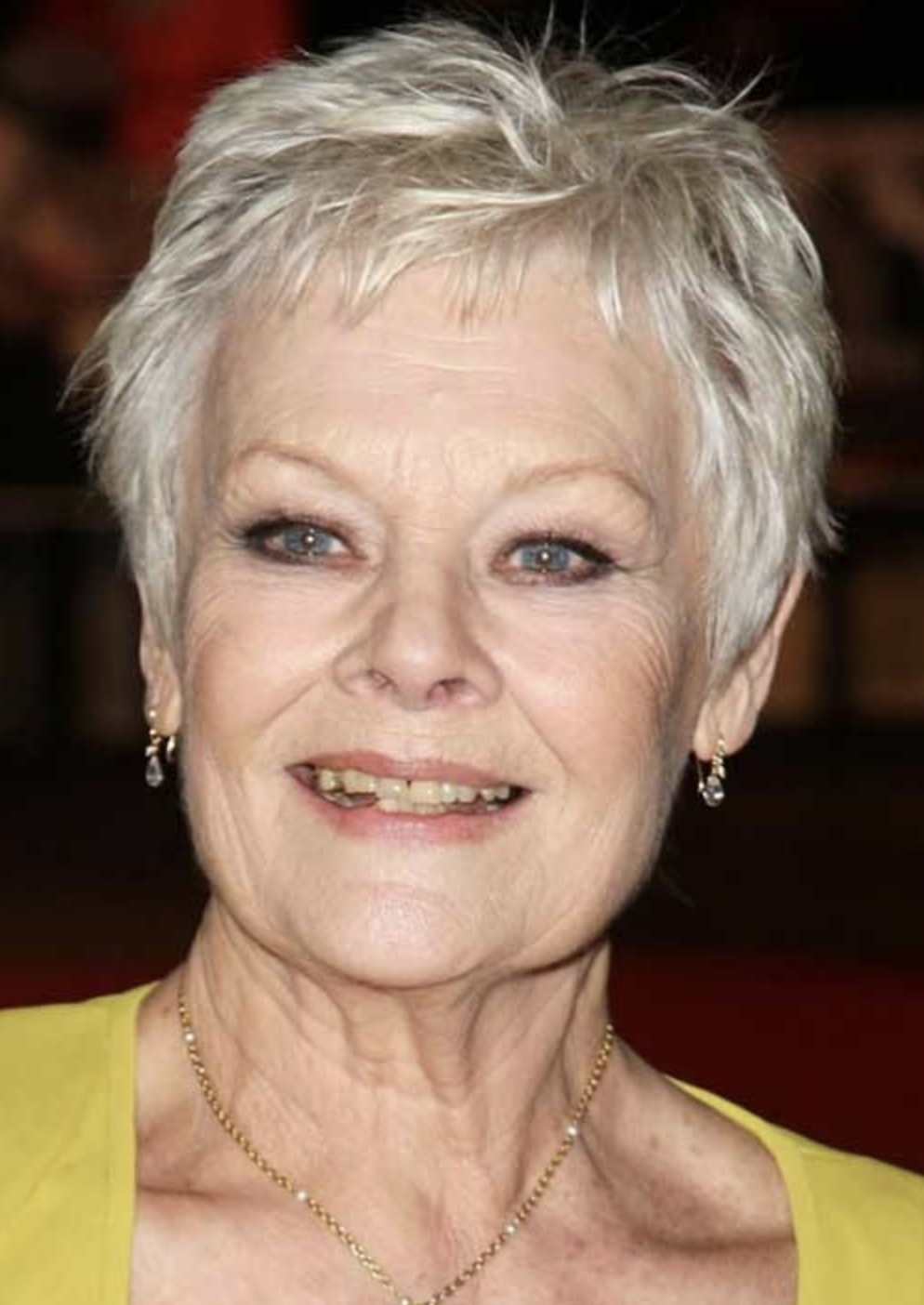
Length plays a pivotal role in managing and styling thick, straight hair. The chosen length significantly influences the perceived weight, volume, and overall silhouette. Shorter lengths, such as a pixie cut or a chin-length bob, inherently reduce weight and offer increased manageability. These styles require less styling effort and can appear more dynamic due to the reduced mass. Conversely, longer lengths showcase the hair’s natural shine and offer more versatility in styling options, including braids, updos, and various other intricate hairstyles. However, longer lengths also require more maintenance and can appear heavy or overwhelming if not styled appropriately. For instance, a long, one-length cut on extremely thick hair might lack movement and appear excessively dense. Therefore, incorporating layers or other texturizing techniques becomes crucial for balancing the weight and creating a more dynamic look.
The relationship between hair length and face shape also warrants consideration. Shorter styles tend to accentuate facial features, making them suitable for individuals with oval or heart-shaped faces. Longer lengths can soften angular features or create a more balanced appearance for those with square or round faces. Lifestyle factors also influence length suitability. Individuals with active lifestyles might find shorter lengths more practical due to reduced styling time and increased manageability. Professionals in certain fields might prefer longer styles for a more traditional or polished appearance. The ideal length, therefore, emerges from a careful assessment of these individual factors, ensuring a harmonious balance between aesthetics, manageability, and personal preferences.
Selecting the appropriate length represents a critical step in achieving a successful haircut for thick, straight hair. A thorough consultation with a stylist bridges the gap between desired outcomes and practical considerations. Stylists possess the expertise to evaluate hair density, texture, and face shape, guiding clients toward a length that complements their individual features and lifestyle. This collaborative approach ensures a flattering and manageable outcome, maximizing the inherent beauty and versatility of thick, straight hair.
Haircuts for Thick Straight Hair
Navigating the landscape of haircuts for thick, straight hair requires careful consideration of various factors. This exploration has highlighted the importance of tailoring the cut to individual hair characteristics, face shape, and lifestyle. Layered cuts offer versatility in managing weight and creating movement, while blunt cuts provide a sleek, modern aesthetic when executed with precision. Length considerations further influence the overall silhouette and manageability, impacting both styling effort and visual impact. The interplay of these elements underscores the critical role of consultation with a skilled stylist. A thorough assessment ensures a harmonious balance between desired aesthetic outcomes and practical considerations.
Ultimately, the journey toward a suitable haircut for thick, straight hair involves a personalized approach. Understanding the nuances of layering, blunt cutting, and length selection empowers individuals to make informed decisions. This knowledge, combined with the expertise of a skilled stylist, unlocks the potential of this hair type, transforming potential challenges into opportunities for impactful self-expression. Through careful planning and execution, thick, straight hair becomes a canvas for a diverse range of styles, each reflecting individual personality and aesthetic preferences.