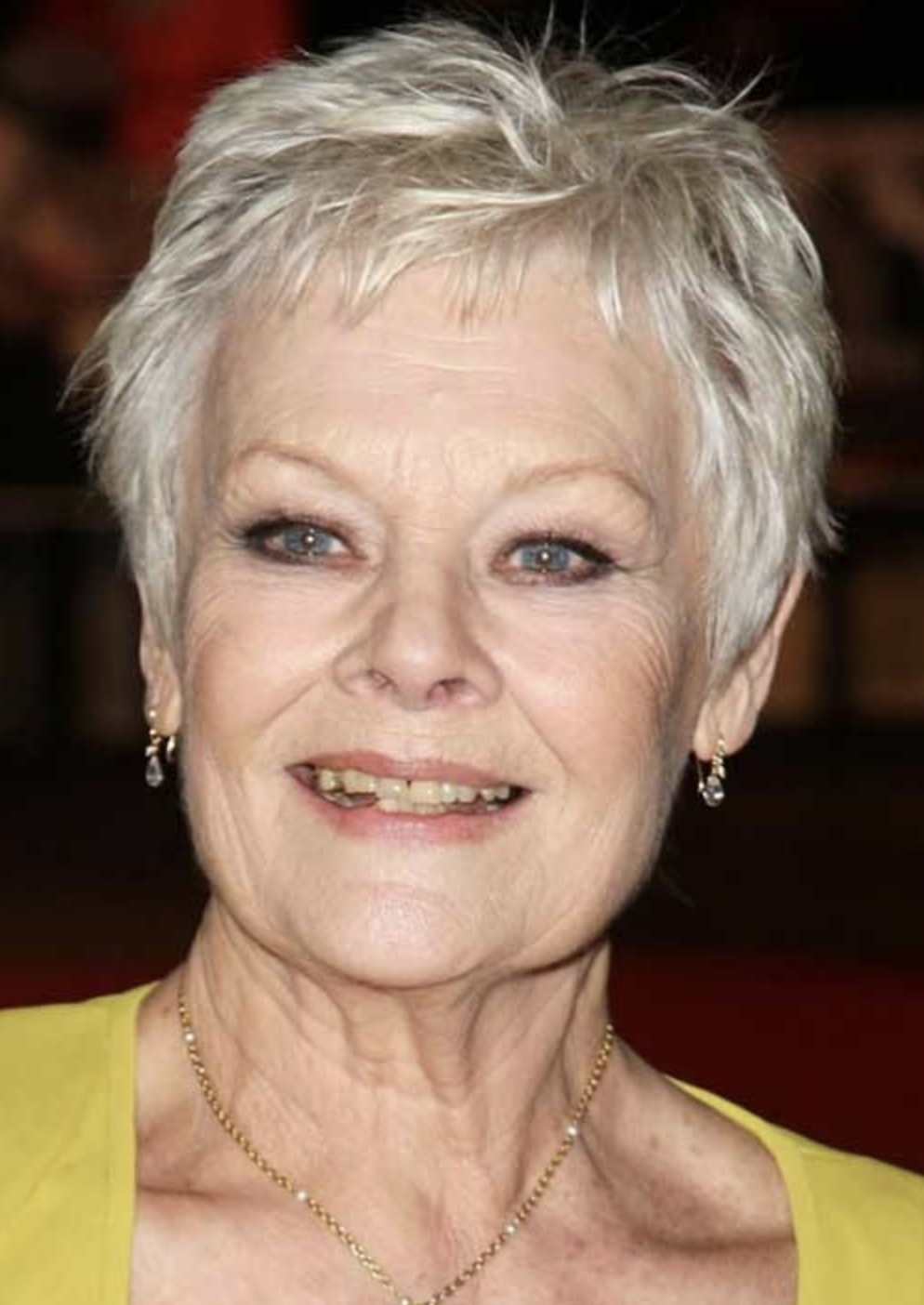
Chin-length or shorter hairstyles, styled with a blunt or slightly layered cut, offer a versatile and flattering option for those with fine hair textures. These styles can create the illusion of fullness and volume through strategic cutting and shaping techniques. A graduated bob, for instance, features stacked layers at the back, creating a rounded silhouette that adds body and movement.
This styling approach provides numerous advantages. It offers manageability and ease of styling while addressing the specific needs of fine hair. Historically, shorter hairstyles have cycled in and out of fashion, with bobs gaining particular prominence in the early 20th century as a symbol of female empowerment and a move toward more practical styles. The enduring appeal lies in the adaptability of the bob to various face shapes and hair textures, making it a consistently popular choice.
Further exploration will cover specific variations, styling tips, and maintenance advice relevant to this classic cut, empowering individuals to achieve a look that enhances their features and boosts their confidence.
1. Length
Length plays a critical role in the overall effect of a short bob haircut designed for thin hair. Choosing the right length can significantly impact the appearance of volume and fullness. The interplay between length, face shape, and desired style must be carefully considered.
-
Chin-Length Bobs
This classic length offers a balance between shortness and versatility. It can create a sleek and sophisticated look, suitable for various face shapes. Chin-length bobs can be easily styled for both casual and formal occasions, making them a popular choice.
-
Jaw-Length Bobs
A slightly longer variation, the jaw-length bob, can add fullness around the jawline, which can be particularly flattering for those with narrower faces. This length also provides more styling options, allowing for soft waves or a more polished, straight look. It offers slightly more weight than a chin-length bob, potentially affecting how the hair falls.
-
Ear-Length Bobs
For a bolder and more dramatic look, an ear-length bob can be a striking choice. This length exposes more of the neck and emphasizes facial features. While it can add volume at the crown, careful consideration should be given to face shape and overall styling goals. This shorter length can make fine hair appear even finer if not styled correctly.
-
Layered Bobs
Incorporating layers into a short bob, regardless of the overall length, can significantly enhance volume and texture. Layering removes weight, allowing the hair to lift and appear fuller. Different layering techniques can achieve diverse effects, from subtle texturization to more pronounced, choppy layers. Strategic layering can be key for those with thin hair seeking a voluminous short bob.
The optimal length for a short bob on thin hair depends on individual preferences and characteristics. Careful consideration of these factors, in consultation with a stylist, will ensure a flattering and personalized outcome. Balancing the desired length with face shape and styling goals is crucial for maximizing the benefits of this versatile haircut.
2. Layers
Strategic layering is a fundamental element in creating successful short bob haircuts for thin hair. The considered placement and execution of layers can significantly impact volume, movement, and overall shape, making it a crucial aspect of the styling process.
-
Graduated Layers
Graduated layers, shorter at the back and progressively longer towards the front, create a stacked effect that adds volume and lift, particularly at the crown. This technique provides a rounded silhouette that can be especially beneficial for fine hair, giving it a fuller appearance.
-
Long Layers
Incorporating long layers into a short bob can add texture and movement without sacrificing overall length. This approach can create a softer, more flowing look, suitable for those who prefer a less structured style. Long layers can also help to frame the face and enhance its features.
-
Face-Framing Layers
These strategically placed layers are designed to complement the face shape and draw attention to specific features. They typically start around the cheekbones or chin and can be adjusted to suit individual needs. Face-framing layers add softness and dimension to the cut, creating a more personalized look.
-
Texturizing Layers
Texturizing techniques, such as point cutting or razor cutting, create subtle variations in length, adding depth and preventing the bob from appearing too blunt or heavy. This can be particularly effective for fine hair, as it creates separation and movement, enhancing the illusion of fullness.
The skillful application of layering techniques allows stylists to tailor short bob haircuts to individual hair textures and desired outcomes. By carefully considering the interplay between layer type, length, and overall style, a truly customized and flattering look can be achieved for those with thin hair, maximizing volume and enhancing natural features.
3. Texture
Texture plays a vital role in the success of short bob haircuts for thin hair, significantly impacting how the style appears and performs. Enhancing texture can create the illusion of fullness and dimension, addressing the common concern of flatness often associated with finer hair types. This can be achieved through various methods, each offering distinct benefits.
Natural texture can be amplified through specific cutting techniques. Choppy layers, for instance, create varied lengths that disrupt the hair’s natural fall, promoting separation and movement. This prevents the hair from lying flat against the head, resulting in a more voluminous appearance. Texturizing shears or razors can further enhance this effect by creating subtle irregularities in the ends, adding depth and preventing a blunt, heavy look. The interplay of these techniques adds visual interest and contributes to a more dynamic style.
Styling products and techniques offer additional avenues for enhancing texture. Lightweight mousses and volumizing sprays applied to damp hair before blow-drying can provide lift and hold without weighing the hair down. Sea salt sprays create a beachy, tousled texture, while dry shampoos absorb excess oil and add grip, allowing for easier styling and sustained volume. Techniques such as teasing at the roots can further boost volume, though this should be done judiciously to avoid damage. The strategic use of these methods allows for personalized texture, tailored to individual preferences and desired outcomes. Ultimately, understanding the role of texture is crucial for achieving a successful and flattering short bob haircut for those with thin hair.
4. Styling
Styling is crucial for maximizing the potential of short bob haircuts for thin hair. Appropriate styling techniques create volume, movement, and shape, transforming a simple cut into a personalized and flattering style. Understanding the interplay of various styling methods allows individuals to achieve desired results and maintain the integrity of the cut.
-
Blow-Drying Techniques
Proper blow-drying is fundamental to achieving volume and shape. Utilizing a round brush lifts the hair at the roots, creating volume and curve. Directing airflow downwards smooths the cuticle, enhancing shine and minimizing frizz. This technique provides a foundation for various styles, from sleek and straight to bouncy and voluminous.
-
Use of Styling Products
Styling products play a significant role in enhancing texture and hold. Volumizing mousses and sprays applied to damp hair before blow-drying create lift and fullness. Lightweight texturizing sprays add definition and separation without weighing the hair down. Serums and oils, applied sparingly to dry hair, can smooth flyaways and add shine, completing the look.
-
Creating Waves and Curls
Incorporating waves or curls adds texture and movement, further enhancing the appearance of fullness. This can be achieved using curling irons, hot rollers, or texturizing techniques. The size of the curl or wave should be proportionate to the length of the bob, with looser waves generally preferred for shorter bobs to avoid an overly styled appearance.
-
Maintaining the Style
Maintaining the style between washes is essential for long-term success. Dry shampoo absorbs excess oil and refreshes the roots, extending the life of the style. Touch-up styling with a curling iron or flat iron can redefine waves or smooth any unwanted frizz. Regular trims are crucial for maintaining the shape and preventing split ends, ensuring the bob continues to look its best.
Mastering these styling techniques allows individuals to personalize their short bob haircuts, creating a look that complements their features and lifestyle. The considered application of these methods, combined with appropriate product selection, ensures a polished and voluminous style that addresses the specific needs of thin hair, maximizing its potential and creating a flattering and dynamic look.
5. Maintenance
Maintaining a short bob haircut designed for thin hair requires consistent effort to preserve its shape, volume, and overall appearance. Regular trims are crucial. Because shorter bobs showcase the precise lines of the cut, even slight growth can alter the intended silhouette and diminish the illusion of fullness. A trim every 4-6 weeks, depending on individual hair growth rates, prevents the style from becoming overgrown and losing its definition. This consistent maintenance helps retain the designed shape and prevents the bob from appearing flat or unkempt. For example, a graduated bob, reliant on stacked layers for volume, will lose its lift and shape as the layers grow out, necessitating regular trims to maintain the structured silhouette.
Beyond trims, at-home maintenance plays a significant role. Appropriate product use is essential. Volumizing products, applied correctly, maintain body and lift between washes. However, overuse can lead to product buildup, weighing the hair down and counteracting the desired effect. Regular clarifying washes remove residue, restoring volume and preventing the hair from appearing limp. Heat styling, while effective for creating volume and texture, can cause damage if used excessively. Heat protectant sprays minimize this risk, preserving the hair’s health and preventing split ends, which can make fine hair appear thinner and more brittle. Gentle brushing and detangling techniques further minimize breakage, contributing to the overall health and appearance of the hair.
Consistent professional and at-home maintenance practices are integral to the long-term success of short bob haircuts for thin hair. These efforts preserve the intended shape, maximize volume, and maintain the hairs health. Failing to adhere to a regular maintenance routine can result in a loss of shape, diminished volume, and an overall unkempt appearance, negating the benefits of the carefully chosen cut. Understanding the importance of consistent maintenance empowers individuals to preserve the integrity and aesthetic impact of their chosen style.
Short Bob Haircuts for Thin Hair
This exploration has highlighted the multifaceted nature of short bob haircuts tailored for thin hair. From the strategic use of layers and length considerations to the importance of texturizing and styling techniques, achieving a successful outcome requires a comprehensive approach. Maintaining the desired look necessitates consistent effort, including regular trims and appropriate product use. Understanding these elements empowers individuals to make informed decisions, collaborating with stylists to achieve personalized results.
Ultimately, a well-executed short bob haircut offers a versatile and flattering option for those with thin hair, transforming potential challenges into opportunities for enhanced volume, movement, and style. The enduring appeal of this classic cut lies in its adaptability and potential for personalization, allowing individuals to embrace a look that enhances their features and boosts their confidence.