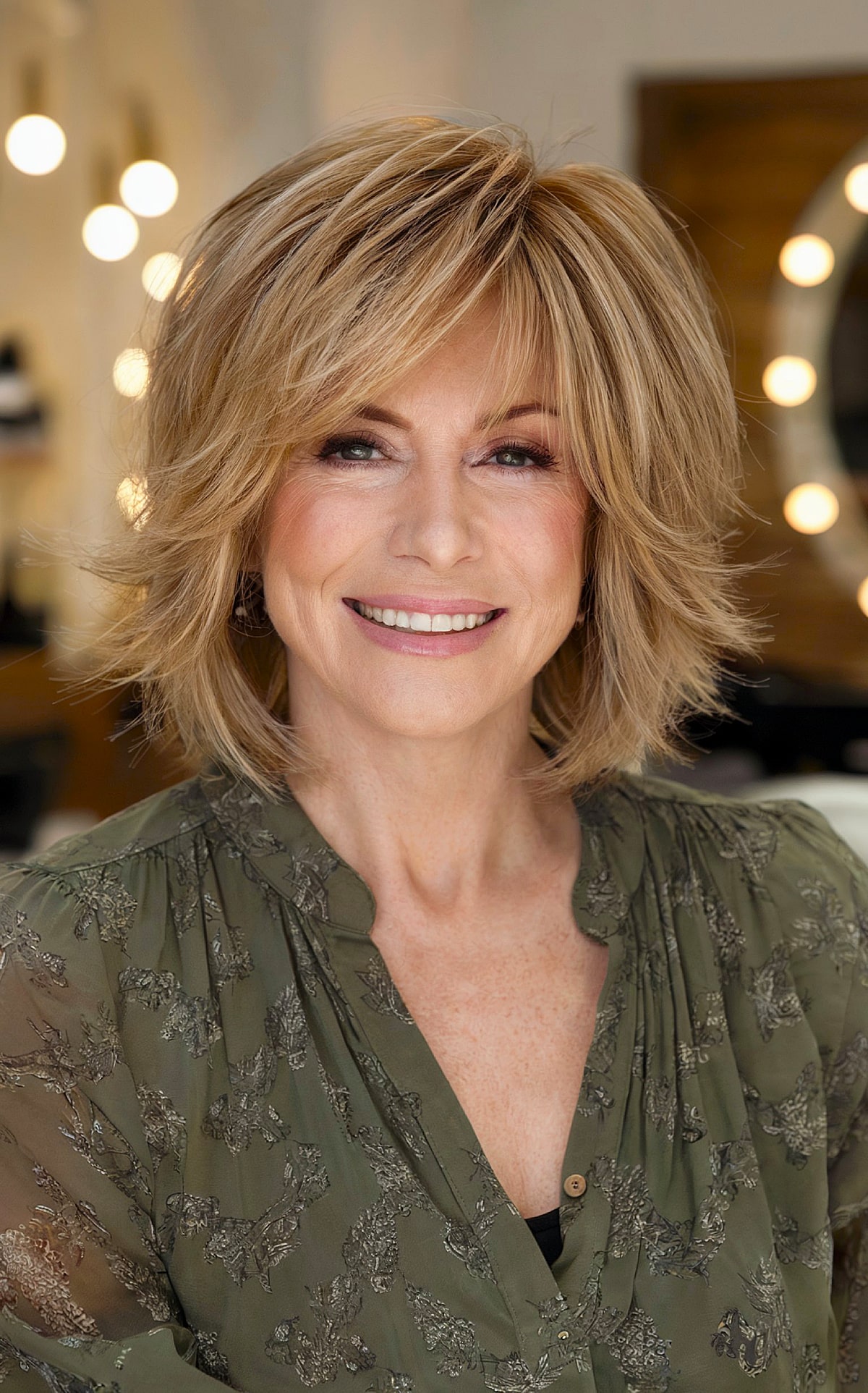
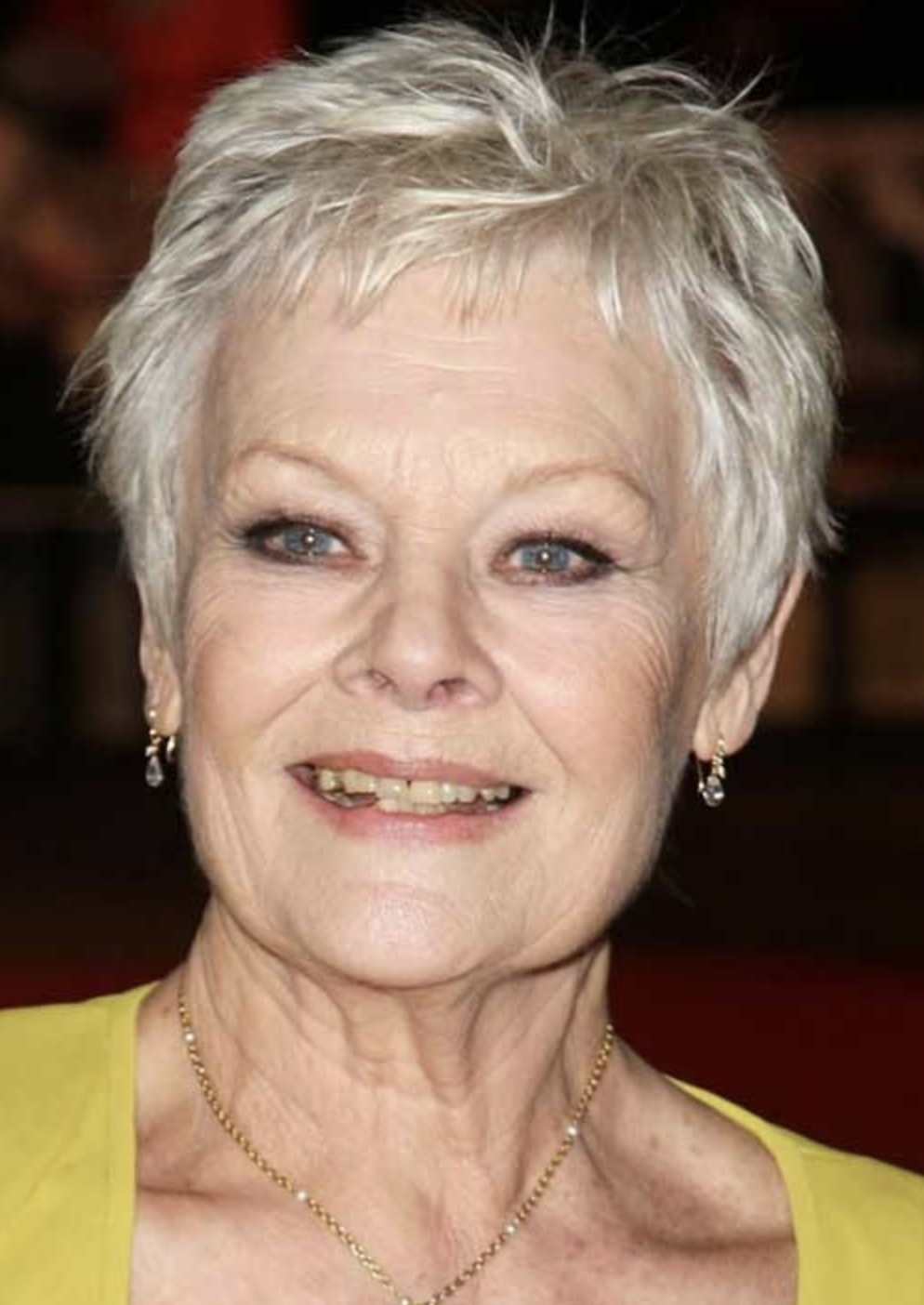
This layered hairstyle features shorter lengths at the back of the head, gradually increasing in length towards the front, creating a voluminous, angled appearance. It often incorporates a graduated, or “stacked,” layering technique at the nape, adding lift and body. Variations exist including those with blunt cuts, textured ends, or the addition of fringes.
The style offers versatility, suitable for various face shapes and hair textures. Its manageable length combined with the illusion of volume makes it a popular choice. Emerging from classic bob cuts, this modern interpretation delivers a contemporary and chic aesthetic. Its popularity has remained consistent due to its adaptability to current trends, whether embracing sleek lines or tousled waves.
This article will further delve into styling tips, maintenance advice, and considerations for choosing this cut, providing readers with a complete guide to achieving and maintaining this fashionable look.
1. Length
Length is a defining characteristic of the stacked bob, differentiating it from longer bob variations and other short hairstyles. A thorough understanding of length considerations is crucial for achieving the desired silhouette and overall aesthetic.
-
Chin-Length Variations
Traditional stacked bobs often fall around chin-length. This length provides a classic, balanced look suitable for many face shapes. It offers enough length for styling versatility while maintaining a manageable, shorter length. Chin-length bobs can be adapted to suit individual preferences, with slight variations above or below the chin influencing the overall impression.
-
Shorter Lengths: Above the Chin
Bolder variations venture above the chin, creating a more dramatic, edgy appearance. These shorter lengths emphasize the jawline and neck, making them a popular choice for individuals seeking a sharper, more modern look. However, shorter stacked bobs can require more frequent trims to maintain the desired shape.
-
Nape Length and Graduation
The stacked nature of this cut necessitates careful consideration of the nape length. The hair is shortest at the nape and gradually increases in length towards the crown and front. This graduation creates the characteristic stacked appearance, contributing to volume and lift at the back of the head. A precise nape length is vital for achieving the correct balance and shape.
-
Impact on Face Shape
Length plays a significant role in how the stacked bob complements different face shapes. Shorter lengths can accentuate strong jawlines, while longer lengths can soften angular features. Careful consideration of face shape and desired outcome is essential for selecting the most flattering length.
The interplay between these length variations creates the distinctive profile of the stacked bob. A skilled stylist can tailor the length to harmonize with individual features and styling preferences, ensuring a flattering and personalized result. Understanding the impact of length is essential for achieving the desired aesthetic and optimizing the benefits of this versatile cut.
2. Layering
Layering forms the foundation of the stacked bob haircut, directly influencing its shape, volume, and overall aesthetic. A precise layering technique is crucial for achieving the characteristic stacked appearance and maximizing the style’s versatility. Understanding the nuances of layering allows for informed decisions regarding the desired outcome and ensures a successful execution of the cut.
-
Graduated Layering
The stacked bob relies heavily on graduated layering, a technique where the hair is progressively shorter towards the nape of the neck. This graduation creates the stacked effect, adding volume and lift at the back while maintaining length around the face. The angle of graduation can be adjusted to create subtle or dramatic variations, influencing the overall silhouette of the cut.
-
Texturizing
Texturizing techniques, such as point cutting or razoring, can further enhance the layering and create movement within the hair. This can be particularly beneficial for thicker hair types, preventing the stacked bob from appearing overly bulky. Texturizing adds dimension and allows for greater styling flexibility, enabling the creation of various looks, from sleek and polished to tousled and textured.
-
Layering Around the Face
The layering around the face plays a critical role in framing and complementing facial features. Longer layers around the face can soften angular features or create a slimming effect, while shorter layers can accentuate the cheekbones and jawline. The interplay between facial layering and the overall stacked structure is key to achieving a balanced and flattering look.
-
Maintenance and Growth
The layered nature of the stacked bob requires regular maintenance to preserve its shape and prevent the style from growing out unevenly. Regular trims are essential for maintaining the graduated layers and ensuring the desired volume and shape are retained. Understanding how the layers grow out can also assist in planning future styling adjustments.
The interplay of these layering elements defines the distinctive structure of the stacked bob. A skilled stylist leverages these techniques to create a tailored look, considering individual hair type, face shape, and desired outcome. The precision and artistry of layering are fundamental to achieving the dynamic and versatile nature of this popular haircut.
3. Volume
Volume is a defining characteristic of the short stacked bob haircut, contributing significantly to its popularity and overall aesthetic. The layered structure, combined with the graduation at the nape, creates inherent lift and fullness, differentiating it from other bob variations. Understanding the interplay between cutting techniques and the resulting volume is essential for achieving the desired look and maximizing the benefits of this style.
-
Natural Hair Texture and Density
The natural hair texture and density play a significant role in the final volume achieved with a stacked bob. Fine hair benefits from the stacked layers, gaining substantial lift and fullness. Conversely, thicker hair may require texturizing techniques to control the volume and prevent a bulky appearance. Balancing the cut with natural hair characteristics is crucial for achieving a harmonious result.
-
The Role of Layering and Graduation
The graduated layering technique, a hallmark of the stacked bob, is primarily responsible for creating volume. Shorter layers at the back create a foundation, while progressively longer layers build upon this, resulting in lift and fullness. The angle of graduation influences the amount of volume created, allowing for customization based on individual preferences and hair characteristics.
-
Styling Techniques for Enhancing Volume
Various styling techniques can further enhance the inherent volume of the stacked bob. Root-lifting products, volumizing mousses, and blow-drying techniques focusing on lifting the roots can amplify fullness. Additionally, backcombing or teasing specific sections can create targeted volume for added drama or shape. Strategic styling maximizes the potential of the cut, further accentuating its voluminous nature.
-
Maintaining Volume Over Time
Maintaining volume over time requires proper hair care and regular trims. Product buildup can weigh down the hair, diminishing volume. Regular cleansing with volumizing shampoos and conditioners helps retain lightness and lift. Trimming the stacked layers prevents the style from growing out and losing its shape, ensuring the volume is preserved.
The interplay of these factors determines the final volume achieved with a stacked bob haircut. A skilled stylist analyzes these elements to create a customized approach, maximizing volume while ensuring balance and harmony with individual hair characteristics and desired outcomes. Understanding these principles allows individuals to make informed decisions and maintain the desired volume over time, ensuring a consistently stylish and flattering appearance.
4. Texture
Texture plays a pivotal role in the overall effect of a short stacked bob haircut, influencing how the style appears and behaves. This interplay between cut and texture determines the final silhouette, movement, and styling potential. Understanding the impact of texture is crucial for both stylists creating the cut and individuals maintaining it.
Several factors contribute to the texture of a stacked bob. Natural hair texture forms the basis, ranging from fine and straight to coarse and curly. The cutting technique itself further manipulates texture. Blunt cuts create a sharper, cleaner texture, while techniques like point-cutting or razoring introduce a softer, more textured appearance. Chemical treatments, such as perms or relaxers, also alter texture, creating curls, waves, or straighter strands. Styling choices, including the use of heat tools or texturizing products, further modify the final texture, ranging from sleek and polished to tousled and piecey. For example, a naturally wavy, fine-haired individual opting for a stacked bob might find that the layering enhances their natural wave pattern, creating a textured, voluminous look. Conversely, someone with thick, straight hair might benefit from texturizing techniques during the cut to prevent the style from appearing overly bulky and to encourage movement.
The relationship between texture and the stacked bob presents both opportunities and challenges. The right combination of natural texture, cutting technique, and styling choices can create a dynamic and personalized look. However, mismatched elements can lead to styling difficulties or an undesirable outcome. A deep understanding of texture allows for informed decisions regarding the cut, styling methods, and product choices, ensuring the stacked bob achieves its full potential and complements individual hair characteristics. This knowledge empowers individuals to maintain the desired texture and achieve a consistently stylish and flattering result.
5. Styling
Styling is integral to the versatility of the short stacked bob haircut. The cut’s structure provides a foundation, but styling techniques determine the final appearance, ranging from sleek and polished to tousled and textured. This interplay between cut and style allows for personalized expression and adaptation to various occasions.
Several factors influence styling choices. Hair type and texture play a significant role. Fine hair may require volumizing products and techniques, while thicker hair may benefit from smoothing serums or texturizing sprays. Face shape also influences styling decisions. Longer, face-framing pieces can soften angular features, while a more uniform length can emphasize a balanced face shape. Current trends impact styling preferences, leading to variations like sleek, straight styles, beachy waves, or textured, piecey looks. Specific styling techniques, such as blow-drying with a round brush for volume, using a flat iron for sleekness, or applying texturizing products for a tousled effect, further shape the final result. Consider a scenario where an individual with a round face and fine hair opts for this cut. Styling choices might include volumizing at the crown and creating subtle waves to add width, balancing the face shape. Alternatively, someone with an oval face and thicker hair might choose to style their stacked bob with a sleek, straight finish, emphasizing the sharp lines of the cut.
Effective styling amplifies the benefits of the stacked bob, transforming the cut into a personalized statement. Understanding the interplay between hair type, face shape, current trends, and styling techniques allows individuals to maximize the potential of this versatile haircut. This knowledge empowers confident styling choices, ensuring the stacked bob consistently complements individual features and reflects personal style.
Short Stacked Bob Haircut
This exploration of the short stacked bob haircut has delved into its key components: length, layering, volume, texture, and styling. Each element contributes to the distinctive silhouette and adaptability of this style. From the precision of the graduated layers to the impact of styling choices, the stacked bob offers a versatile canvas for personalized expression. The analysis of these interconnected elements provides a comprehensive understanding of the cut’s enduring appeal and its ability to flatter diverse hair types and face shapes.
The short stacked bob haircut remains a contemporary classic, demonstrating the enduring power of a well-executed cut. Its adaptability to individual preferences and evolving trends ensures its continued relevance in the ever-changing landscape of hairstyling. By understanding the principles outlined herein, individuals can make informed decisions, ensuring this versatile cut reaches its full potential as a personalized statement of style.