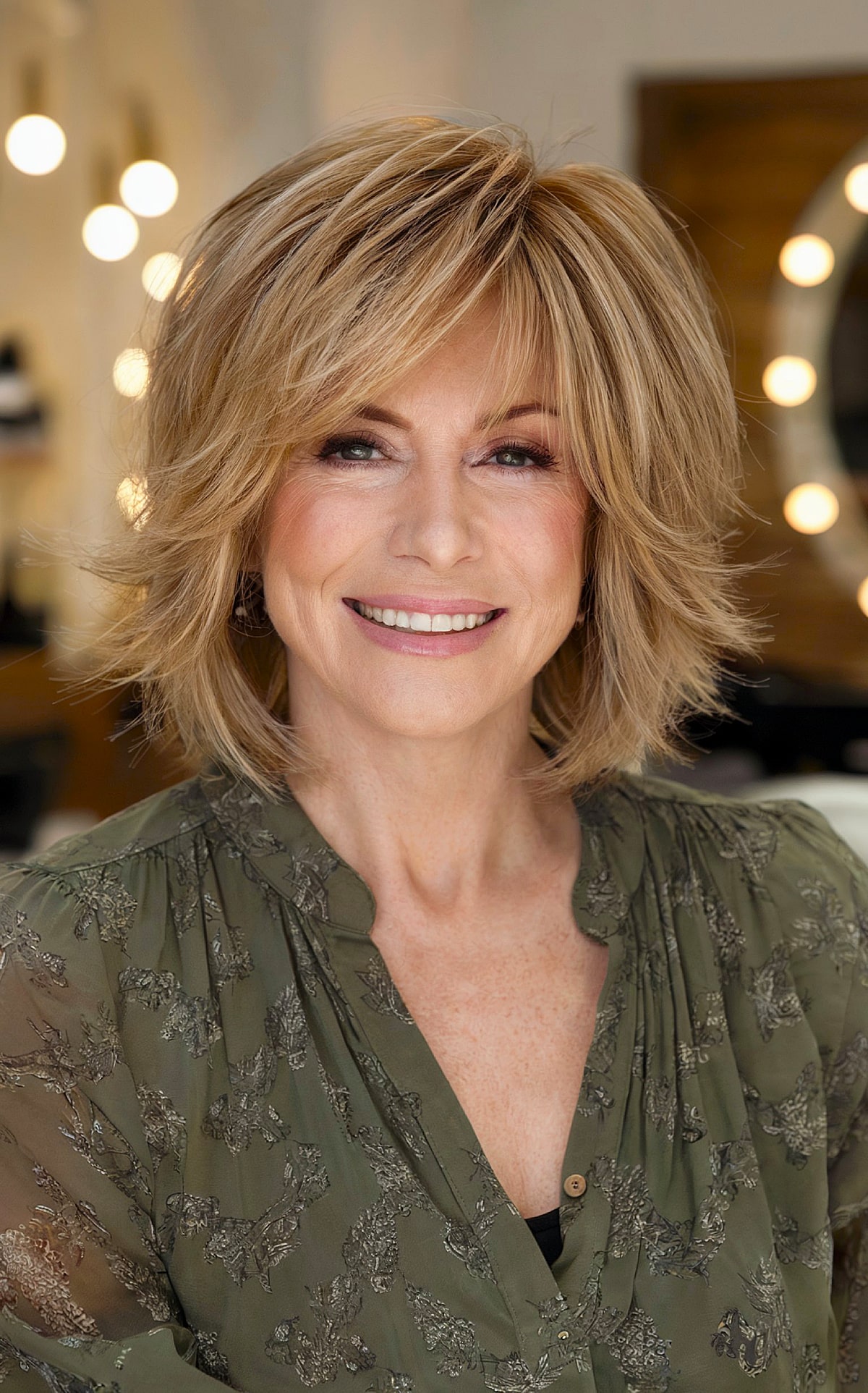
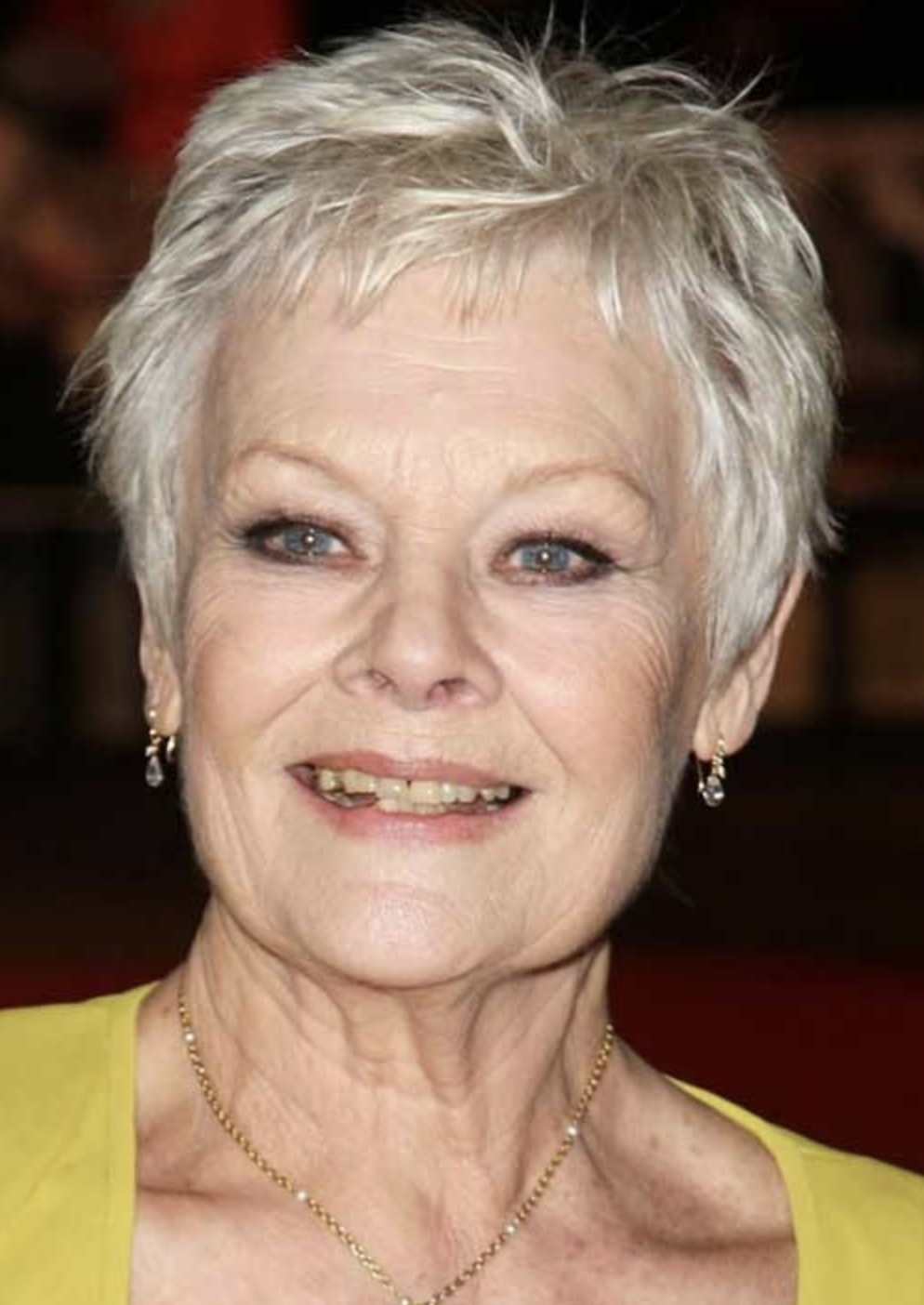
This style involves creating varying lengths of hair, giving the illusion of fullness and movement. Imagine a cascade of hair, with shorter strands gently blending into longer ones, creating depth and dimension. This technique can be adapted to suit a variety of hair textures and face shapes, from softly feathered layers for fine hair to more dramatic, textured layers for thicker hair.
Creating dimension and texture offers several advantages. It can remove bulk from thick hair, making it more manageable, while adding volume and body to finer hair types. This styling approach allows for greater versatility in styling, offering options ranging from sleek and straight to bouncy and curled. Historically, the technique has evolved from simple layering to more complex, personalized variations, reflecting changing fashion trends and individual preferences.
The following sections will explore various aspects of this versatile styling technique in more detail, including suitable face shapes, maintenance tips, and styling options for various hair textures.
1. Face Shape
Harmonizing a layered haircut with one’s face shape is essential for a flattering and balanced appearance. Careful consideration of facial contours allows for strategic layer placement that accentuates features and creates a proportionate silhouette. Understanding the interplay between face shape and layering techniques empowers informed decisions regarding style choices.
-
Oval
Characterized by balanced proportions, oval faces offer versatility in styling. Most layering styles complement this shape, allowing for experimentation with various lengths and textures. From soft, face-framing layers to more dramatic, textured cuts, the oval face shape generally harmonizes well with diverse layering techniques.
-
Round
Round faces benefit from layers that create the illusion of length and definition. Long, sweeping layers that fall below the chin can elongate the face, while textured layers around the crown add height and volume. Avoiding short, blunt cuts that accentuate roundness is key.
-
Square
Softening the angles of a square face often involves incorporating layers that frame the face and create movement. Soft, feathered layers around the jawline can minimize the appearance of strong angles, while longer layers contribute to a more fluid and less angular appearance.
-
Heart
Balancing the wider forehead and narrower chin of a heart-shaped face often requires layers that add fullness at the bottom and reduce volume at the top. Layers that start below the cheekbones can create width around the chin area, while avoiding excessive layering around the forehead maintains balance.
By analyzing facial features and understanding how different layer placements interact with various face shapes, individuals can select layered haircuts that enhance their natural beauty and create a harmonious overall look. A consultation with a stylist can further refine these choices and ensure a personalized and flattering outcome.
2. Hair Texture
Hair texture plays a crucial role in determining the suitability and outcome of layered haircuts for long hair. Understanding the interplay between texture and layering techniques is essential for achieving the desired look. This section explores how different hair textures interact with layering, influencing volume, movement, and overall style.
-
Fine Hair
Fine hair often lacks volume and can appear limp. Layering can create the illusion of fullness by strategically removing weight and allowing for more movement. However, excessive layering can further thin out the hair, so a balanced approach with subtle, blended layers is essential. Texturizing techniques can also add body and lift without compromising density.
-
Thick Hair
Thick hair can benefit from layering to reduce bulk and create manageability. More pronounced layers can remove weight and create shape, preventing the hair from appearing overly heavy or dense. Layering also allows for better air circulation and reduces drying time. The specific layering technique will depend on the desired outcome, ranging from soft, blended layers to more dramatic, textured cuts.
-
Curly Hair
Layering curly hair requires careful consideration of curl pattern and volume distribution. Layers can enhance the natural bounce and shape of curls, preventing a triangular or bulky appearance. Layering techniques should focus on shaping the curls and removing weight where needed, while preserving the overall integrity of the curl pattern. Dry cutting is often preferred to ensure accurate layer placement and avoid disrupting the natural curl formation.
-
Wavy Hair
Wavy hair offers versatility in styling, and layering can enhance the natural wave pattern and create movement. Layers can be used to create definition and separation, preventing the waves from appearing flat or undefined. The degree of layering depends on the desired level of wave enhancement, ranging from subtle, blended layers to more defined, textured layers.
By considering the specific characteristics of each hair texture, stylists can tailor layering techniques to create haircuts that complement individual hair types and achieve the desired aesthetic. Careful assessment of texture, combined with skilled layering, ensures a harmonious and flattering result.
3. Layer Placement
Layer placement is a pivotal element in layered haircuts for long hair, influencing the overall shape, volume, and movement of the style. Strategic placement of layers allows stylists to tailor the cut to individual hair characteristics and desired outcomes. Understanding the impact of layer placement is essential for achieving a balanced and flattering look.
-
High Layers
High layers, typically starting around the crown of the head, create volume and lift at the roots. This technique is often used for fine or thin hair to create the illusion of fullness. High layers can also add texture and movement to the top section of the hair, contributing to a more dynamic and voluminous style. However, excessive layering in this area can sometimes lead to a choppy or uneven appearance, requiring careful consideration of hair density and texture.
-
Mid Layers
Mid layers, starting below the crown and extending down towards the mid-lengths, create movement and shape through the body of the hair. This placement can remove bulk from thick hair, making it more manageable and creating a softer, more flowing silhouette. Mid layers can also enhance the natural wave or curl pattern in wavy or curly hair, adding definition and preventing a heavy or weighed-down appearance. The specific placement and length of mid layers can be adjusted to create various effects, from subtle movement to more pronounced texture.
-
Low Layers
Low layers, concentrated towards the ends of the hair, create movement and texture at the bottom of the style. This technique is often used to add subtle volume and prevent the ends from appearing thin or wispy. Low layers can also enhance the flow and movement of long hair, creating a more dynamic and less static look. This placement is particularly effective for those seeking to maintain length while adding texture and dimension to the lower portion of their hair.
-
Face-Framing Layers
Face-framing layers are strategically placed around the face to soften features and create a flattering frame. The length and angle of these layers can be customized to suit different face shapes and hair textures. Shorter, wispy layers around the face can create a soft and romantic look, while longer, sweeping layers can add drama and elegance. Face-framing layers can also be used to highlight specific facial features or create a more balanced and proportionate appearance.
The interplay between these different layer placements allows for a wide range of styling options and customization within layered haircuts for long hair. By strategically combining high, mid, low, and face-framing layers, stylists can create looks that enhance natural features, address specific hair concerns, and achieve the desired aesthetic. A thorough consultation with a stylist can determine the most appropriate layer placement strategy for individual needs and preferences.
4. Styling Options
Styling options expand significantly with layered long hair, offering versatility not typically achievable with a single-length cut. The varying lengths create texture and movement, providing a foundation for diverse looks. This interplay between cut and style is crucial; the layered structure dictates how the hair responds to different styling techniques. For example, long layers create graceful waves when curled, while shorter layers contribute to voluminous, textured styles. The layered cut itself facilitates the styling process, allowing for easier manipulation and hold.
Consider the impact of layering on styling choices. A layered cut allows for both sleek, straight styles and bouncy, curled looks, each showcasing the haircut’s dimension differently. Straightening layered hair emphasizes the varying lengths and creates a polished, sophisticated aesthetic. Curling, on the other hand, enhances volume and texture, resulting in a more dynamic and playful appearance. This adaptability allows individuals to tailor their look to various occasions and personal preferences. The choice of styling products also becomes more critical with layered hair; lightweight mousses and texturizing sprays enhance definition without weighing down the layers, while heavier products may create a more uniform, less layered effect.
Understanding the relationship between layering and styling options is fundamental to maximizing the potential of a layered haircut. This knowledge empowers individuals to achieve diverse looks, from casual to formal, and to adapt their style to suit different situations. Successfully navigating these options requires consideration of hair texture, layer placement, and the desired outcome. Effective styling techniques, coupled with appropriate product selection, ensure the layered haircut remains a versatile and dynamic element of personal style.
5. Maintenance
Maintaining layered haircuts for long hair requires consistent effort to preserve their shape and vibrancy. Regular trims are crucial for preventing split ends and maintaining the layered structure. The frequency of trims depends on individual hair growth rates and styling preferences, typically ranging from every 6-8 weeks for maintaining a precise shape to every 10-12 weeks for a more relaxed, grown-out look. Neglecting regular trims can lead to uneven layers, split ends, and a generally unkempt appearance, diminishing the intended aesthetic of the layered cut. For instance, allowing layers designed for volume to grow out excessively can result in flatness at the crown, while neglecting face-framing layers can lead to a less polished and balanced look.
Beyond trims, appropriate hair care practices are essential. Using quality shampoos and conditioners suited to one’s hair type helps maintain healthy and manageable hair. Deep conditioning treatments address dryness and damage, which can be particularly beneficial for layered hair, as the varying lengths can be more prone to environmental stressors. Regular brushing with a suitable brush type, such as a boar bristle brush for distributing natural oils, contributes to hair health and shine. Furthermore, minimizing heat styling and using heat protectant sprays when necessary helps prevent damage and maintain the integrity of the layered structure. For example, excessive heat styling can cause layered ends to appear frizzy and dry, detracting from the overall polished appearance of the haircut.
Consistent maintenance is an integral aspect of successfully sporting layered haircuts for long hair. Regular trims, appropriate hair care practices, and mindful styling choices collectively contribute to the longevity and aesthetic appeal of the layered look. Understanding the connection between maintenance and the desired outcome empowers individuals to preserve the shape, volume, and movement characteristic of layered haircuts, ensuring a consistently polished and vibrant appearance.
Layered Haircuts Long Hair
This exploration of layered haircuts for long hair has highlighted the multifaceted nature of this versatile styling technique. From the interplay between face shape and layer placement to the impact of hair texture on styling options, various factors contribute to the successful execution and maintenance of this popular cut. The analysis of layer placement, styling options, and maintenance requirements underscores the importance of a considered approach to achieving and preserving the desired aesthetic. Understanding the nuances of each element empowers informed decisions regarding style choices and long-term hair care.
Ultimately, the enduring appeal of layered haircuts for long hair lies in their adaptability and capacity for personalized expression. By considering the insights presented, individuals can navigate the complexities of this styling technique and unlock its full potential for enhancing natural beauty and achieving a dynamic and flattering look. Continued exploration of individual hair characteristics and styling preferences will further refine the approach to layered haircuts, ensuring a timeless and personalized style.