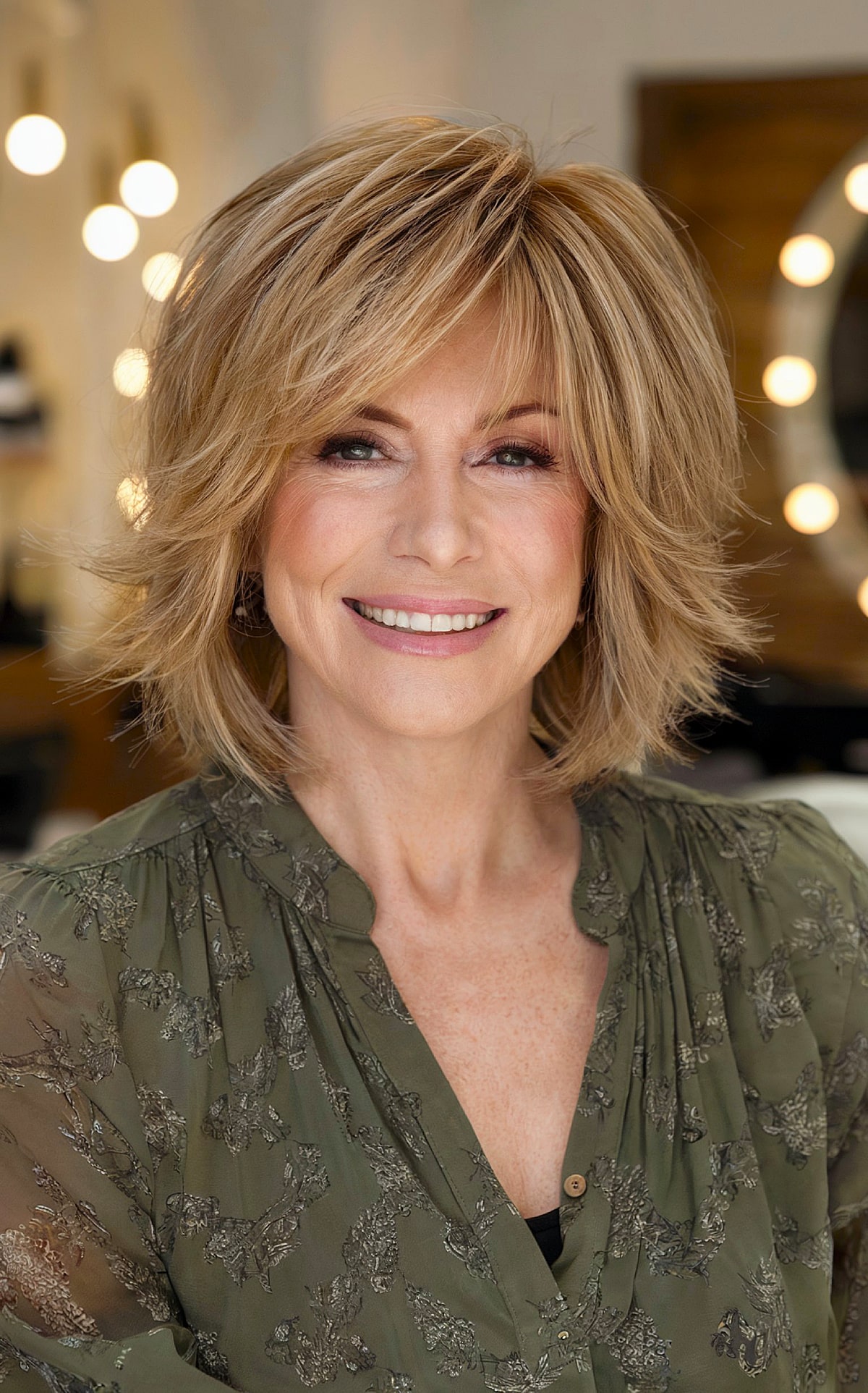
This hair coloring technique involves a light, yellowish base color interwoven with deeper reddish-brown strands. The darker hues add depth and dimension, creating a vibrant, dynamic appearance. Imagine a field of golden wheat subtly interspersed with crimson poppies this visual captures the essence of the effect.
The interplay of light and dark shades offers several advantages. It can add warmth and complexity to a complexion, making it appear more radiant. This technique also provides a gentler transition for those seeking a less dramatic shift from darker hair colors. Historically, the weaving of different shades into hair has signified status and individuality across various cultures, reflecting a continuous human desire for self-expression. This contemporary iteration offers a nuanced approach to achieving a personalized look.
This exploration of light and shadow in hair coloring opens doors to discussions on various topics. Understanding color theory, selecting the right shades for different skin tones, and maintaining vibrant color are key areas for further examination. Techniques for application, from subtle balayage to bold streaks, also warrant detailed consideration.
1. Base Blonde Shade
The foundation upon which the artistry of “blonde with red lowlights” rests is the base blonde shade. This foundational color determines the overall impression and significantly influences the interaction with the red lowlights. Selecting the appropriate base blonde is crucial for achieving the desired aesthetic.
-
Tone of the Blonde
Blonde hues range from cool-toned platinum and ash to warm-toned golden and honey. Cooler blondes tend to create a more dramatic contrast with red lowlights, while warmer blondes result in a softer, more blended effect. For instance, platinum blonde with burgundy lowlights delivers a striking, high-contrast look, whereas a honey blonde with copper lowlights offers a subtler, sun-kissed effect. The chosen tone significantly impacts the final result.
-
Level of Lift
The level of lift, referring to the degree of lightening from the natural hair color, also plays a vital role. A higher lift, resulting in a lighter blonde, provides a more pronounced canvas for the red lowlights. A lower lift, with less lightening, results in a more subdued interplay of colors. This consideration is essential, particularly when working with darker natural hair colors.
-
Underlying Pigment
Natural hair color contains underlying pigments that can influence the final blonde shade. These underlying pigments, often warm tones like gold or red, can affect how the lowlights appear. Addressing these underlying pigments through appropriate toning is critical for achieving the desired blonde base and ensuring the red lowlights appear as intended.
-
Hair Health
The health of the hair is paramount when lightening to a blonde base. Overly processed or damaged hair may not lift evenly or may be too fragile to handle the chemical processes involved. Ensuring the hair is in optimal condition prior to coloring is crucial for achieving a uniform base and preventing further damage. A healthy base ensures the color takes evenly and the red lowlights appear vibrant and true to tone.
Careful consideration of these facets of the base blonde shade is essential for successful execution of the “blonde with red lowlights” technique. The interplay between the chosen blonde and the red lowlights dictates the final aesthetic, impacting overall warmth, dimension, and visual impact. A well-chosen base allows the lowlights to enhance the overall color, creating a harmonious and visually appealing result.
2. Red Lowlight Tone
Red lowlights serve as the defining characteristic of this hair coloring technique. Their strategic placement and tonal variation significantly impact the overall aesthetic. The interplay between the blonde base and the red lowlights creates depth and dimension, transforming a flat, one-dimensional blonde into a vibrant, multi-tonal look. The choice of red tone dictates the overall warmth and intensity. A subtle copper hue adds a touch of warmth and dimension without overwhelming the blonde, while a vibrant cherry red creates a bold, dramatic contrast. Consider the difference between a sandy blonde with subtle strawberry blonde lowlights, creating a beachy, sun-kissed effect, and a platinum blonde with deep burgundy lowlights, resulting in a striking, high-fashion statement. The red lowlight tone dictates the final mood and style.
Several factors influence the selection of an appropriate red lowlight tone. Skin tone plays a critical role; warm skin tones generally harmonize with warmer reds like copper and auburn, while cool skin tones benefit from cooler reds like burgundy and mahogany. Eye color also contributes to the overall harmony. Green eyes are often enhanced by reddish-brown tones, while blue eyes can be complemented by vibrant cherry reds. The desired level of maintenance is another consideration. More vibrant reds tend to fade faster, requiring more frequent touch-ups. Understanding these factors allows for informed decisions, ensuring the chosen red lowlight tone complements the individual’s overall appearance and lifestyle.
In summary, the red lowlight tone forms the core of this hair coloring technique. Its careful selection is paramount for achieving the desired aesthetic, contributing warmth, dimension, and personality. Considering factors such as skin tone, eye color, and maintenance expectations allows for a tailored approach, resulting in a harmonious and impactful result. Mastering the art of red lowlight selection elevates this technique beyond a simple color treatment to a nuanced expression of personal style.
3. Application Technique
Application technique forms the bridge between color selection and the final realization of “blonde with red lowlights.” This critical step dictates how the red hues interact with the blonde base, influencing the overall dimension, intensity, and visual impact. The choice of technique depends on the desired outcome, ranging from subtle, sun-kissed highlights to bold, dramatic streaks. Understanding the nuances of each technique allows for precise control over color placement and saturation, ensuring a tailored result.
Several techniques commonly achieve the desired blend of blonde and red. Foiling involves isolating sections of hair and applying color within folded foils, allowing for precise placement and maximum lift. This technique is ideal for creating defined, high-contrast lowlights. Balayage, a freehand painting technique, delivers a more natural, blended effect, mimicking the way the sun naturally lightens hair. This technique is well-suited for creating soft, subtle lowlights. Hair painting, another freehand technique, offers increased control over color placement and saturation, allowing for customized blends and transitions. The selected technique dictates the level of precision and the final distribution of the red lowlights within the blonde hair. For instance, strategically placed foils can create a dimensional effect around the face, while balayage can add natural-looking warmth throughout the hair. Choosing the appropriate application technique is crucial for achieving the desired aesthetic.
Mastery of application techniques empowers the stylist to transform hair color into an art form. Precise color placement, tailored to the individual’s features and desired look, enhances natural beauty and creates a personalized expression. Skillful application not only ensures a visually stunning result but also contributes to the overall health and integrity of the hair. By minimizing overlapping color applications and utilizing appropriate developer strengths, the stylist protects the hair from unnecessary damage. A deep understanding of application techniques is fundamental to achieving a successful and sustainable “blonde with red lowlights” outcome.
Conclusion
This exploration of the “blonde with red lowlights” technique has illuminated its key components: the base blonde shade, the red lowlight tone, and the application technique. Each element plays a crucial role in the final outcome, influencing the overall warmth, dimension, and visual impact. Careful consideration of these factors, from the underlying pigments in the base blonde to the strategic placement of the red lowlights, is essential for achieving a harmonious and personalized result. The interplay of these elements transforms this technique from a simple color treatment into a nuanced expression of individual style.
Achieving a successful “blonde with red lowlights” look requires a deep understanding of color theory, technical expertise, and artistic vision. Continued exploration of these facets will further refine the artistry of this technique, pushing the boundaries of hair color and empowering individuals to express their unique personalities through the dynamic interplay of blonde and red. The potential for creative expression within this technique remains vast, offering endless possibilities for personalized beauty.