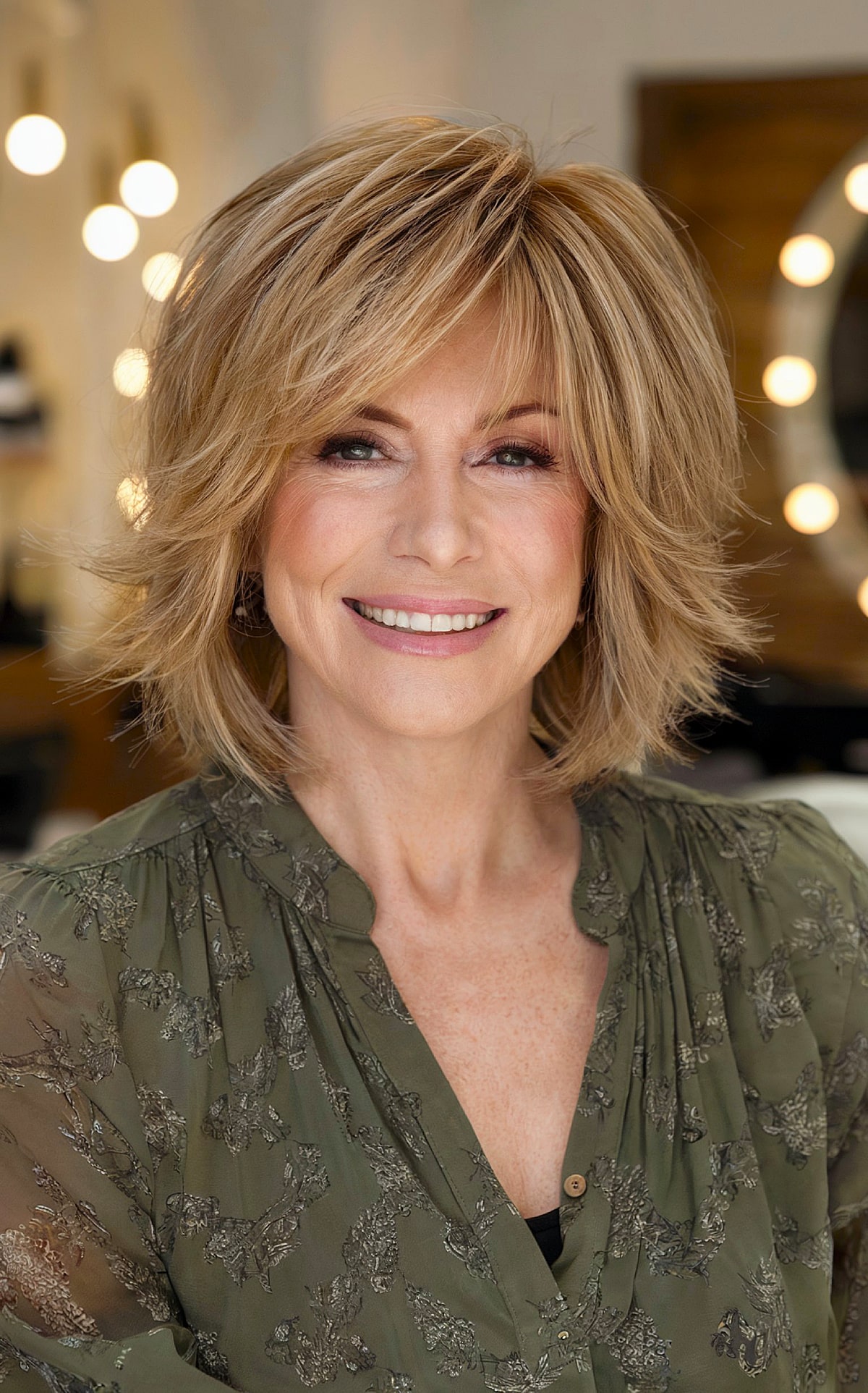
This hairstyle combines a chin- to shoulder-grazing cut with shaved sections underneath, typically at the nape of the neck or sides. Variations can include a disconnected undercut, where the shaved portion is clearly distinct from the longer hair, or a blended undercut, creating a more seamless transition. The style often features a stacked back for added volume and texture.
The versatility of this cut allows for personalized styling. It offers a balance between the boldness of a short cut and the femininity of longer hair. The shaved sections can be subtle or dramatic, catering to different levels of edginess. This adaptability makes it suitable for diverse hair textures and face shapes, offering a contemporary and stylish look. Historically, undercuts have been associated with subcultures and rebellion, but have more recently evolved into a mainstream trend embraced for its chic and edgy appeal.
This article will delve into the intricacies of achieving and maintaining this popular style, explore variations suitable for different face shapes and hair types, and provide guidance on styling techniques to maximize its potential.
1. Length
Length is a defining characteristic of this hairstyle, directly influencing its overall appearance and suitability for different individuals. The “medium” designation typically refers to hair that falls between the chin and shoulders. This range offers a balance between the manageability of shorter hair and the styling versatility of longer lengths. Choosing the precise length within this spectrum depends on factors such as face shape, hair texture, and desired aesthetic. A shorter, chin-grazing length can accentuate bone structure and create a sharper look, while a longer, shoulder-length version offers a softer, more flowing silhouette. For instance, individuals with rounder faces might opt for a longer length to create a more elongated appearance, while those with longer faces might prefer a shorter length to add fullness.
The interplay between the length of the bob and the undercut is crucial. A shorter bob combined with a prominent undercut creates a bolder, more dramatic contrast, while a longer bob with a subtle undercut offers a more understated and versatile look. The length also impacts styling options. Shorter lengths lend themselves well to sleek, straight styles, while longer lengths offer the possibility of waves, curls, and updos, despite the undercut. This adaptability makes the medium-length undercut bob a versatile choice for various occasions and personal styles. For fine hair, a slightly shorter length can create the illusion of volume, especially when paired with a stacked back. Conversely, thicker hair may benefit from a slightly longer length to manage weight and avoid excessive volume.
Careful consideration of length is essential for achieving a harmonious balance between the undercut and the overall silhouette. Understanding the impact of length on styling options and face-framing allows for informed decisions that maximize the potential of this versatile haircut. It allows for a personalized approach, ensuring the final result complements individual features and desired aesthetics, rather than simply following a trend.
2. Undercut Placement
Undercut placement significantly impacts the overall aesthetic of a medium-length bob. The location of the shaved section determines the visual emphasis and can create diverse effects ranging from subtle edginess to bold statements. Common placements include the nape of the neck, the sides, or a combination of both. Each location offers distinct advantages and influences how the style interacts with individual face shapes and hair textures.
A nape undercut, located at the back of the head, offers a discreet way to incorporate an edgy element. This placement is often preferred by those seeking a less dramatic change or those with finer hair, as it can create the illusion of volume at the crown. It works well with various styling options, allowing the longer hair to conceal the undercut for professional settings or reveal it with updos for a more daring look. Side undercuts, shaved along the temples, offer a bolder aesthetic. This placement can accentuate cheekbones and add a touch of asymmetry. It pairs well with side-swept styles and can be particularly flattering for those with round or square face shapes. The extent of the side undercut, from a small section to a fully shaved side, further customizes the look. Combining nape and side undercuts results in the most dramatic effect. This placement removes a significant portion of hair, creating a strong contrast between the remaining length and the shaved sections. This choice requires confidence and works well for those seeking a truly edgy and alternative style.
Careful consideration of undercut placement ensures the desired outcome. Factors such as face shape, hair texture, and lifestyle should influence the decision. A consultation with a stylist is highly recommended to determine the most flattering and suitable placement for individual needs. This collaborative approach ensures a tailored result that maximizes the style’s potential and reflects personal preferences while accounting for practical considerations.
3. Hair Texture
Hair texture plays a crucial role in the success and overall appearance of a medium-length undercut bob. This hairstyle requires careful consideration of texture to ensure the cut complements natural hair characteristics and achieves the desired styling outcome. Different textures, ranging from fine and straight to thick and curly, interact with the undercut and layered bob in unique ways, influencing volume, movement, and ease of styling. Understanding these interactions is essential for both stylists and individuals considering this cut.
Fine hair, often lacking volume, can benefit significantly from a medium-length undercut bob. The undercut removes weight, allowing the remaining hair to appear fuller and more voluminous. A stacked back further enhances this effect, creating lift at the crown. However, excessive layering should be avoided, as it can diminish volume and result in a thin, wispy appearance. Straight, fine hair showcases the sharp lines and angles of the cut effectively, while wavy or slightly curly fine hair adds texture and movement. For those with fine hair, styling products that add volume and texture, such as mousses and texturizing sprays, can be beneficial.
Thick hair presents a different set of considerations. The weight of thick hair can make achieving the desired shape and movement challenging. The undercut helps reduce bulk and allows for better control, particularly when combined with strategically placed layers. However, over-layering can lead to excessive volume and a triangular silhouette, which may not be desirable. For those with thick, straight hair, the undercut can add definition and prevent the style from appearing too heavy. Those with thick, curly or coily hair may find that the undercut adds shape and manageability, but specialized cutting techniques are essential to ensure the curls fall correctly and complement the overall silhouette. Smoothing products and regular deep conditioning treatments can help manage thickness and enhance shine.
Ultimately, the interplay between hair texture and the medium-length undercut bob determines the final result. Careful consideration of texture is vital for ensuring the cut complements natural hair characteristics and achieves the desired aesthetic. Consulting with an experienced stylist is crucial for determining the appropriate layering, undercut placement, and styling techniques for individual hair textures. This personalized approach maximizes the style’s potential and ensures a flattering and manageable outcome.
4. Styling Options
Styling options are integral to the versatility of the medium-length undercut bob. This cut offers a wide range of styling possibilities, from sleek and polished to textured and edgy, allowing individuals to adapt their look to various occasions and personal preferences. The interplay between the longer bob and the shaved undercut creates a dynamic canvas for experimentation, enhancing the overall impact and adaptability of the style.
Sleek and straight styling emphasizes the clean lines and sharp angles of the cut. This approach highlights the contrast between the longer hair and the undercut, creating a polished and sophisticated appearance. Achieving this look typically involves the use of straightening tools and smoothing products. A side part can further enhance the asymmetry and draw attention to facial features. Conversely, textured styling, using techniques like braiding, twisting, or curling, adds volume and movement. This approach softens the overall look and creates a more casual, tousled aesthetic. Texturizing products, such as sea salt sprays or mousses, enhance the effect and provide hold. This styling option works particularly well with wavy or curly hair, accentuating the natural texture and creating a dynamic interplay with the undercut. Updos, such as messy buns or top knots, offer another dimension to styling. These styles showcase the undercut prominently, creating a bold and edgy statement. They are particularly effective with nape undercuts, as the shaved section becomes a focal point. The remaining longer hair can be styled in various ways, from sleek and tight to loose and textured, further enhancing the versatility.
The adaptability of the medium-length undercut bob extends to various hair accessories. Headbands, hair clips, and scarves can be used to complement the style and add personality. These accessories can further emphasize the contrast between the longer hair and the undercut, creating visual interest and allowing for further customization. Successfully navigating the diverse styling options requires an understanding of hair texture, face shape, and the desired aesthetic. Consultation with a stylist can provide valuable insights into suitable techniques and product recommendations. This collaborative approach empowers individuals to explore the full potential of the medium-length undercut bob and achieve a personalized look that reflects individual style and complements natural features.
5. Face Shape Suitability
Face shape suitability is a critical factor in determining whether a medium-length undercut bob will be flattering. This hairstyle’s versatility allows for adaptations to complement a variety of face shapes, but careful consideration of proportions and angles is essential. Understanding how this cut interacts with different facial structures ensures a harmonious and balanced result, maximizing its aesthetic potential.
-
Oval Faces
Oval faces are generally considered well-suited to a wide range of hairstyles, and the medium-length undercut bob is no exception. The balanced proportions of an oval face allow for experimentation with various lengths and undercut placements. A nape undercut can add subtle edginess without disrupting the overall harmony, while side undercuts can accentuate cheekbones. The length can vary from chin-grazing to shoulder-length, depending on personal preference.
-
Round Faces
For round faces, the goal is often to create the illusion of length and definition. A medium-length undercut bob can achieve this by incorporating elements that visually elongate the face. A longer bob, grazing the shoulders or just below, combined with a deep side part and side-swept bangs, can create vertical lines and minimize roundness. A nape undercut can further contribute to this effect by adding volume at the crown, drawing the eye upwards. Avoiding chin-length bobs is generally recommended, as they can accentuate the roundness.
-
Square Faces
Square faces benefit from hairstyles that soften the angles of the jawline. A medium-length undercut bob can achieve this by incorporating soft layers and textures. A side undercut can soften the jawline and create a more rounded appearance. A longer bob length, with soft waves or curls, further enhances this effect. Avoiding blunt, chin-length bobs is advisable, as they can emphasize the angular features.
-
Long Faces
Long faces require hairstyles that add fullness and width. A medium-length undercut bob can be adapted to achieve this by focusing on volume and texture. A chin-length or slightly longer bob can add fullness around the face. A subtle undercut can contribute to volume without creating excessive height. Waves or curls add width and soften the overall appearance. Avoiding overly long bobs is recommended, as they can further elongate the face.
Harmonizing the medium-length undercut bob with individual face shapes requires a personalized approach. While these guidelines provide a starting point, consulting with a skilled stylist is essential. A stylist can assess facial features, hair texture, and personal preferences to determine the most flattering length, undercut placement, and styling techniques. This collaborative approach ensures a tailored result that maximizes the style’s potential and complements individual features, resulting in a harmonious and aesthetically pleasing outcome.
Conclusion
This exploration of the medium-length undercut bob has highlighted its versatility and adaptability. Key elements such as length, undercut placement, hair texture, styling options, and face shape suitability contribute to the personalized nature of this contemporary style. The interplay of these factors allows for a tailored approach, transforming the cut from a simple trend into a personalized statement.
The medium-length undercut bob offers a unique blend of edgy sophistication and adaptable femininity. Careful consideration of individual characteristics and styling preferences allows this dynamic cut to enhance natural features and express personal style. Its enduring appeal lies in its capacity for transformation and its ability to empower individuals to embrace a bold yet versatile aesthetic.