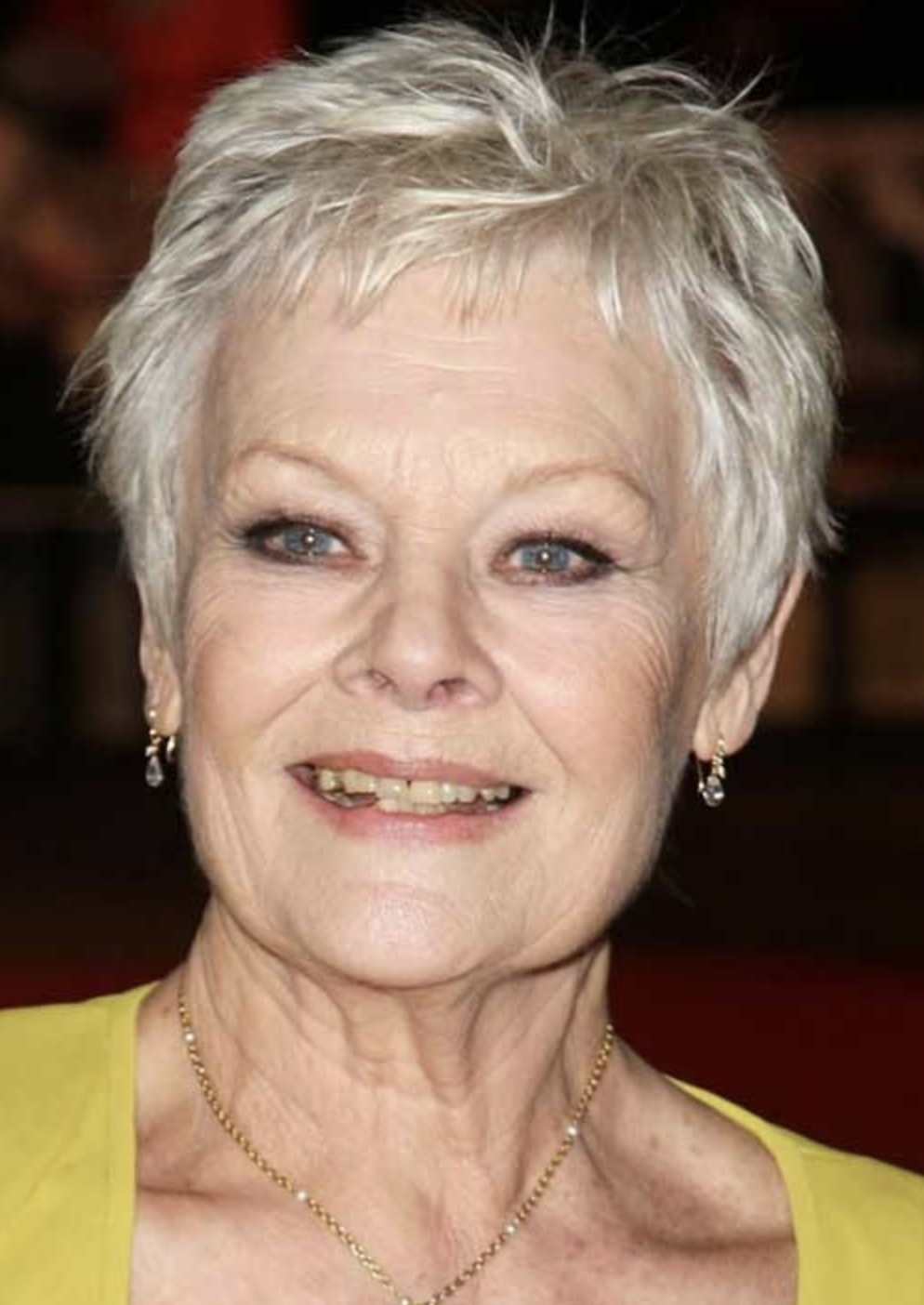
This hairstyle combines a chin-length or shorter blunt cut with a section of hair cut to frame the forehead. Variations exist in the exact length of the cut, the bluntness of the ends, and the style of the forehead hair from a full, heavy fringe to a wispy, textured one. Imagine a sleek, sharp cut that accentuates the jawline, softened by face-framing layers.
A cropped cut with bangs offers versatility and a timeless appeal, suiting various face shapes and hair textures. It can project a chic, modern image, or a more classic, vintage vibe depending on styling choices. Historically, similar styles have cycled in and out of fashion for decades, demonstrating their enduring popularity. This cut can be a low-maintenance option, requiring less styling time than longer hairstyles, while still providing opportunities for personalization.
This exploration will delve further into styling options, suitability for different face shapes, and advice on maintenance and care for those considering this chic and adaptable look.
1. Face Shape Suitability
Determining face shape suitability is crucial for maximizing the flattering potential of a short bob and fringe combination. Different fringe styles and bob lengths interact with facial features in specific ways, creating the illusion of balance and harmony. A well-chosen cut can soften angular features, lengthen a round face, or emphasize a strong jawline. For instance, a long, side-swept fringe can create a slimming effect on a round face, while a blunt, straight fringe can accentuate the cheekbones of an oval face. Ignoring face shape can result in a hairstyle that appears disproportionate or unflattering, highlighting features one might prefer to downplay.
Careful consideration of forehead height and hairline is also essential. A high forehead can benefit from a fuller fringe, while a low forehead might suit a shorter, wispier style. Individuals with prominent foreheads might prefer a longer fringe to create balance, while those with shorter foreheads might opt for a subtler fringe to avoid overwhelming their features. Consultation with a stylist experienced in assessing face shapes can provide personalized guidance and ensure the chosen style complements individual features effectively. A skilled stylist can analyze facial contours and recommend appropriate fringe lengths and bob angles to achieve the desired aesthetic.
Ultimately, understanding the interplay between face shape and this particular hairstyle empowers individuals to make informed decisions. Recognizing the impact of different fringe styles and bob lengths allows for a personalized approach, leading to a look that enhances natural features and reflects individual style preferences. This knowledge translates into a more confident and flattering appearance, demonstrating the practical significance of considering face shape suitability when choosing this hairstyle.
2. Hair Texture
Hair texture significantly influences the suitability and outcome of a short bob and fringe hairstyle. Texture, encompassing thickness, density, and natural wave or curl pattern, dictates how the cut will lie, its volume, and the styling approaches required. Fine hair, for example, may appear limp and lack body with a blunt bob, while a layered or textured bob can create the illusion of fullness. Conversely, thick hair may appear overly voluminous or difficult to manage with a short bob unless strategically thinned or texturized. Matching the cutting technique to the natural texture is paramount for achieving a desirable result.
Straight hair offers a sleek, sharp finish with a blunt bob and fringe, showcasing precise lines and angles. Wavy hair can create a softer, more textured look, lending itself well to a choppy bob and a wispy fringe. Curly hair presents unique challenges, requiring careful consideration of shrinkage and potential frizz. A layered bob can help control volume and define curls, while a fringe may require specific styling techniques or may not be suitable for all curl patterns. Understanding the interplay between hair texture and styling techniques allows for informed decisions and realistic expectations.
Successfully navigating the relationship between hair texture and this hairstyle hinges on an accurate assessment of one’s natural hair characteristics. Choosing a style that complements, rather than fights against, natural texture simplifies styling and maintenance. Consultation with a skilled stylist is invaluable for determining the best approach for individual hair textures. A thorough consultation can address potential challenges, such as frizz control or volume management, and lead to a tailored cut that enhances natural texture while achieving the desired aesthetic. This understanding leads to a more harmonious and manageable outcome, maximizing the potential of the short bob and fringe combination.
3. Styling Variations
The versatility of the short bob and fringe combination lies in its adaptability to various styling techniques. Different approaches can dramatically alter the overall impression, offering opportunities for personalized expression and adaptation to diverse occasions. Understanding these variations allows individuals to maximize the style’s potential and achieve a range of looks, from classic to contemporary.
-
Texture
Texture plays a significant role in defining the overall aesthetic. A sleek, straight style projects a polished, sophisticated image, ideal for professional settings or formal events. Achieved using straightening tools and smoothing products, this look emphasizes the clean lines of the cut. Conversely, a tousled, textured style, created with texturizing sprays or curling irons, conveys a more relaxed, casual vibe, suitable for everyday wear or social gatherings. The choice between smooth and textured styling significantly impacts the overall impression, allowing for adaptability and personalized expression.
-
Parting
The parting can subtly yet significantly alter the look. A center part creates symmetry and balance, emphasizing facial features evenly. A side part introduces asymmetry, adding volume and movement, and can soften facial features or create a more dynamic silhouette. Experimenting with different parting positions allows for customization and adaptation to different face shapes and styling preferences. This simple change can dramatically shift the visual balance and overall impression of the hairstyle.
-
Fringe Styling
Fringe styling offers further opportunities for variation. A straight, blunt fringe creates a bold, modern statement, while a side-swept fringe offers a softer, more romantic look. Curling the fringe under adds a retro touch, whereas a piecey, textured fringe lends a contemporary edge. The fringe can be styled to complement the overall look or serve as a focal point, adding depth and dimension to the hairstyle. Its versatility allows for nuanced adjustments that align with individual preferences and desired aesthetics.
-
Accessories
Accessories can further enhance and personalize the style. Headbands, clips, and barrettes add visual interest and can be used to create different looks, from casual to elegant. These additions provide opportunities for self-expression and allow the hairstyle to be adapted to various occasions and outfits. A simple accessory can transform the overall impression, adding a touch of personality or sophistication.
By understanding and utilizing these styling variations, individuals can transform the short bob and fringe from a classic cut into a versatile and dynamic element of personal style. The ability to adapt the look through texture, parting, fringe manipulation, and accessories ensures its relevance across diverse settings and occasions, solidifying its position as a timeless and adaptable hairstyle.
4. Maintenance Requirements
Maintaining a short bob and fringe requires consistent effort to preserve its shape and appearance. Regular trims are essential due to the shorter length; any hair growth quickly alters the overall silhouette and can cause the fringe to obscure vision. The frequency of trims depends on individual hair growth rates, but typically, a trim every 4-6 weeks is recommended to maintain the desired shape. Neglecting regular trims leads to a loss of definition and can make the style appear unkempt. For instance, a blunt bob loses its sharp edges, and a fringe becomes overgrown and uneven, detracting from the intended aesthetic.
Beyond trims, daily styling is often necessary to achieve the desired look. Straightening or curling, depending on the chosen style, and product application for texture or hold contribute to the overall finish. The specific styling requirements depend on hair texture and the chosen variation of the cut. Those with naturally wavy or curly hair might require more time and product to achieve a straight style, while those with straight hair might need texturizing products to create volume and movement. Failure to style appropriately can result in a flat, lifeless appearance or an unruly, unmanageable one, diminishing the impact of the cut.
In summary, the short bob and fringe demands a commitment to upkeep. Regular professional trims are crucial for shape retention, while daily styling contributes to achieving the desired look and managing hair texture. This understanding of the maintenance requirements empowers individuals to make informed decisions about whether this hairstyle aligns with their lifestyle and available time for upkeep. While the short bob and fringe offers versatility and style, its maintenance needs must be factored into the decision-making process to ensure long-term satisfaction with the chosen look.
Short Bob and Fringe
This exploration has delved into the multifaceted nature of the short bob and fringe hairstyle, examining its versatility and enduring appeal. Key factors such as face shape suitability, hair texture considerations, styling variations, and maintenance requirements have been thoroughly addressed. Understanding the interplay of these elements is crucial for achieving a successful and flattering outcome. A well-chosen variation of this classic style can enhance facial features, complement natural hair texture, and project a range of stylistic impressions, from classic elegance to modern chic. However, the commitment to regular maintenance, including frequent trims and daily styling, should be carefully considered before adopting this look.
Ultimately, the short bob and fringe remains a timeless choice for those seeking a versatile and stylish cut. Its adaptability to diverse face shapes, hair textures, and styling preferences ensures its continued relevance in the ever-evolving landscape of hairstyling. Careful consideration of the factors discussed herein empowers individuals to make informed decisions and embark on this stylistic journey with realistic expectations and the knowledge necessary to achieve a truly personalized and flattering result.