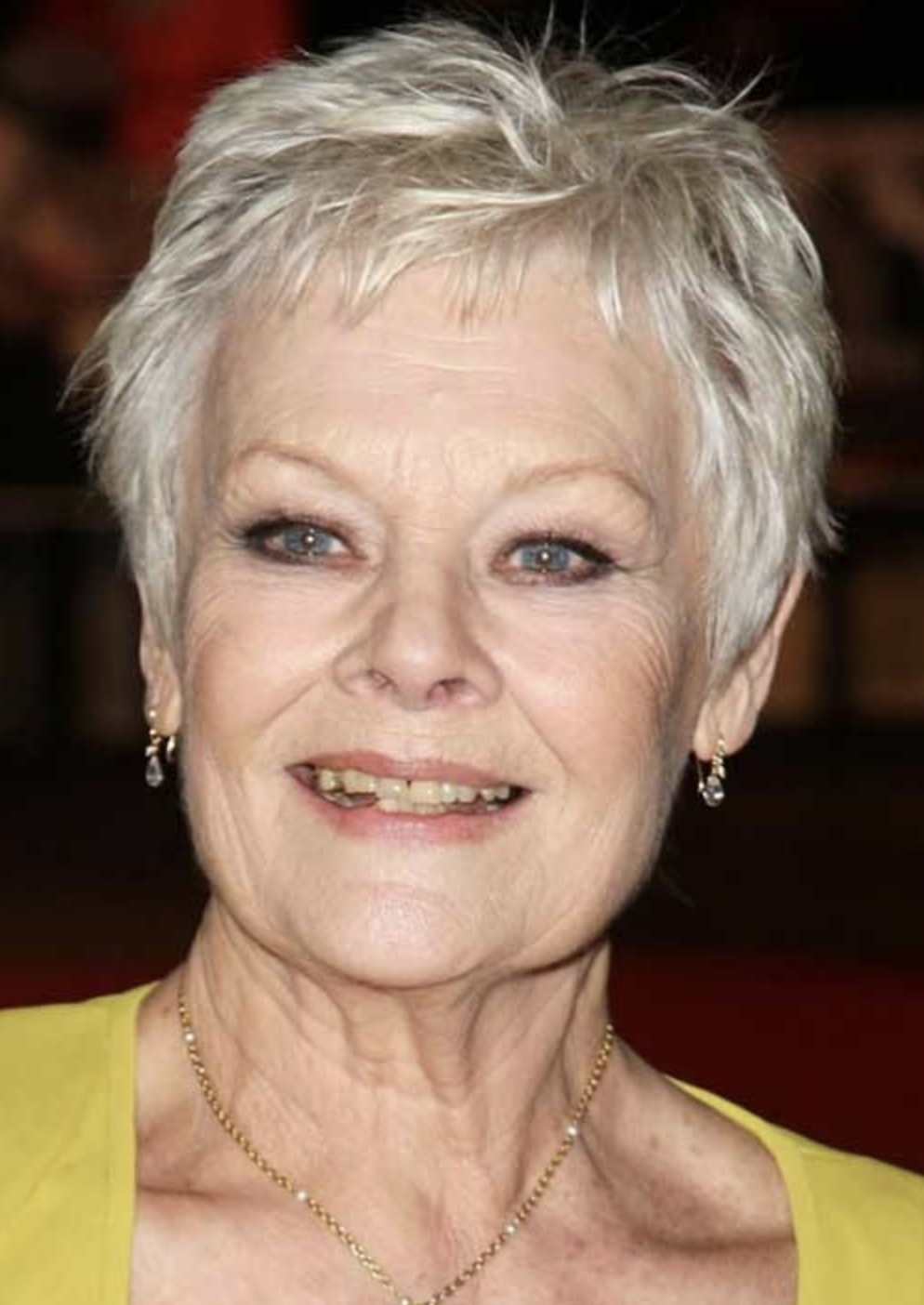
This style features layers and texture, creating a tousled, voluminous look that can range from subtly textured to deliberately messy. Typically, the length falls above the shoulders, often grazing the nape of the neck or reaching the chin. Variations include the pixie shag, the bixie, and the bob shag, each offering a unique silhouette.
Layered, textured styles offer versatility and adaptability for various face shapes and hair types. They can add volume to fine hair, control thickness in coarser hair, and soften facial features. The low-maintenance nature of these cuts contributes to their ongoing popularity, and their contemporary iterations reflect a lineage tracing back to the rock-and-roll era. Their resurgence highlights a preference for effortless, chic aesthetics.
Further exploration will cover topics such as styling techniques, product recommendations, and selecting the right variation for individual face shapes and hair textures.
1. Layered Cuts
Layering forms the foundation of short, shaggy hairstyles, contributing significantly to their characteristic texture, volume, and movement. Understanding the nuances of layering techniques is essential for achieving the desired outcome and tailoring the cut to individual hair types and face shapes. This section explores the key facets of layering within the context of these styles.
-
Layer Length and Distribution
The length and distribution of layers dictate the overall silhouette and movement of the style. Shorter, choppier layers concentrated around the crown create height and volume, ideal for finer hair or rounder face shapes. Longer, softer layers distributed throughout the cut contribute to a more flowing, textured look, suitable for thicker hair or those seeking to soften angular features. For instance, heavily layered crown sections paired with longer face-framing pieces can create a dynamic, balanced look.
-
Layering Techniques
Various techniques achieve different layering effects. Point cutting creates texture and removes weight, while slide cutting produces a softer, more blended finish. Razor cutting adds a distinct edginess and separation. The choice of technique impacts the overall aesthetic, from a softly tousled look to a more defined, piece-y texture. A stylist might employ point cutting to create a textured pixie shag, while slide cutting could be used for a smoother bixie.
-
Face-Framing Layers
Strategically placed layers around the face can enhance facial features and create a flattering frame. These layers can soften the jawline, accentuate cheekbones, or minimize the forehead. The length and angle of these layers are crucial for achieving the desired effect. Longer, sweeping layers can create a more elongated look, while shorter, choppy layers can add a playful touch. For example, face-framing layers that start at the cheekbones can accentuate and lift the face.
-
Layer Integration with Hair Texture
The effectiveness of layering depends heavily on the natural texture of the hair. Curly or wavy hair responds differently to layering than straight hair. Understanding how layers interact with natural texture allows for a cut that enhances and complements the hair’s inherent qualities. For curly hair, layers can help control volume and shape, while for straight hair, they add movement and prevent the style from appearing flat. Layering fine, straight hair may require different techniques compared to layering thick, wavy hair.
By considering these facets of layering, individuals can collaborate with stylists to achieve a personalized short, shaggy hairstyle that complements their unique features and hair characteristics. The interplay of layer length, distribution, technique, and integration with natural texture ultimately determines the final look and its suitability for the individual.
2. Textured Styles
Texture is paramount in achieving the signature look of short, shaggy haircuts. It provides the visual interest, movement, and volume essential for these styles. Without texture, the layered cut could appear flat and lack the dynamic, tousled effect that defines the shag. Texturizing techniques, applied strategically during the cutting process, create separation and definition within the layers. This allows for styling versatility, ranging from a subtly tousled look to a more deliberately piece-y, undone finish. Consider the difference between a blunt bob and a textured shag bob. The former lies flat and uniform, while the latter exhibits dimension and movement due to the incorporation of texture.
Several techniques contribute to creating texture. Point cutting removes weight and creates a feathered effect, enhancing movement and separation at the ends. Razor cutting produces a more distinct, edgy texture, ideal for those seeking a bolder look. Slide cutting softens the ends and blends layers seamlessly, resulting in a more subtle texture. The choice of technique depends on the desired outcome and the individual’s hair type. Fine hair might benefit from point cutting to create the illusion of volume, while thicker hair could handle the bolder texture achieved through razor cutting. For example, a stylist might use razor cutting on thick hair to create a heavily textured pixie shag, while employing point cutting on fine hair for a softer, more voluminous shag bob.
Understanding the relationship between texture and short, shaggy haircuts empowers individuals to communicate effectively with stylists and achieve their desired look. Texture is not merely a styling technique but an integral component of the cut itself. Recognizing the nuances of various texturizing methods allows for a more informed approach to styling and maintenance. Ultimately, skillful texturization transforms a layered cut into a truly dynamic and personalized short, shaggy hairstyle.
3. Short Length
The “short” in “short shaggy haircuts women” is a defining characteristic, significantly impacting the overall aesthetic and practicality of the style. Length considerations are crucial in determining the specific type of shaggy cut, its suitability for different face shapes and lifestyles, and its overall impact. This section explores the multifaceted relationship between length and this popular hairstyle.
-
Defining “Short”
In the context of shaggy haircuts, “short” typically refers to hair that falls above the shoulders. However, the precise length can vary considerably, ranging from extremely short pixie cuts to chin-length bobs. Understanding this spectrum allows for a more nuanced approach to selecting the ideal length for individual preferences and features. For instance, a very short, textured pixie might suit someone with delicate features, while a longer, shaggier bob could complement a stronger jawline.
-
Impact on Silhouette and Style
The chosen length dramatically influences the overall silhouette and style of the cut. A shorter length emphasizes the neck and jawline, creating a more edgy and androgynous look. Conversely, a slightly longer length can soften the features and offer a more feminine and versatile aesthetic. The difference between a short, textured pixie and a chin-length shag bob exemplifies this contrast in silhouette and style.
-
Maintenance and Lifestyle
Short lengths often translate to lower maintenance and easier styling. This makes them a practical choice for busy lifestyles or those who prefer a wash-and-go approach to hair care. Shorter shaggy cuts typically require less styling time and product compared to longer hairstyles, contributing to their popularity. For example, a short pixie shag can be styled quickly with a texturizing product, while longer hair might require more elaborate styling techniques.
-
Adaptability to Face Shapes and Hair Types
Different short lengths complement various face shapes and hair types. A short, layered pixie can add volume to fine hair and balance a round face, while a longer, shaggy bob might suit someone with thicker hair and a more oval or square face shape. Understanding these relationships is crucial for choosing a length that harmonizes with individual features and hair characteristics. Consulting with a stylist can help determine the most flattering length based on these factors.
The interplay between length, texture, and layering in short shaggy haircuts creates a versatile and adaptable style. Carefully considering the “short” element allows for a personalized look that complements individual features, lifestyles, and preferences. By understanding the nuances of length within this hairstyle category, individuals can achieve a look that is both stylish and practical.
4. Feminine Appeal
While “shaggy” might evoke a sense of undone effortlessness, its application in short haircuts for women retains a distinct feminine appeal. This perceived femininity arises from a complex interplay of factors, including the careful shaping and layering of the cut, the strategic use of texture to soften features, and the overall silhouette created. A well-executed short shaggy haircut does not simply embrace a haphazardly tousled appearance; rather, it employs controlled chaos to enhance and celebrate traditionally feminine features. Consider the contrast between a roughly chopped, unisex short cut and a layered, textured pixie shag. The latter, despite its shorter length and textured styling, retains a softer, more feminine aesthetic due to the considered shaping around the face and the strategic placement of layers.
The adaptability of the short shaggy haircut further contributes to its feminine appeal. It can be tailored to complement a variety of facial features and hair textures, allowing for personalized expressions of femininity. A soft, layered shag bob with gentle waves can evoke a romantic, bohemian vibe, while a more sharply textured pixie shag projects a sense of confidence and edgy sophistication. This versatility expands the definition of feminine appeal beyond traditional notions of long, flowing hair. For instance, a woman with strong features might choose a short, textured shag to soften her appearance while maintaining a sense of boldness, demonstrating how the style can be both strong and feminine simultaneously.
Understanding the connection between feminine appeal and short shaggy haircuts empowers individuals to embrace a style that reflects their personality and aesthetic preferences. It highlights the importance of skilled execution and personalized tailoring in achieving a look that is both fashionable and flattering. The ability to balance effortlessness with carefully crafted texture and shape is key to harnessing the full potential of the short shaggy haircut and its inherent feminine appeal. The continued popularity of these styles underscores their ability to evolve and adapt to contemporary interpretations of femininity, offering a versatile canvas for self-expression.
Short Shaggy Haircuts Women
This exploration has delved into the multifaceted nature of short, shaggy haircuts for women, examining the interplay of layered cuts, textured styles, short lengths, and feminine appeal. Layering creates the foundational structure, providing volume and movement. Texturizing techniques, ranging from point cutting to razor cutting, amplify this effect, generating dynamic, visually interesting styles. The “short” element offers both practicality and stylistic impact, influencing the overall silhouette and suitability for various face shapes and lifestyles. Despite the deliberately tousled aesthetic, these haircuts retain a distinct feminine appeal through careful shaping, strategic texturization, and adaptability to individual features. Understanding these interconnected elements provides a comprehensive perspective on the nuances of this popular hairstyle.
Ultimately, the enduring popularity of short shaggy haircuts stems from their adaptability and capacity for personalized expression. Careful consideration of layering, texture, and length, combined with skilled execution, allows for a truly individualized look that balances effortlessness with sophisticated style. This ongoing evolution within the realm of short, textured hairstyles ensures their continued relevance and provides a versatile framework for future interpretations of modern femininity.