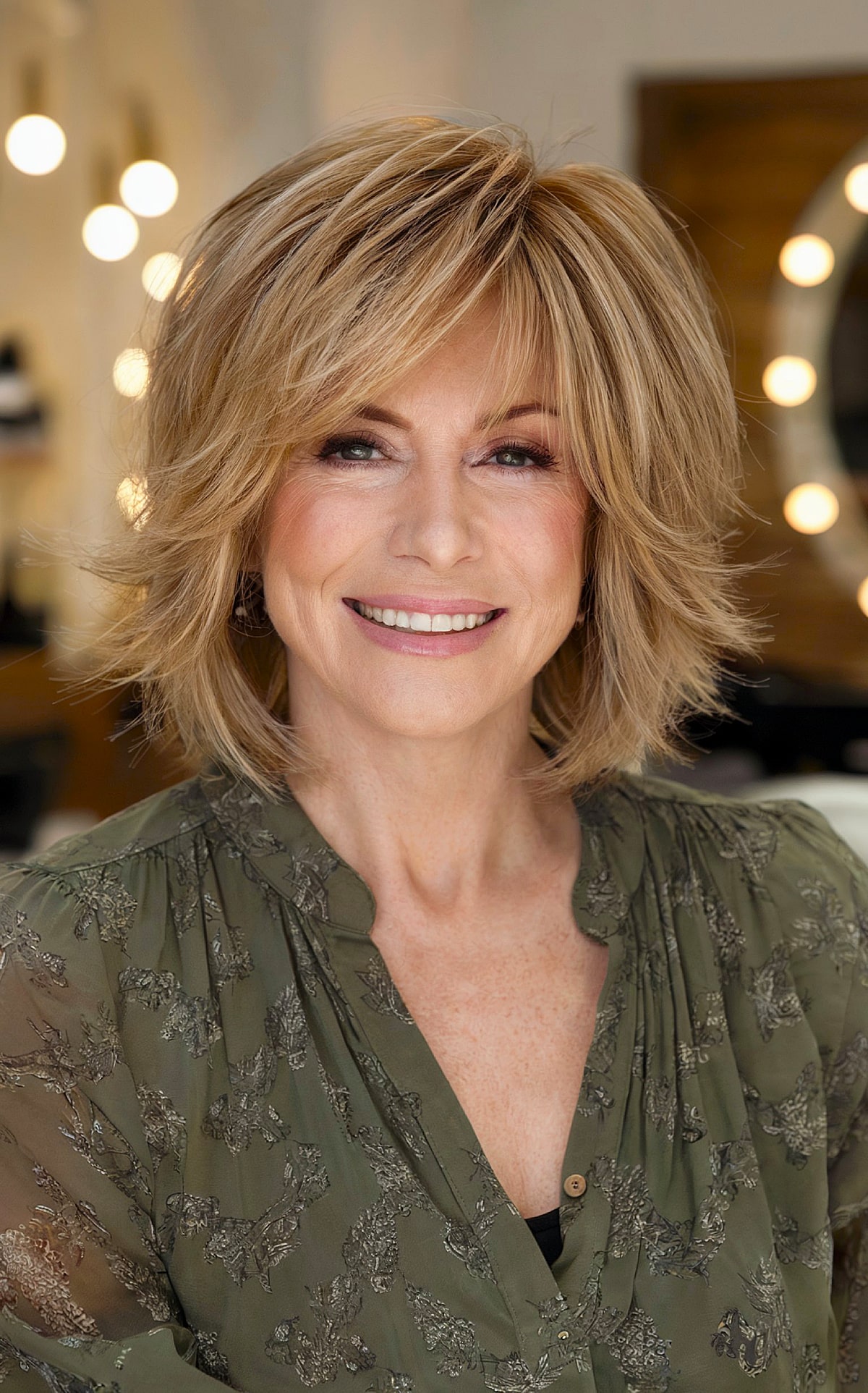
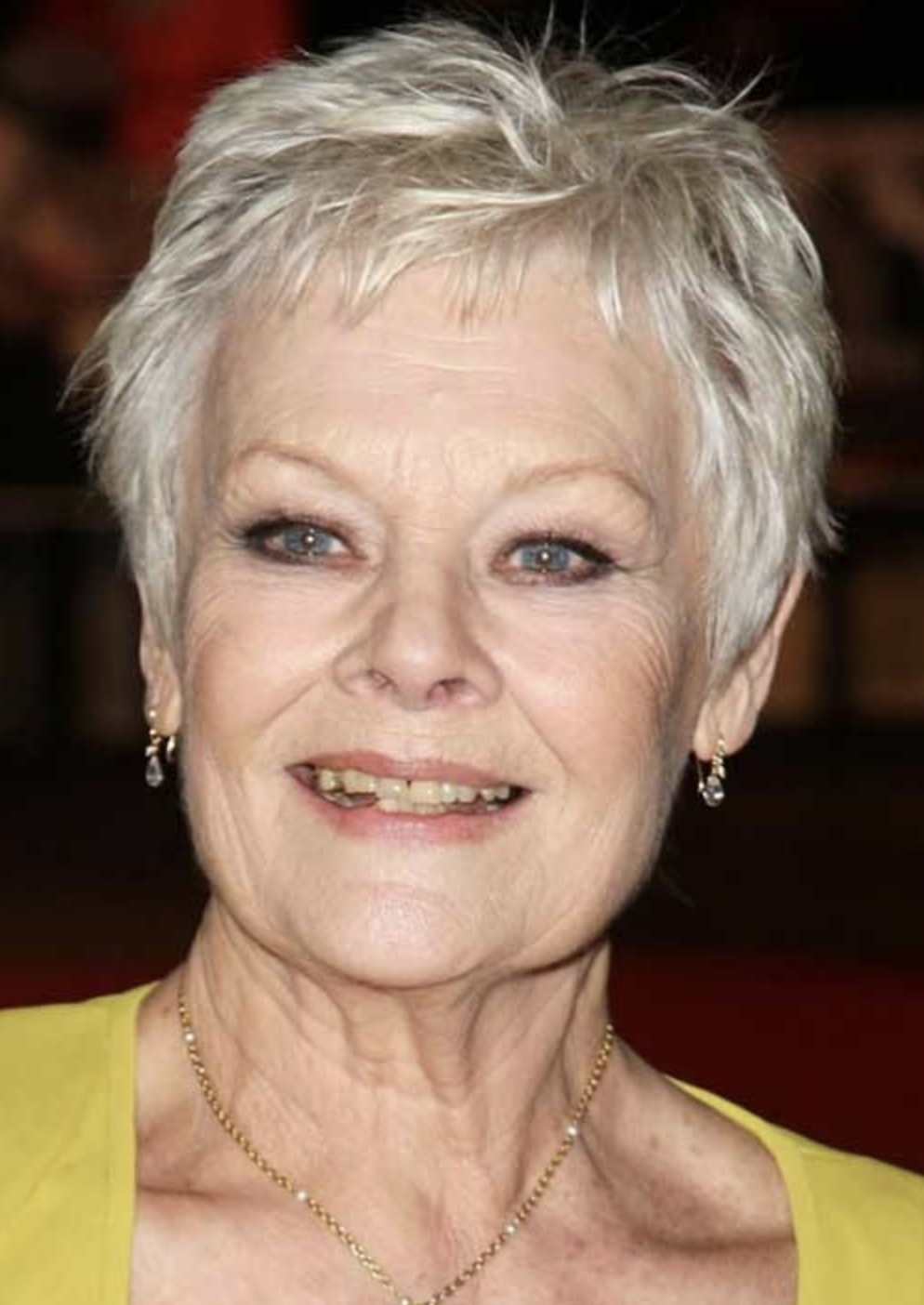
Specific hairstyles and cutting techniques can create the illusion of fuller, thicker hair for individuals experiencing hair loss or thinning. These styles often involve shorter lengths, layered cuts, and strategic texturizing to maximize volume and minimize the appearance of scalp show-through. For example, a textured pixie cut can add body and movement, while a layered bob can create an illusion of fullness.
Choosing a style that complements thinning hair is crucial for boosting confidence and self-esteem. A well-executed cut can minimize the psychological impact of hair loss, helping individuals feel more comfortable and positive about their appearance. Historically, hairstyles have played a significant role in societal perceptions of beauty and status, and adapting styles to address hair thinning has been a consistent practice across cultures and eras.
Further exploration of this topic will cover specific styles suitable for various hair types and thinning patterns, along with advice on styling products and maintenance techniques to enhance the desired effect.
1. Length
Hair length plays a pivotal role in the effectiveness of haircuts designed to address thinning hair. Longer hair tends to weigh itself down, exposing more of the scalp and accentuating areas of thinning. Shorter lengths, conversely, create an illusion of fullness and body. The reduced weight allows the hair to lift away from the scalp, providing a more voluminous appearance. This principle explains why styles like pixie cuts and shorter bobs are frequently recommended for individuals experiencing hair loss. For example, someone with thinning hair at the crown might find a layered pixie cut significantly more flattering than long, straight hair.
The optimal length for thinning hair varies depending on individual factors such as hair texture, thinning pattern, and personal style preferences. A consultation with a skilled stylist is crucial for determining the most suitable length. A professional can assess the specific needs of the client and recommend a length that maximizes coverage and complements facial features. While shorter lengths are generally preferred, a skilled stylist can sometimes create layered, medium-length styles that still provide volume and camouflage thinning areas. However, extremely long lengths rarely work well with thinning hair, as the weight exacerbates the appearance of hair loss.
Choosing the correct length is a foundational element in managing the appearance of thinning hair. Careful consideration of length, in conjunction with other factors like layering and texture, empowers individuals to achieve a style that boosts confidence and addresses their specific concerns. A well-chosen length provides the basis for a successful haircut that minimizes the visual impact of hair thinning.
2. Layers
Strategic layering is a cornerstone of successful haircuts for thinning hair. Unlike blunt cuts, which can emphasize thinness, layers create texture, movement, and an illusion of volume. They work by reducing weight and allowing the hair to lift away from the scalp, minimizing the appearance of scalp show-through. Understanding the nuances of layering techniques is essential for achieving a flattering and effective style for those experiencing hair loss.
-
Surface Layers:
Surface layers focus on the outermost sections of the hair, creating movement and texture without significantly reducing overall length. This technique is particularly effective for adding volume to the crown and sides, minimizing the appearance of flatness. For example, subtle surface layers on a shoulder-length bob can create soft movement and fullness without drastically shortening the overall length.
-
Internal Layers:
Internal layers, also known as hidden layers, remove weight from the interior sections of the hair, allowing the outer layers to lie more smoothly and create a fuller silhouette. This technique is particularly beneficial for those with thicker hair that is beginning to thin, as it reduces bulk without compromising overall density. Internal layers can be incorporated into a variety of styles, from pixie cuts to longer layered cuts, providing support and lift.
-
Layered Bangs/Fringe:
Layering the bangs or fringe can further enhance the illusion of fullness around the face. Wispy, textured bangs can soften facial features and draw attention away from thinning areas at the hairline. For instance, side-swept, layered bangs can create a flattering frame for the face while adding volume to the front section of the hair.
-
Layer Placement and Thinning Patterns:
The specific placement and degree of layering should be tailored to the individual’s thinning pattern. For example, someone experiencing thinning at the crown might benefit from more concentrated layering in that area to create lift and volume. Conversely, those with diffuse thinning might opt for more evenly distributed layers to maintain overall balance and fullness. A skilled stylist can analyze the thinning pattern and recommend optimal layer placement for the most flattering result.
Effective layering requires a skilled stylist who understands the complexities of thinning hair. Properly executed layers can significantly enhance the appearance of fullness and body, boosting confidence and creating a more youthful, vibrant look. By strategically removing weight and adding texture, layers can transform a flat, lifeless style into one that is dynamic and voluminous, mitigating the visual impact of hair thinning.
3. Texture
Texture plays a critical role in maximizing the effectiveness of haircuts for thinning hair. It refers to the surface characteristics of the hair strands, impacting how light reflects and how the hair behaves. Manipulating texture through specific cutting techniques can create an illusion of fullness and density, minimizing the appearance of hair loss. Fine, thin hair often lacks natural texture, appearing flat and lifeless. Adding texture through methods like point cutting, razor cutting, or texturizing shears disrupts the uniformity of the hair strands, creating a more voluminous and dynamic appearance.
Point cutting, for example, involves snipping into the ends of the hair at various angles, creating a slightly uneven, textured finish. This technique adds dimension and lift, preventing the hair from lying flat against the scalp. Razor cutting, using a straight razor, creates a softer, more diffused texture, ideal for blending layers and creating a seamless, weightless look. Texturizing shears, with their notched blades, remove bulk and add subtle texture, particularly beneficial for those with thicker hair experiencing thinning. The choice of texturizing technique depends on individual hair type and desired outcome. Someone with fine, straight hair might benefit from point cutting to add lift at the roots, while an individual with coarser, wavy hair might opt for razor cutting to soften the ends and create movement. Understanding the interplay between hair texture and cutting techniques is essential for achieving optimal results.
Creating the right texture is a crucial element in addressing thinning hair. The appropriate texturizing techniques, combined with strategic layering and length choices, contribute significantly to the overall effectiveness of the haircut. This approach not only enhances the aesthetic appearance but also boosts confidence and self-esteem. Successfully addressing texture can transform flat, lifeless hair into a style that appears fuller, healthier, and more dynamic, minimizing the visual impact of hair thinning.
4. Styling Products
Styling products play a crucial role in maximizing the effectiveness of haircuts designed for thinning hair. The right products can enhance volume, create texture, and provide hold, all essential elements in minimizing the appearance of hair loss. Selecting and applying styling products correctly is vital for achieving a desired look and maintaining it throughout the day. An understanding of how different product types interact with thinning hair is paramount for achieving optimal results.
-
Volumizing Mousses and Sprays:
Volumizing products are foundational for creating lift and fullness at the roots, essential for counteracting the flatness often associated with thinning hair. These products typically contain polymers that coat the hair shafts, adding thickness and creating space between strands. Applying a volumizing mousse to damp hair before blow-drying can significantly enhance body and lift. Volumizing sprays can provide additional lift and hold at the roots, further enhancing the appearance of fullness. For instance, a volumizing mousse applied at the roots before styling a layered bob can create significant lift and fullness.
-
Texturizing Sprays and Powders:
Texturizing products enhance the grip and separation between hair strands, adding volume and definition. They are particularly effective for creating a more piecey, textured look, minimizing the appearance of uniformity that can accentuate thinning. Texturizing sprays can be applied to dry hair for added volume and hold, while texturizing powders, applied directly to the roots, absorb excess oil and create lift. A texturizing spray can add definition and volume to a pixie cut, enhancing its textured, layered appearance.
-
Lightweight Conditioners and Serums:
While volumizing products are essential, maintaining hair health is equally crucial. Lightweight conditioners and serums hydrate and protect the hair without weighing it down, preserving the volume created by the haircut and styling products. Avoiding heavy, silicone-based products prevents the hair from appearing greasy and flat. A lightweight leave-in conditioner can hydrate and detangle fine hair without compromising volume.
-
Avoidance of Heavy Products:
Heavy waxes, gels, and pomades can weigh down thinning hair, counteracting the effects of volumizing products and accentuating areas of hair loss. These products tend to clump hair together, creating a stringy, greasy appearance, rather than the desired fullness and lift. Opting for lighter formulations is crucial for maintaining volume and achieving a natural, healthy look. For example, using a heavy wax on fine, thinning hair will likely result in a flat, greasy appearance, negating the benefits of a layered cut designed to maximize volume.
The careful selection and application of styling products are integral to the overall success of haircuts for thinning hair. By understanding how these products interact with the hair and scalp, individuals can enhance the effectiveness of their chosen haircut, maximizing volume, texture, and overall appearance. Utilizing the correct products in conjunction with a suitable haircut and styling techniques empowers individuals to manage the visual impact of hair thinning and maintain a confident, stylish appearance.
Haircuts for Thinning Hair
Strategic haircutting techniques offer individuals experiencing hair thinning a range of options for managing its appearance. Careful consideration of length, layering, texture, and styling products is essential for maximizing volume and minimizing scalp show-through. Shorter lengths generally create the illusion of fullness, while layers add movement and prevent hair from lying flat. Texturizing techniques further enhance volume and dimension, and the judicious use of lightweight styling products provides lift and hold without weighing the hair down. A thorough consultation with a skilled stylist is crucial for determining the most effective approach based on individual hair type, thinning pattern, and styling preferences.
Achieving a flattering and confidence-boosting look when dealing with thinning hair requires a multifaceted approach. Beyond the immediate aesthetic benefits, understanding the interplay of these elements empowers individuals to take control of their hairs appearance, promoting a sense of agency and well-being. By embracing informed choices and collaborating with experienced professionals, those experiencing hair thinning can navigate available options and achieve styles that enhance both appearance and self-assurance.