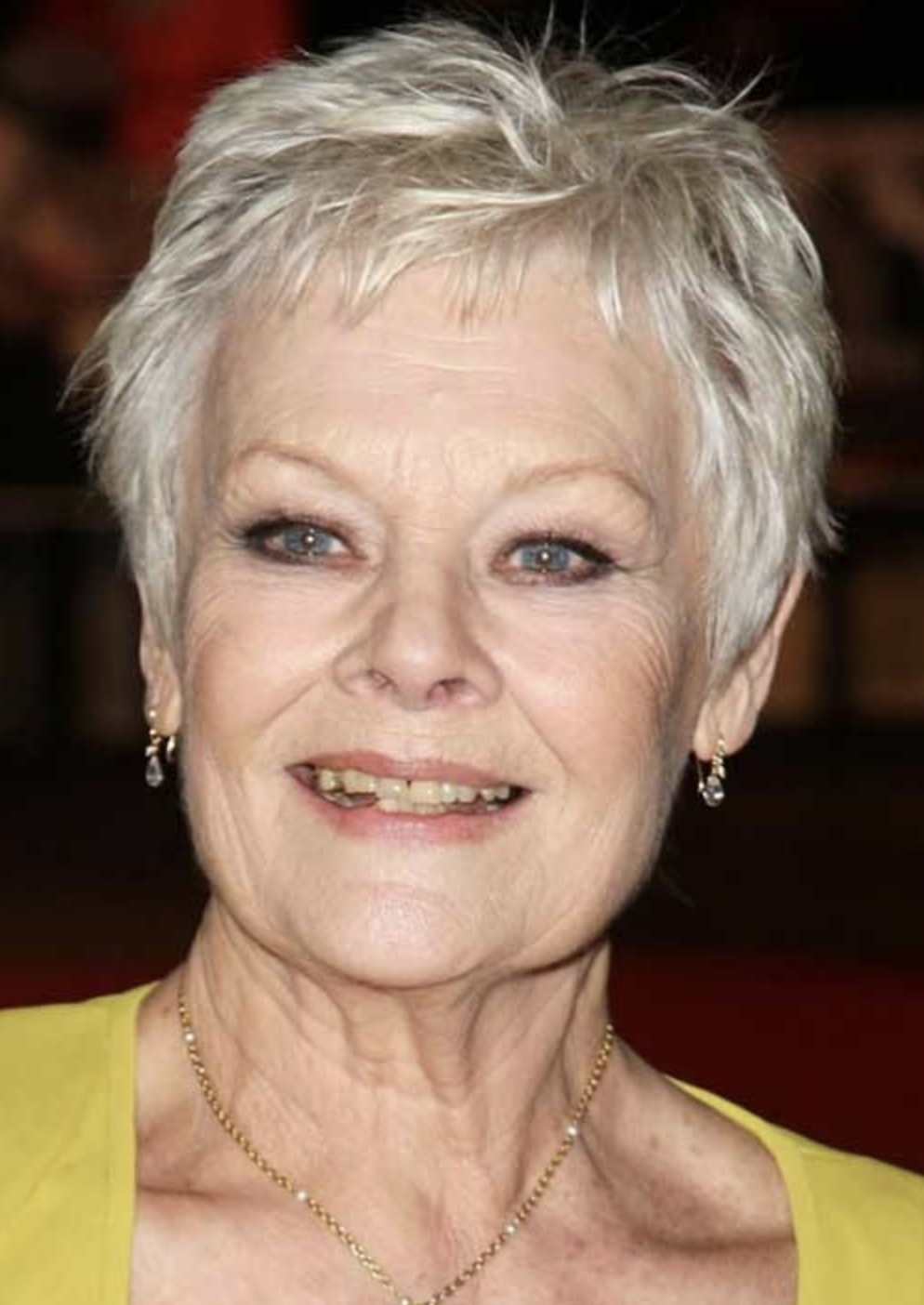
Styles that minimize the appearance of a prominent forehead create a sense of balance and proportion for the face. Examples include fringe hairstyles, side-swept bangs, and layered cuts that frame the face. These styles draw attention to the eyes and other facial features, creating a harmonious overall look.
A balanced facial appearance can significantly impact an individual’s confidence and self-esteem. Historically, hairstyles have played a crucial role in aesthetics and self-expression. Finding a style that complements one’s features has always been a central aspect of personal grooming and presentation. A well-chosen cut can soften facial features, add volume and texture to the hair, and create a flattering frame for the face.
Several factors contribute to selecting an appropriate hairstyle, including hair texture, face shape, and lifestyle. Understanding these elements is key to choosing a cut that is not only aesthetically pleasing but also practical and manageable.
1. Bangs/Fringe
Bangs or fringe play a crucial role in hairstyles designed to balance a prominent forehead. They provide a versatile tool for altering facial proportions and creating a more harmonious look. The variety of bang styles allows for customization based on individual preferences and facial features.
-
Blunt Bangs
A straight, heavy fringe cut across the forehead can effectively conceal a higher hairline. This style creates a strong horizontal line, shortening the perceived length of the forehead. Blunt bangs, however, require regular trimming to maintain the desired length and shape. They are particularly suitable for individuals with straight, thick hair.
-
Side-Swept Bangs
This style involves sweeping the fringe to one side, creating a diagonal line across the forehead. Side-swept bangs soften facial features and add a touch of asymmetry. They are a versatile option suitable for various hair textures and face shapes. The angle and length of the sweep can be adjusted to achieve different effects.
-
Curtain Bangs
Parted down the middle and framing the face on both sides, curtain bangs create a soft, ’70s-inspired look. They subtly minimize forehead prominence while adding volume and movement around the face. Curtain bangs work well with various hair lengths and textures, from straight to wavy.
-
Wispy Bangs
These thin, textured bangs create a soft, delicate frame for the face. They offer a less dramatic approach to minimizing forehead prominence while adding a touch of femininity. Wispy bangs are particularly suitable for individuals with finer hair textures.
The choice of bang style should complement other elements of the haircut, such as layering and overall length, to achieve a cohesive and flattering result. Considering face shape, hair texture, and lifestyle factors is essential in selecting the most suitable fringe style for balancing a prominent forehead and creating a harmonious look.
2. Face-framing Layers
Face-framing layers contribute significantly to hairstyles designed to balance a prominent forehead. These layers work by drawing attention towards the eyes and cheekbones, effectively shifting focus away from the forehead. The strategic placement of layers around the face creates a softer, more balanced appearance. The length and texture of these layers can be adjusted to suit individual face shapes and hair types. For instance, shorter layers around the cheekbones can add volume and lift, while longer layers create a more streamlined and elongated effect. This technique allows for subtle manipulation of facial proportions, minimizing the perceived size of the forehead.
Several factors contribute to the effectiveness of face-framing layers. The angle at which the layers are cut influences how they fall and frame the face. Softer, rounded layers create a gentle, romantic look, while sharper, more angled layers can add a touch of edginess. Hair density also plays a role; individuals with thicker hair may benefit from more layers to remove weight and add movement, while those with finer hair might opt for fewer, strategically placed layers to maintain volume. The interplay between these elements determines the overall impact of the layers in balancing facial features. A layered shag haircut, for example, with its characteristic feathered layers around the face, can effectively minimize the appearance of a large forehead while adding a retro-inspired vibe. Conversely, long, flowing layers with a slight wave can create a soft, feminine look that subtly balances forehead proportions.
Understanding the role of face-framing layers provides a valuable tool for creating balanced and flattering hairstyles. Careful consideration of face shape, hair texture, and desired overall style allows for the selection of appropriate layering techniques. This approach not only minimizes the appearance of a prominent forehead but also enhances the overall harmony of facial features. By strategically directing attention and creating a balanced visual flow, face-framing layers contribute significantly to a well-proportioned and aesthetically pleasing look.
3. Volume and Texture
Volume and texture play a crucial role in balancing facial proportions, particularly for individuals with prominent foreheads. Strategic styling techniques that add volume and texture can draw attention away from the forehead and create a more harmonious overall appearance. These techniques involve manipulating hair to create fullness and visual interest, effectively minimizing the perceived size of the forehead.
-
Root Lift
Creating volume at the crown of the head lifts the hair away from the scalp, adding height and balancing the length of the forehead. This technique can be achieved through various methods, including blow-drying with a round brush, using volumizing products, or incorporating backcombing at the roots. Root lift adds a sense of fullness and draws the eye upwards, minimizing the emphasis on the forehead. A bouffant or teased crown, for example, can create significant volume and balance facial proportions effectively.
-
Texturizing Techniques
Adding texture to the hair disrupts its uniformity, creating visual interest and dimension. This can involve techniques like layering, choppy cuts, or styling with waves or curls. Texturized hair appears fuller and less flat, which can help balance a prominent forehead. For instance, incorporating waves or curls throughout the hair can add volume and movement, softening the overall appearance and diverting attention away from the forehead.
-
Product Selection
Choosing the right hair products significantly impacts volume and texture. Volumizing mousses, sprays, and powders can add lift and fullness at the roots, while texturizing sprays, creams, and clays can create definition and separation. The selection of products should be based on hair type and desired styling outcome. Using a volumizing mousse at the roots and a texturizing spray throughout the lengths can create a balanced and voluminous look.
-
Styling Tools & Techniques
Utilizing appropriate styling tools and techniques contributes significantly to achieving desired volume and texture. Diffusers, curling irons, and flat irons, when used strategically, can add body, waves, or curls, creating a more balanced and dynamic hairstyle. For example, using a diffuser to dry curly hair can enhance natural volume and texture, while a curling iron can add waves or curls to straight hair, creating the illusion of fullness.
By understanding the interplay of volume and texture, individuals can create hairstyles that effectively minimize the appearance of a prominent forehead. Combining these techniques with appropriate bang styles and face-framing layers provides a comprehensive approach to achieving balanced and flattering results. The strategic use of volume and texture contributes not only to a more harmonious facial appearance but also to a more stylish and dynamic overall look.
Good Haircuts for Big Foreheads
Strategic hairstyle choices can effectively address the appearance of a prominent forehead. Utilizing elements like bangs, face-framing layers, and volume-enhancing techniques creates a balanced and harmonious facial structure. Careful consideration of hair texture, face shape, and individual preferences ensures a flattering and personalized outcome. Selecting the correct bang style, whether blunt, side-swept, curtain, or wispy, can significantly alter perceived forehead proportions. Layering techniques, focusing on framing the face, draw attention to other features, minimizing forehead prominence. Incorporating volume and texture, through styling techniques and appropriate product use, further enhances balance and creates a visually appealing silhouette.
Ultimately, achieving a flattering hairstyle involves a holistic approach that considers all these elements in conjunction. A balanced and well-proportioned look contributes significantly to overall confidence and self-assuredness. Consultation with a skilled stylist can provide personalized guidance and ensure the chosen style harmonizes with individual features and lifestyle.