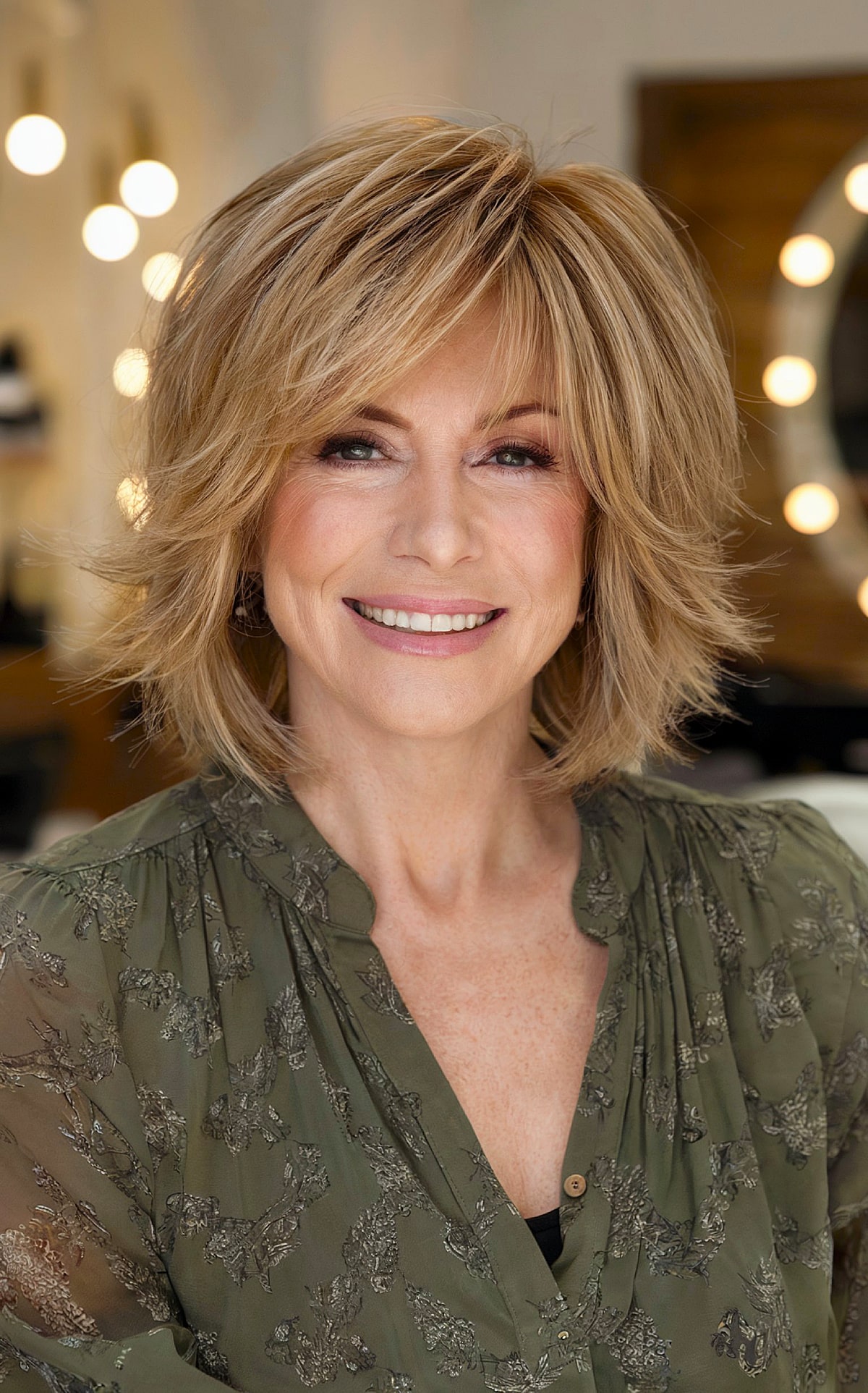
Cascading lengths of hair create volume, movement, and texture, offering versatility for various face shapes and hair types. This styling technique involves strategically cutting sections of hair at varying lengths to add dimension and shape, preventing a flat or heavy appearance. Imagine a gentle waterfall of hair, each layer flowing seamlessly into the next.
The graduated structure offers numerous advantages. It can thin out thick hair, making it more manageable, while adding body and fullness to finer hair textures. This tailored approach allows for personalized styling options, from sleek and straight to bouncy curls and waves. Historically, layered styles have cycled in and out of fashion, reflecting changing aesthetic preferences and evolving cutting techniques. Their persistent popularity underscores the adaptable and flattering nature of these looks.
This article will further explore specific layered hairstyles for longer hair, offering guidance on choosing the right cut, styling techniques, and maintenance tips for achieving a desired look. Various face shapes and hair textures will be considered, ensuring a comprehensive understanding of how to maximize the benefits of layered styling.
1. Face Shape Suitability
Harmonizing a layered hairstyle with one’s face shape is crucial for a flattering and balanced look. A well-chosen cut can accentuate positive features and soften less desirable ones. Understanding the interplay between face shape and layering techniques empowers informed decisions, leading to a style that enhances overall appearance.
-
Oval Faces
Considered the most versatile face shape, oval faces generally suit a wide array of layered styles. The balanced proportions allow for experimentation with various lengths and layering patterns, from subtle face-framing layers to more dramatic, heavily layered cuts. This adaptability provides significant freedom in choosing a style.
-
Round Faces
Long, vertical layers that fall below the chin create an illusion of length, slimming a round face. Avoid short, choppy layers that add width. Styles that frame the face with soft, tapered layers can enhance cheekbones and create a more defined jawline.
-
Square Faces
Soft, rounded layers help soften the angles of a square face. Layers that begin around the jawline and flow downwards can create a more oval appearance. Avoid blunt, straight-across cuts, which can emphasize angular features. Texturized layers contribute to a more fluid and less severe look.
-
Heart-Shaped Faces
Layers that add fullness around the chin and jawline balance the wider forehead characteristic of heart-shaped faces. Shoulder-length or longer layers can create this balance effectively. Avoid excessive volume at the crown, which can exaggerate the width of the forehead. Subtle layering around the face softens the overall look.
By considering face shape when selecting a layered hairstyle, individuals can ensure a complementary and visually appealing result. A stylist can offer personalized recommendations based on individual features and desired outcomes, maximizing the potential of layered styling.
2. Hair Texture Considerations
Hair texture significantly influences the outcome of layered hairstyles. Understanding the interplay between texture and layering techniques is essential for achieving desired results. Fine, medium, and thick hair types each require different approaches to layering to maximize volume, manageability, and overall aesthetic appeal. An inappropriate layering technique can lead to undesirable outcomes, such as excessive volume in thick hair or a lack of body in fine hair.
Fine hair benefits from shorter layers, which create an illusion of fullness and movement. Layering removes weight, allowing finer strands to lift and appear more voluminous. However, excessive layering can result in an overly thin appearance. Therefore, a balanced approach is essential, focusing on strategically placed layers that enhance volume without compromising overall density. For example, incorporating shorter layers around the crown can create lift, while longer layers maintain length and fullness.
Conversely, thick hair often requires longer, blended layers to remove bulk and enhance manageability. Shorter layers can create excessive volume and a triangular silhouette. Long layers, strategically texturized, allow for movement and prevent the hair from appearing heavy or blocky. Techniques like point cutting and slide cutting can further refine thick hair, creating seamless transitions between layers and enhancing overall texture. For instance, long layers with subtle texturizing can create a flowing, manageable style without sacrificing the natural fullness of thick hair.
Medium-textured hair offers greater versatility, accommodating a wider range of layering styles. Both shorter and longer layers can be incorporated, depending on the desired outcome. This adaptability allows for greater experimentation with different looks, from bouncy layers that frame the face to more subtle, blended layers that add movement and dimension. Careful consideration of face shape and desired styling options remains important for achieving optimal results.
In summary, adapting layering techniques to individual hair texture is crucial for achieving a successful and flattering hairstyle. Recognizing the specific needs of fine, medium, and thick hair allows for informed decisions regarding layer length, placement, and texturizing techniques. This understanding empowers individuals and stylists to create layered looks that enhance natural texture, maximize volume and manageability, and achieve desired aesthetic outcomes.
3. Layered Cut Variations
Layered cut variations form the foundation of diverse long hairstyles for women. The specific type of layering dictates the overall silhouette, movement, and texture of the hairstyle. Understanding these variations allows for informed choices aligned with individual preferences, face shapes, and hair textures. A layered cut is not a monolithic entity; rather, it encompasses a spectrum of techniques that yield distinct results.
Several key layered cut variations exist. Face-framing layers, as the name suggests, focus on layers that contour around the face, softening features and adding dimension. This technique can range from subtle, wispy layers to more pronounced, angled layers, depending on the desired effect. V-shaped layers create a distinct “V” shape at the back, with layers gradually increasing in length towards the ends. This style adds movement and texture, particularly suitable for thick hair. Uniform layers, distributed evenly throughout the hair, provide overall volume and texture. This technique suits various hair types and offers versatility in styling.
The choice of layering technique significantly impacts the final look. For instance, face-framing layers can create a soft, romantic look, while V-shaped layers offer a more dynamic and edgy feel. Uniform layers provide a balanced and classic appearance. Furthermore, layering techniques can be combined to achieve specific effects. For example, incorporating face-framing layers with a V-shaped cut can create a style that combines softness around the face with movement and texture at the back. Understanding these variations allows for a tailored approach to hairstyling, maximizing the potential of layered cuts to enhance individual features and achieve desired aesthetic outcomes. The interplay between layering techniques, hair texture, and face shape necessitates careful consideration to achieve a harmonious and flattering result. Professional guidance from a stylist is invaluable in navigating these complexities and achieving a personalized, well-executed layered cut.
4. Styling and Maintenance
Maintaining the vibrancy and shape of long, layered hairstyles requires consistent effort and appropriate techniques. Styling and maintenance practices directly influence the longevity and aesthetic appeal of these cuts. Neglecting these practices can lead to a loss of definition, split ends, and an overall unkempt appearance. Conversely, adopting a proactive approach to styling and maintenance ensures that layered hair remains healthy, vibrant, and styled as intended.
-
Washing and Conditioning
Appropriate washing and conditioning practices form the foundation of healthy, manageable layered hair. Utilizing shampoos and conditioners formulated for specific hair types, such as volumizing products for fine hair or moisturizing products for thick hair, addresses individual needs. Over-washing can strip natural oils, leading to dryness and frizz, while infrequent washing can result in product buildup and a weighed-down appearance. Proper conditioning replenishes moisture and detangles, minimizing breakage and enhancing shine.
-
Drying and Styling Tools
Careful selection and utilization of drying and styling tools are crucial for preserving the integrity of layered hair. Excessive heat styling can damage the hair shaft, leading to split ends and breakage. Utilizing heat protectant sprays before applying heat minimizes damage. Choosing the appropriate brush type is equally important. Round brushes can create volume and curl, while paddle brushes smooth and straighten. Diffusers enhance natural curls and waves while minimizing frizz.
-
Product Application
Strategic product application enhances the texture, volume, and hold of layered hairstyles. Mousse adds volume and lift, particularly beneficial for fine hair. Serums control frizz and add shine. Texturizing sprays create definition and separation, enhancing the layered effect. Applying products sparingly and evenly distributes them throughout the hair, avoiding product buildup and maintaining a natural look. Understanding product properties and application techniques allows for targeted styling and optimal results.
-
Regular Trims
Regular trims are essential for maintaining the shape and preventing split ends in layered hair. As hair grows, the layers lose their definition, resulting in a less polished appearance. Trimming every 6-8 weeks, depending on individual hair growth rate and styling preferences, preserves the layered structure and removes damaged ends. Consistent trims contribute to healthier, more vibrant-looking hair, maintaining the intended aesthetic of the layered cut.
These interconnected styling and maintenance practices collectively contribute to the overall health and appearance of long layered hairstyles. By understanding the specific needs of layered hair and adopting appropriate techniques, individuals can preserve the intended shape, volume, and texture of their chosen style, ensuring long-lasting results and maximizing its aesthetic potential.
Layered Long Hairstyles
This exploration of layered long hairstyles has highlighted the multifaceted nature of achieving such looks. Considerations encompassing face shape, hair texture, cut variations, and maintenance practices contribute to the overall outcome. Selecting a layered style involves a careful balance between personal preferences and objective factors, such as the natural characteristics of one’s hair and facial structure. Strategic layering techniques, tailored to individual needs, enhance natural features, creating a harmonious and flattering appearance.
Ultimately, layered long hairstyles offer a versatile canvas for self-expression. The ability to customize layers to suit individual characteristics allows for a truly personalized approach to hairstyling. Continuous evolution in cutting techniques and styling products further expands the possibilities, empowering individuals to explore diverse looks and achieve desired aesthetic goals. A thorough understanding of these elements facilitates informed decisions, resulting in a hairstyle that enhances both confidence and overall aesthetic appeal.