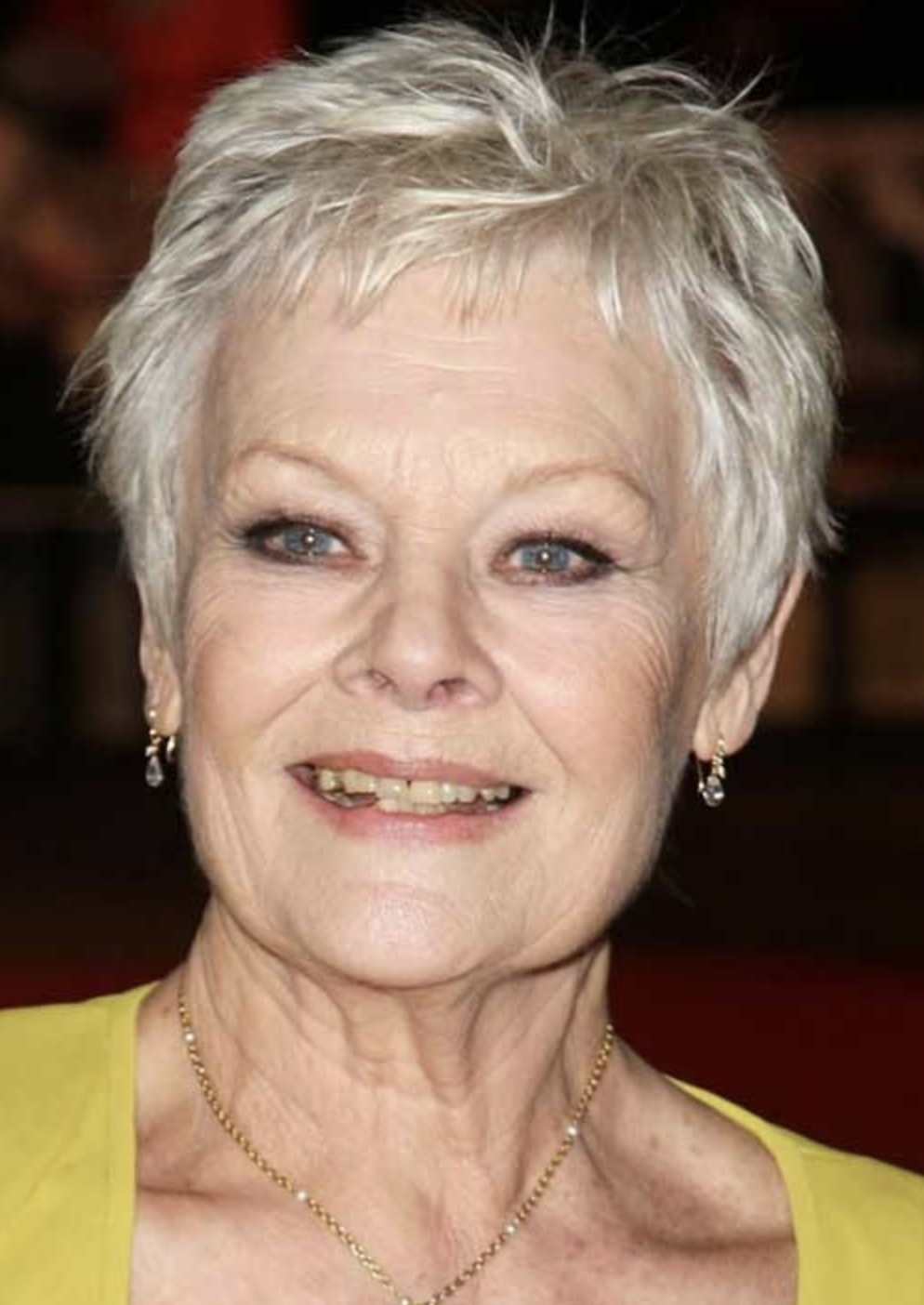
Hairstyles incorporating bangs, across various lengths and textures, offer women diverse styling options. For example, short, blunt bangs create a bold, modern look, while longer, side-swept bangs offer a softer, more romantic feel. The versatility of bangs allows them to be incorporated into virtually any haircut, from pixie cuts to long, layered styles.
Bangs can dramatically alter facial appearance, accentuating features like eyes or cheekbones. They can also be used strategically to soften strong jawlines, create the illusion of a smaller forehead, or add fullness to fine hair. Throughout history, hairstyles incorporating bangs have reflected evolving fashion trends, from the iconic Cleopatra-style fringe to the curtain bangs popularized in the 1970s and their modern resurgence. This enduring appeal speaks to the transformative power of this simple yet impactful element.
Further exploration will cover various bang styles, face shapes best suited to each, and maintenance tips for achieving optimal results.
1. Face Shape Suitability
A key element in selecting hairstyles with bangs involves careful consideration of face shape. Harmonizing the fringe with facial contours creates a balanced and flattering appearance. A well-chosen fringe can soften angular features, create the illusion of length or width, and draw attention to desired facial attributes.
-
Oval Faces
Considered the most versatile face shape, oval faces generally suit a wide array of bang styles. From blunt, heavy fringes to soft, wispy layers, the balanced proportions of an oval face can accommodate diverse looks. This adaptability allows for experimentation with various lengths and textures, providing significant styling freedom.
-
Round Faces
The goal with round faces is to create the illusion of length and definition. Longer, side-swept bangs or textured, angled fringes help achieve this by breaking up the circularity and adding vertical lines. Avoid short, blunt bangs, which can accentuate roundness.
-
Square Faces
Softening angular features is key for square faces. Side-swept bangs, layered fringes, or curtain bangs help to round the edges and create a more harmonious balance. These styles minimize the prominence of a strong jawline, resulting in a more gentle appearance.
-
Heart-Shaped Faces
Balancing a wider forehead with a narrower chin is the primary consideration for heart-shaped faces. Longer, side-swept bangs, brow-grazing fringes, or textured curtain bangs work well to minimize the width of the forehead and draw attention to the eyes. Avoiding short, blunt bangs helps maintain proportional balance.
By understanding the interplay between face shape and fringe style, individuals can achieve a look that enhances their natural features and complements their overall aesthetic. Careful selection creates a cohesive and flattering hairstyle, maximizing the impact of this versatile element.
2. Hair Type Considerations
Achieving desired results with hairstyles incorporating bangs necessitates careful consideration of hair type. Texture, density, and natural movement significantly influence how bangs lie and require specific styling approaches. Understanding these factors ensures a harmonious blend between the fringe and the overall hairstyle.
-
Hair Density
Density, referring to the number of hairs per square inch on the scalp, impacts bang thickness and fullness. Fine hair may appear sparse when cut into a blunt fringe, while thick hair requires texturizing techniques to prevent excessive volume. Adjusting the depth and layering of the fringe accommodates varying densities, achieving a balanced and proportional look.
-
Hair Texture
Texture, ranging from straight to curly, dictates how bangs behave and the styling techniques required. Straight hair allows for precise lines and geometric shapes, lending itself well to blunt or angled fringes. Wavy or curly hair, on the other hand, requires careful consideration of shrinkage and curl pattern to prevent overly short or unruly bangs. Diffusing or air-drying enhances natural texture, while straightening creates a sleek, polished finish.
-
Natural Movement & Cowlicks
Natural hair growth patterns and cowlicks, those stubborn swirls of hair that defy gravity, can significantly impact how bangs fall. A stylist skilled in working with these natural tendencies can incorporate them into the fringe design, minimizing styling challenges and ensuring a flattering result. Strategic cutting and styling techniques mitigate the effects of cowlicks, creating a harmonious flow within the hairstyle.
-
Maintenance and Styling Needs
Different hair types require specific maintenance routines and styling techniques to keep bangs looking their best. Straight, fine hair may require frequent trims to maintain a precise shape, while curly hair benefits from hydrating products to manage frizz and enhance curl definition. Understanding the unique needs of one’s hair type ensures the longevity and overall success of the chosen fringe style.
Harmonizing hair type with fringe style is crucial for achieving a flattering and manageable look. By considering these factors, individuals can select a fringe that complements their natural hair characteristics and enhances their overall aesthetic, minimizing styling challenges and maximizing visual impact. This understanding ensures a cohesive and personalized hairstyle that reflects individual style and celebrates natural beauty.
3. Bangs Styling Techniques
Styling techniques play a crucial role in the overall aesthetic of hairstyles incorporating bangs. Proper technique maximizes the impact of the fringe, creating a polished and cohesive look. Understanding various styling methods allows individuals to adapt their fringe to different occasions and desired aesthetics, showcasing its versatility.
-
Blow-Drying Techniques
Blow-drying is fundamental to achieving a smooth, controlled finish with most bang styles. Using a round brush, directing airflow downwards and slightly forward, creates volume and curve. Concentrated airflow and controlled brush movements are crucial for preventing frizz and achieving desired shape, whether sleek and straight or softly curved. This technique provides foundational styling control.
-
Heat Styling Tools
Flat irons and curling irons offer additional styling options, particularly for creating specific textures and shapes. Flat irons straighten and smooth bangs, achieving a sleek, modern look. Curling irons add waves or curls, creating a softer, more romantic aesthetic. Careful temperature control and heat protectant products minimize heat damage, preserving hair health.
-
Product Application
Styling products play a vital role in achieving desired hold, texture, and control. Mousses and volumizers add body and lift, particularly beneficial for fine hair. Serums and smoothing creams control frizz and enhance shine. Texturizing sprays create definition and separation, ideal for piece-y or layered bangs. Proper product selection and application enhance manageability and longevity of the chosen style.
-
Trimming and Maintenance
Regular trims are essential for maintaining the desired length and shape of bangs. Overgrown bangs can obscure vision and detract from the overall hairstyle. Professional trims ensure clean lines and prevent split ends, preserving the integrity of the hair. Frequency depends on hair growth rate and desired style, typically ranging from every few weeks to several months.
Mastery of these techniques allows for seamless integration of bangs into any hairstyle, maximizing their aesthetic impact. Proper styling elevates the fringe from a simple element to a defining feature, enhancing overall appearance and reflecting individual style. This versatility allows for personalized expression and adaptation to diverse trends and personal preferences.
4. Maintenance and Upkeep
Maintaining hairstyles incorporating bangs requires consistent effort. Regular trims are crucial. Bangs grow quickly, obscuring vision and losing their styled shape. Frequency depends on hair growth rate and desired style, often requiring trims every 2-4 weeks for shorter styles, and 4-6 weeks for longer fringes. Neglecting trims results in an unkempt appearance, detracting from the overall hairstyle.
Daily styling is essential. Even with professional cuts, bangs require daily attention to maintain their shape and position. This might involve blow-drying with a round brush, using a flat iron for straightening, or applying styling products for hold and texture. Ignoring daily styling can lead to unruly bangs, falling into the eyes and compromising the intended look. For example, humidity can cause frizz in naturally wavy or curly hair, requiring targeted product application, like anti-frizz serum or smoothing cream, for optimal management.
Product selection is critical. Choosing the right products contributes significantly to maintaining the desired appearance. Specific hair types benefit from tailored products. Fine hair might require volumizing mousses or sprays for lift and body, while thick hair might benefit from texturizing products to prevent excessive volume. Using incorrect products can lead to undesirable results, such as weighed-down bangs or increased frizz. Understanding individual hair needs and selecting appropriate products is essential for achieving and maintaining the desired style.
Conclusion
Hairstyles incorporating bangs offer diverse styling options, significantly impacting overall appearance. Careful consideration of face shape, hair type, and styling techniques is crucial for successful integration. Oval faces offer the most versatility, while round, square, and heart-shaped faces benefit from specific fringe styles to balance features. Hair density and texture influence bang thickness and behavior, dictating appropriate styling approaches. Regular trims and product selection are vital for maintenance, preserving desired shape and preventing split ends. Mastery of styling techniques, including blow-drying, heat styling, and product application, allows for personalized expression and adaptability.
Ultimately, successful implementation of hairstyles with bangs hinges on informed decision-making and consistent upkeep. Understanding these factors empowers individuals to harness the transformative potential of bangs, creating a look that complements individual features and reflects personal style. This knowledge fosters confidence and allows for continuous exploration within the ever-evolving landscape of hair fashion.