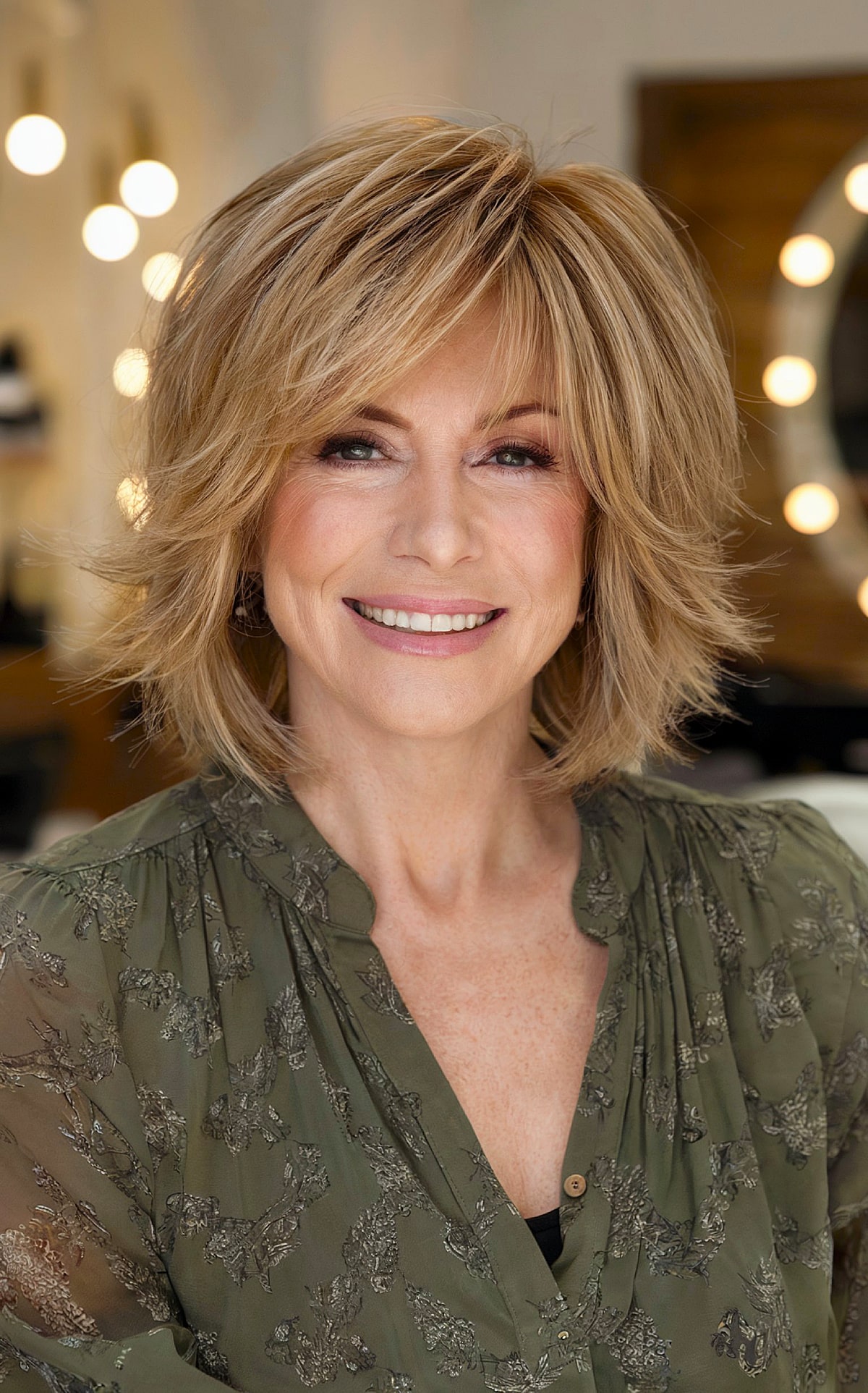
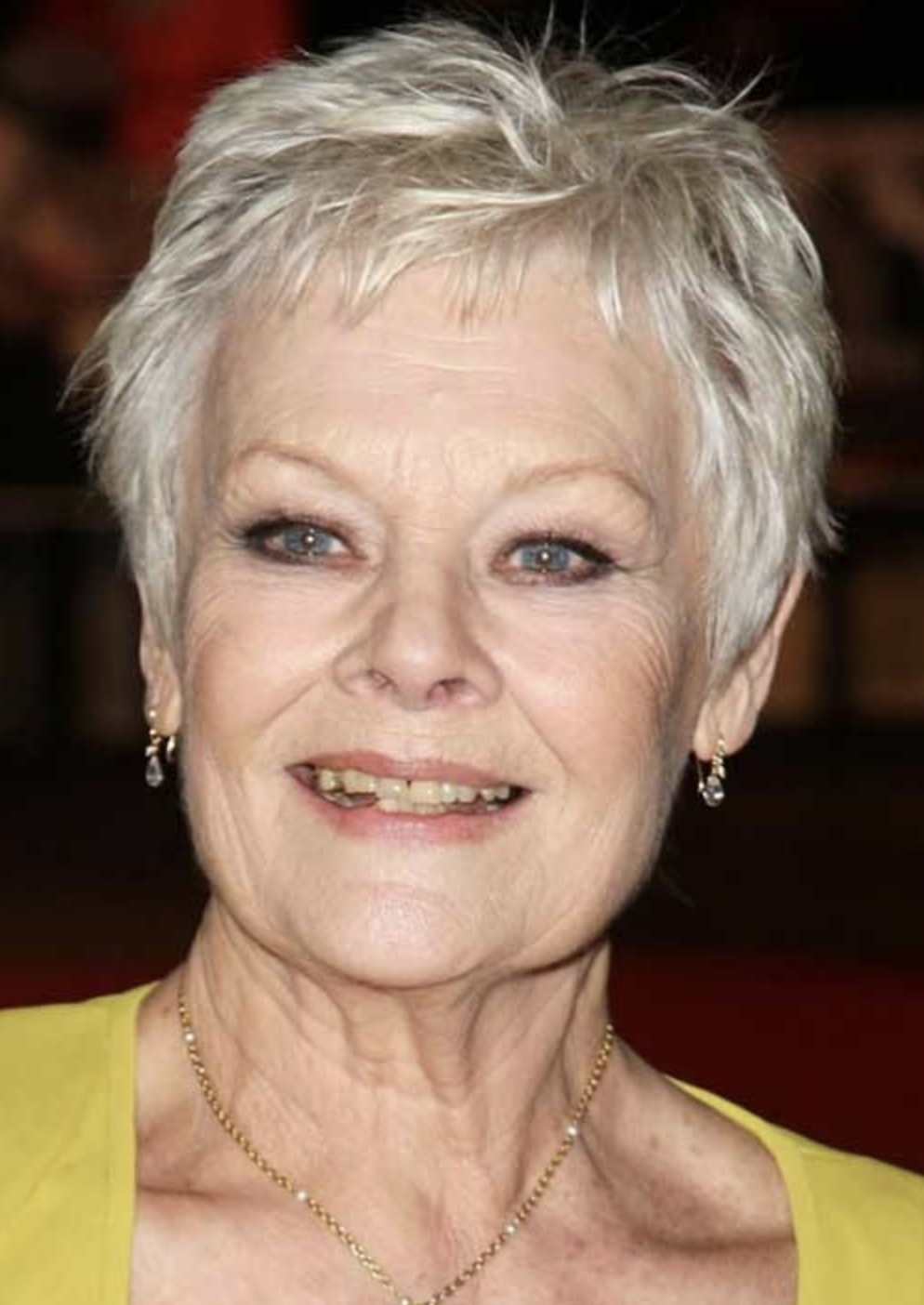
A flattering hairstyle can significantly enhance a woman’s overall appearance, complementing facial features and personal style. Consider, for example, how a layered cut can add volume to fine hair, or how a blunt bob can create a sleek, modern look. The suitability of a particular style depends on factors such as hair texture, face shape, and lifestyle.
The impact of a well-chosen hairstyle extends beyond mere aesthetics. It can boost confidence, project a desired image, and even influence social perceptions. Historically, hairstyles have served as markers of social status, cultural affiliation, and personal expression. A polished and contemporary look can convey professionalism in the workplace, while a more relaxed style might suit a casual setting.
This article will delve into various aspects of achieving a stylish and suitable look, exploring topics such as current trends, face shape analysis, hair care tips, and choosing the right stylist.
1. Face Shape
Achieving a flattering haircut relies heavily on understanding one’s face shape. The right cut can soften angular features, add length to a round face, or balance proportions. Careful consideration of face shape ensures a harmonious and aesthetically pleasing result.
-
Oval
Characterized by balanced proportions and gently rounded contours, oval faces are considered versatile, suiting a wide range of hairstyles. From short pixies to long layers, most cuts complement this shape. This adaptability offers significant freedom in exploring various styles.
-
Round
Round faces benefit from haircuts that create the illusion of length and definition. Styles that add volume at the crown or incorporate vertical lines, such as long layers or a sleek bob, can visually elongate the face. Avoiding overly short or wide styles is generally recommended.
-
Square
Strong jawlines and angular features define square faces. Hairstyles that soften these angles, such as layered cuts or side-swept bangs, create a more balanced appearance. Textured waves or curls can also detract from sharp angles.
-
Heart
Heart-shaped faces, wider at the forehead and narrowing to the chin, benefit from styles that add fullness at the jawline. Chin-length bobs or layered cuts that frame the face can create a more balanced look. Short, cropped styles can also accentuate cheekbones.
By accurately assessing face shape and selecting a corresponding haircut, individuals can enhance their features and achieve a balanced, attractive look. Consulting with a skilled stylist can provide personalized recommendations and ensure the chosen style complements individual characteristics.
2. Hair Texture
Hair texture plays a crucial role in determining which haircuts will be most flattering and manageable. Understanding the nuances of different hair textures allows for informed decisions regarding cut, styling, and overall maintenance. This knowledge empowers individuals to select styles that enhance their natural texture and achieve desired results. For instance, fine hair may appear limp and lifeless with a blunt, heavy cut, while a layered cut can add volume and movement. Conversely, thick, coarse hair might become unruly and difficult to manage with excessive layering, benefiting instead from a blunter cut that controls volume.
Several key categories define hair texture: fine, medium, and thick. Fine hair strands are smaller in diameter, resulting in less overall volume. Medium hair strands offer a balance between volume and manageability. Thick hair strands are larger in diameter, creating a fuller, denser appearance. Within these categories, hair can also be straight, wavy, curly, or coily, further influencing how a haircut will appear. Straight hair tends to lie flat and reflect light, while wavy, curly, and coily hair textures create volume and movement. Choosing a haircut that complements natural texture minimizes styling challenges and maximizes the potential for a flattering look. A layered cut on curly hair, for example, can enhance natural curl definition, while a blunt cut on straight hair can create a sleek, polished appearance.
Successfully navigating the interplay between hair texture and haircut requires careful consideration of individual characteristics. Consulting with a skilled stylist is invaluable in assessing hair texture and recommending suitable cuts. Professional guidance ensures that the chosen style complements natural texture, minimizes styling difficulties, and ultimately enhances overall appearance.
3. Lifestyle
Lifestyle significantly influences the practicality and suitability of a haircut. Factors such as career demands, social activities, and personal time constraints directly impact how much time and effort can be dedicated to hair maintenance and styling. A demanding professional environment might necessitate a polished, easily maintained style, while a more relaxed lifestyle allows for greater flexibility and experimentation. For example, a busy executive might opt for a sleek bob or a classic pixie cut that requires minimal styling, whereas an artist or freelancer might embrace a more unconventional, high-maintenance style. The chosen haircut should seamlessly integrate into daily routines and complement overall lifestyle demands.
Consideration of lifestyle extends beyond daily routines to encompass broader aspects of personal expression. Active individuals involved in sports or fitness activities might prefer shorter, more practical haircuts that stay out of the way. Conversely, those with a penchant for fashion and self-expression might gravitate towards more elaborate and trend-driven styles. Hairstyle choices can also reflect personal values, such as a preference for low-maintenance, eco-conscious products and styling techniques. These choices can be as important as the cut itself in achieving an overall aesthetic that aligns with individual values and lifestyle preferences. Understanding these nuances allows for a more informed and personalized approach to hair care and styling.
Achieving a truly attractive and suitable haircut requires a holistic assessment that integrates lifestyle considerations with other crucial factors such as face shape and hair texture. Ignoring lifestyle practicality can lead to frustration and dissatisfaction, even with a technically well-executed haircut. A thorough consultation with a stylist should always include an open discussion about lifestyle factors to ensure the chosen style not only looks good but also fits seamlessly into everyday life. This approach fosters a sense of confidence and ease, allowing the individual to fully embrace and enjoy their chosen hairstyle.
4. Current Trends
Current trends in hairstyling significantly influence perceptions of attractiveness. While classic styles retain enduring appeal, staying informed about contemporary trends allows individuals to explore fresh looks and potentially enhance their appearance. Trends offer inspiration and introduce new techniques, cuts, and color palettes. For example, the resurgence of layered shags provides a modern take on a retro style, offering texture and movement. Similarly, the popularity of balayage highlights creates a natural, sun-kissed effect, adding dimension and depth to hair color. Understanding current trends provides a framework for exploring stylistic possibilities and personalizing looks to achieve a contemporary and attractive aesthetic. However, blindly following trends without considering individual features and personal style can lead to unsatisfactory results. Trends should be viewed as a starting point, adaptable to individual needs and preferences.
The cyclical nature of fashion often sees classic styles reemerge with modern interpretations. Currently, the bob, a timeless and versatile cut, enjoys renewed popularity with variations like the asymmetrical bob and the textured bob offering contemporary twists. Similarly, braids, a traditional styling technique, have evolved into intricate and fashionable looks, showcasing creativity and versatility. By analyzing current trends and understanding their historical context, individuals can make informed decisions about incorporating these styles into their personal look. This approach fosters a sense of individual style while remaining current and relevant. Furthermore, awareness of current trends allows individuals to communicate effectively with stylists, ensuring a shared understanding and facilitating collaboration in achieving desired results. Clear communication about desired styles and trends helps minimize misinterpretations and maximizes the likelihood of achieving a satisfying and attractive outcome.
Integrating current trends into an attractive hairstyle requires careful consideration of individual characteristics. Trends should complement, not dictate, personal style. A skilled stylist can offer valuable insights into adapting current trends to individual face shapes, hair textures, and lifestyles. This collaborative approach ensures a harmonious blend of current aesthetics with individual needs and preferences, ultimately achieving a look that is both fashionable and personally flattering. Striking this balance is key to maximizing the impact of current trends and achieving a truly attractive and personalized hairstyle.
Attractive Haircuts for Women
Achieving a flattering and stylish haircut requires careful consideration of several interconnected factors. Face shape, hair texture, lifestyle, and current trends all play a crucial role in determining the most suitable and attractive style. Understanding the interplay of these elements empowers individuals to make informed decisions, ensuring a harmonious balance between aesthetics, practicality, and personal expression. A well-chosen haircut can enhance facial features, boost confidence, and project a desired image, reflecting a polished and contemporary sense of style.
Ultimately, the pursuit of an attractive haircut represents a journey of self-discovery and expression. By embracing individual characteristics and seeking professional guidance, individuals can unlock the transformative power of a truly flattering hairstyle. Continuous exploration of evolving styles and trends, coupled with a deep understanding of personal needs and preferences, ensures a dynamic and evolving approach to hair care, allowing individuals to express their unique personalities and enhance their overall appearance with confidence and style.