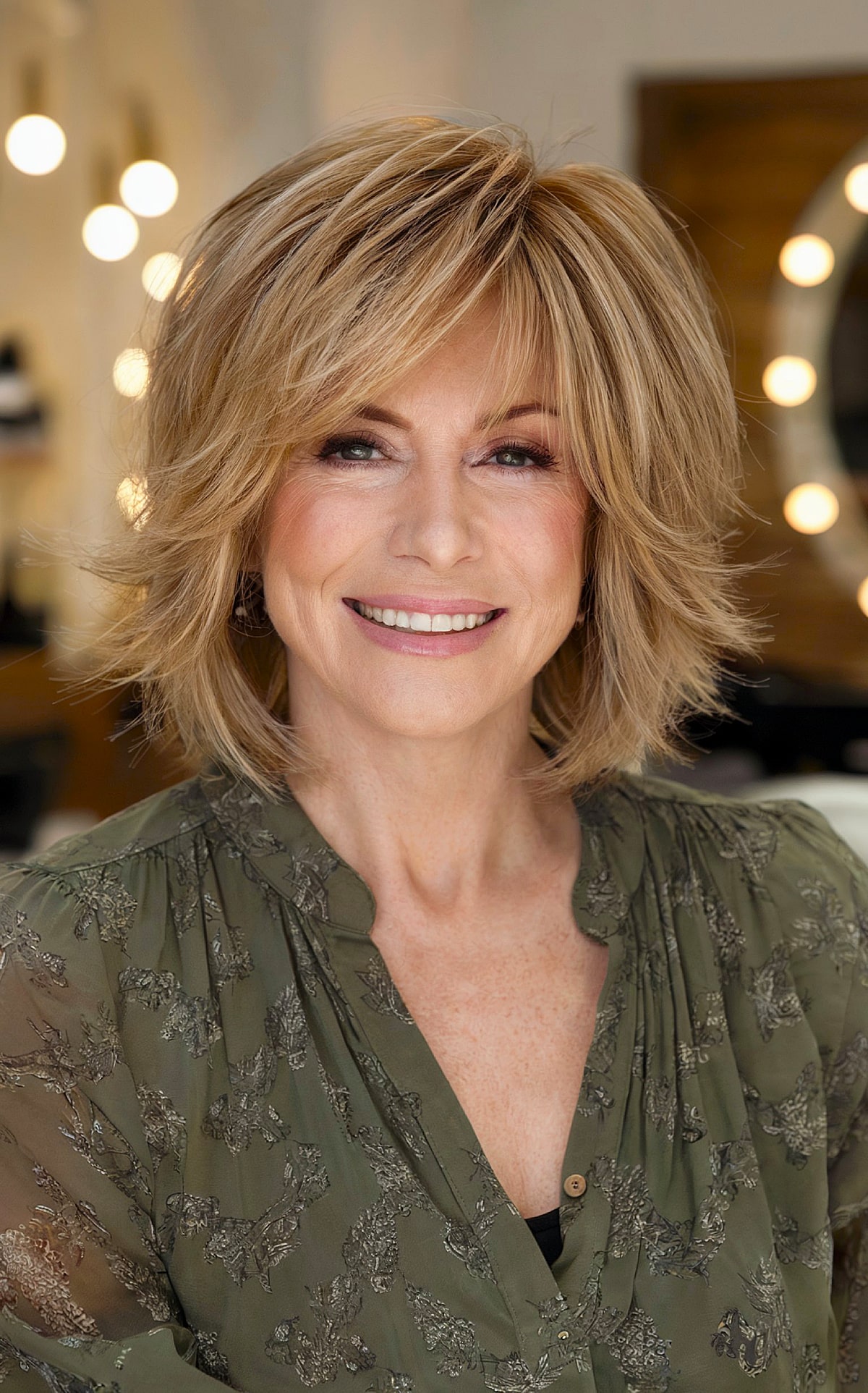
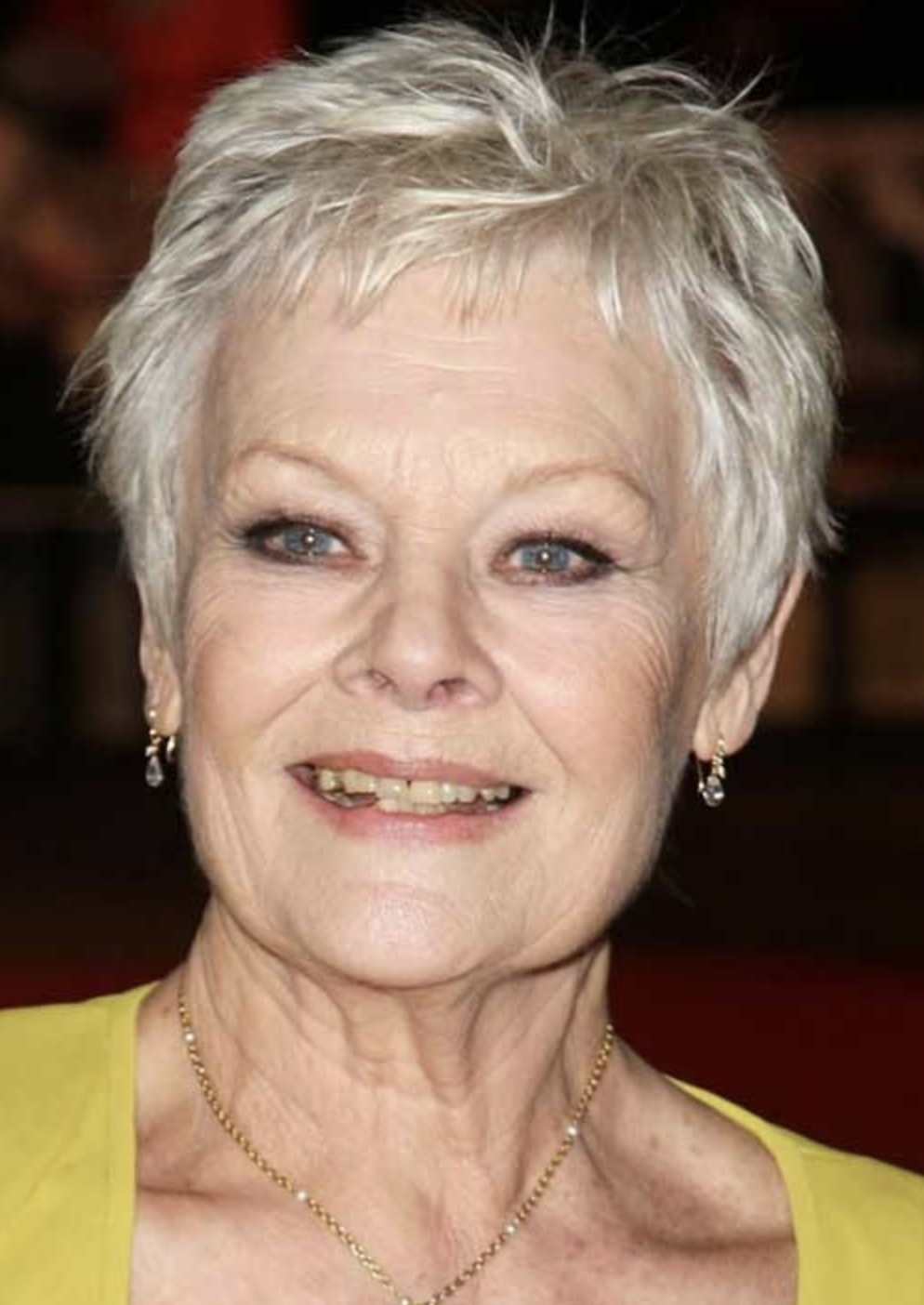
Numerous styling options exist for individuals with short hair seeking blonde hues. These range from icy platinum and warm honey to strawberry blonde and beige blonde, each offering a distinct aesthetic. The choice depends on factors such as natural hair color, skin tone, and desired level of maintenance. For example, a cool-toned platinum blonde complements fair skin with pink undertones, while a warmer golden blonde might suit someone with olive skin.
Choosing the right shade of blonde for short hair can significantly impact one’s overall appearance. It can brighten the complexion, accentuate facial features, and create a modern, stylish look. Historically, blonde hair has been associated with youthfulness and beauty, influencing trends across cultures and eras. Modern hair coloring techniques now provide a broader spectrum of shades and application methods, allowing for greater personalization and creativity.
The following sections will explore various blonde shades suitable for short hair, discuss maintenance and aftercare for colored hair, and offer tips for choosing the right shade based on individual characteristics. Factors like skin tone, eye color, and personal style preferences will be considered to provide a comprehensive guide to achieving the desired look.
1. Skin Tone
Skin tone plays a crucial role in selecting a flattering blonde shade for short hair. Harmonizing hair color with complexion creates a balanced and natural-looking result. Dissonance between skin tone and hair color can result in a washed-out or overly harsh appearance. Understanding undertones is key to making the right choice.
-
Cool Undertones
Individuals with cool undertones typically have pinkish or bluish hues in their skin. Veins often appear blue or purple. Cool blonde shades, such as platinum, ash, and icy blonde, generally complement cool complexions. These shades enhance the natural coolness of the skin and create a cohesive look. Examples include celebrities like January Jones and Michelle Williams.
-
Warm Undertones
Warm undertones are characterized by golden or yellowish hues in the skin. Veins may appear green. Warm blonde shades, including honey, golden, and strawberry blonde, tend to harmonize with warm complexions. These shades enhance the warmth of the skin and create a radiant glow. Examples include celebrities like Jennifer Aniston and Blake Lively.
-
Neutral Undertones
Neutral undertones exhibit a mix of both cool and warm hues. This skin tone offers greater flexibility in choosing blonde shades, as both cool and warm tones can be flattering. Beige blonde and buttery blonde are often suitable choices. Examples include celebrities like Natalie Portman and Emma Watson.
-
Determining Undertones
Various methods exist for determining skin undertones. Observing the color of veins on the inner wrist is a common technique. Another approach involves assessing how the skin reacts to gold and silver jewelry. If gold complements the skin more, warm undertones are likely. If silver is more flattering, cool undertones are indicated. Professional color analysis can provide more precise guidance.
By carefully considering skin tone and its underlying undertones, individuals can select a short blonde hair color that enhances their natural features and creates a harmonious and flattering overall appearance. Consulting with a professional stylist can provide personalized recommendations based on individual skin tone and desired outcome.
2. Hair Length
Hair length significantly influences the impact and suitability of various blonde shades. Short hair amplifies the intensity and vibrancy of blonde color due to the concentrated surface area and light reflection. This characteristic allows for bolder color choices and creative techniques, such as highlights and lowlights, to be more pronounced. Conversely, longer hair tends to diffuse color, resulting in a softer, more subtle appearance. Therefore, a blonde shade that appears vibrant and striking on short hair might appear muted or less noticeable on longer hair. The interplay of hair length and color saturation necessitates careful consideration when selecting a blonde shade to achieve the desired visual effect. For instance, a platinum blonde on a pixie cut creates a bold, edgy statement, while the same shade on long hair might appear less dramatic.
Different short hairstyles also interact uniquely with blonde hues. A blunt bob paired with a solid blonde color creates a sleek, modern look, while a textured pixie cut with highlights and lowlights adds dimension and depth. The chosen blonde shade can accentuate the specific characteristics of each hairstyle. For example, a warm honey blonde can soften the sharp lines of an angled bob, while a cool ash blonde can enhance the texture of a layered pixie cut. Understanding the interplay between hairstyle and color allows for a cohesive and harmonious final result. This knowledge empowers individuals to select a blonde shade that complements their chosen hairstyle and amplifies its distinct features.
Choosing the appropriate blonde shade for short hair requires a comprehensive understanding of how hair length interacts with color intensity and complements specific hairstyles. Considering these factors allows for a balanced and impactful outcome that enhances the overall aesthetic. Consultation with a professional stylist is recommended to determine the ideal shade and technique for individual hair length and desired style. This personalized approach ensures a harmonious blend of color, cut, and style, ultimately contributing to a flattering and well-executed look. Ignoring the relationship between hair length and color can lead to unsatisfactory results, highlighting the importance of this element in achieving the desired aesthetic.
3. Eye Color
Eye color, a significant aspect of individual appearance, plays a crucial role in determining the most complementary blonde shades for short hair. Harmonizing hair color with eye color enhances overall aesthetics, creating a balanced and naturally flattering look. A well-chosen blonde shade can accentuate eye color, making them appear more vibrant and striking. Conversely, a mismatched shade can diminish the eyes’ impact, potentially resulting in a less harmonious appearance. Understanding this interplay is essential for achieving a cohesive and visually appealing result.
-
Blue Eyes
Blue eyes often pair well with cool-toned blonde shades. Icy platinum, ash blonde, and silver blonde can create a striking contrast, making blue eyes appear brighter. These cool tones complement the blue hues, enhancing their intensity. Conversely, warm blonde shades might overpower blue eyes, making them appear less prominent. For example, a platinum blonde pixie cut can make blue eyes stand out dramatically.
-
Green Eyes
Green eyes offer versatility, complementing both cool and warm blonde tones. Golden blonde, honey blonde, and strawberry blonde can create a warm, inviting look, while ash blonde and beige blonde offer a cooler, more subdued aesthetic. The choice depends on the desired overall impression. For instance, a golden blonde bob can bring out the gold flecks often found in green eyes, while a beige blonde can create a sophisticated, understated look.
-
Brown Eyes
Brown eyes typically harmonize well with warm blonde shades. Golden blonde, honey blonde, caramel blonde, and even darker shades like bronde can create a rich, dimensional look that complements the warmth of brown eyes. These warm tones enhance the brown hues, creating a cohesive and flattering effect. Cooler blondes can sometimes appear stark against brown eyes, so careful consideration is necessary. For example, a caramel blonde balayage can add depth and richness to brown hair, while a honey blonde can brighten the complexion and make brown eyes sparkle.
-
Hazel Eyes
Hazel eyes, with their blend of green and brown, offer considerable flexibility in blonde shade selection. Both warm and cool tones can be flattering, depending on which undertones in the hazel eyes one wishes to emphasize. Golden blonde and honey blonde can accentuate the warmer brown tones, while ash blonde and beige blonde can highlight the cooler green tones. This versatility allows for a wide range of options. For instance, a strawberry blonde can enhance the green and gold flecks in hazel eyes, creating a dynamic and captivating look.
Selecting a short blonde hair color that complements eye color significantly contributes to a balanced and harmonious overall appearance. By considering the interplay between eye color and hair color, individuals can choose a shade that enhances their natural features and creates a cohesive aesthetic. While these guidelines offer a starting point, individual preferences and professional consultation can further refine the selection process, ensuring a truly personalized and flattering outcome.
4. Maintenance Level
Maintenance level represents a crucial factor when selecting among short blonde hair color ideas. The desired shade significantly impacts the frequency and complexity of upkeep required to maintain vibrancy and prevent undesirable color shifts. High-maintenance colors, such as platinum or icy blonde, necessitate frequent touch-ups and specialized products to counteract brassiness and maintain the cool tone. This often involves the use of purple shampoos, conditioners, and toning treatments. Conversely, lower-maintenance options, like balayage or highlights, allow for a more gradual transition and require less frequent salon visits. The chosen approach significantly influences the long-term cost and effort involved in preserving the desired aesthetic. For instance, a solid platinum blonde pixie cut requires more frequent touch-ups than a highlighted bob with a darker root.
Several factors influence the maintenance requirements of short blonde hair color. The greater the difference between natural hair color and the chosen blonde shade, the more frequent touch-ups become necessary. Porous or damaged hair tends to lose color faster, necessitating more regular treatments. Lifestyle also plays a role; frequent exposure to sun, chlorine, or saltwater can accelerate color fading. Understanding these contributing factors enables individuals to make informed decisions about color choice based on their individual circumstances and desired level of commitment. Regular use of color-safe shampoos and conditioners, minimizing heat styling, and incorporating deep conditioning treatments are crucial for preserving color vibrancy and hair health, regardless of the chosen shade. These practices mitigate the damaging effects of chemical treatments and environmental factors, ultimately prolonging the lifespan of the color and promoting overall hair health. Neglecting these practices can lead to premature color fading, dryness, and breakage, necessitating more frequent and costly corrective treatments.
Careful consideration of maintenance level is essential for long-term satisfaction with short blonde hair color. Balancing desired aesthetic with realistic upkeep expectations contributes significantly to a positive outcome. Evaluating personal lifestyle, budget, and available time for hair care allows individuals to make informed decisions about color choices and corresponding maintenance routines. Consultation with a stylist can provide personalized guidance on maintenance requirements for specific shades and techniques, enabling individuals to embark on their color journey with a clear understanding of the commitment involved. This informed approach promotes realistic expectations and contributes to a successful and sustainable hair color experience.
5. Current Hair Health
Current hair health plays a pivotal role in the success and longevity of short blonde hair color. Healthy hair provides an optimal canvas for color application, ensuring even saturation and predictable results. Compromised hair, characterized by dryness, breakage, or previous chemical damage, presents challenges in achieving the desired blonde shade. Such hair may absorb color unevenly, leading to a patchy or unpredictable outcome. Furthermore, the chemical processes involved in lightening hair can exacerbate existing damage, potentially leading to further breakage and dryness. For instance, attempting to achieve a platinum blonde on severely damaged hair could result in excessive breakage, preventing the desired look and necessitating extensive reparative treatments.
Assessing current hair health before undertaking any blonde coloring process is crucial. A thorough consultation with a qualified stylist is recommended to evaluate hair condition and determine suitable color options. Porosity tests, strand tests, and discussions about previous chemical treatments provide valuable insights into the hair’s ability to withstand the lightening process. If pre-existing damage is identified, reparative treatments, such as deep conditioning masks and protein treatments, may be recommended prior to coloring. This proactive approach minimizes the risk of further damage and optimizes the chances of achieving the desired blonde shade. For example, highly porous hair might require a gentler lightening process and more intensive conditioning treatments to prevent excessive dryness and breakage.
Achieving and maintaining healthy blonde hair requires ongoing care. Utilizing color-safe shampoos and conditioners, minimizing heat styling, and incorporating regular deep conditioning treatments are essential practices. Protecting hair from environmental stressors, such as UV radiation and chlorine, also contributes to color longevity and overall hair health. Neglecting these practices can lead to premature color fading, dryness, and breakage, undermining the initial investment in achieving the desired blonde look. Understanding the connection between current hair health and successful blonde coloring empowers individuals to make informed decisions, adopt appropriate hair care routines, and achieve desired aesthetic outcomes while preserving the integrity of their hair.
Short Blonde Hair Color Ideas
Navigating the spectrum of short blonde hair color ideas requires careful consideration of individual factors such as skin tone, eye color, hair length, current hair health, and desired maintenance level. Harmonizing these elements is crucial for achieving a flattering and sustainable outcome. Understanding the interplay between cool and warm tones, the impact of hair length on color intensity, and the relationship between eye color and hair shade empowers informed decision-making. Prioritizing hair health through appropriate preparation and ongoing maintenance ensures optimal color vibrancy and longevity, mitigating potential damage and maximizing the impact of the chosen blonde hue.
Ultimately, the journey towards the perfect short blonde hair color necessitates a personalized approach. Professional consultation provides invaluable expertise in assessing individual characteristics and recommending suitable shades and techniques. Continuous care and informed product choices contribute significantly to preserving color vibrancy and maintaining healthy hair. Embracing a holistic perspective, encompassing both aesthetic aspirations and practical considerations, ensures a satisfying and sustainable outcome that enhances overall appearance and bolsters confidence.