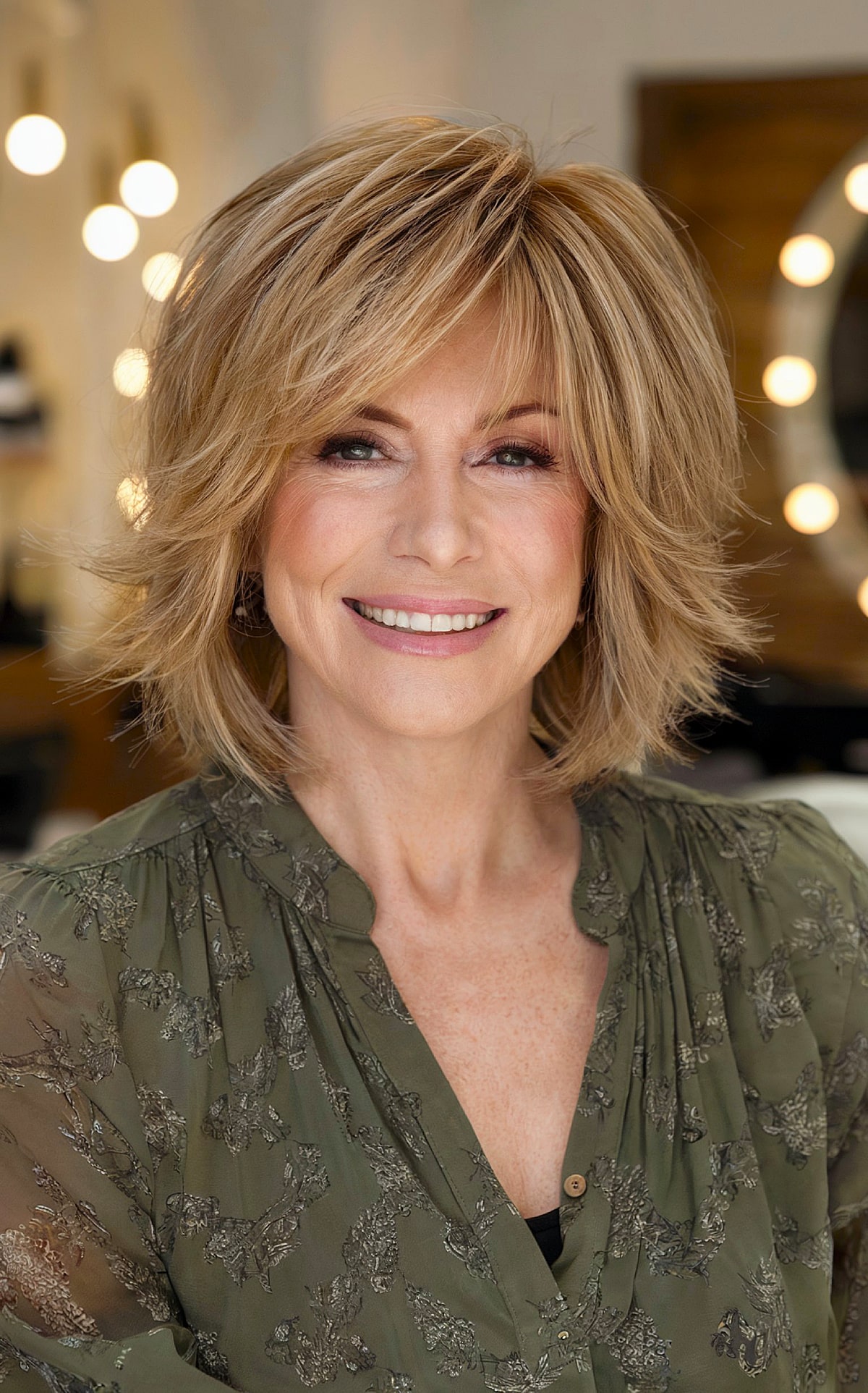
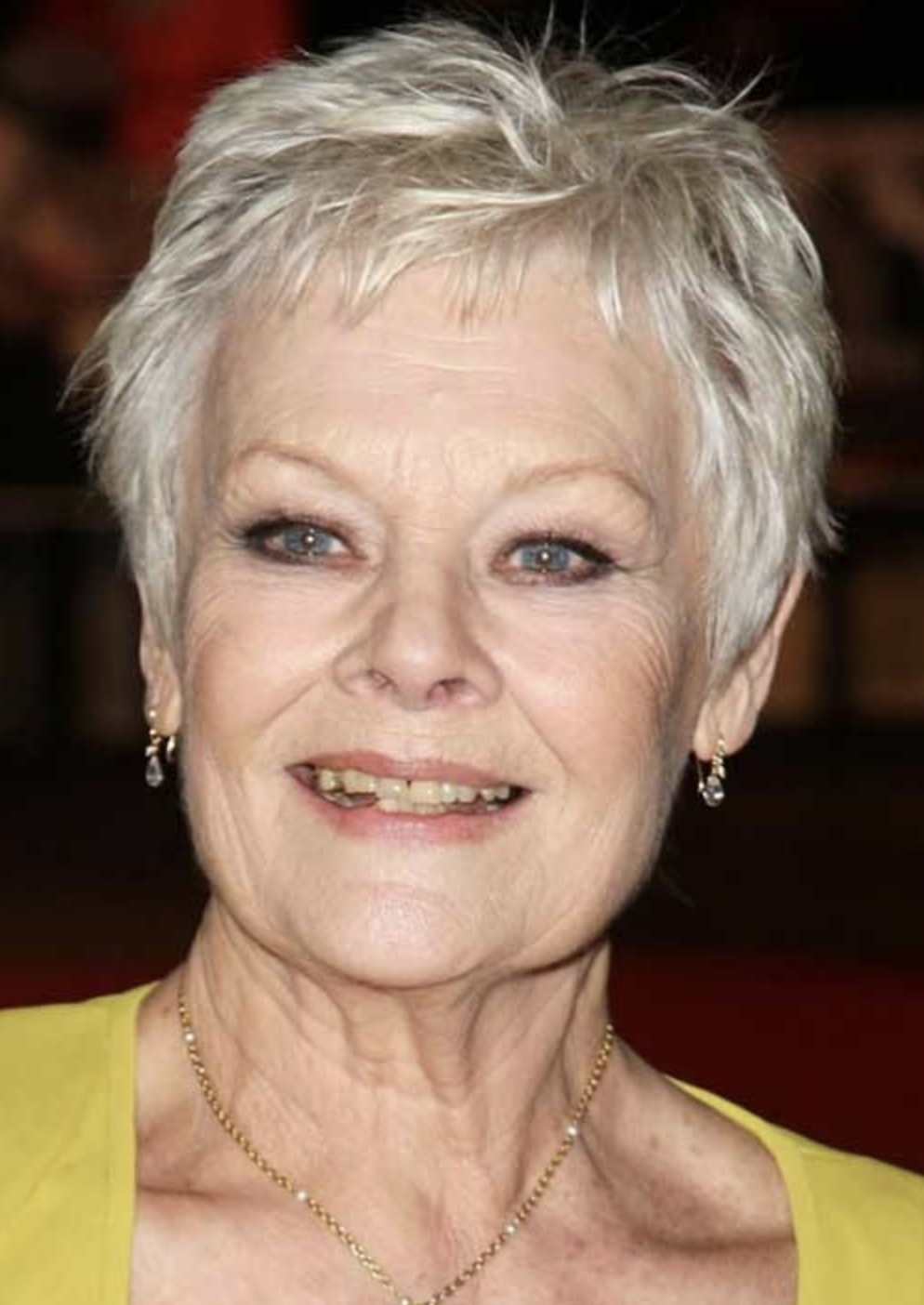
This textured style involves cutting distinct, non-blending sections of hair at varying lengths to create a dynamic, edgy look. A stylist typically achieves this by point-cutting into the ends, generating a shattered, piece-y effect rather than a smooth, uniform one. This technique adds volume and movement, particularly effective on finer hair textures where traditional layering might appear too subtle.
The visual interest and adaptability of this cut contribute to its enduring popularity. It offers versatility in styling, from tousled and carefree to sleek and defined, depending on product application and styling techniques. This approach also provides a low-maintenance option for those with busy schedules, as the deliberately uneven lengths require less frequent trimming to maintain the desired shape. Its history is rooted in the broader trend towards personalized, expressive hairstyles, reflecting a move away from uniform cuts towards individualized looks that accentuate unique features and personalities.
Further exploration will cover specific techniques for achieving this style, suitable hair types and face shapes, product recommendations for styling and maintenance, and variations on the cut for diverse aesthetic preferences.
1. Texture
Texture forms the foundation of this particular style. The strategic disconnection of layered sections creates a significant departure from traditional, blended layering techniques. This results in a visually distinct appearance characterized by a rough, uneven finish. The degree of texture can be adjusted based on the depth and frequency of the point-cutting employed, allowing for subtle texturization or a more dramatic, piece-y effect. For instance, fine hair benefits from added volume and lift, while thicker hair can be debulked and given a more manageable shape through texturized layering.
The interplay of light and shadow on the textured surface amplifies the layered effect. This dynamic interplay contributes to the overall perception of movement and dimension. Understanding the impact of texture allows stylists to tailor the cut to individual hair characteristics and desired outcomes. The technique offers a versatile tool for managing weight distribution, creating volume, and enhancing the overall shape of the short haircut. The deliberate unevenness contributes to the low-maintenance nature of the style, as the grow-out period appears less noticeable compared to precisely blended layers.
Harnessing texturizing techniques is crucial for achieving the defining characteristics of this style. Careful consideration of hair type, desired volume, and overall aesthetic goals informs the application of these techniques. Challenges can arise when working with very coarse or curly hair, requiring adapted cutting methods to avoid excessive frizz or an overly voluminous outcome. Texture’s role in shaping the final look underscores its significance within the broader context of personalized short hairstyles.
2. Movement
Movement constitutes a defining characteristic of this layered style. The varying lengths of the disconnected sections create a dynamic interplay, preventing the hair from lying flat and encouraging natural bounce and flow. This inherent movement adds visual interest and creates a sense of lightness and texture. The staggered layers disrupt the weight distribution, allowing individual strands to lift and separate, enhancing the perception of volume and fullness. This is particularly beneficial for fine or thin hair, where traditional layering might not achieve the same level of dynamic movement.
Consider the example of someone with straight, fine hair. Without layering, the hair might appear limp and lackluster. Incorporating strategically placed, disconnected layers introduces dimension and encourages natural movement, transforming the overall appearance. Similarly, for thicker hair that tends to feel heavy, this technique removes bulk and allows for greater freedom of movement. The resulting style feels lighter and more manageable while retaining its shape. Understanding the relationship between layering and movement allows stylists to tailor cuts to individual hair types and desired outcomes.
Effectively utilizing this layering technique requires a thorough assessment of hair texture, density, and natural growth patterns. Challenges can arise if the layers are not properly balanced, potentially resulting in uneven weight distribution or unwanted volume in specific areas. Therefore, precise execution is crucial for maximizing the positive impact on hair movement and overall style. The ability to control and enhance movement through layering significantly contributes to the versatility and enduring appeal of short, textured haircuts.
3. Styling Versatility
Styling versatility represents a significant advantage of this layered approach to short hair. The disconnected layers offer a foundation for a wide array of styling options, ranging from tousled, textured looks to sleek, polished finishes. This adaptability stems from the interplay of varying lengths and the ease with which these lengths can be manipulated using different styling products and techniques. For example, a texturizing product applied to damp hair and diffused can create a voluminous, tousled style emphasizing the choppy layers. Conversely, a smoothing serum combined with a flat iron can produce a sleek, sophisticated look that retains the layered structure while minimizing texture.
Consider a professional environment where a polished appearance is preferred. This layered style can be easily styled into a sleek, controlled look suitable for formal settings. Alternatively, for a casual weekend outing, the same cut can be transformed into a relaxed, textured style with minimal effort. This versatility extends to various hair types and textures. For those with fine hair, the layered structure provides a foundation for creating volume and lift, while those with thicker hair can benefit from the reduced weight and increased manageability. The adaptable nature of this cut allows individuals to experiment with different looks and tailor their style to suit various occasions and personal preferences.
Achieving diverse styling outcomes hinges on understanding the interplay between product application, styling tools, and the cut’s inherent structure. While the versatility of this style is undeniable, achieving specific looks requires practice and an understanding of one’s hair type. For instance, using excessive product on fine hair can weigh it down, counteracting the desired volume created by the layers. Similarly, improper use of heat styling tools can damage the hair and diminish the defined texture. Mastering styling techniques tailored to this specific cut empowers individuals to fully leverage its versatility and achieve desired results consistently, aligning with the broader theme of personalized, adaptable hairstyles.
4. Maintenance
Maintaining the desired appearance of this short layered style necessitates a specific approach. While often touted as “low-maintenance,” understanding the nuances of upkeep ensures the longevity of the style and prevents it from appearing overgrown or losing its distinct shape. Proper maintenance involves a combination of professional trims, at-home care, and product selection.
-
Trimming Frequency
Regular trims are crucial for maintaining the structured yet dynamic nature of the cut. Unlike longer hairstyles, short, layered styles require more frequent trims to prevent the layers from growing out and losing their definition. Typically, a trim every 4-6 weeks is recommended to maintain the desired shape and prevent the style from becoming bottom-heavy or losing its overall balance. The exact frequency depends on individual hair growth rates and the desired level of precision in the cut.
-
Home Care Practices
Appropriate home care practices play a vital role in preserving the style’s integrity between salon visits. This includes using suitable hair products designed for textured, short hair, and avoiding harsh treatments that can compromise the hair’s health and structure. Regularly using a deep conditioner can help maintain the hair’s moisture balance and prevent dryness, which can lead to frizz and make the layers appear less defined. Furthermore, minimizing heat styling and using heat protectant products when necessary helps prevent damage that can compromise the overall look.
-
Product Selection
Selecting the right products is essential for styling and maintaining the desired texture and shape. Texturizing sprays, mousses, and waxes can enhance the choppy layers and create a piece-y, defined look. Lightweight products are generally preferred to avoid weighing down the hair and compromising the volume created by the layering. Furthermore, choosing products formulated for specific hair types, such as fine or thick hair, ensures optimal results and helps maintain the desired style’s longevity. The specific products used will depend on individual styling preferences and hair characteristics.
-
Long-Term Considerations
Over time, individual hair growth patterns and changes in texture can influence the style’s evolution. Regular consultations with a stylist are beneficial for adapting the cut to these changes and ensuring the style remains flattering and manageable. The stylist can make subtle adjustments to the layering, texturizing techniques, and product recommendations to accommodate these changes and maintain the desired aesthetic. This ongoing dialogue ensures the style’s continued suitability and allows for adjustments based on evolving personal preferences.
Through consistent attention to these maintenance aspects, the distinctive characteristics of this short layered style can be preserved, ensuring a polished and dynamic look over time. Neglecting these elements can lead to a loss of definition, making the style appear overgrown and less intentional. Ultimately, a proactive approach to maintenance allows individuals to enjoy the full benefits of this versatile and stylish cut.
5. Face Shape Suitability
Face shape suitability plays a crucial role in determining whether layered, short hair enhances or detracts from overall appearance. Different face shapes require specific layering strategies to achieve a harmonious balance. Understanding these relationships allows stylists to tailor the cut to individual features, maximizing its flattering potential. For instance, round faces benefit from layers that create height and definition, elongating the face. Conversely, long faces might benefit from softer, face-framing layers that add width and soften angular features. Ignoring face shape can result in a cut that accentuates undesirable features or creates an unbalanced appearance. Careful consideration of proportion and balance is essential for achieving a successful outcome. A skilled stylist analyzes facial contours, hairline, and other features to determine the optimal layering approach.
Consider a heart-shaped face, characterized by a wider forehead and a narrower chin. Layering that focuses volume around the chin area can create a more balanced appearance, softening the pointed chin and complementing the wider forehead. In contrast, a square face, with its strong jawline and angular features, might benefit from layers that soften the edges and create a more rounded silhouette. The strategic placement of layers can also draw attention to desirable features, such as high cheekbones or expressive eyes. By understanding the interplay between layering and facial features, stylists can create a customized look that enhances natural beauty. Real-world examples abound, demonstrating the transformative power of a well-executed, face-shape-appropriate layered cut. A consultation with a skilled stylist allows for a personalized assessment and a tailored approach to layering.
Ultimately, the practical significance of understanding face shape suitability lies in its ability to create a harmonious and flattering look. This understanding allows individuals to choose a layered style that not only reflects current trends but also enhances their unique features. The relationship between face shape and layering extends beyond mere aesthetics; it impacts self-confidence and how individuals present themselves to the world. Challenges arise when generic layering techniques are applied without considering individual facial features. Addressing these challenges requires a shift towards personalized consultations and a deeper understanding of the interplay between face shape, hair texture, and layering techniques. This approach reinforces the importance of customized styling within the broader context of individualized beauty standards.
Conclusion
This exploration of textured, layered styles for short hair has highlighted the multifaceted nature of this popular cut. From the interplay of texture and movement to the versatility in styling and maintenance considerations, the analysis underscores the importance of a personalized approach. Face shape suitability, combined with a thorough understanding of hair type and individual styling preferences, emerges as a critical factor for achieving a successful outcome. The deliberately uneven lengths, a defining characteristic of this style, contribute not only to its visual appeal but also to its adaptability and ease of maintenance.
Ultimately, the enduring appeal of this style lies in its ability to balance structure and freedom, offering a dynamic and expressive look. Continued exploration of individual variations and evolving styling techniques will further refine the application of this versatile cut, ensuring its continued relevance within the ever-changing landscape of hairstyling trends. Skilled execution and thoughtful consideration of individual characteristics remain paramount for maximizing the potential of this dynamic and individualized approach to short hair.